How Do You Paint Laminate Kitchen Cabinets: Expert Guide
Are your laminate kitchen cabinets looking a little dated? You might think replacing them is the only option.
But there’s a simple solution that can transform your kitchen without the hefty price tag. Painting your laminate cabinets can give your kitchen a fresh, modern look. It’s easier than you might think, and you don’t need to be a professional to get stunning results.
Imagine walking into your kitchen and feeling a sense of pride every time you see your revitalized cabinets. You deserve a space that reflects your style and feels inviting. This guide will show you exactly how to achieve that, step by step, so you can confidently tackle this project and love the results. Dive in, and discover the secret to transforming your kitchen!
Benefits Of Painting Laminate Cabinets
Transform your kitchen’s look by painting laminate cabinets. It’s an affordable way to refresh without replacing. Proper preparation ensures the paint adheres well, providing a durable finish.
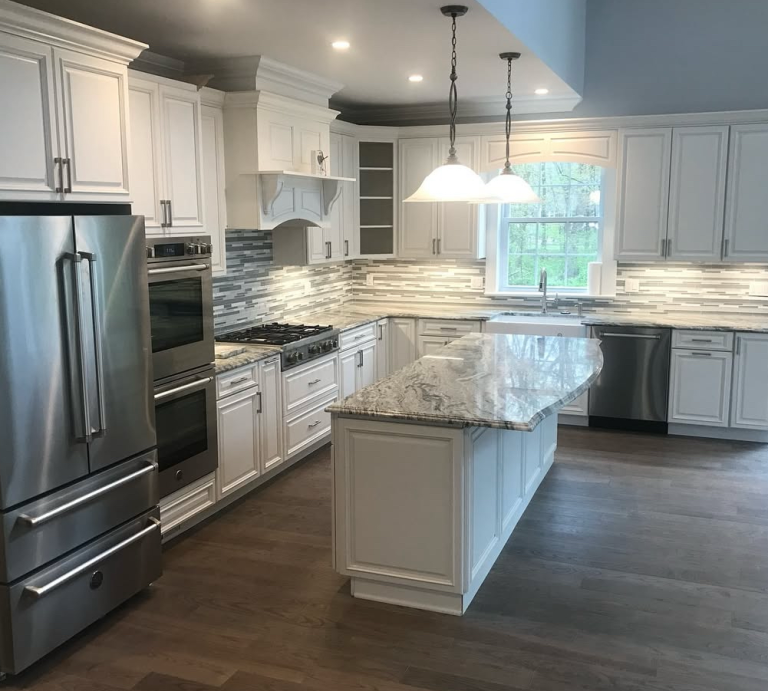
Painting laminate kitchen cabinets brings a fresh look to your home. It’s a cost-effective way to update your kitchen. You don’t need to replace the cabinets for a new appearance. This simple change can transform the space dramatically. Discover the benefits of painting laminate cabinets below.Cost-effective Solution
Painting laminate cabinets saves money compared to buying new ones. New cabinets can be pricey. Painting requires less investment. It offers a budget-friendly way to refresh your kitchen. You can achieve a modern look without the high costs.Quick And Easy Update
Transforming your kitchen can be quick with paint. The process is faster than a full renovation. You can complete it in a weekend. This means less disruption to your daily life. A simple paint job changes the whole feel of the room.Wide Range Of Colors
Painting allows you to choose from many colors. Pick any hue that matches your style. You can go bold or stay neutral. This flexibility lets you personalize your kitchen. It can reflect your personality and taste.Improves Durability
A fresh coat of paint can protect laminate surfaces. It adds a layer that resists wear and tear. This makes your cabinets last longer. Painted surfaces are easier to clean. They maintain their appearance over time.Enhances Aesthetic Appeal
Painted cabinets enhance the look of your kitchen. They bring elegance and charm. A well-chosen color can make the space more inviting. Painting can improve the overall design. It adds a touch of sophistication.Environmentally Friendly Option
Painting cabinets is kinder to the environment. It reduces waste by reusing existing materials. You avoid discarding old cabinets. This choice supports sustainability. It’s a green way to update your kitchen.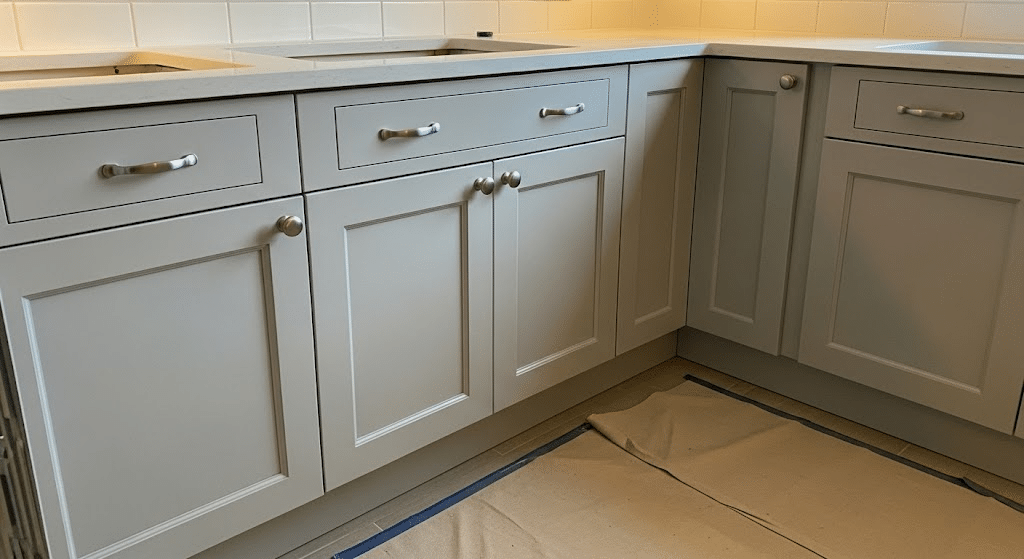
Credit: enthrallinggumption.com
Gathering Necessary Supplies
Begin by gathering essential supplies like sandpaper, primer, and paint. Ensure you have brushes, rollers, and protective gear. Choose quality products to achieve a smooth finish on laminate surfaces.
Gathering all the necessary supplies is the first step in painting laminate kitchen cabinets. This preparation ensures a smooth and efficient painting process. Having the right tools and materials is crucial for a successful project. Let’s explore the essential tools and paints required for this task.Essential Tools
Start by assembling the basic tools needed for painting. A screwdriver is vital for removing cabinet doors and hardware. Sandpaper or a sanding block is necessary for roughening the surface. This helps the paint adhere better. A paintbrush or roller is needed for applying paint evenly. Use painter’s tape to protect areas you don’t want painted. A drop cloth will keep your floors safe from paint spills. Finally, a clean cloth or tack cloth is useful for wiping surfaces.Recommended Paints And Primers
Choosing the right paint and primer is key. Use a primer designed for laminate surfaces. This ensures the paint sticks well. For the topcoat, opt for a high-quality acrylic latex paint. It offers durability and a smooth finish. Semi-gloss or satin finishes work best for kitchen cabinets. They are easy to clean and maintain. Always check that the paint is suitable for laminate material. This ensures long-lasting results.Preparation Steps
Painting laminate kitchen cabinets requires careful preparation. Proper steps ensure a lasting finish. Begin by getting the surfaces ready for painting. This includes cleaning, sanding, and priming the cabinets. Follow each step for best results.
Cleaning The Surface
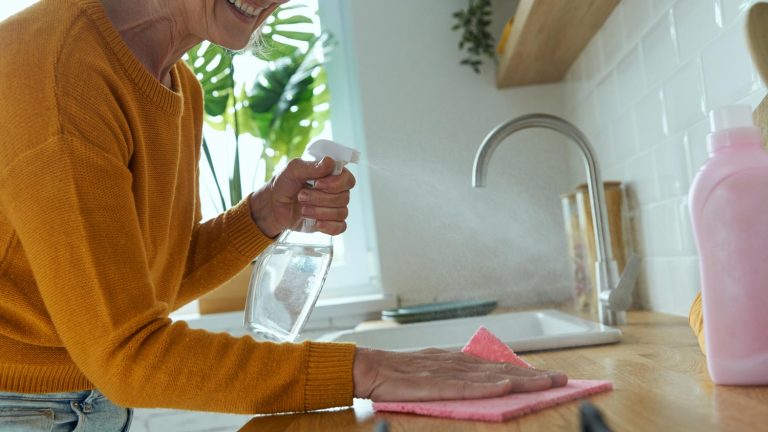
Start with a thorough cleaning. Remove dust, grease, and grime. Use a gentle cleaner. A mixture of soap and warm water works well. Wipe down every corner and crevice. Allow the surfaces to dry completely. A clean surface helps paint adhere better.
Sanding Techniques
Sanding is essential for smoothness. Use fine-grit sandpaper for laminate. Lightly sand the entire surface. This helps the primer stick better. Be gentle to avoid scratches. After sanding, wipe away dust with a damp cloth. This ensures a clean base for the primer.
Priming The Cabinets
Priming is crucial before painting. Choose a primer made for laminate. Apply a thin, even coat using a brush or roller. Let it dry thoroughly. Priming seals the surface and prevents peeling. It also enhances paint adhesion. Ensure the primer is fully dry before painting.

Credit: www.pinterest.com
Choosing The Right Paint
Choosing the right paint for laminate kitchen cabinets involves selecting a durable option. Look for paint designed for slick surfaces. Prioritize preparation, including sanding and priming, to ensure a smooth finish.
Choosing the right paint for laminate kitchen cabinets is crucial. It ensures a lasting finish and enhances the kitchen’s look. Understanding paint types and selecting the right color can be overwhelming. Let’s simplify the process with clear, actionable tips.Types Of Paints
Knowing the types of paints helps in making informed decisions. Here are the most suitable options:- Acrylic Paint:Durable and easy to clean. Ideal for kitchen cabinets.
- Chalk Paint:Gives a matte finish. Requires sealing with wax or varnish.
- Oil-Based Paint:Offers a smooth finish. Takes longer to dry.
- Latex Paint:Quick-drying and water-resistant. Suitable for busy kitchens.
Color Selection Tips
Choosing the right color can transform the kitchen space. Here are some tips:- Light Colors:Make small kitchens appear larger. Choose whites or light greys.
- Bold Shades:Add personality. Consider deep blues or vibrant reds.
- Neutral Tones:Timeless and versatile. Use beige or taupe for a classic look.
- Two-Tone:Combine two colors for depth. Pair contrasting shades for effect.
Painting Techniques
Painting laminate kitchen cabinets requires careful preparation. Start by cleaning and lightly sanding the surface. Use a primer designed for slick surfaces to ensure the paint sticks well. Finally, apply thin, even coats of paint, allowing each layer to dry completely.
This method gives a smooth and durable finish.
Painting laminate kitchen cabinets can seem daunting, but with the right techniques, you can achieve a stunning transformation. The key is choosing the right method that suits your comfort and skill level. Whether you’re a DIY novice or a seasoned pro, understanding various painting techniques will help you get the best results.Brush And Roller Methods
Using a brush and roller is a tried-and-true method for painting laminate cabinets. It’s ideal for those who prefer precision and control. Start by using a high-quality brush for detailed areas like edges and corners. This ensures a smooth application without streaks. For larger surfaces, a foam roller works best, providing an even finish without brush marks. One trick is to apply thin coats of paint. This prevents drips and ensures a smooth surface. Patience is key here—let each coat dry completely before adding another.Spray Painting
Spray painting offers a sleek, professional finish, but it requires a bit more preparation. It’s perfect for those who want a flawless, factory-like surface. Before you begin, set up a spray booth to avoid overspray on unwanted areas. Practice your technique on a piece of cardboard to get a feel for the spray pattern and distance. When spraying, keep a consistent distance from the surface and move in smooth, even strokes. Overlap each pass slightly to ensure full coverage. Spray painting can be quicker than brushing, but remember to wear protective gear and work in a well-ventilated area. Is the time saved worth the extra setup? Consider your priorities and choose the method that aligns with your needs.Drying And Curing Process
Understanding the drying and curing process is crucial for painting laminate kitchen cabinets. This ensures the paint adheres well and lasts longer. After applying the paint, the cabinets need time to dry and cure properly. The drying process is quick, but curing takes longer. Proper drying and curing give the paint a hard, durable finish.
Time Considerations
Drying time for paint can vary based on the type used. Water-based paints usually dry within a few hours. Oil-based paints might take longer, sometimes up to 24 hours. Curing is different and can take weeks. Curing ensures the paint is fully hardened. For most paints, curing takes up to two weeks. Avoid heavy use of cabinets during this period. This helps maintain the fresh look and prevents damage.
Humidity And Temperature Effects
Humidity and temperature greatly affect drying and curing. High humidity slows down the process. This is because moisture in the air prevents paint from setting. Low humidity helps paint dry faster. Temperature also plays a key role. Warm temperatures speed up drying, while cold slows it down. Ideal temperature for drying is between 50°F and 85°F. Use fans or dehumidifiers if needed. These tools help control the environment for better results.
Finishing Touches
The finishing touches bring your painted laminate kitchen cabinets to life. These final steps ensure durability and enhance the overall look. Pay attention to detail for a polished, professional result.
Adding Hardware
New hardware can transform cabinet appearance. Choose knobs and pulls that match your style. Consider color and material for a cohesive look. Use a template for precise placement on each door. Secure hardware tightly to avoid loose fittings.
Sealing The Paint
Sealing protects paint and prolongs its lifespan. Choose a high-quality sealant suitable for kitchen use. Apply evenly to avoid streaks or uneven surfaces. Use a brush or roller for smooth application. Allow sufficient drying time for a durable finish.

Credit: www.bobvila.com
Maintenance Tips
Transform laminate kitchen cabinets with a fresh coat of paint. Begin by cleaning the surface thoroughly. Sand lightly to ensure paint adhesion. Apply primer designed for laminate, then paint with your chosen color. Finish with a sealant for durability.
Maintaining your freshly painted laminate kitchen cabinets is essential for preserving their vibrant look and ensuring they last for years. After investing time and effort into transforming your kitchen, neglecting maintenance could lead to unnecessary wear and tear. By incorporating a few simple habits into your routine, you can keep your cabinets looking as fresh as the day you painted them.Cleaning Recommendations
Regular cleaning is your best defense against dirt and grime build-up. Use a soft cloth dampened with mild soap and water to wipe down your cabinets weekly. Avoid using harsh chemicals or abrasive pads that can scratch the paint. Consider creating a gentle cleaning solution with equal parts vinegar and water for tougher stains. This natural cleaner is effective and safe for your painted surfaces.Avoiding Damage
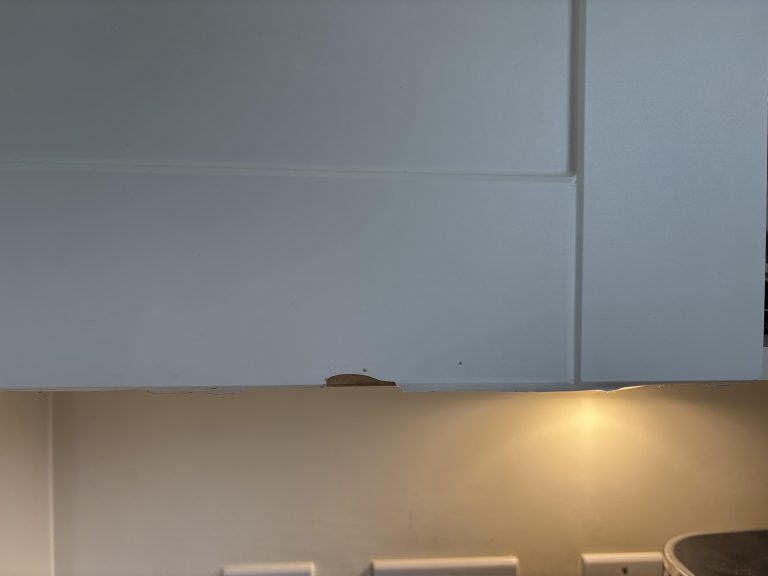
Be mindful of how you handle your cabinet doors and drawers. Slamming them can cause chips and cracks in the paint over time. Use knobs or handles to open your cabinets instead of pulling on the edges, which can wear down the paint in those areas. Place bumpers or felt pads on cabinet doors to cushion the impact when closing. These small steps can significantly reduce the risk of damage. You might be wondering how to prevent scratches and scuffs from everyday kitchen activities. Always use cutting boards and mats to protect your surfaces from sharp objects and hot items. Refrain from placing pots and pans directly against the cabinet doors while cooking, as the heat can cause the paint to blister. By following these maintenance tips, you’ll ensure your laminate kitchen cabinets continue to be the stunning centerpiece of your home.Frequently Asked Questions
Can You Paint Laminate Kitchen Cabinets?
Yes, you can paint laminate kitchen cabinets. Proper preparation is crucial for success. Clean, sand, and prime before painting. Use high-quality paint suitable for laminate surfaces. This ensures better adhesion and durability. Follow the manufacturer’s instructions for the best results.
Painting can refresh your kitchen’s appearance economically.
What Primer Should I Use For Laminate Cabinets?
For laminate cabinets, use a bonding primer. Bonding primers are designed to adhere to smooth surfaces. They improve paint adhesion and durability. Popular options include Zinsser Bulls Eye 1-2-3 and Kilz Adhesion. Follow the manufacturer’s instructions for application. Proper priming is essential for achieving a long-lasting finish.
How Long Does It Take To Paint Cabinets?
Painting laminate cabinets typically takes a few days. Preparation, including cleaning and sanding, requires several hours. Priming and painting each coat may take a few hours. Allow drying time between coats, usually 24 hours. Plan for additional time if applying multiple paint layers.
Ensure proper ventilation and follow drying recommendations.
Do I Need To Sand Laminate Before Painting?
Yes, sanding laminate is necessary before painting. Sanding helps remove the glossy finish and improves paint adhesion. Use fine-grit sandpaper for this task. Avoid sanding too aggressively to prevent damage. After sanding, clean the surface to remove dust. Proper preparation ensures a smooth and durable painted finish.
Conclusion
Painting laminate kitchen cabinets can refresh your space. Follow the steps carefully for best results. Clean the cabinets thoroughly before starting. Choose the right primer for laminate. Apply paint evenly for a smooth finish. Let each layer dry completely. Consider adding a protective topcoat for durability.
A little patience goes a long way. The transformation is worth the effort. Enjoy your newly updated kitchen. It brings a fresh look without spending a fortune. Remember, simple changes can make a big difference.