
Are you dreaming of a kitchen makeover but worried about the cost of new cabinets? You’re not alone.
Understanding the cost of kitchen cabinets can feel overwhelming, but knowing what to expect can ease your mind and help you plan effectively. Whether you’re updating for a fresh look or investing in a complete remodel, the cost of kitchen cabinets plays a crucial role in your budget.
By the end of this article, you’ll have a clear idea of how much you might spend, what factors affect these costs, and how to make savvy choices that align with your style and needs. Let’s uncover the secrets behind kitchen cabinet pricing and empower you to transform your kitchen without breaking the bank. Your dream kitchen is closer than you think!
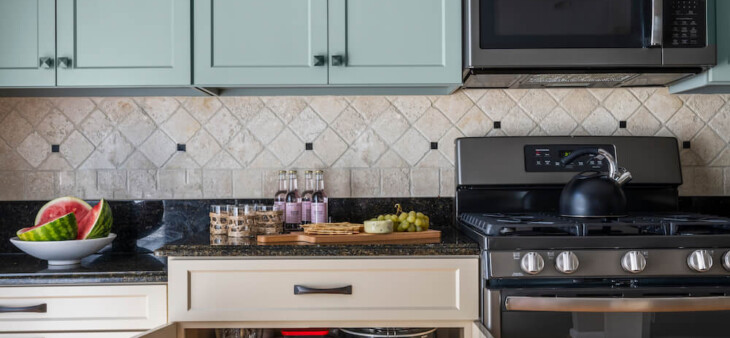
Credit: www.nhance.com
Factors Affecting Cabinet Costs
Kitchen cabinets are more than storage; they define your kitchen’s style. Cabinet costs vary widely, influenced by several factors. Understanding these can help you plan your budget effectively.
Materials And Quality
Materials significantly affect cabinet prices. Solid wood cabinets are often pricier. They offer durability and a classic look. Medium-density fiberboard (MDF) is more affordable. It provides a smooth finish but is less durable. Quality hinges and handles also add to the cost.
Size And Layout
Cabinet size impacts cost. Larger cabinets require more material, increasing the price. Layout complexity also plays a role. A kitchen with a simple layout costs less. More corners and angles increase labor costs.
Customization Options
Customization gives a unique touch but raises expenses. Custom sizes, finishes, and styles are pricier than standard options. Extra features like pull-out shelves and built-in organizers add to the cost.
Brand And Manufacturer
Brand reputation influences cost. High-end brands often charge more for premium materials and craftsmanship. Local manufacturers might offer competitive pricing. Imported cabinets can incur extra shipping fees, affecting overall cost.

Credit: formkitchens.com
Types Of Kitchen Cabinets
Kitchen cabinet costs vary widely based on type and materials. Stock cabinets are budget-friendly, while custom options are pricier. Semi-custom cabinets offer a middle-ground choice, balancing cost and personalization.
Understanding the types of kitchen cabinets helps decide what fits your needs and budget. Each type offers unique features and price points.Stock Cabinets
Stock cabinets are pre-made and ready-to-install. They come in standard sizes. These cabinets offer limited styles and finishes. They are the most affordable option. Stock cabinets are ideal for those on a tight budget. They are widely available in home improvement stores. Quick delivery is a key advantage.Semi-custom Cabinets
Semi-custom cabinets offer more flexibility. They provide a range of styles and finishes. You can modify dimensions slightly. These cabinets are more expensive than stock cabinets. They strike a balance between cost and personalization. They allow for a customized look without breaking the bank. They often require a longer lead time.Custom Cabinets
Custom cabinets are tailor-made to fit your kitchen. They offer limitless design possibilities. You can choose materials, finishes, and features. These cabinets are the most expensive. They reflect your unique style and needs. Custom cabinets require skilled craftsmanship. They involve longer wait times for production and installation.Material Choices
Choosing the right materials for kitchen cabinets influences cost significantly. Wood, laminate, and metal offer varied price ranges. Quality, durability, and aesthetics impact the overall investment.
Choosing the right material for your kitchen cabinets can significantly impact not only the aesthetics of your kitchen but also your budget. The material you choose influences the overall durability, maintenance, and style of your kitchen. Let’s explore some popular material choices that will help you make an informed decision for your kitchen renovation.Wood Options
Wood is a classic choice for kitchen cabinets, offering a warm and inviting feel. With options like oak, maple, cherry, and hickory, you can choose a wood type that matches your style and budget. For example, oak is typically more affordable and offers a traditional look, while cherry provides a rich color and smooth texture, albeit at a higher cost. Consider the finish as well; a natural finish can highlight the wood grain, while a painted finish allows for more color flexibility. Wood cabinets can also be refinished over time, adding to their longevity. Are you ready to invest in a material that ages gracefully and can be customized to your evolving taste?Laminate And Thermofoil
Laminate cabinets offer a cost-effective alternative with a wide range of colors and patterns. They are made by pressing thin layers of plastic resin onto a base material, providing a smooth and durable surface. Ideal for modern kitchens, laminate is resistant to stains and easy to clean. Thermofoil, on the other hand, is a type of vinyl that is heat-sealed onto an MDF core. It mimics the look of wood or painted surfaces at a fraction of the cost. While both materials are budget-friendly, they may not withstand heat as well as other options. Are you looking for a budget-friendly choice that offers versatility in design?Metal And Glass
For a sleek, contemporary look, consider metal or glass cabinets. Stainless steel cabinets are durable, easy to clean, and resistant to rust and stains, making them perfect for a busy kitchen. However, they can be on the pricier side and may show fingerprints and smudges easily. Glass-front cabinets, on the other hand, add elegance and openness to your kitchen. They allow you to display your dishware and add visual interest. The downside is they require frequent cleaning to maintain their pristine appearance. Are you willing to invest in a high-maintenance option that delivers an ultra-modern appeal? Choosing the right material for your kitchen cabinets is a balancing act between style, function, and budget. Each material offers unique benefits and challenges. Which material aligns with your vision for your dream kitchen?Installation Costs
Installing kitchen cabinets can dramatically change your kitchen’s look. The cost of installation varies based on several factors. Understanding these can help you plan your budget efficiently. Let’s break down the costs involved in installing kitchen cabinets.
Diy Installation
DIY installation can save money but requires skill and patience. Basic tools are necessary, such as a drill and level. You might need help for heavy lifting. The cost mainly includes tools and materials. Mistakes can lead to additional expenses.
Professional Installation
Hiring professionals ensures a smooth installation. They have the expertise and tools needed. The cost depends on the project’s complexity and location. Professionals provide a warranty, adding peace of mind. This option is ideal for those lacking time or skills.
Additional Labor Costs
Additional costs might arise during installation. Electrical or plumbing adjustments can increase expenses. Custom cabinet modifications also add to the total cost. Discuss potential extra costs with your installer in advance. This helps avoid surprises later.
Budgeting Tips
Budgeting for kitchen cabinets can be challenging yet rewarding. With careful planning, you can balance quality and cost. Here are some budgeting tips to help you navigate your kitchen cabinet expenses.
Setting A Realistic Budget
Start by evaluating your finances. Determine how much you can comfortably spend. Consider the size of your kitchen and the cabinet style you prefer. Research prices online to get an idea of the cost range. Allocate funds for installation and any additional features you might want. This ensures you won’t face unexpected expenses later.
Cost-saving Strategies
Explore different materials for your cabinets. Laminate and thermofoil are affordable options. Consider ready-to-assemble cabinets, which often cost less. Another tip is to retain your current cabinet layout. This avoids additional costs for plumbing or electrical adjustments. Seek out discounts and sales at local hardware stores.
When To Splurge
Invest in high-quality hardware and hinges. These elements endure daily use and wear. Consider splurging on custom features that enhance functionality, like pull-out shelves. If your kitchen is a central part of your home, spending more on durable materials pays off. Quality cabinets can boost your home’s value and appeal.
Cost Comparison
Comparing kitchen cabinet costs involves considering materials, design, and installation. Prices range from $100 to $1,200 per linear foot. Custom options typically cost more than stock cabinets.
Cost Comparison Choosing kitchen cabinets involves understanding their costs. Prices vary significantly based on type and materials. Comparing these aspects helps make informed decisions that suit budgets and design preferences.Price Ranges By Type
Different cabinet types have different price ranges. Stock cabinets are the most affordable. They range from $60 to $200 per linear foot. Semi-custom cabinets offer more styles and cost between $100 and $650 per linear foot. Custom cabinets provide the most flexibility. They are priced from $500 to over $1,200 per linear foot.Comparing Materials
Cabinet material greatly affects cost. Wood cabinets are popular and come in various types. Cherry and maple are costly. They offer rich finishes and durability. Oak and pine are cheaper but still reliable. Laminate cabinets are budget-friendly and easy to maintain. Metal and glass cabinets are modern but more expensive.Long-term Value
Investing in quality cabinets pays off in the long run. Durable materials withstand daily use and last longer. Solid wood and high-quality laminates resist wear and tear. Well-made cabinets increase home value. They are a smart choice for future resale. Spending more initially saves money on repairs and replacements later.Where To Buy
Choosing where to buy your kitchen cabinets is as crucial as deciding on the style and material. The purchase location can significantly affect your budget and the final appearance of your kitchen. Whether you’re looking for convenience, affordability, or bespoke designs, there are several avenues to explore. Each has its pros and cons, and understanding them will help you make an informed decision.
Retail Stores
Retail stores are a popular choice for many homeowners due to their convenience and immediate availability. Stores like Home Depot and Lowe’s offer a wide range of cabinets, from budget-friendly options to more luxurious designs. You can physically see and touch the cabinets, which can help in visualizing them in your kitchen. Plus, these stores often provide installation services, making the whole process seamless.
However, retail stores may have limited customization options, and you might find yourself settling for something that isn’t quite perfect. It’s important to weigh the convenience against the potential lack of individuality.
Online Retailers
Shopping online for kitchen cabinets opens up a world of possibilities. Websites like Wayfair and IKEA offer a vast selection of styles and materials, often at competitive prices. Online shopping allows you to compare prices and reviews, ensuring you get the best deal. Plus, the convenience of shopping from home can’t be overstated.
Yet, buying online means you cannot physically inspect the cabinets before purchase, which might lead to surprises in terms of quality or color matching. Consider ordering samples if available, or read reviews thoroughly to minimize risks.
Local Craftsmen
For those who value uniqueness and craftsmanship, hiring local craftsmen is a fantastic option. These artisans can create custom cabinets tailored to your exact specifications, ensuring a perfect fit for your kitchen space. The personal touch and quality workmanship often result in stunning, one-of-a-kind pieces.
On the flip side, custom work can be pricier and require more time than standard options. But if you dream of a kitchen that reflects your personality, the investment might be worthwhile. Have you ever thought about supporting local talent and getting something truly special?

Credit: kitchenmakeovers.co.uk
Trends In Cabinet Design
Kitchen cabinets are more than just storage; they define style. Trends in cabinet design have evolved, blending functionality with aesthetics. Discover popular styles, innovative features, and sustainability considerations shaping modern kitchens.
Popular Styles
Shaker cabinets are timeless with clean lines. They suit both modern and traditional kitchens. Flat-panel cabinets, also known as slab doors, offer a sleek and minimalist look. Raised panel cabinets add depth and dimension, perfect for classic kitchen designs. Glass-front cabinets showcase dishes beautifully and create an airy feel.
Innovative Features
Soft-close hinges prevent slamming and extend cabinet life. Pull-out shelves improve access and maximize space. Built-in lighting brightens the interior, making items easy to find. Custom dividers organize utensils and spices efficiently. Touch-activated doors provide a seamless look and modern functionality.
Sustainability Considerations
Eco-friendly materials are gaining popularity in cabinet design. Bamboo and reclaimed wood are sustainable choices. Low-VOC finishes reduce harmful emissions. Durable construction ensures cabinets last longer, reducing waste. Energy-efficient manufacturing processes minimize environmental impact.
Frequently Asked Questions
How Much Do Cabinets Cost For A 12×12 Kitchen?
Cabinet costs for a 12×12 kitchen typically range from $3,000 to $10,000. Factors like materials, design, and brand influence prices. Customize options can increase costs significantly. It’s important to shop around and compare quotes for the best deal.
How Much Does It Cost To Have Kitchen Cabinets Installed?
Kitchen cabinet installation costs range from $2,000 to $10,000. Prices vary based on materials and labor. Custom options and high-end materials increase costs. Get quotes from contractors for accurate pricing.
Is It Cheaper To Buy Cabinets Or Have Them Built?
Buying cabinets is usually cheaper than custom-built ones. Prefabricated cabinets offer lower costs due to mass production. Custom-built cabinets can be pricier due to personalized design and materials. Consider your budget and style preferences before deciding. Mass-produced options can fit most budgets, while custom designs offer unique touches.
How Much Does It Cost To Put In 10×10 Kitchen Cabinets?
The cost of installing 10×10 kitchen cabinets typically ranges from $2,000 to $8,000. This includes materials and labor. Custom designs or premium materials can increase the price significantly. Always get multiple quotes from contractors to ensure competitive pricing.
Conclusion
Choosing kitchen cabinets impacts your budget and style. Prices vary widely. Custom options cost more than stock ones. Material and finish affect the price. Installation fees add up. Plan your budget wisely. Compare different stores and brands. Consider long-term value, not just upfront costs.
Quality cabinets last longer. They enhance your kitchen’s look. Remember, investing in good cabinets improves functionality. Make informed decisions. Consider both price and quality. Your kitchen deserves the best. You can find cabinets that fit your budget. Enjoy creating a space you love.