Are your kitchen cabinets a jumbled mess? Do you find yourself wasting precious time searching for that elusive spice or trying to locate your favorite mug?
You’re not alone. Many people struggle with keeping their kitchen cabinets organized, which can lead to frustration and inefficiency. But imagine opening your cabinets and finding everything neatly arranged and easy to access. Imagine the peace of mind and the time you’ll save.
This isn’t just a dream—it’s within your reach. In this guide, we’ll share simple yet effective tips on how to arrange things in your kitchen cabinets. These tips are designed to transform your kitchen into a space that works for you, making cooking and meal prep a breeze. Stick with us, and discover how a little organization can make a big difference in your daily life.
Declutter First
Before you can start organizing your kitchen cabinets like a pro, there’s one crucial step you must tackle first: decluttering. It’s the foundation for a streamlined kitchen, making it easier to find what you need and ensuring every item has its place. You may think you need every single gadget or utensil, but a cluttered cabinet often results in wasted space and frustration.
What To Keep And What To Discard
Begin by taking everything out of your cabinets. This might feel overwhelming, but it’s a necessary step. As you examine each item, ask yourself when you last used it. If you can’t remember, it might be time to let it go.
- Keep items you use regularly.
- Consider donating duplicates or gadgets you rarely use.
- Check for expired items, especially in your pantry section.
Remember, the goal is to make space for the essentials.
Evaluate Your Cabinet Space
Once your cabinets are empty, take a good look at the space you have. Are there awkward corners or shelves that are hard to reach? Consider how you can better utilize these areas.
Think about installing pull-out racks or lazy Susans to make the most of your space. Vertical dividers can also help in stacking items like baking sheets or cutting boards.
Organizing By Usage
As you put things back, think about how often you use each item. Place everyday items on lower shelves where they’re easy to reach. Reserve higher shelves for items you use less frequently.
Grouping items by category, like baking supplies or snacks, can also help you find what you need faster. It’s all about creating a system that works for you and your lifestyle.
Maintain The Decluttered Space
Decluttering isn’t a one-time task. Set aside time every few months to reassess your cabinet contents. This will prevent build-up and ensure your kitchen remains a functional, inviting space.
Ask yourself: Does your current system still work for you? If not, tweak it until it does. Your kitchen should evolve along with your cooking habits and needs.
Categorize Items
Organizing kitchen cabinets effectively is crucial for maintaining a functional and stress-free kitchen space. One of the most impactful strategies is to categorize items within your cabinets. By grouping items based on their use and frequency, you can streamline your cooking process and make everyday tasks more efficient. Imagine reaching for a pot or a spice without having to rummage through a cluttered cabinet. Categorizing items not only saves time but also enhances your cooking experience. Let’s dive into practical ways you can arrange your kitchen essentials for maximum efficiency.
Separate By Use
Begin by identifying the primary use of each item in your kitchen. Are they used for cooking, baking, or serving? Assign dedicated spaces for each category in your cabinets. This approach prevents mixing items with different purposes and reduces the hassle of searching for a specific tool when you need it.
- Cooking Essentials:Pots, pans, spatulas, and ladles deserve their own section. Keep them close to the stove for easy access.
- Baking Supplies:Organize baking trays, measuring cups, and mixing bowls together. Position them near the oven or countertop where you usually bake.
- Serving Items:Plates, bowls, and serving utensils should be grouped and stored near the dining area for quick setup.
Group By Frequency
Consider how often you use each item. Items that you use frequently should be stored in easily accessible locations, while those used occasionally can be placed in less accessible spots. This method ensures that your daily cooking process is smooth and efficient.
- Daily Use:Keep items like coffee mugs, plates, and everyday pots and pans within arm’s reach.
- Weekly Use:Store appliances like mixers or blenders that you use weekly in lower cabinets or shelves.
- Seasonal Use:Holiday platters or specialty baking tools can be stored in higher cabinets or the back of shelves.
Reflect on your own cooking habits. Are there items you reach for every single day? Why not make them easily accessible? By categorizing based on frequency, you create a kitchen space that caters to your unique lifestyle, reducing unnecessary effort and frustration.
How do you currently organize your kitchen cabinets? Could a small shift in categorization transform your cooking routine and make your kitchen a more enjoyable space to work in?
Maximize Space
Organize kitchen cabinets efficiently by grouping similar items together. Use stackable containers for storing dry goods. Place frequently used items on lower shelves for easy access.
Maximizing space in your kitchen cabinets can make cooking easier. This process involves organizing items efficiently to use every inch available. It helps reduce clutter and makes it simpler to find what you need. With a few smart techniques, you can enjoy a more functional kitchen.Use Shelf Risers
Shelf risers create additional layers within cabinets. They work well for dishes and small appliances. By adding height, you can store items above and below. This saves space and keeps everything visible.Stackable Containers
Stackable containers are excellent for food storage. They fit neatly together, maximizing shelf space. Use them for pantry items like pasta, grains, and snacks. Clear containers make it easy to see contents at a glance. This method keeps your kitchen organized and efficient.Organize By Zones
Organize by zones to make kitchen cabinets more efficient. Keep similar items together for easy access. Store frequently used items in the most convenient spots.
Organizing your kitchen cabinets by zones simplifies cooking and baking. It saves time and effort, turning chaos into order. Each zone serves a specific purpose. This method enhances efficiency and accessibility. Here’s how to set up your kitchen zones effectively.Cooking Zone
Designate a cabinet for pots, pans, and cooking utensils. Store items near the stove. Keep spices and oils within reach. Use drawer dividers for small tools. Hang measuring spoons on hooks. Avoid clutter by using stacking shelves. This setup speeds up meal preparation.Baking Zone
Create a dedicated space for baking supplies. Store mixing bowls, measuring cups, and baking sheets together. Arrange flour, sugar, and baking powder in clear containers. Place cookie cutters and rolling pins in a nearby drawer. Keep frequently used items at eye level. This arrangement makes baking more enjoyable.Storage Zone
Organize pantry staples in a separate area. Use baskets for snacks and cereals. Label containers for easy identification. Group canned goods by type. Arrange jars and bottles by height. Store infrequently used items in the back. This zone keeps your kitchen neat and tidy.Utilize Cabinet Doors
Maximizing space in your kitchen isn’t just about what you store inside the cabinets; it’s about utilizing every inch of available space, including the doors. Cabinet doors offer prime real estate for storage solutions that can declutter your countertops and make cooking more efficient. Have you ever thought about how much unused potential your cabinet doors hold? Let’s explore some practical ways to turn these overlooked areas into functional storage spots.
Install Hooks
Installing hooks on the inside of cabinet doors is a simple yet effective way to store kitchen essentials. Imagine opening your cabinet to find your measuring cups neatly hung, ready for use. Hooks can hold lightweight items like oven mitts, towels, or small kitchen tools that often get lost in drawers. Consider adjustable hooks that can be moved as your needs change.
If you’re like me, you might find yourself constantly searching for that elusive spatula. With hooks, it can be right there, easily accessible. Plus, installing hooks is a quick DIY project that can be done in minutes. Have you tried hanging your most-used utensils or pot lids on the inside of cabinet doors? The space-saving potential is tremendous.
Add Racks
Racks on cabinet doors can be a game-changer for organizing spices, baking sheets, or cutting boards. They make it easy to grab what you need without rummaging through crowded shelves. Imagine the satisfaction of having all your spices lined up and visible, ready to enhance your culinary creations.
Think about adding a narrow rack for storing plastic wrap or aluminum foil, which often get tangled and take up valuable drawer space. The next time you need to wrap leftovers, you’ll appreciate having these items within arm’s reach. Have you considered how much easier meal prep could be with your most-used items organized neatly on racks?
Using cabinet doors effectively can transform your kitchen from chaotic to streamlined. Whether you opt for hooks or racks, these simple additions can make a significant difference in your daily routine. What creative solutions have you discovered to maximize your kitchen space?

Credit: food52.com
Label Everything
Labeling everything in your kitchen cabinets brings order and ease. It helps you find items quickly. No more rummaging through stacks of cans or boxes. Labels make your kitchen more efficient and aesthetically pleasing.
Use Clear Labels
Clear labels are easy to read. They provide immediate information about contents. Use a simple font and a size that is easy to read. Place labels at the front of each container. This ensures visibility at a glance.
Invest in a good label maker. This tool makes labeling quick and neat. For handwritten labels, use waterproof pens. This prevents smudges and keeps your labels looking good.
Color-coding System
A color-coding system adds another layer of organization. Assign colors to different categories. For example, use green for spices, red for snacks, and blue for grains. This visual cue speeds up the search process.
Ensure consistency across all labels. If green is for spices, keep it that way. This consistency helps everyone in the household. They will know where to find and return items.
Incorporate Lazy Susans
Organize kitchen cabinets efficiently by incorporating Lazy Susans. These rotating trays maximize space, making items easily accessible. Store spices, condiments, and small jars on them to avoid clutter and enhance convenience.
Having an organized kitchen can significantly impact your cooking experience. One often overlooked solution to maximize space and improve access is using Lazy Susans. These rotating trays can transform the way you store and retrieve items in your kitchen cabinets. Whether you have deep corners or high shelves, Lazy Susans make it easy to reach everything without having to rearrange your entire cabinet. Let’s dive into how you can make the most of them in your kitchen.Maximize Corner Cabinets
Corner cabinets can be tricky due to their awkward shape. By adding a Lazy Susan, you can utilize the entire space efficiently. It allows you to store items like spices or canned goods and access them with a simple spin. Think about how much time you spend digging around in the back of your corner cabinets. A Lazy Susan can save you from that hassle.Organize By Category
Grouping similar items together on a Lazy Susan can help you stay organized. For instance, keep all your baking supplies like vanilla extract and baking soda on one. This way, when you’re ready to bake, you can grab everything you need in one smooth motion. It’s like having a mini-store shelf that rotates to your needs.Make Use Of High Shelves
High shelves often become a black hole for items you rarely use. Placing a Lazy Susan on these shelves can help you make the most of that space. Store less frequently used items like seasonal baking dishes or extra condiments. You’ll be surprised at how much more you can fit when you can spin the tray to bring items to the front.Enhance Accessibility For Kids
If you have children, you know how difficult it can be for them to reach snacks or dishes. Consider using a Lazy Susan in a lower cabinet to store kid-friendly items. This gives them easy access while keeping your kitchen tidy. It’s a simple addition that empowers your little ones to help themselves, fostering independence.Utilize For Cleaning Supplies
Cleaning supplies are often stored under the sink, making them hard to reach. A Lazy Susan can change that. Place your sprays, sponges, and brushes on one so you can quickly find what you need. It’s a practical way to keep your cleaning area neat and functional.Choose The Right Size And Material
Lazy Susans come in various sizes and materials. Choose one that fits your cabinet dimensions and suits your needs. Plastic options are great for wet areas like under the sink, while wood or metal can add a stylish touch to your pantry. Picking the right one ensures it serves its purpose effectively while complementing your kitchen’s aesthetic. Have you ever tried using a Lazy Susan in your kitchen? They might just be the game-changer you need for an organized and efficient cooking space.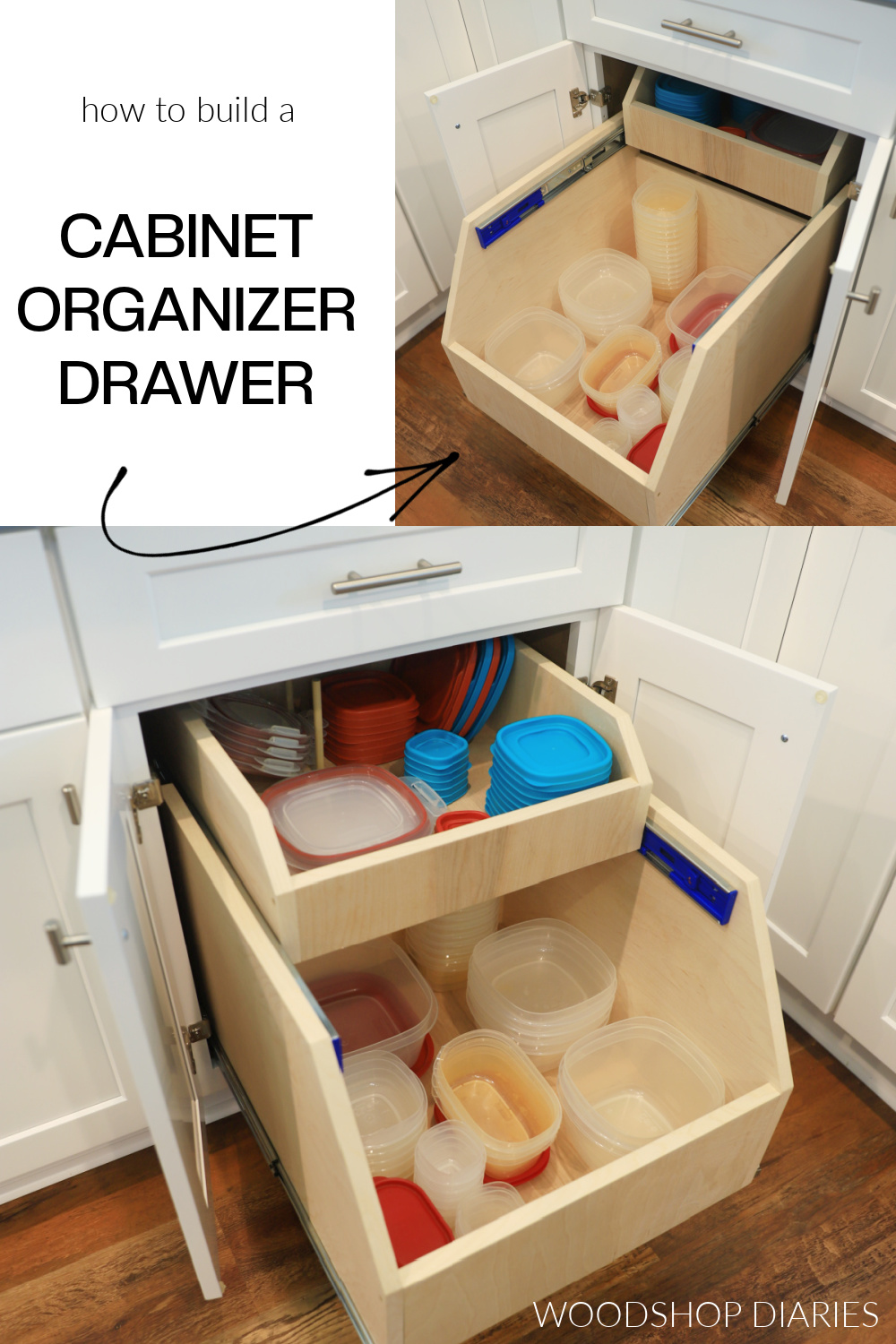
Credit: www.woodshopdiaries.com
Adjust Shelves
Adjust shelves to fit your kitchen items efficiently. Customize heights to accommodate tall bottles or stackable dishes. This creates more space and keeps everything within easy reach.
Adjusting shelves in your kitchen cabinets can be a game-changer for maximizing space and improving functionality. Often, we overlook this simple yet effective strategy, sticking to the default positions that may not suit our needs. By making slight adjustments, you can create a tailored storage solution that makes cooking and meal prep a breeze.Understand Your Needs
Before you begin, think about what you store most often. Do you have tall bottles or a collection of stacked pans? Identifying your needs helps you decide how to position your shelves for optimal storage.Measure Twice, Adjust Once
Grab a measuring tape and note the height of the items you plan to store. This ensures that your shelves are set at the right height. It can be frustrating to adjust them multiple times, so get it right from the start.Utilize Adjustable Pegs
Most cabinets come with adjustable pegs or holes for shelf placement. Move these pegs to suit your needs. Changing just one shelf can free up space for larger items like cereal boxes or blenders.Consider Shelf Dividers
Adding dividers can help keep items organized and prevent them from toppling over. This is especially useful for baking sheets or cutting boards. Dividers can also be a lifesaver for keeping plates and bowls neatly stacked.Balance Accessibility With Storage
Place frequently used items on lower shelves for easy access. Reserve higher shelves for items you use less often. This way, you’re not constantly reaching or bending for everyday items, making your kitchen more efficient. Adjusting your shelves might seem small, but it can make a big difference. Have you ever found yourself frustrated digging through a cluttered cabinet? With a few tweaks, that can be a thing of the past.Maintain Organization
Keeping your kitchen cabinets organized is not a one-time task. It’s a continuous process that requires attention and care. With the right strategies, you can maintain an orderly and efficient kitchen space.
Regular Cleaning
Regular cleaning is key to maintaining order in your kitchen cabinets. Make it a habit to wipe down shelves and doors at least once a month. This prevents dust and grime from accumulating.
Consider using shelf liners to protect the surfaces. They are easy to clean and can help prolong the life of your cabinets. Plus, they add a splash of color or pattern, making your cabinets more appealing.
Don’t forget the insides of jars and containers. Make sure they are free from sticky residues. This ensures a clean environment for your food items.
Seasonal Reassessment
Every season brings different culinary needs. Assess your kitchen cabinet contents seasonally to ensure they align with your current cooking habits.
During colder months, you might need more space for baking supplies and comfort foods. In summer, you may prioritize grilling tools and fresh ingredients.
Evaluate what you haven’t used in the past season. If it hasn’t been touched, consider donating or discarding it. This keeps your kitchen streamlined and relevant to your lifestyle.
Ask yourself: Is your kitchen set up for the meals you love to cook? Adjust as necessary and make space for new seasonal favorites.

Credit: www.tiktok.com
Frequently Asked Questions
How To Maximize Kitchen Cabinet Space?
Maximize space by using stackable shelves and organizers. Utilize vertical space with tiered racks or hooks. Store items by frequency of use, keeping everyday essentials accessible. Rotate seasonal items to the back. Label containers for easy identification and implement drawer dividers for smaller items.
Regularly declutter for optimal organization.
What Are The Best Kitchen Cabinet Organizers?
The best organizers include pull-out shelves, lazy Susans, and tiered racks. Use drawer dividers for cutlery and small items. Over-the-door hooks maximize space for pans or utensils. Consider adjustable shelves for flexible storage. Clear bins help maintain visibility and accessibility.
Choose organizers based on your cabinet size and needs.
How Can I Declutter Kitchen Cabinets Effectively?
Start by emptying all cabinets and assessing items. Sort into categories: keep, donate, or discard. Eliminate duplicates and expired products. Use storage solutions like baskets or bins for grouping similar items. Label containers for easy identification. Regularly review contents to maintain a clutter-free space.
What Is The Best Way To Store Pots And Pans?
Store pots and pans by hanging on wall-mounted racks or inside cabinets with adjustable hooks. Use tiered shelving for stacking and accessibility. Consider pull-out organizers for easy retrieval. Arrange lids separately in lid holders. Ensure heavier items are placed at the bottom for safety and convenience.
Conclusion
Organizing kitchen cabinets improves daily cooking efficiency. Clear spaces make finding items easy. Group similar items for quick access. Use organizers for small tools and utensils. Store frequently used items within reach. Less-used items can go higher up. Label containers for easy identification.
This method saves time and reduces stress. A tidy kitchen leads to a smoother cooking experience. Enjoy a more organized space that works for you. Implement these tips today. Notice the difference in your kitchen routine. Simple changes make a big impact.
Happy cooking in your clutter-free kitchen!