How to Adjust Kitchen Cabinet Shelves: Quick Guide
Executive Chef & Lead Commercial Kitchen Specialist at Daily Kitchup Test Lab
Do your kitchen cabinets seem like they never have enough space? Or maybe you find yourself constantly frustrated because items just don’t fit right?
The good news is, with a little adjustment, you can make your kitchen cabinets work for you, not against you. Imagine opening your cabinet doors to find everything perfectly organized and within reach. Sounds appealing, right? This isn’t just a dream; it’s entirely achievable.
In this guide, you’ll learn how to adjust your kitchen cabinet shelves with ease. By the end, you’ll have the tools and tips you need to maximize your storage space and make your kitchen more functional. Let’s dive in and transform your cabinets into the efficient space you’ve always wanted.
Tools Required
Tools Required A screwdriver and a tape measure are essential for adjusting kitchen cabinet shelves. Use a level to ensure shelves are even.
Adjusting kitchen cabinet shelves doesn’t require a lot of tools. A few basic items can help you achieve a perfect fit. Understanding the tools you’ll need is crucial before starting the process. Proper tools make the job easier and ensure the shelves are secure.Essential Tools For The Job
A screwdriver is the most important tool. It helps with removing screws and brackets. Choose a size that fits the screws on your shelves.Measuring Tape
Use a measuring tape to check the shelf dimensions. Accurate measurements ensure shelves fit properly and align with the cabinet space.Level
A level helps ensure your shelves are straight. Place it on the shelf and adjust until the bubble is centered.Rubber Mallet
A rubber mallet is useful for tapping shelves into position. It helps avoid damage while securing the shelves firmly in place.Drill
A drill is handy for making new holes if needed. It speeds up the process and ensures precise placement.Safety Gear
Don’t forget safety goggles and gloves. These protect your eyes and hands during the adjustment process.Optional Items
You might need a pencil for marking measurements. It helps ensure accuracy in placement. A small flashlight can be useful in dimly lit cabinets. It helps you see clearly while working.Credit: www.instagram.com
Preparation Steps
Gather tools like a screwdriver and shelf pegs. Empty the cabinet to prevent damage. Adjust the pegs to your desired height, then reposition the shelves carefully. Ensure they are level and secure before placing items back.
Preparation is key for adjusting kitchen cabinet shelves. Proper steps ensure a smooth process and prevent mistakes. Begin by organizing and measuring to make the adjustment seamless.Clearing The Shelves
Start by removing all items from the shelves. This prevents damage and gives you a clear view. Use this time to declutter and clean. Dust and crumbs accumulate over time. Wiping them away ensures a fresh start. Once clear, you can focus on adjusting without distractions.Measuring The Space
Measure the height and width of the cabinet space. Accurate measurements are crucial. Use a measuring tape for precision. Note these dimensions on paper. Consider the height of items you plan to store. Adjust the shelves to fit these items comfortably. This ensures efficient use of space and prevents overcrowding.Removing Existing Shelves
Removing existing shelves can simplify the process of adjusting kitchen cabinet spaces. Carefully lift out each shelf to create more room for reorganization. This step ensures flexibility in customizing the cabinet layout to suit your needs.
Removing existing shelves from kitchen cabinets can seem daunting. It’s a simple process with the right approach. Adjusting cabinet shelves allows more flexibility and better organization. Here’s how to safely and efficiently remove those shelves.Identifying Shelf Supports
Shelf supports are typically small pegs or brackets. They hold the shelves in place. Examine the inside of your cabinet. Look for metal or plastic pegs under each shelf. Some cabinets use adjustable brackets. Check for any screws or clips securing the shelves.Safely Removing Shelves
Begin by emptying the shelves. This prevents items from falling or breaking. Use gentle pressure to lift the shelf. If it feels stuck, check the supports again. Some shelves may require tilting to remove. If screws hold the shelf, use a screwdriver. Turn counter-clockwise to loosen them. Always support the shelf with one hand while unscrewing. Once free, carefully slide the shelf out of the cabinet.Adjusting Shelf Heights
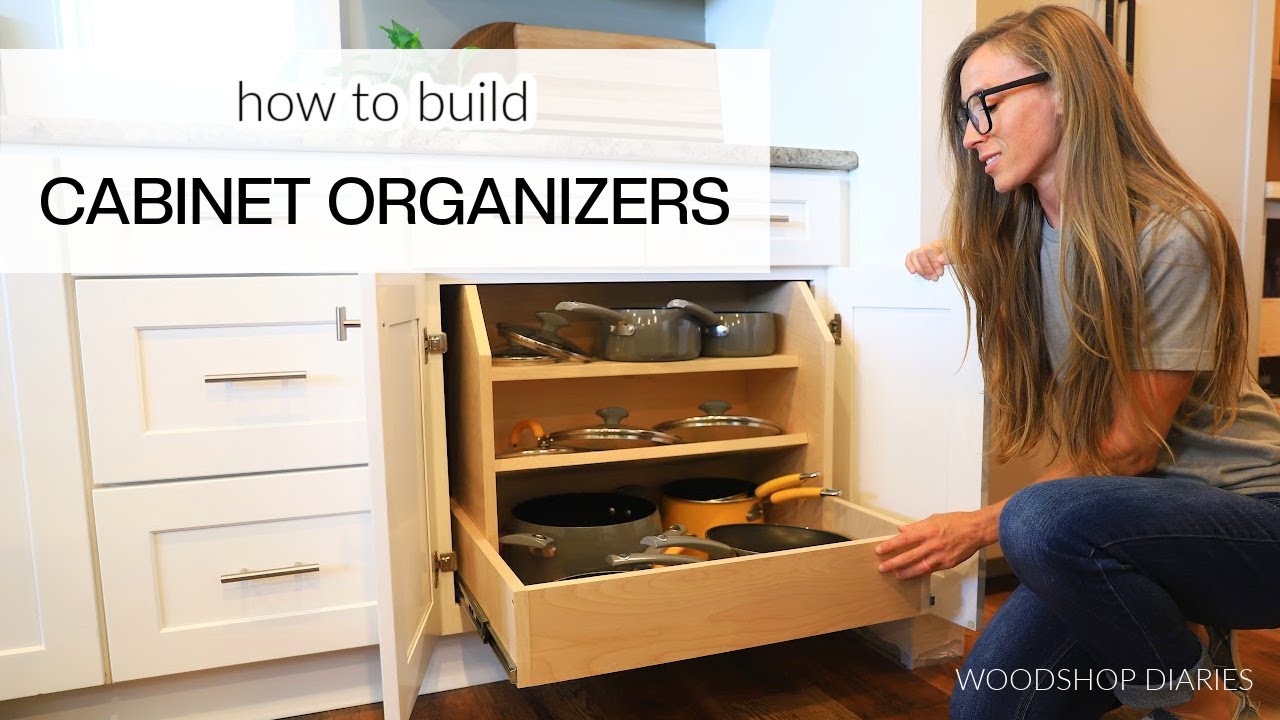
Adjusting shelf heights in kitchen cabinets can enhance storage efficiency. Use adjustable pegs or brackets to reposition shelves according to your needs. This simple change can accommodate taller items and keep your kitchen organized.
Adjusting shelf heights in kitchen cabinets can transform your storage space. With the right steps, you can maximize your cabinet’s capacity and make it more functional. It all begins with determining new shelf positions and aligning shelf pegs.Determining New Shelf Positions
Start by assessing what items you need to store. Group similar items together. Measure the tallest item in each group. This helps decide how high each shelf should be. Leave extra space above each item. This makes it easier to access them. Consider the cabinet’s overall height. Ensure your shelves fit comfortably within it. Use a tape measure for accuracy.Aligning Shelf Pegs
Shelf pegs hold your shelves in place. Check the cabinet walls for pre-drilled holes. These holes allow you to adjust peg positions. Decide the best height for your shelf. Insert pegs into the chosen holes. Ensure all pegs are at the same height. This keeps your shelf level. Place the shelf on the pegs. Press down gently to secure it. Make sure the shelf is stable before adding items.Installing Shelves
Adjusting kitchen cabinet shelves can enhance organization and accessibility. Begin by removing existing items and identify the shelf pins. Shift the pins to desired heights, ensuring stability and balance.
Installing shelves in your kitchen cabinet can instantly boost your storage space and make organizing a breeze. Whether you’re adjusting them to accommodate tall cereal boxes or creating a cozy spot for your collection of spices, the right installation technique is key. Let’s dive into how you can easily and effectively place and secure your kitchen cabinet shelves.Placing Shelves On Pegs
Start by ensuring you have the right pegs for your shelves. Most cabinets come with adjustable pegs that fit into pre-drilled holes along the sides. Place a peg in the desired hole on each side of the cabinet. Once the pegs are in place, gently lift your shelf and align it with the pegs. Carefully lower the shelf onto them, ensuring each corner is securely resting on a peg. If you’ve ever had a shelf tilt unexpectedly, you’ll appreciate the importance of this step! Adjust as necessary until everything feels stable.Ensuring Stability
To keep your shelves from wobbling, double-check the peg placement. Make sure they’re level and fully inserted into the holes. If your cabinet includes a back panel, ensure the shelf is snug against it for added support. Consider using shelf liners to prevent items from slipping and add a touch of style. They can also protect your shelves from spills and scratches. If you find your pegs are loose, replacing them with slightly larger or rubberized ones can provide extra grip and stability. What are some creative ways you’ve organized your kitchen shelves? Your unique approach could inspire someone else to transform their space.
Credit: www.housedigest.com
Organizing Cabinets
Adjusting kitchen cabinet shelves is key to a tidy space. Proper organization ensures easy access to items. It also creates a visually pleasing environment. A well-arranged cabinet saves time and reduces stress. Let’s explore effective ways to organize your cabinets.
Maximizing Space
Efficient use of space is vital. Adjust shelves to fit larger items. Use shelf risers to create extra layers. Store rarely used items at the back. Keep frequently used items at the front. Consider vertical storage solutions. Hanging racks can free up shelf space.
Group Similar Items
Grouping similar items makes finding things easier. Place canned goods together. Stack plates and bowls by size. Arrange cooking utensils in one section. Keep baking items in another area. Label shelves for quick identification. This method reduces clutter and confusion.
Maintenance Tips
Kitchen cabinets are essential for storing items efficiently. Proper maintenance keeps them functional and looking good. Regular care prolongs the lifespan of your shelves. Below are some tips to maintain your kitchen cabinet shelves.
Regular Cleaning
Dust and spills accumulate over time, affecting the cabinet’s appearance. Use a soft cloth to wipe shelves weekly. Avoid harsh chemicals that can damage surfaces. A mild soap solution works well for stubborn stains. Ensure shelves are dry after cleaning to prevent moisture damage.
Monitoring Shelf Condition
Check shelves periodically for signs of wear or sagging. Inspect brackets and screws for rust or looseness. Replace any damaged hardware promptly. Keep an eye on the shelf surface for scratches or dents. Address issues early to avoid costly repairs later.

Credit: www.reddit.com
Frequently Asked Questions
How To Adjust Shelves In Kitchen Craft Cabinets?
To adjust shelves in Kitchen Craft cabinets, remove shelf clips. Reposition them at desired heights. Place the shelf back. Ensure it’s secure.
How To Fix Sagging Kitchen Cabinet Shelves?
Reinforce sagging shelves by adding metal brackets underneath for support. Use a screwdriver to tighten loose screws. Replace damaged shelves with new plywood. Adjust shelf pins for better stability. Ensure cabinet is level for optimal performance. Regular maintenance can prevent future sagging issues.
How To Adjust Soft Close Drawers In Kitchen Cabinets?
To adjust soft close drawers, locate the adjustment tab on the drawer slide. Turn it clockwise to increase tension or counterclockwise to decrease. Ensure the drawer is aligned properly and test for smooth operation. Repeat the process until the desired closing speed is achieved.
How To Place Shelves In Kitchen Cabinets?
Measure the cabinet dimensions. Use adjustable shelf brackets for flexibility. Mark and drill holes evenly. Insert shelf pins securely. Place shelves on pins. Ensure level alignment for stability.
Conclusion
Adjusting kitchen cabinet shelves is simple with the right steps. Measure. Plan. Install. These actions ensure a tidy, functional space. Use adjustable brackets for flexibility. Consider shelf height for storage needs. Check stability before placing items. Organize smartly for easy access.
Regularly review shelf positions. This keeps your kitchen efficient. Small changes make big differences. Enjoy a well-ordered kitchen. This improves cooking experiences. Now, your kitchen reflects your style. It feels personalized and practical. Happy organizing!

Similar Posts