How to Choose Kitchen Cabinet Color: Expert Tips
Executive Chef & Lead Commercial Kitchen Specialist at Daily Kitchup Test Lab
Choosing the right color for your kitchen cabinets can completely transform the heart of your home. As you stand in the paint aisle, overwhelmed by swatches and samples, you might wonder how to make the best choice.
The color you pick will set the tone for the entire room, influencing not only how your kitchen looks but also how it feels. Imagine walking into a kitchen that perfectly reflects your style and makes you feel at ease every time you cook or entertain.
Understanding color psychology can help you make a decision that not only suits your taste but also enhances your mood and daily life. Dive in, and discover how the right hue can make your kitchen both beautiful and functional.
Assessing Kitchen Style
Choosing the right kitchen cabinet color starts with understanding your kitchen’s style. Your kitchen’s design influences the mood and feel. It’s vital to match cabinet colors with the overall theme. This harmony creates a cohesive and inviting space. Let’s explore how different styles impact cabinet color choices.
Modern Vs. Traditional
Modern kitchens showcase sleek lines and minimalism. They often feature neutral colors like white, black, or gray. These colors enhance the clean and streamlined appearance. Glossy finishes add to the modern feel. Contrasting colors can make a bold statement. Think white cabinets with black countertops.
Traditional kitchens embrace warmth and comfort. Rich, warm tones like cherry or oak work well. These colors give a classic and timeless appeal. Wood grain textures add depth and character. Cream or beige cabinets complement traditional designs. They maintain a cozy atmosphere.
Farmhouse Charm
Farmhouse kitchens bring rustic charm and country feel. Soft pastel colors like mint or light blue suit these spaces. These hues add a vintage touch and warmth. Distressed finishes enhance the rustic vibe. White or cream cabinets create a bright and airy look. Open shelving often complements farmhouse style.
Mixing materials like wood and metal can add interest. Farmhouse style welcomes an eclectic mix of textures and colors. These elements create a welcoming and homely kitchen space.

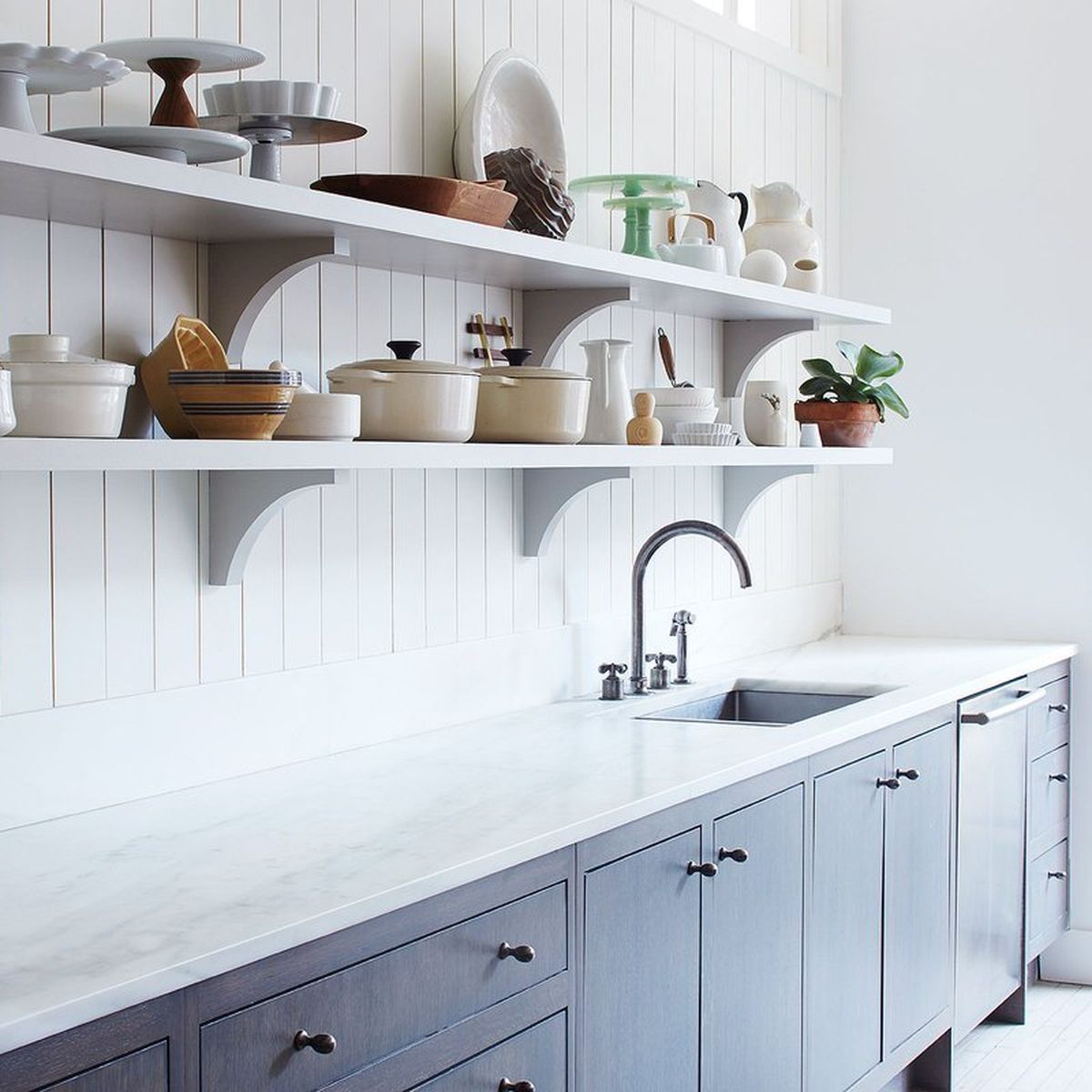
Credit: www.kylieminteriors.ca
Color Psychology
Choosing the right kitchen cabinet color can transform your space. Color psychology plays a key role in this decision. It influences mood and atmosphere in the kitchen. Different colors evoke different feelings. Knowing this helps in creating a desired environment. Let’s explore how various colors affect emotions.
Warm Tones
Warm tones like red, orange, and yellow create a cozy vibe. They stimulate appetite and conversation. Red is bold and energizing. Orange adds warmth and excitement. Yellow brings happiness and brightness. These colors make the kitchen feel lively and welcoming.
Cool Hues
Cool hues include blue, green, and purple. They promote calmness and relaxation. Blue is refreshing and serene. Green symbolizes nature and harmony. Purple adds a touch of luxury and creativity. Cool colors make the kitchen feel spacious and soothing.
Neutral Shades
Neutral shades like white, gray, and beige offer versatility. They provide a clean and timeless look. White is pure and brightens the space. Gray adds sophistication and balance. Beige introduces warmth while staying understated. Neutrals work well with any kitchen style.
Lighting Influence
Choosing kitchen cabinet color can dramatically affect your space. Light colors create a bright, airy feel. Dark shades add depth and sophistication. Consider how natural and artificial lighting will impact the cabinet’s appearance throughout the day.
Choosing the right kitchen cabinet color can be challenging. Lighting plays a vital role in this decision. It affects how colors appear and interact with the room’s ambiance. The type and amount of light can change a color’s hue. Understanding lighting influence helps in making the right choice.Natural Light
Natural light varies throughout the day. Morning light is cool and soft. Afternoon light is bright and warm. These changes impact how cabinet colors appear. Whites and light grays reflect more natural light. They make the space feel open and airy. Darker colors absorb light, adding warmth and coziness. Consider the direction your kitchen windows face. South-facing windows offer the most natural light. North-facing kitchens may need lighter colors to brighten the space.Artificial Lighting
Artificial lighting includes bulbs and fixtures used in the kitchen. Different bulbs emit different color temperatures. Warm bulbs enhance yellows and reds. Cool bulbs make blues and greens pop. LED lights offer a variety of color temperatures. They are energy-efficient and versatile. Under-cabinet lighting highlights specific areas. It can create contrasts and shadows. Evaluate your kitchen’s artificial lighting setup. This helps in selecting a cabinet color that complements the light.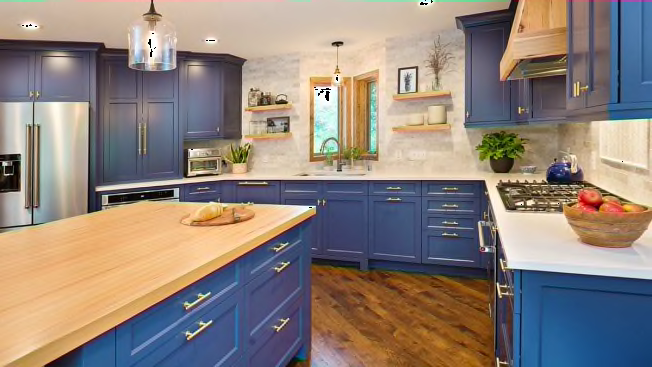
Credit: www.consumerreports.org
Considering Kitchen Size
Choosing kitchen cabinet color involves considering the kitchen’s size. Small kitchens benefit from light colors, creating a spacious feel. Larger kitchens can handle darker shades for a cozy atmosphere.
Choosing the right color for your kitchen cabinets can dramatically transform the look and feel of your cooking space. One crucial factor to consider is the size of your kitchen. The dimensions of your kitchen play a significant role in how colors are perceived and can either enhance or detract from your kitchen’s overall ambiance.Small Spaces
In a small kitchen, lighter colors are your best friend. They create an illusion of space by reflecting more light, making the area feel airy and open. Think soft whites, gentle creams, or even pastel shades. A friend once painted her tiny kitchen cabinets in a soft mint green. It was a bold choice, but it worked wonders in making her space feel more vibrant and less cramped. Consider using glossy finishes to further amplify the light reflection. A small space benefits from maximizing light, whether natural or artificial. Would adding a pop of color on a single accent cabinet bring personality without overwhelming the space? Absolutely! This can add character while keeping the rest of the kitchen cohesive and bright.Large Kitchens
A large kitchen offers more flexibility and can handle darker, bolder hues. Deep navy blues or rich forest greens can add a touch of elegance and warmth. Imagine walking into a spacious kitchen where the cabinets are a sleek charcoal gray. It instantly sets a sophisticated tone, making the kitchen a focal point of the home. Dark colors help ground large spaces, making them feel more intimate and inviting. However, balance is key. Pairing dark cabinets with lighter countertops or backsplashes can prevent the space from feeling too heavy. When choosing colors for a large kitchen, think about how they interact with natural light. Large windows may allow you to experiment with more intense colors without the space feeling overshadowed. What color makes your heart sing while also complementing the rest of your home? The right choice will make your kitchen a place you’ll love spending time in.Harmonizing With Existing Elements
Choosing the right kitchen cabinet color is crucial for a cohesive look. Consider the existing elements in your kitchen. These elements can guide your color selection. Matching them creates harmony and balance.
Countertops
Countertops play a vital role in your kitchen’s aesthetic. Their color and texture should complement the cabinets. If your countertops are bold, choose neutral cabinet colors. For neutral countertops, you can opt for bolder cabinet shades. This balance creates a pleasing contrast.
Backsplash
The backsplash often stands out in a kitchen. Its design and color should influence cabinet choices. A busy backsplash pairs well with simple cabinet colors. A plain backsplash can handle more colorful cabinets. Aim for a balance between the two.
Flooring
Flooring sets the foundation for your kitchen’s color scheme. Dark floors pair well with lighter cabinets. Light floors allow for deeper cabinet shades. Consider the texture and material of the flooring as well. This ensures a cohesive and inviting space.

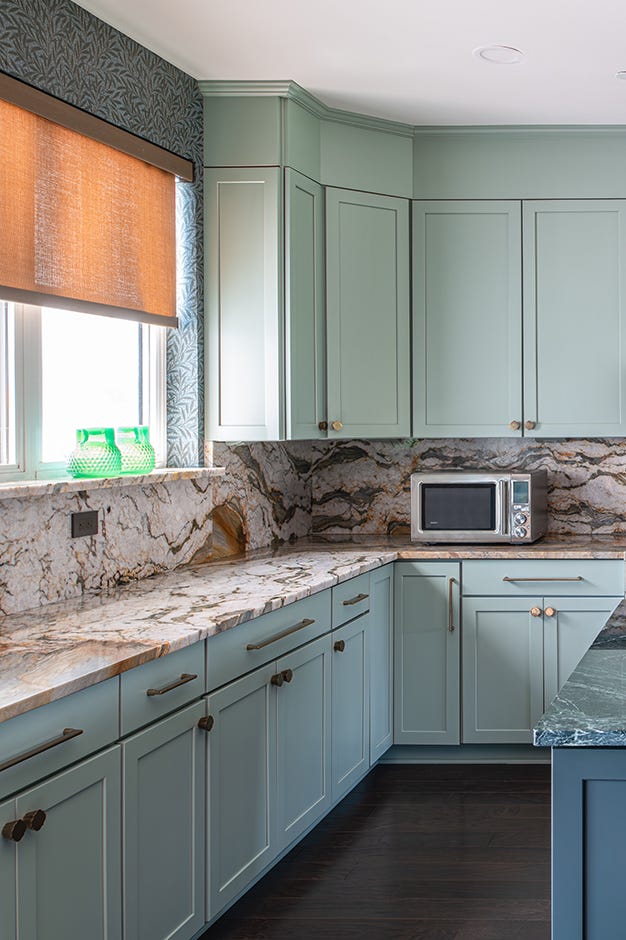
Credit: www.kylieminteriors.ca
Trendy Vs. Timeless Choices
Choosing kitchen cabinet colors involves balancing trendy styles with timeless appeal. Bold colors can make a statement, while neutral shades offer longevity and versatility. Consider your kitchen’s overall design to find the perfect blend.
Choosing the right kitchen cabinet color can be a thrilling yet daunting decision. It’s not just about aesthetics; it’s about creating a space where you feel at home. Should you opt for trendy colors that make a bold statement, or stick to timeless hues that never go out of style? Your choice will shape the vibe of your kitchen for years to come. Let’s delve into the world of color options with a focus on trendy versus timeless choices.Current Trends
In recent years, kitchen cabinets have seen a surge in bold, vibrant colors. Deep blues and forest greens are captivating choices that add character and depth to your space. These hues can make your kitchen a focal point in your home, creating an inviting atmosphere. Consider how these colors might affect the mood of your kitchen. Vibrant shades can energize and inspire creativity, perfect for those who love experimenting with new recipes. However, trends can change quickly. Think about whether you’ll still love that bold color in five years.Classic Options
Classic colors like white, cream, and light grey have stood the test of time. They’re versatile, complementing a variety of decor styles from modern to rustic. These colors offer a clean, airy feel, making your kitchen seem larger and more open. White cabinets are a safe choice if you’re considering resale value. They appeal to a wide range of buyers, ensuring your kitchen remains appealing for years. Ask yourself: Do you prefer a kitchen that feels timeless and flexible, or are you looking to make a statement with bold colors? Both trendy and timeless choices have their merits. Ultimately, it’s about what feels right for you and your home.Testing Color Samples
Testing color samples helps in picking the perfect shade for kitchen cabinets. Use natural lighting to view samples accurately. Consider how colors complement countertops and appliances for a cohesive look.
Testing color samples is a vital step in choosing kitchen cabinet colors. This process ensures the selected color matches your vision and complements your kitchen’s style. The right color can transform your kitchen, making it feel warm and inviting or sleek and modern. Testing samples helps you avoid costly mistakes and ensures a harmonious design.Sample Boards
Using sample boards is a practical approach. Paint small boards with your chosen colors. Place these boards in different areas of your kitchen. Observe how the colors look in various lighting conditions. This gives you a clear idea of how each color will appear. Sample boards are portable, allowing you to test colors against other elements like countertops and appliances. They’re a great way to visualize the final look.Live Testing
Live testing involves applying color samples directly to your cabinets. This method provides a realistic preview of the final result. Test small sections first. Observe how the color interacts with the room’s lighting. Notice how natural and artificial lights affect the shade. This approach helps you see the true impact of each color. Live testing offers a comprehensive understanding of color dynamics in your kitchen environment.Consulting Professionals
Choosing the right kitchen cabinet color can transform your space. Consider the room’s lighting and existing decor for harmony. Light colors open up small areas, while darker shades add depth to larger kitchens.
Choosing the right kitchen cabinet color can transform your space. Consulting professionals is a smart move for those uncertain about color choices. Experts provide guidance and insights, ensuring harmonious and appealing results. Let’s explore how interior designers and color experts can assist in this decision-making process.Interior Designers
Interior designers understand how colors affect mood and space. They consider the overall aesthetic of your home. Designers create a cohesive look by harmonizing cabinet colors with other elements. They help balance trends with timeless styles, ensuring your kitchen remains stylish for years. Their expertise in layout and functionality is invaluable. They ensure the chosen color complements the kitchen’s design and utility.Color Experts
Color experts specialize in understanding hues and shades. They know how light affects color perception in your kitchen. Experts suggest colors that enhance natural light and artificial lighting. They help you select shades that match your personality and lifestyle. These professionals can introduce unique color combinations. This ensures your kitchen stands out while maintaining elegance.Frequently Asked Questions
What Factors Affect Kitchen Cabinet Color Choice?
Choosing the right color depends on several factors. Consider the kitchen size, lighting, and existing decor. Natural light may enhance lighter shades, while darker hues can add depth. Personal style and maintenance ease also play crucial roles. Each element contributes to achieving the perfect aesthetic balance.
How Do Cabinet Colors Impact Kitchen Mood?
Cabinet colors significantly influence the kitchen’s atmosphere. Light colors can make spaces feel airy and open. Dark shades often create a cozy, intimate ambiance. Bold colors bring energy and vibrancy, while neutral tones offer a calm, timeless look. Each color choice sets a distinct mood.
Are Neutral Cabinet Colors A Safe Choice?
Neutral colors are often considered a safe choice for cabinets. They easily blend with various decor styles and are timeless. Neutrals like white, beige, and gray provide a versatile backdrop. They enhance natural light and can make spaces appear larger, appealing to a wide range of tastes.
How To Coordinate Cabinet Colors With Countertops?
Coordinating cabinet and countertop colors involves balancing hues and textures. Opt for complementary or contrasting colors to create visual interest. Consider the material and finish of countertops. Ensure both elements harmonize with the overall kitchen theme. Proper coordination enhances aesthetic appeal and functionality.
Conclusion
Choosing the right kitchen cabinet color can transform your space. Start with your style preference. Consider how colors affect mood. Dark shades add drama, while light colors make rooms feel bigger. Balance with your countertops and flooring. Test samples in different lights.
Natural and artificial light can change color appearance. Remember, a fresh coat of paint can bring new life to your kitchen. Make sure it complements your appliances and fixtures. Take your time and trust your taste. Your kitchen should reflect your personality.
Happy decorating!

Similar Posts