How to Clean a Kitchen Drain: Quick and Easy Guide
Executive Chef & Lead Commercial Kitchen Specialist at Daily Kitchup Test Lab
Have you ever noticed a foul smell wafting up from your kitchen sink or found water draining slower than a snail’s pace? If so, you’re not alone.
Keeping your kitchen drain clean is crucial for maintaining a fresh and functional kitchen. But how do you tackle this often-overlooked task without feeling overwhelmed? Don’t worry; you’re about to discover simple, effective methods that will leave your kitchen drain sparkling clean and odor-free.
By following these steps, you can avoid costly plumbing bills and enjoy a kitchen that not only looks clean but feels clean. Ready to transform your kitchen drain from grimy to gleaming? Let’s dive in and explore the secrets to a spotless sink.
Credit: katieskottage.com
Preventive Measures
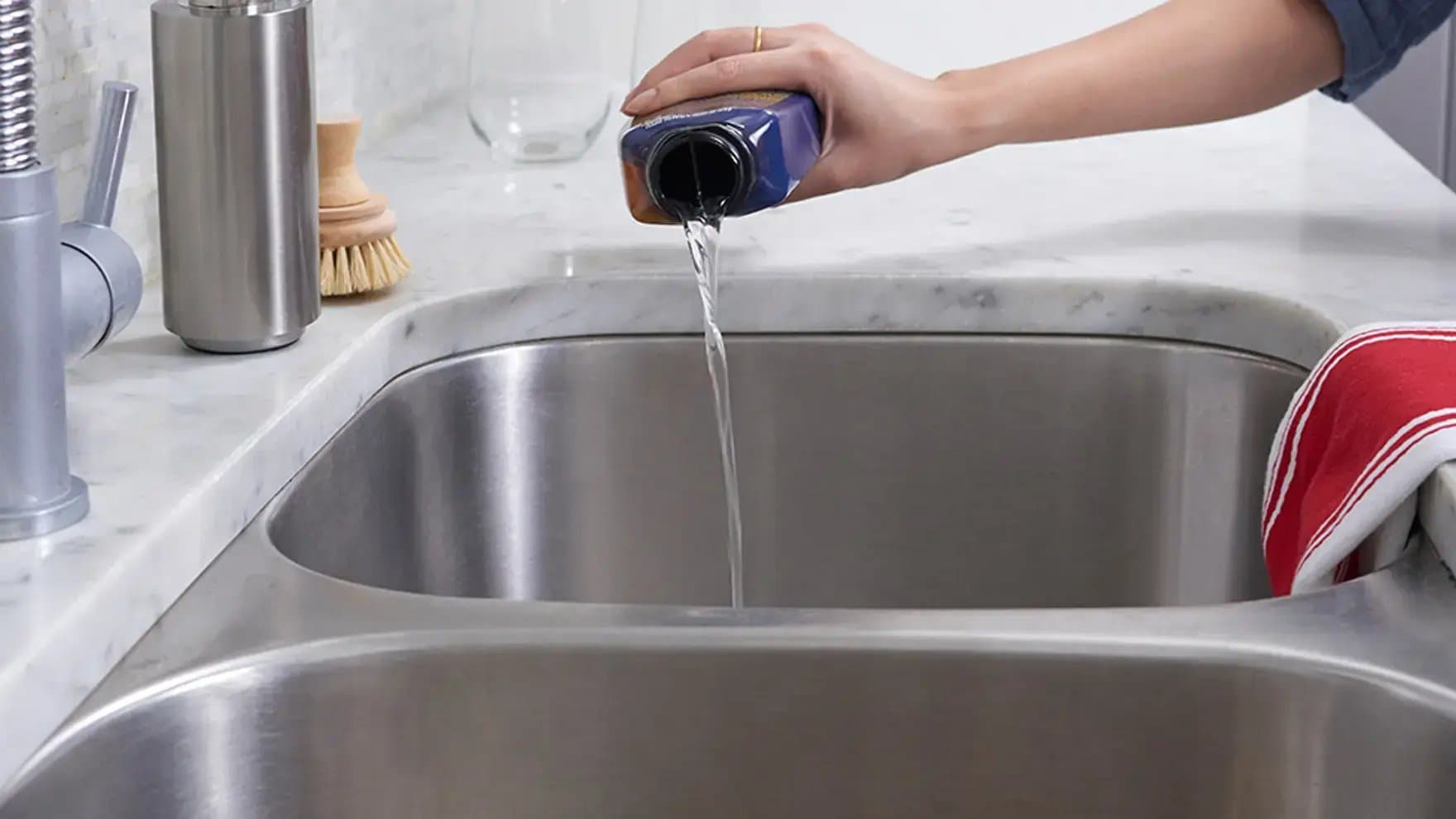
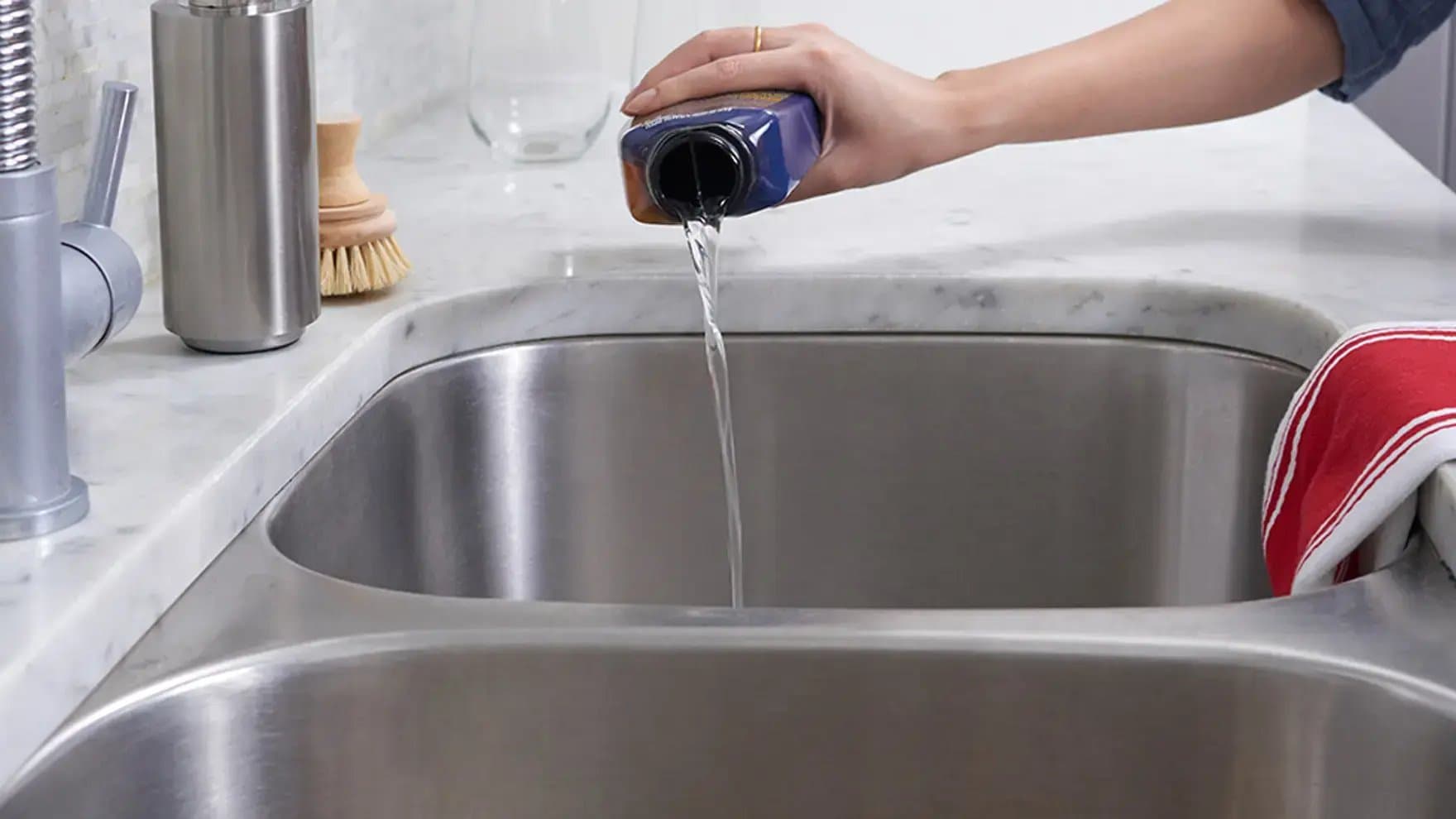
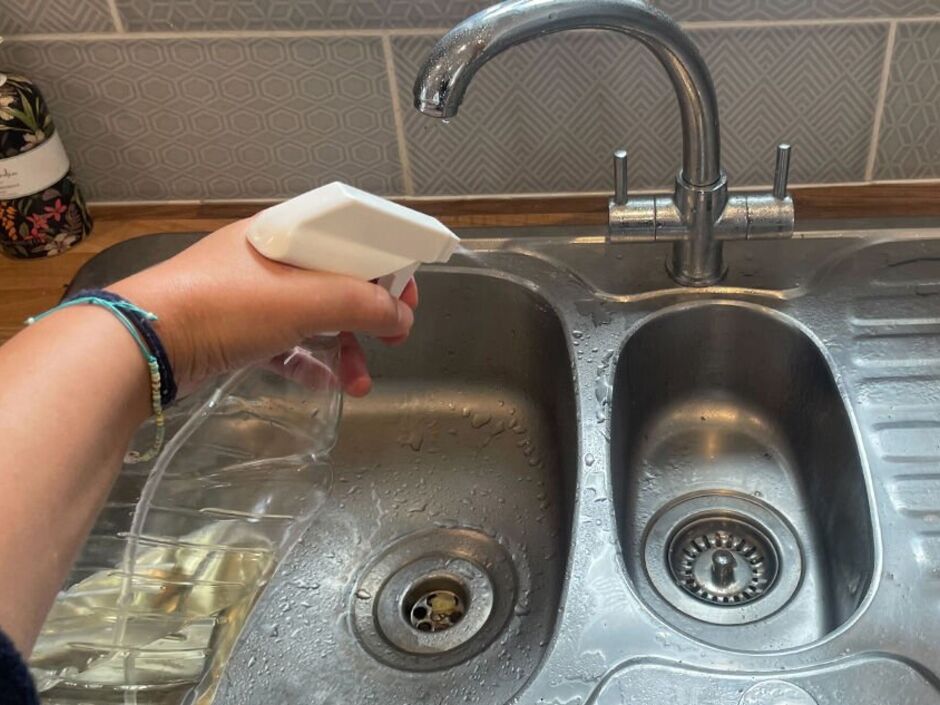
Regularly clean kitchen drains to prevent clogs. Use a mix of baking soda and vinegar to clear buildup. Flush with hot water to maintain flow.
Preventive measures keep kitchen drains functioning smoothly. They prevent clogs and save time. Regular maintenance reduces the risk of blockages. Simple habits can make a big difference.Regular Cleaning
Regular cleaning prevents build-up in drains. Use hot water weekly. Pour it down the drain to clear debris. Baking soda and vinegar help too. Pour baking soda, then vinegar. Wait five minutes, then rinse with hot water. This keeps drains fresh and odor-free.Avoiding Food Residues
Food residues cause clogs. Scrape plates before rinsing. Use strainers in the sink. They catch food particles. Empty strainers often. Avoid washing coffee grounds, rice, or pasta down the drain. They expand and block pipes.Proper Disposal Of Grease
Grease is a major clog culprit. Never pour grease down the drain. Let it cool, then discard in the trash. Use paper towels to wipe greasy pans. This prevents grease from entering pipes. Dispose of cooking oils in sealed containers. Check local guidelines for disposal options. Preventing grease build-up saves trouble later.Frequently Asked Questions
What Is The Best Way To Clean A Smelly Kitchen Sink Drain?
Pour baking soda and vinegar down the drain. Let it fizz for 15 minutes. Rinse with hot water. Repeat weekly for freshness.
What Will Dissolve Hair In A Drain?
Baking soda and vinegar can dissolve hair in drains. Mix equal parts and pour into the drain. Let it sit for 15 minutes, then flush with hot water. Commercial drain cleaners containing sulfuric acid or lye can also be effective.
Always follow safety instructions when using chemical products.
What Dissolves Gunk In A Sink Drain?
Baking soda and vinegar dissolve gunk in sink drains effectively. Pour baking soda, then vinegar, and let it fizz. Rinse with hot water after 15 minutes. This natural solution clears blockages without chemicals. Regular use prevents buildup and keeps drains clean.
How To Remove Sludge From A Kitchen Drain?
Pour baking soda and vinegar down the drain. Let it fizz for 15 minutes. Rinse with hot water. Use a plunger to dislodge stubborn sludge. Repeat if necessary. Regular cleaning prevents future build-up. Consider enzymatic cleaners for tougher clogs. Maintain drains by avoiding grease disposal.
Conclusion
Cleaning your kitchen drain doesn’t have to be difficult. Follow the steps outlined here. Keep your sink fresh and clog-free. Regular maintenance is key. Check your drain often. Remove any food scraps promptly. Use baking soda and vinegar for natural cleaning.
Avoid harsh chemicals. Protect your pipes. A clean drain keeps your kitchen smelling good. Enjoy hassle-free cooking and cleaning. Take a few minutes each week. Save time and money on plumbing issues. Make drain cleaning a routine. Your kitchen will thank you.
Happy cleaning!

Similar Posts