How to Clean Drain Pipes in Kitchen: Expert Tips
Executive Chef & Lead Commercial Kitchen Specialist at Daily Kitchup Test Lab
Ever noticed an unpleasant odor coming from your kitchen sink? Or maybe water is draining slower than usual?
These are signs that your drain pipes might need a good cleaning. But don’t worry, you’re not alone. Many homeowners face this issue, and it can be surprisingly easy to fix. Imagine the satisfaction of having a fresh-smelling kitchen and smoothly draining sink, all thanks to a few simple cleaning techniques.
You’ll discover step-by-step instructions on how to clean your kitchen drain pipes effectively. Trust us, by the end of this guide, you’ll feel like a pro, and your kitchen will thank you. Ready to dive in and tackle those pesky pipes? Let’s get started!
Credit: www3.drano.com
Essential Tools And Materials
Gather common household items like baking soda, vinegar, and hot water. Use a plunger or plumber’s snake for stubborn clogs. Keep rubber gloves and a bucket handy to manage any mess.
Cleaning your kitchen drain pipes can seem daunting, but with the right tools and materials, you can tackle it effectively. Having the essential tools at hand not only saves you time but also ensures that the job is done right. Imagine confidently handling a clogged drain without having to call a plumber.Plunger
A plunger is your first line of defense against clogged drains. It’s simple yet highly effective. Ensure you have a cup plunger, which works best for sinks.Drain Snake
A drain snake, or auger, can navigate through your pipes to remove stubborn clogs. It’s particularly useful for removing hair and other debris that a plunger can’t shift.Baking Soda And Vinegar
These common household items make an excellent natural cleaning solution. When combined, they create a fizzing reaction that helps break down grime.Rubber Gloves
Keep your hands clean and protected with a good pair of rubber gloves. They’ll also provide a better grip when using tools.Bucket
A bucket is necessary for catching any water or debris that might spill out during the cleaning process. It’s a simple yet indispensable part of the toolkit.Pipe Wrench
A pipe wrench is ideal for tightening or loosening pipe connections. It’s especially useful if you need to remove any sections of the pipe for a deeper clean.Flashlight
A flashlight helps you see into the dark recesses of your under-sink area. It ensures you don’t miss any hidden debris.Cleaning Brush
A long-handled cleaning brush can scrub away any lingering grime inside the pipes. It’s perfect for reaching those hard-to-access spots. Are there any other tools you find indispensable when cleaning your kitchen drain pipes? Share your tips or experiences for a cleaner and more efficient drain.
Credit: www.aol.com
Safety Precautions
Ensure good ventilation to avoid fumes. Wear gloves to protect your skin from harsh chemicals. Keep a bucket nearby to catch any water spills.
Cleaning drain pipes in the kitchen is essential for maintaining hygiene. Safety is crucial during this process. Precautions protect you from accidents and ensure efficient cleaning. Following these guidelines will keep you safe and make the task easier.Wear Protective Gloves
Gloves shield your hands from harsh chemicals. They prevent skin irritation. Choose sturdy, waterproof gloves for maximum protection.Ventilate The Area
Open windows or doors to allow fresh air. Good ventilation reduces inhalation of fumes. Fans can help circulate air quickly.Use Proper Tools
Select tools designed for pipe cleaning. Avoid makeshift solutions that can damage pipes. Proper tools ensure a smoother cleaning experience.Avoid Mixing Chemicals
Mixing different cleaners can be dangerous. It may create toxic gases. Read labels and instructions carefully before use.Keep Children And Pets Away
Ensure kids and pets are not in the cleaning area. Chemicals can be harmful if ingested. Secure the space to prevent accidents.Read Instructions Carefully
Understand each product’s instructions before use. Follow guidelines for effective cleaning. Misuse can lead to ineffective results or hazards.Dispose Of Waste Properly
Dispose of cleaning waste responsibly. Follow local guidelines for chemical disposal. Proper disposal protects the environment.Identifying Clogs
Identifying clogs in kitchen drain pipes involves checking for slow water drainage or unpleasant odors. These signs usually indicate a blockage, often caused by food particles or grease buildup. Regular inspection helps maintain smooth water flow and keeps your kitchen clean.
Identifying clogs in kitchen drain pipes is crucial for a healthy kitchen. Clogged drains can lead to unpleasant smells and slow water drainage. Recognizing the signs early can save you from bigger problems. Here are some ways to identify clogs effectively.Visual Signs Of Slow Drainage
Water should flow smoothly down the drain. If it lingers or drains slowly, a clog might be forming. Look for standing water in the sink. This indicates blockage.Unpleasant Odors
Bad smells often come from trapped food particles. If your kitchen smells off, check the drain. Lingering odors can mean a clog.Listen For Strange Sounds
Gurgling sounds while water drains can be a warning. These noises suggest air is trapped. This is a common sign of a clog starting to form.Inspect The Drain And Pipes
Remove the drain cover and inspect visually. Use a flashlight for better visibility. If you see debris, it might be causing the clog.Feel For Changes In Water Pressure
Reduced water pressure can signal a blockage. Run the faucet and notice the flow. Any change in water speed might indicate a problem. Identifying clogs early helps maintain a clean kitchen. Regular checks can prevent future issues. Keep these signs in mind to ensure your drains stay clear.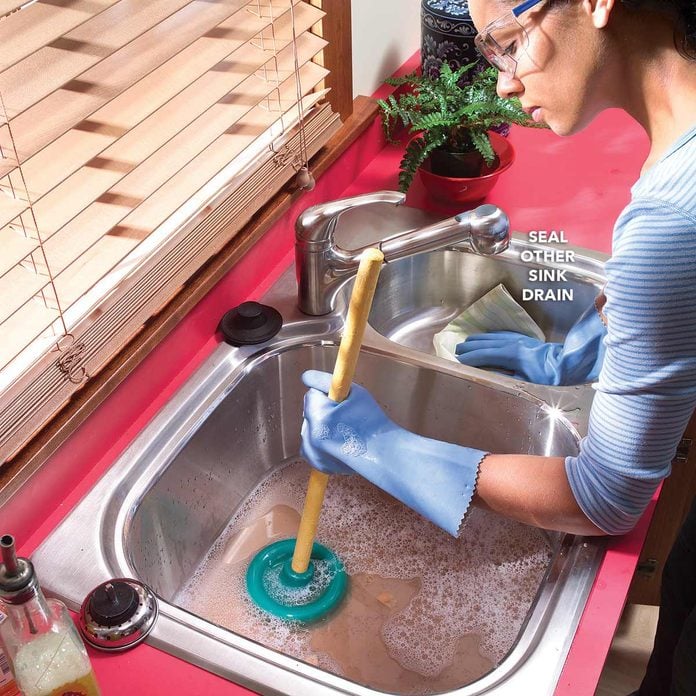
Credit: www.familyhandyman.com
Natural Cleaning Methods
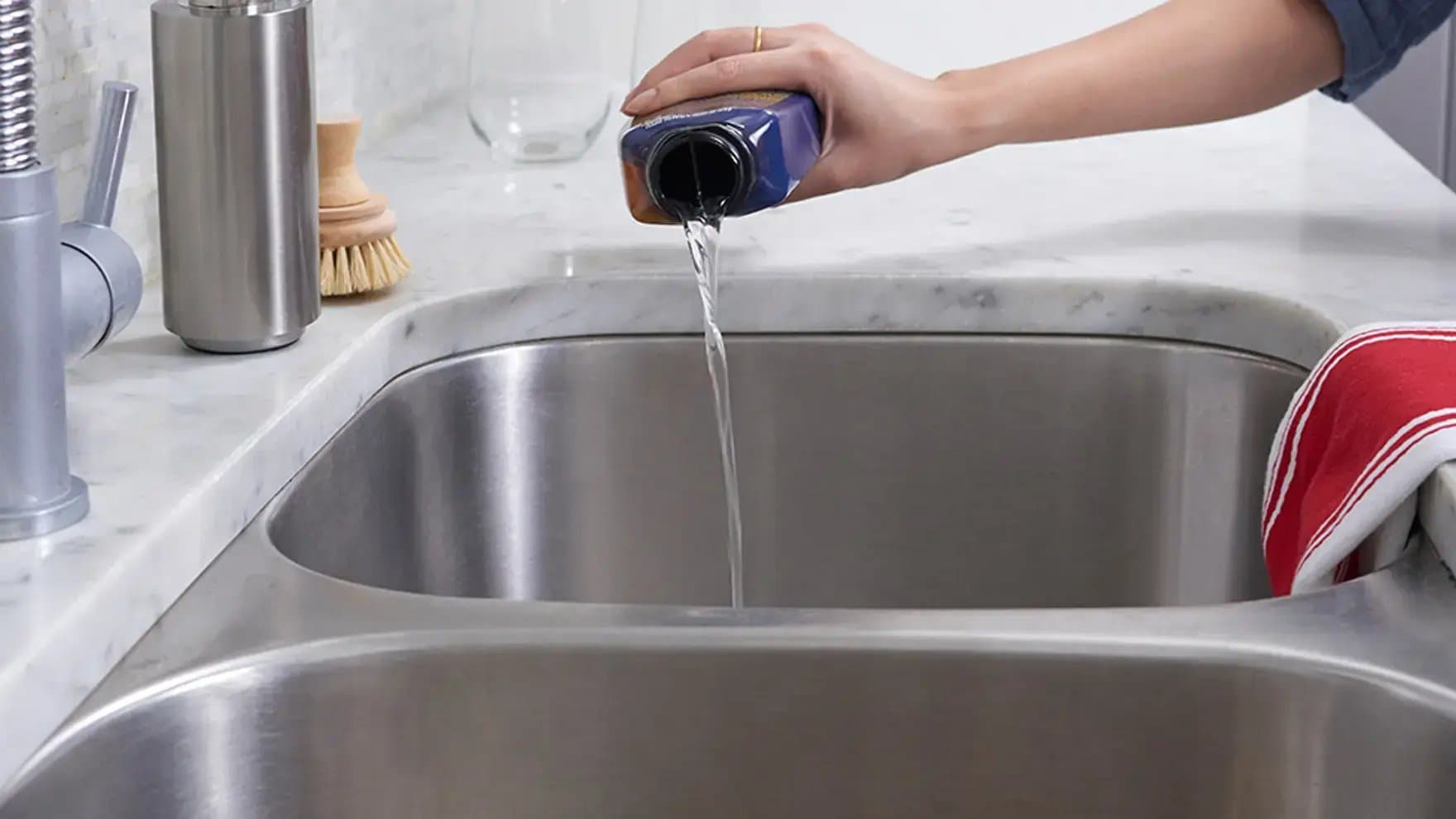
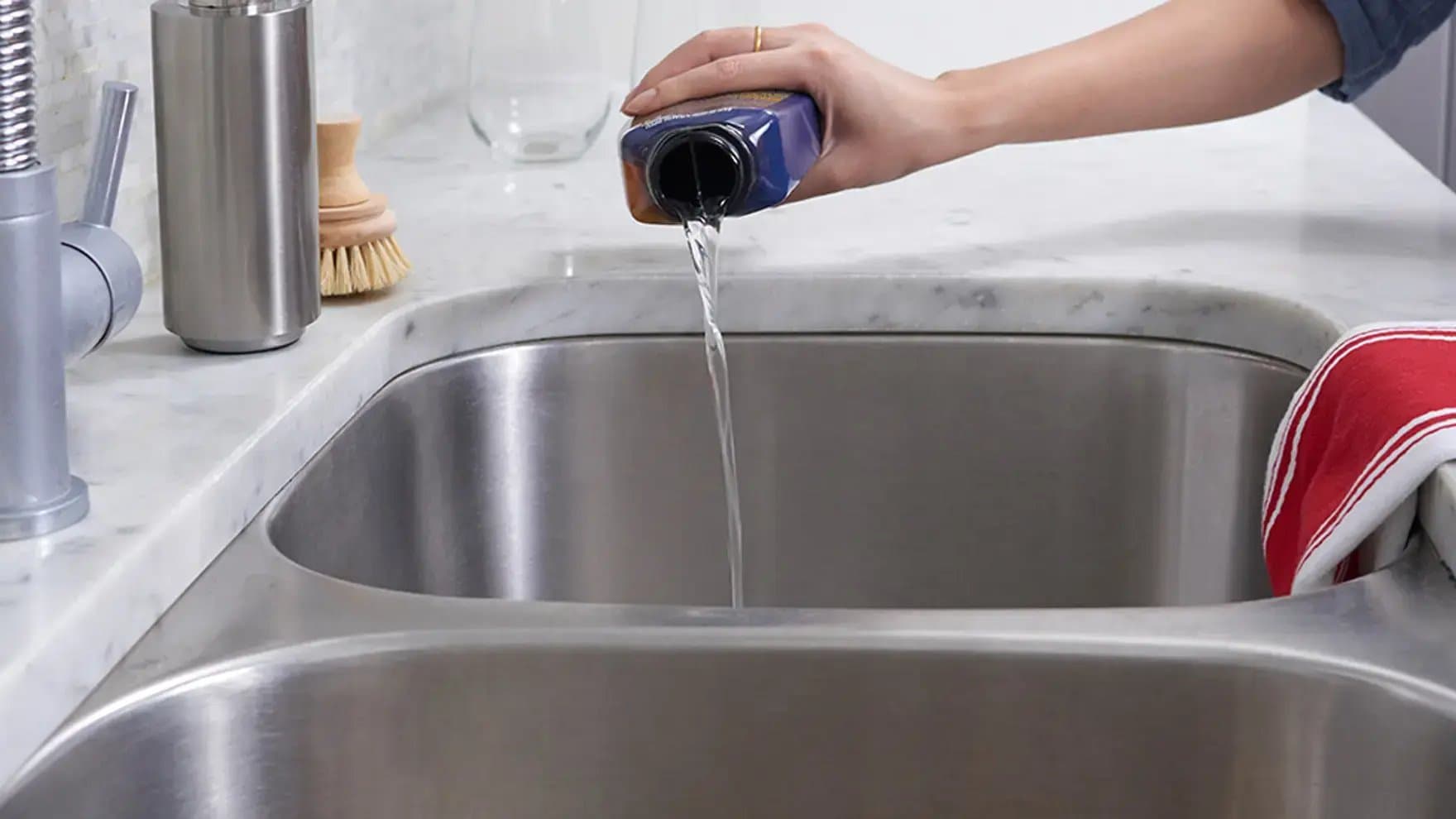
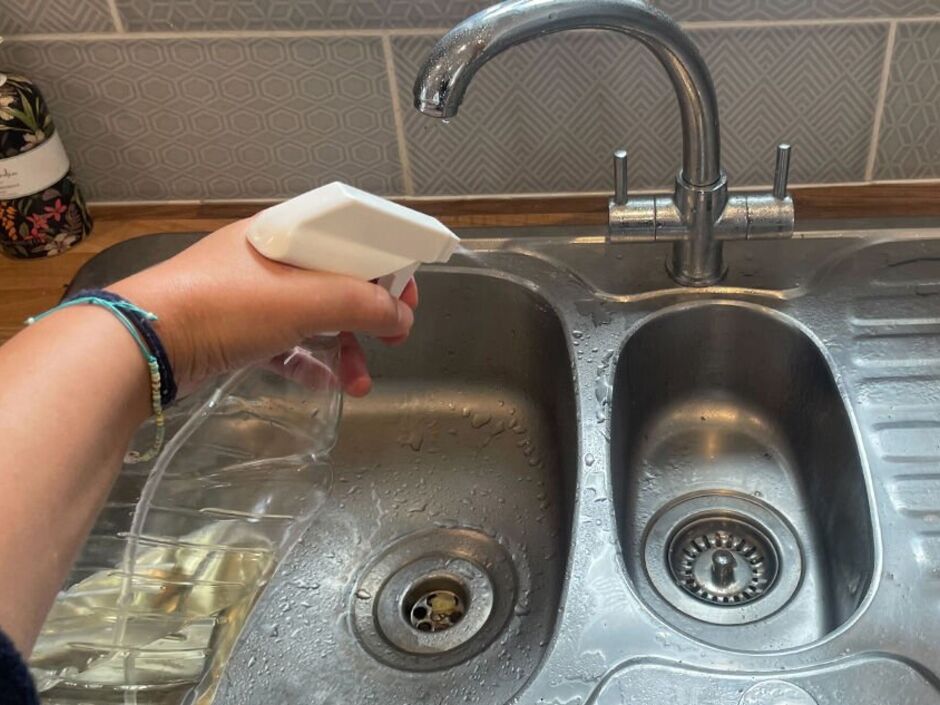
Clear kitchen drain pipes naturally using baking soda and vinegar. Pour half a cup of baking soda, then a cup of vinegar. Let the mixture fizz for 15 minutes. Rinse with hot water to wash away debris. Simple and effective.
Natural cleaning methods offer a safe way to maintain kitchen drain pipes. They use common household items that are gentle on the environment. These methods can prevent clogs and reduce odors. Plus, they are budget-friendly. Try these simple solutions to keep your drains clean.Baking Soda And Vinegar
Baking soda and vinegar are a powerful cleaning duo. First, pour half a cup of baking soda down the drain. Follow with one cup of vinegar. The mixture will fizz and bubble. This reaction helps break down grime and debris. Let it sit for at least 15 minutes. Then, flush the drain with hot water. This helps clear any remaining residue. Repeat monthly for best results.Salt And Hot Water
Salt and hot water can effectively clean your kitchen drain. Begin by pouring half a cup of salt down the drain. Use regular table salt for this purpose. Boil a pot of water. Carefully pour the hot water over the salt. The heat dissolves grease and other materials. This method is simple yet effective. It also helps eliminate odors. Use this method weekly to prevent buildup.Chemical Cleaners
Chemical cleaners effectively unclog kitchen drain pipes, dissolving grease and debris buildup. Pour cleaner down the drain, wait, then flush with hot water. Ensure good ventilation when using these products for safety.
Cleaning kitchen drain pipes can be a daunting task, especially when stubborn clogs resist traditional methods. Chemical cleaners offer a potent solution for dissolving tough blockages and restoring smooth flow. However, choosing the right product and applying it correctly can make all the difference between success and a lingering problem.Choosing The Right Product
When faced with a clogged drain, selecting a chemical cleaner that suits your needs is crucial. Not all products are created equal, and some are specifically designed for kitchen use, tackling grease and food particles effectively. Look for cleaners labeled as safe for kitchen drains to avoid any damage to your pipes. Consider the type of clog you’re dealing with. For instance, if grease is the main culprit, a product with enzymes that break down fats might be your best bet. Always read the labels and choose a product that aligns with your specific issue. Pay attention to the safety instructions on the packaging. Some cleaners can be harsh on your skin or emit strong fumes, so prioritize your safety by choosing products that minimize these risks.Application Tips
Proper application of chemical cleaners is key to their effectiveness. Start by reading the instructions carefully—each product might have unique steps or precautions. Usually, you’ll need to pour the cleaner directly into the drain and let it sit for a specified time. Ensure the kitchen is well-ventilated to avoid inhaling any harmful fumes. Open windows or use a fan to keep the air circulating while you work. After the recommended time, flush the drain with hot water to clear away the dissolved debris. This step is crucial for ensuring that the clog is fully eliminated and the pipes are left clean. If you’re like me, you might feel a bit impatient waiting for the solution to work. Use this time to tackle another small chore or prepare a cup of tea. It’s a great way to maximize productivity while the cleaner does its job. Remember, chemical cleaners should be used sparingly and not as a regular maintenance tool. Over-reliance can damage your pipes, so consider them a last resort for particularly stubborn blockages. What are your thoughts on using chemical cleaners versus natural methods?Using A Plunger
Using a plunger is effective for cleaning kitchen drain pipes. Place the plunger over the drain and push down firmly. Repeat the motion until the blockage clears.
Clearing a clogged kitchen drain can be a daunting task, but using a plunger effectively can often provide a quick fix. This simple tool is a staple in many homes and can save you from calling a plumber. Understanding the proper technique and knowing when to use a plunger can make all the difference in maintaining a clean and functional kitchen.Proper Technique
Start by ensuring that your plunger has a good seal over the drain. This is crucial for creating the necessary suction. Fill the sink with enough water to cover the plunger cup. This added water creates pressure that helps push the blockage through the pipe. Grip the plunger handle firmly, then push down and pull up with quick, forceful movements. Do this several times to dislodge any debris. You may need to repeat the process a few times to see results. If you have a double sink, make sure to plug the other drain with a wet cloth to maintain pressure. It’s a small step that can significantly increase the effectiveness of your plunging.When To Use
A plunger is most effective for clogs caused by food particles or small items stuck in the pipe. If you notice water draining slowly or pooling in your sink, it’s time to reach for the plunger. It’s a good first step before trying more invasive methods like chemicals or calling a professional. However, if the clog is due to grease build-up or more severe blockages, a plunger might not be sufficient. Using a plunger is also a wise choice if you prefer eco-friendly solutions, avoiding harsh chemicals that can harm pipes and the environment. Have you ever had a moment where a simple tool like a plunger saved the day?Snaking The Drain
Snaking the drain is a hands-on method for tackling stubborn clogs in your kitchen. If you’ve tried the usual tricks like hot water and baking soda and still find yourself staring at a slow drain, it’s time to bring out the snake. This tool, available in manual and power versions, can be your kitchen’s best friend in maintaining a free-flowing drain.
Manual Drain Snake
A manual drain snake is your go-to when dealing with minor blockages. It’s a simple tool that requires a bit of elbow grease but can effectively break through clogs. The snake, with its flexible coil, allows you to reach deep into the pipes.
- Insert the snake into the drain until you feel resistance.
- Rotate the handle, applying gentle pressure to push through the clog.
- As you pull the snake out, twist it to help grab any debris.
It’s a straightforward process that can save you from costly plumbing services. Have you ever wondered how much you could save by learning this simple technique?
Power Auger
If the manual snake doesn’t quite cut it, a power auger might be your next best option. This tool is perfect for stubborn clogs that refuse to budge with manual effort. With its motorized function, the power auger can tackle serious blockages with ease.
- Set the auger to the appropriate power level for your drain.
- Feed the cable into the pipe, letting the motor do the hard work.
- Once the clog is cleared, retract the cable carefully.
Using a power auger can make you feel like a pro plumber without the hefty bill. But remember, always follow safety instructions to avoid damaging your pipes. Are you ready to take your drain cleaning skills to the next level?
Preventing Future Clogs
Preventing future clogs in your kitchen drain pipes is essential. Regular care keeps your kitchen running smoothly. Simple habits can save time and money on repairs. Consider these strategies to maintain a clog-free kitchen.
Regular Maintenance
Regular maintenance helps keep your drains clear. Use hot water weekly to flush out debris. This melts away greasy build-up. Baking soda and vinegar can also help. Pour baking soda into the drain. Follow with vinegar. Let it sit for 15 minutes, then rinse with hot water. This method cleans naturally and safely.
Safe Disposal Practices
Proper disposal practices prevent clogs. Avoid pouring grease down the drain. Grease hardens and blocks pipes. Use a jar or container for leftover grease. Dispose of it in the trash. Dispose of food scraps responsibly. Use a compost bin or trash can. Never force large food items down the drain. They can cause serious blockages.
When To Call A Professional
Complex clogs or persistent drainage issues may need a professional’s expertise. Their skills ensure thorough cleaning and prevent future blockages. Choose professional help if DIY methods fail repeatedly.
Cleaning kitchen drain pipes can sometimes be a daunting task. While DIY methods often solve minor clogs, there are times professional help is essential. Ignoring these signs might lead to bigger plumbing issues. Knowing when to reach out to an expert can save time and money. It ensures your kitchen runs smoothly without disruptions.Persistent Clogs
If clogs keep returning, it’s time to call a professional. Recurring blockages may indicate a deeper issue. A plumber can diagnose and fix the problem effectively.Water Backing Up
Water backing up in the sink is a major concern. This indicates a serious blockage. Professionals have the tools to clear tough clogs. They ensure your pipes flow smoothly.Unpleasant Odors
Foul smells from your drain are not normal. They could signal a buildup of waste or bacteria. A plumber can clean and disinfect your pipes thoroughly.Noisy Pipes
Gurgling or loud pipes suggest air trapped in the system. This is a sign of a blockage or broken pipe. A professional can identify and repair the issue quickly.Slow Drainage
If water drains slowly despite your efforts, seek professional help. Slow drainage can point to a significant blockage. A plumber can use advanced techniques to clear the pipes.Visible Leaks
Leaks under the sink need immediate attention. They can lead to water damage if ignored. A professional can pinpoint the leak’s source and fix it promptly.Frequently Asked Questions
How Do I Get Rid Of Sludge In My Kitchen Pipes?
Pour a mixture of baking soda and vinegar down the drain. Wait 15 minutes, then flush with hot water. Use a plunger to dislodge remaining sludge. Regularly clean with enzyme-based drain cleaners to prevent buildup. Avoid pouring grease down the sink to minimize future sludge formation.
How Do I Clean My Kitchen Drain Pipe?
Pour boiling water down the drain. Use a mixture of baking soda and vinegar. Let it sit for 15 minutes. Rinse with hot water. Use a plunger if needed. Repeat monthly for maintenance.
What Will Dissolve Hair In A Drain?
Use baking soda and vinegar to dissolve hair in a drain. Pour boiling water afterward for better results. Commercial drain cleaners containing chemicals like lye can also help dissolve hair effectively. Always follow safety instructions when using chemical solutions to prevent harm to pipes and skin.
What Do Plumbers Recommend To Unclog Drains?
Plumbers often recommend using a plunger or a mixture of baking soda and vinegar to unclog drains. They also suggest using a drain snake for stubborn clogs. Avoid chemical drain cleaners, as they can damage pipes. Regular maintenance and avoiding debris in drains can prevent future clogs.
Conclusion
Keeping kitchen drain pipes clean is crucial for a healthy home. Regular maintenance prevents clogs and ensures smooth water flow. Use baking soda and vinegar for effective cleaning. Avoid harsh chemicals that can damage pipes. Remember to clean strainers and stoppers often.
Simple habits make a big difference. Check for leaks and fix them quickly. Don’t forget to run hot water after each use. These steps help maintain clean, efficient drains. A little effort keeps your kitchen clean and smelling fresh. Stay consistent for the best results.
Enjoy a hassle-free cooking experience!

Similar Posts