How to Clean Kitchen Sink Drain: Expert Tips & Tricks
Are you tired of that unpleasant smell wafting from your kitchen sink? Or perhaps the water just isn’t draining as quickly as it used to.
It’s easy to overlook, but your kitchen sink drain plays a crucial role in keeping your kitchen clean and functional. When it gets clogged or starts smelling, it can disrupt your daily routine. You might feel a bit overwhelmed at the thought of tackling this mess, but don’t worry—cleaning your kitchen sink drain is easier than you think.
We’ll show you simple, effective ways to restore your drain to its former glory. Imagine the satisfaction of a fresh-smelling kitchen where everything works smoothly. Stick around, and you’ll discover how to achieve just that with a few easy steps.
Identifying Clogs
Identifying clogs in your kitchen sink drain is crucial for maintaining a clean and efficient kitchen. A clogged drain can lead to unpleasant odors and slow drainage. Recognizing the signs early can help you tackle the issue before it becomes a bigger problem.
Common Signs Of Blockage
There are several indicators of a clogged drain. Here are some common signs:
- Slow water drainage in the sink.
- Unpleasant odor emanating from the drain.
- Gurgling sounds when water is flowing.
- Water backup in the sink basin.
Causes Of Clogged Drains
Understanding what causes clogs can prevent future issues. Here are common causes:
- Food particles stuck in the drain.
- Grease buildup over time.
- Soap scum and residue accumulation.
- Foreign objects accidentally dropped down the drain.
Gathering Supplies
Gather essential items like baking soda, vinegar, and a scrub brush for cleaning the kitchen sink drain. These supplies help remove buildup and keep your drain fresh. Ensure you have a towel and gloves to protect your hands during the cleaning process.
Cleaning a kitchen sink drain can seem like a daunting task. But, with the right supplies, it becomes manageable. Before starting, gather all necessary items. This ensures a smooth and efficient cleaning process.Essential Tools
A few basic tools are essential for this task. A plunger helps remove minor blockages. A wire brush or old toothbrush cleans hard-to-reach areas. A flashlight aids in inspecting the drain. A pair of rubber gloves keeps your hands clean and protected.Natural Cleaning Agents
Natural agents are effective and eco-friendly. Baking soda and vinegar work wonders together. Lemon juice provides a fresh scent and natural cleaning power. Salt can help scrub away stubborn grime. Keep these items handy to tackle the drain effectively.Using Baking Soda And Vinegar
Cleaning your kitchen sink drain is easy with baking soda and vinegar. Pour baking soda into the drain, then add vinegar to create fizz. This helps break down clogs and removes odors naturally.
Cleaning a kitchen sink drain can be simple with baking soda and vinegar. These household items are powerful cleaning agents. They are natural and eco-friendly. This method is easy and effective. It helps to remove grime and odors. Let’s dive into the process.Mixing The Solution
Start by gathering baking soda and vinegar. Measure half a cup of baking soda. Pour it into a small bowl. Then, measure one cup of white vinegar. Keep it separate for now. The combination works wonders. Baking soda is a mild abrasive. Vinegar is acidic. Together, they break down debris. This prepares the solution for the next step.Applying The Mixture
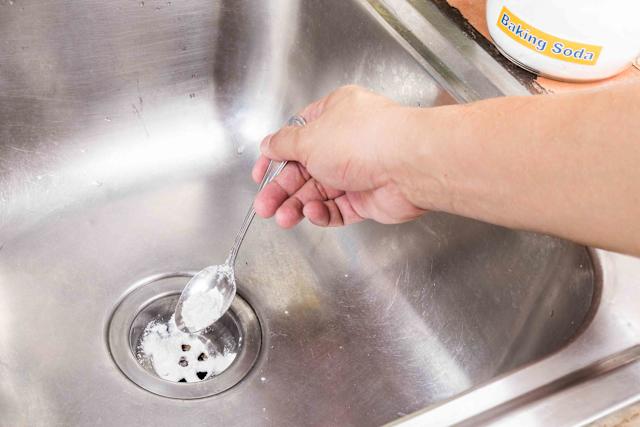
First, sprinkle baking soda into the drain. Make sure it covers the area well. Next, pour vinegar over the baking soda. Watch as it fizzes and bubbles. The reaction helps loosen dirt. Let it sit for 15 minutes. This allows the mixture to work its magic. Afterward, rinse with hot water. This clears away loosened grime. Repeat if necessary for tough stains. Your sink drain will be fresh and clean.
Credit: www.youtube.com
Plunging The Drain
Plunging the drain is a simple way to clean your kitchen sink. Use a plunger to loosen clogs and improve water flow. Regular maintenance keeps your sink fresh and functional.
Cleaning a kitchen sink drain can be a daunting task. A clogged drain disrupts daily routines. One effective solution is plunging the drain. This method clears stubborn blockages with minimal effort. Let’s explore how to plunge effectively.Choosing The Right Plunger
Select a plunger suited for kitchen sinks. The best type has a flat, wide rim. This design creates a strong seal on flat surfaces. Avoid toilet plungers with a flange. They don’t seal well on kitchen sinks.Effective Plunging Techniques
Fill the sink with a few inches of water. This water helps create suction. Place the plunger over the drain. Ensure the plunger covers the drain completely. Push the plunger down, then pull up sharply. Repeat this motion rapidly. Keep the plunger submerged for best results. This action should dislodge the blockage. Check if water drains smoothly. Repeat if necessary, until the drain is clear.Using A Drain Snake
Using a drain snake effectively can clear stubborn clogs in your kitchen sink drain. Insert the snake into the drain, gently turning the handle to break up debris. This method is simple and keeps your sink flowing smoothly.
Cleaning your kitchen sink drain can sometimes feel like a never-ending battle against stubborn clogs. A drain snake is an excellent tool to help you conquer these challenges and keep your sink flowing smoothly. It’s a handy device that can reach deep into the pipes, dislodging whatever’s causing the blockage. If you’ve never used a drain snake before, don’t worry—it’s simpler than it sounds and can save you a call to the plumber.Operating A Drain Snake
To effectively use a drain snake, start by inserting the coil into the drain. Feed the snake slowly into the pipe, turning the handle to help it move through the curves. Feel for resistance, which indicates you’ve reached the clog. Once you hit the blockage, twist the snake to break it up. This action can often dislodge the clog, allowing the water to flow freely again. Don’t rush; patience is key. Consider a moment when you had to deal with a particularly stubborn clog. What methods did you try before discovering the drain snake? This tool can be a game-changer in such situations.Removing Stubborn Clogs
Sometimes, clogs are more persistent. For these, gently push the snake further into the drain. You may need to retract and reinsert the snake several times to fully dislodge the clog. Think about why the blockage is happening. Is it a build-up of food particles or perhaps grease that’s hardened over time? Understanding the cause can help you prevent future issues. If the clog doesn’t budge, try adding a little hot water. This can soften the blockage, making it easier for the snake to break it up. How often do you clean your drain to prevent such occurrences? Regular maintenance can save you from dealing with tough clogs in the future.
Credit: katieskottage.com
Preventive Measures
Prevent clogs by regularly clearing debris from your kitchen sink drain. Use hot water and baking soda to dissolve buildup. Ensure proper drainage with routine checks to keep your sink flowing smoothly.
Preventive measures are the key to maintaining a clean and efficient kitchen sink drain. By taking simple steps regularly, you can avoid the hassle of dealing with clogged drains and unpleasant odors. Let’s dive into some practical strategies to keep your kitchen sink drain in top shape.Regular Cleaning Routine
A consistent cleaning routine can save you from future headaches. Consider setting a weekly schedule to clean your sink drain thoroughly. Use baking soda and vinegar to clear minor blockages and neutralize odors. Another effective method is to pour boiling water down the drain to dissolve any grease buildup. A quick scrub with a brush can prevent food particles from accumulating. Don’t underestimate the power of routine. Over time, these small actions can make a big difference in keeping your drain free-flowing.Avoiding Common Mistakes
It’s easy to fall into habits that can lead to clogged drains. Are you guilty of pouring coffee grounds or oil down the sink? These items are notorious for causing blockages. Instead, dispose of coffee grounds in the trash and collect used oil in a container for proper disposal. Be mindful of what you rinse down the drain after meals. Another common mistake is using chemical drain cleaners too often. While they can be effective, frequent use can damage your pipes. Opt for natural cleaning solutions whenever possible. Consider these small changes to prevent drain issues before they start. What habits could you adjust today to ensure a smoother kitchen experience?When To Call A Professional
The kitchen sink drain can experience stubborn blockages. Sometimes, basic cleaning methods don’t work. Knowing when to call a professional can save time and stress.
Recognizing Severe Blockages
Water drains slowly or not at all. You hear gurgling noises. Unpleasant odors linger even after cleaning. These are signs of a severe blockage. If plunging doesn’t help, the problem might be deeper.
Benefits Of Professional Help
Professionals have specialized tools. They can detect issues you might miss. They provide a thorough cleaning, ensuring the problem doesn’t recur soon. This prevents further damage and costly repairs.

Credit: www.express.co.uk
Frequently Asked Questions
What Is The Best Way To Clean A Smelly Kitchen Sink Drain?
Pour a mixture of baking soda and vinegar down the drain. Let it fizz for 15 minutes. Rinse with hot water. Repeat weekly to prevent odors.
How To Get Rid Of Brown Gunk In Sink Drain?
Pour baking soda down the drain, followed by vinegar. Let it sit for 15 minutes. Rinse with hot water. Use a brush to scrub remaining residue. Repeat if necessary for stubborn gunk. Regular maintenance prevents build-up. Keep the sink clean for optimal drainage.
Should You Pour Vinegar In A Sink Drain?
Yes, pouring vinegar in a sink drain is safe. It helps clean and deodorize. Use it with baking soda for better results. Avoid using too much to prevent damage to pipes. Regular use keeps drains clear and fresh.
Do Baking Soda And Vinegar Clean Kitchen Drains?
Baking soda and vinegar can effectively clean kitchen drains. These natural ingredients break down grime and eliminate odors. Pour baking soda followed by vinegar, let it fizz, then rinse with hot water for best results. This eco-friendly method is safe and easy for maintaining clear, fresh-smelling drains.
Conclusion
Keeping your kitchen sink drain clean is essential. It prevents clogs and odors. Use simple methods regularly. Baking soda and vinegar work well. Boiling water helps too. A clean drain improves kitchen hygiene. It also extends the life of your plumbing.
Consistent maintenance saves you time and money. Don’t wait for a problem to occur. Regular cleaning keeps things running smoothly. Enjoy a fresh and functional kitchen. Happy cleaning!