How to Clean Kitchen Towels: Expert Tips for Freshness
Ever notice how your kitchen towels lose their fresh feel and vibrant color over time? You’re not alone.
Kitchen towels are the unsung heroes of our homes, battling spills, stains, and everything in between. But if not properly cleaned, they can become breeding grounds for bacteria. This guide is here to help you keep them looking, feeling, and smelling as good as new.
Imagine the satisfaction of pulling out a spotless, fresh-smelling towel every time you reach for one. Intrigued? Keep reading to discover easy, effective ways to clean your kitchen towels and ensure they always serve their purpose with style and hygiene.

Credit: www.instagram.com
Choosing The Right Detergent
Choosing the right detergent is crucial for keeping kitchen towels clean. Detergents must effectively remove stains, grease, and odors. Some detergents can harm the fabric or irritate the skin. Picking the right one ensures long-lasting, fresh towels.
Eco-friendly Options
Eco-friendly detergents are gentle on the environment. They contain natural ingredients that break down easily. These detergents are often free from harsh chemicals. They are safe for both your skin and the planet. Consider brands that use plant-based formulas. Many offer biodegradable packaging, reducing waste. This choice supports sustainability and keeps your towels fresh.
Avoiding Fabric Softeners
Fabric softeners can leave residues on towels. These residues can reduce absorbency. They might also cause unwanted buildup. Avoiding softeners helps maintain towel quality. Instead, try using vinegar in the rinse cycle. Vinegar can naturally soften fabrics. It also helps remove odors without leaving residues. Keeping towels absorbent and soft is simple.

Credit: www.goodhousekeeping.com
Pre-treating Stains
Pre-treating stains is essential for keeping kitchen towels clean. Gently rub a stain remover on the affected area before washing. This helps lift stubborn stains, ensuring towels look fresh and last longer.
Pre-treating stains on kitchen towels is a crucial step in maintaining their cleanliness. Kitchen towels are workhorses in any home. They deal with spills, splatters, and stains daily. Addressing stains promptly ensures your towels stay fresh and last longer. Let’s explore how to effectively pre-treat these stains.Common Kitchen Stains
Kitchen towels encounter various stains. Some of the most common include:- Oil and grease
- Tomato sauce
- Coffee and tea
- Wine
- Fruit juices
- Food dyes
Effective Pre-treatment Methods
Addressing stains immediately is key. Here are some effective methods:- Soak oily stains in hot water with dish soap.
- Use white vinegar for tomato and wine stains.
- Dab coffee stains with a mix of water and baking soda.
- Treat fruit juice stains with lemon juice.
- For food dyes, use a paste of baking soda and water.
Washing Techniques
Keeping kitchen towels fresh and clean is crucial for maintaining hygiene in your cooking space. Understanding the right washing techniques can make a significant difference. It’s all about choosing the right water temperature, cycle selection, and ensuring your towels come out spotless and ready for the next culinary adventure.
Ideal Water Temperature
Water temperature plays a vital role in effectively cleaning kitchen towels. Hot water is excellent for killing bacteria and removing stubborn stains. However, if your towels are made from delicate materials, opt for warm water to prevent damage. Have you considered the impact of cold water? It’s gentle on colors and fabrics, though it might not be as effective in removing grease and grime.
Cycle Selection
Choosing the right wash cycle is equally important. Towels often need a heavy-duty cycle to eliminate dirt and odors. But, if your towels are lightly soiled, a regular cycle might suffice. Ever wondered why your towels sometimes come out stiff? The spin cycle might be too aggressive. Adjust it to ensure your towels remain soft and absorbent.
Drying Methods
Drying kitchen towels properly ensures they stay fresh and last longer. The right drying methods can prevent unpleasant odors and mildew. Learn the best techniques to keep your towels in top condition.
Air Drying Vs. Machine Drying
Air drying is a simple, energy-saving method. Hang towels on a line or rack. Ensure good airflow around them. This method helps maintain fabric quality. It also reduces wear and tear. On the other hand, machine drying is faster. Use a low heat setting to protect the fibers. High heat can damage towels and reduce their lifespan. Machine drying makes towels fluffy, enhancing their softness.
Preventing Mildew
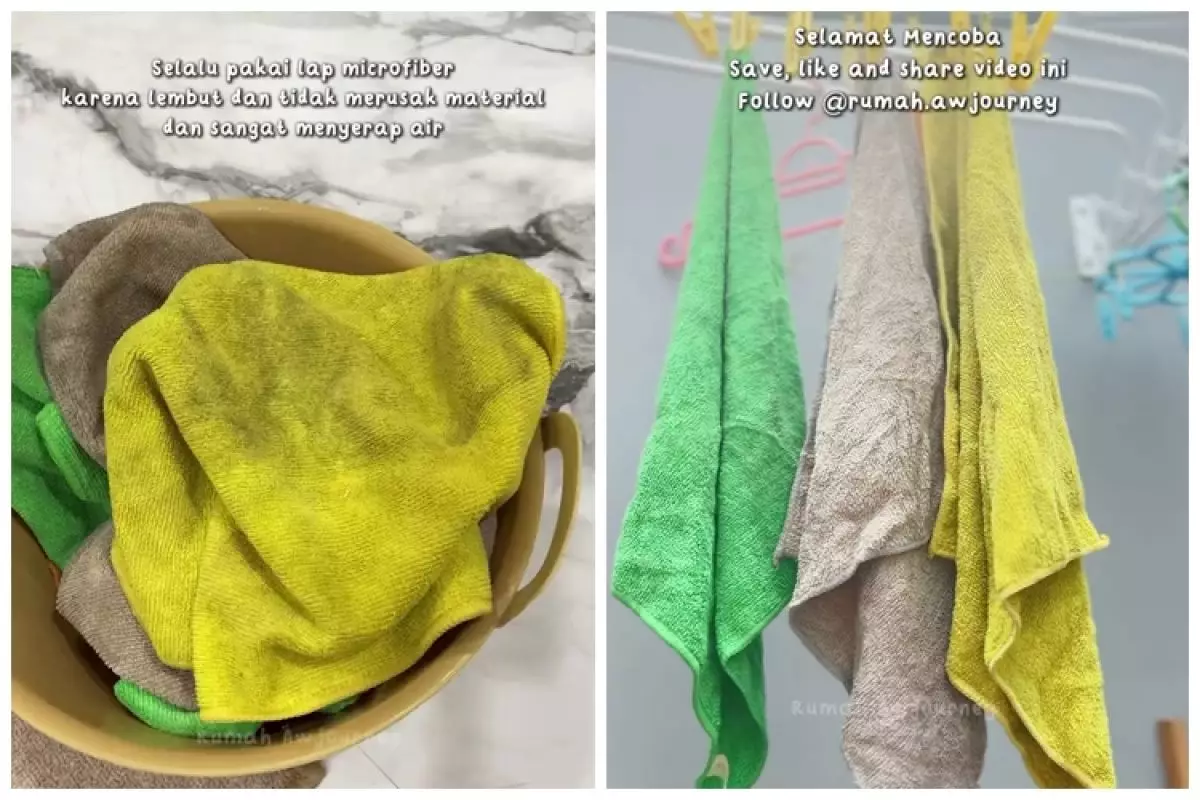
Mildew can develop on damp towels. Dry towels quickly to avoid it. Never leave them in a heap. Spread them out after washing. Proper ventilation is crucial. Ensure your drying area has good airflow. Sunlight helps kill mildew spores. If possible, dry towels outside. For machine drying, remove towels promptly. Don’t let them sit in a damp drum. This simple step helps prevent mildew growth.
Maintaining Freshness
Maintaining freshness in kitchen towels is essential for a clean kitchen. Fresh towels not only look good but also prevent bacteria buildup. Follow these simple steps to keep your kitchen towels fresh and pleasant-smelling.
Storage Tips
Proper storage helps in maintaining towel freshness. Ensure towels are completely dry before storing. Damp towels can develop odors quickly. Roll or fold them neatly to allow air circulation. Use a designated drawer or shelf for towel storage. Consider adding a scented sachet for a pleasant aroma.
Regular Cleaning Schedule
Establish a regular cleaning schedule to prevent odor and stains. Wash towels after two or three days of use. Use hot water and a quality detergent. This helps to kill bacteria effectively. Avoid using fabric softeners; they reduce towel absorbency.
For stubborn stains, pre-treat with a stain remover. Occasionally, add baking soda or vinegar during washing. This boosts cleaning power and freshness. Dry towels thoroughly after washing. Use a dryer or hang them in sunlight.
Dealing With Odors
Cleaning kitchen towels is essential for removing stubborn odors. Soak towels in hot water mixed with vinegar to neutralize smells. Washing with baking soda can also help eliminate lingering scents effectively.
Dealing with odors in kitchen towels can be challenging. Stubborn smells often linger despite regular washing. Odors arise from trapped bacteria, food particles, and moisture. Addressing these effectively involves using specific methods.Natural Deodorizing Solutions
Natural solutions can remove unpleasant smells. Baking soda is a versatile option. Sprinkle it on damp towels before washing. It neutralizes odors efficiently. Vinegar is another powerful deodorizer. Add a cup to the wash cycle. It breaks down odor-causing bacteria. Lemon juice offers a fresh scent and disinfects. Mix lemon juice with water and soak towels. Sun drying enhances natural deodorizing. UV rays kill bacteria and freshen fabrics.Deep Cleaning Techniques
Deep cleaning tackles persistent odors. Boiling towels is effective. Submerge them in boiling water for ten minutes. This kills bacteria and loosens grime. Use a heavy-duty detergent for thorough cleansing. Choose products designed for tough stains and smells. A vinegar soak can be beneficial. Let towels soak overnight in vinegar and water. This removes deep-seated odors. Oxygen bleach revitalizes and deodorizes. Mix with water and soak towels for an hour. It lifts stains and refreshes fabric.When To Replace Towels
Kitchen towels are essential for maintaining cleanliness. Over time, they endure significant use and wear. Knowing when to replace them ensures hygiene and efficiency. Old towels may harbor bacteria, affecting their cleaning ability. Regular inspection helps maintain a healthy kitchen environment.
Signs Of Wear And Tear
Look for these signs to identify worn-out towels:
- Frayed edges and loose threads.
- Permanent stains that do not wash out.
- Foul odors even after washing.
- Thin spots or holes in the fabric.
- Loss of absorbency or softness.
Maximizing Longevity
To extend towel life, follow these tips:
- Wash towels separately from clothes.
- Avoid using fabric softeners.
- Use warm water to kill germs.
- Ensure towels are completely dry before storing.
- Rotate towels to distribute wear evenly.
Credit: en.brilio.net
Frequently Asked Questions
What Is The Best Way To Wash Kitchen Towels?
Wash kitchen towels in hot water with mild detergent. Avoid fabric softeners to maintain absorbency. Dry thoroughly on high heat. Regularly sanitize towels using vinegar or baking soda. Sort towels by color and fabric type to prevent damage. Always check care labels for specific instructions.
Is It Better To Wash Towels With Vinegar Or Baking Soda?
Use vinegar to soften towels and eliminate odors. Baking soda helps remove tough stains and maintain freshness. Both are effective, but vinegar is better for softening, while baking soda excels at stain removal. Use them individually or together for optimal results.
How To Deep Clean Kitchen Cloths?
Start by soaking kitchen cloths in hot water mixed with vinegar and baking soda for 30 minutes. Then, wash them in the washing machine on a hot cycle with detergent. Air dry or use a dryer for best results. This process helps remove stains and odors effectively.
How To Brighten Dingy Dish Towels?
Soak dish towels in hot water with vinegar and baking soda for 30 minutes. Wash with detergent. Dry in sunlight.
Conclusion
Keeping kitchen towels clean is simple and important. Clean towels keep your kitchen safe and fresh. Wash them regularly to remove dirt and germs. Use hot water and mild detergent for best results. Dry them completely to prevent mold. Separate towels by color to avoid stains.
Store them in a dry place. Clean towels help with cooking and cleaning. Follow these steps to maintain their quality. Your kitchen will be cleaner and healthier. A little care goes a long way. Remember, fresh towels mean a happy kitchen!