How to Clean My Kitchen Sink Drain: Easy DIY Guide
Is your kitchen sink drain giving off unpleasant odors or draining slower than usual? It might be time for a little cleaning TLC.
A clogged or smelly drain isn’t just an inconvenience; it can also be a breeding ground for bacteria and germs. But don’t worry – cleaning your kitchen sink drain doesn’t have to be a daunting task. Imagine the satisfaction of running the tap and watching the water swirl down effortlessly, leaving no trace behind.
In this guide, you’ll discover simple, effective methods to clean your kitchen sink drain using everyday items you probably already have at home. Say goodbye to those pesky odors and blockages, and hello to a fresher, cleaner kitchen. Let’s dive in and get your sink back in tip-top shape!
Credit: www.familyhandyman.com
Tools And Materials Needed
Gather baking soda, vinegar, a toothbrush, and boiling water. Wear gloves for safety and have a small bowl handy. These materials effectively clean and unclog kitchen sink drains.
Cleaning your kitchen sink drain requires the right tools and materials. Having these essentials on hand makes the job easier and more effective. Get ready to tackle that stubborn drain with confidence.Tools You Will Need
- Plunger: Helps remove blockages.
- Wrench: Useful for loosening pipes.
- Bucket: Catches water and debris.
- Pipe brush: Scrubs inside the drain.
Materials Required
- Baking soda: Natural cleaner and deodorizer.
- White vinegar: Breaks down grime.
- Hot water: Flushes out residue.
- Rubber gloves: Protects your hands.
Optional Supplies
- Drain snake: Reaches deep clogs.
- Lemon juice: Adds a fresh scent.
- Bleach: Disinfects the area.
Safety Precautions
Ensure proper ventilation while cleaning the kitchen sink drain. Wear gloves to protect your hands from harsh chemicals. Keep cleaning supplies out of reach of children and pets.
Cleaning your kitchen sink drain can be a straightforward task. Yet, it’s important to prioritize safety. Proper safety precautions ensure you avoid accidents or injuries. These precautions protect not only you but your plumbing too. Let’s explore some essential safety measures.Wear Protective Gloves
Always wear gloves to protect your hands. Gloves prevent skin irritation from harsh chemicals. They also guard against sharp objects in the drain.Use Eye Protection
Eye protection is crucial when using cleaning agents. Splashes can cause serious eye damage. Safety goggles are a smart choice.Ventilate The Area
Ensure good ventilation when using chemical cleaners. Open windows and doors. Fresh air reduces inhalation of harmful fumes.Read Product Labels
Always read labels before using drain cleaners. Follow instructions carefully. This prevents misuse and potential harm.Avoid Mixing Chemicals
Never mix different cleaning products. Mixing can create dangerous fumes. Stick to one product at a time.Keep Children And Pets Away
Ensure children and pets are not around during cleaning. Chemicals can be harmful if ingested. Keep cleaning supplies out of reach.Dispose Of Waste Properly
Dispose of any waste or debris responsibly. Use a trash bag for solid waste. Avoid flushing items down the drain.Initial Inspection
Keeping your kitchen sink drain clean is essential for a hygienic home. A regular inspection helps identify potential issues before they become problems. Start with an initial inspection to understand what’s happening beneath the surface. This will guide you in addressing any concerns effectively.
Checking For Blockages
Begin by examining the drain for visible blockages. Look for food scraps or debris that might be stuck. Use a flashlight for better visibility. If you spot anything, remove it carefully using a pair of tweezers or pliers. This step can prevent clogs and ensure smooth water flow.
Assessing Drain Condition
Next, evaluate the overall condition of the drain. Look for signs of wear and tear or rust around the edges. Check for any unusual odors, which might indicate trapped waste. Ensure the drain stopper is functioning properly. This assessment helps you determine if deeper cleaning or repairs are needed.

Credit: www3.drano.com
Removing Visible Debris
Begin by removing visible debris from the kitchen sink drain. Use a pair of tweezers or your hands to clear out food particles and residue. This simple step helps prevent clogs and keeps the drain flowing smoothly.
Cleaning your kitchen sink drain can often feel like a daunting task, especially when you notice visible debris gathering around the drain. However, addressing this issue can be simpler than it seems. Tackling visible debris not only helps prevent clogs but also keeps unpleasant odors at bay. So, let’s dive into some straightforward methods to eliminate these obstructions and maintain a fresh and efficient kitchen sink.Using A Wire Hanger
A wire hanger can be your best friend when it comes to removing stubborn debris from your sink drain. Start by unwinding a metal hanger until you have a long, straight piece with a small hook at the end. Carefully insert the hook into the drain to fish out any accumulated gunk. Be cautious and gentle to avoid scratching the sink or damaging the pipes. You might be surprised by the amount of debris you can pull out with this simple tool. Do you remember the last time you thought your sink was clean, only to find it full of unexpected items?Plunging The Drain
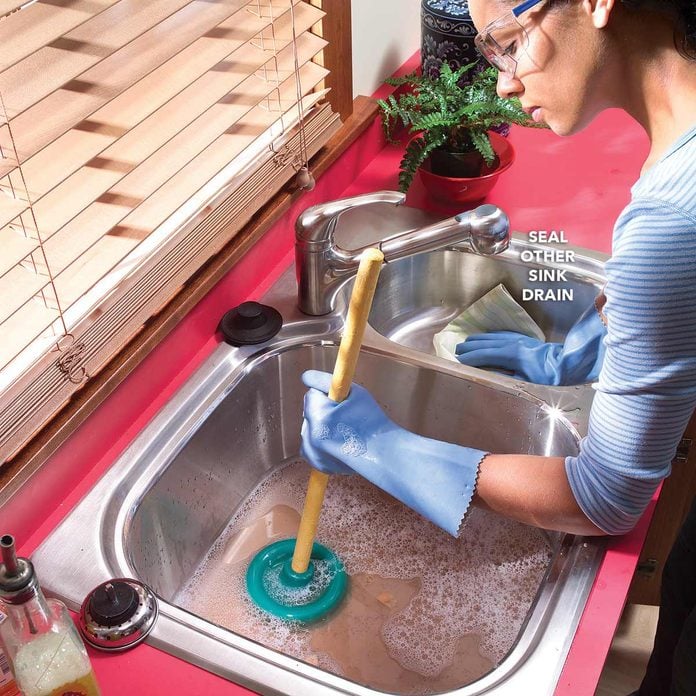
Plunging is another effective way to dislodge and remove visible debris from your kitchen sink drain. Grab a plunger and fill the sink with enough water to cover the plunger’s rubber cup. This creates a seal and helps in building suction. Firmly press the plunger over the drain, then push and pull vigorously several times. You might need to repeat this process a few times for the best results. Have you ever felt that sense of satisfaction when you hear that final gurgle indicating a clear drain? Both methods are simple yet effective strategies to combat visible debris and keep your kitchen sink functioning smoothly. So why not give them a try today and see the difference for yourself?Using Baking Soda And Vinegar
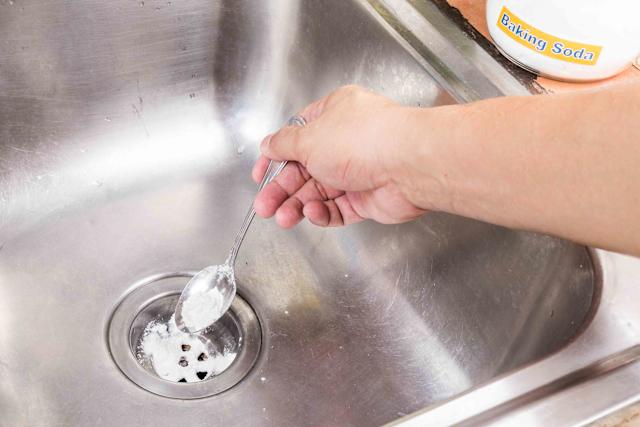
Clear your kitchen sink drain using baking soda and vinegar. Sprinkle baking soda down the drain, then pour vinegar. Let it fizz for a few minutes. Rinse with hot water to wash away residue and odors. This simple method keeps drains fresh and unclogged.
Cleaning your kitchen sink drain can seem daunting. But using baking soda and vinegar makes it simple. This natural method is safe, effective, and cost-efficient. It helps remove clogs and odors without harsh chemicals. Let’s explore the steps to clean your sink drain with these common household items.Mixing The Solution
Start by gathering your ingredients. You will need baking soda and white vinegar. Measure half a cup of baking soda and one cup of vinegar. Have a cup of boiling water ready for later. This combination will create a fizzing reaction. It helps dislodge debris and grime.Pouring And Waiting
Pour the baking soda into the drain first. Follow it with the vinegar. You will see bubbles forming. This is normal and means it’s working. Cover the drain with a plug or cloth. Let the mixture sit for 15 minutes. This time allows the solution to break down residues. After waiting, pour boiling water into the drain. This step will flush away loosened grime. Repeat the process if needed. This ensures your drain is thoroughly clean.Flushing With Boiling Water
Pour boiling water down the kitchen sink to remove grime. This method helps dissolve grease and food particles, keeping the drain clean and fresh. Repeat weekly for best results.
Flushing your kitchen sink drain with boiling water is a simple yet effective method. It helps to dissolve minor clogs and remove unpleasant odors. This easy practice can keep your kitchen sink running smoothly. Follow these steps to ensure a clean and fresh kitchen sink drain.Boiling Water Preparation
Start by boiling a pot of water on your stove. A kettle works well too. Ensure the pot or kettle has a handle for easy pouring. For safety, use a pot holder or oven mitt. This will protect your hands from steam and heat. Boil at least two quarts of water for optimal results.Rinsing The Drain
Once the water is boiling, carefully carry it to the sink. Slowly pour the hot water directly into the drain. This helps to melt away grease and debris. Allow the water to work its way through the pipes. Repeat the process if necessary. This ensures thorough cleaning and unclogging. Regular flushing keeps your drain fresh and clean.Using A Plumber’s Snake
A plumber’s snake can help clear clogs in your kitchen sink drain. Insert it slowly into the drain until resistance is felt, then turn the handle to break up the blockage. Remove the snake and run water to ensure the drain is clear.
Cleaning a kitchen sink drain can feel challenging. A plumber’s snake makes the task easier. It’s a handy tool for clearing tough clogs. This method is both effective and simple. Let’s learn how to use it.Inserting The Snake
First, remove the sink stopper. This gives you access to the drain. Then, slowly insert the plumber’s snake into the drain. Push it down gently. Keep feeding the snake until you feel resistance. This means it has reached the clog. Be patient and avoid rushing. Twisting the snake can help it navigate bends in the pipe.Clearing Stubborn Clogs
Once the snake reaches the clog, turn the handle. This action breaks up the blockage. Twist and push the snake back and forth. This will help dislodge stubborn debris. If needed, withdraw the snake slightly and reinsert. Repeat the process until the clog clears. Run hot water to flush away remaining debris. This ensures your drain is completely clear.Preventive Maintenance Tips
Regularly pour hot water down the drain to dissolve grease and buildup. Use baking soda and vinegar for a natural clean. Finish with a lemon rinse to maintain a fresh scent and prevent clogs.
Preventive maintenance keeps your kitchen sink drain free of clogs and odors. Simple habits can make your sink last longer and perform better. Let’s explore some practical tips to maintain your kitchen sink drain effectively.Regular Cleaning Routine
A regular cleaning routine prevents build-up in your sink drain. Start by pouring hot water down the drain weekly. This helps dissolve any grease or food particles. Use a mixture of baking soda and vinegar monthly. Pour half a cup of baking soda, followed by a cup of vinegar. Let it sit for 15 minutes, then flush with hot water. This natural method helps keep your drain clean and fresh.Avoiding Common Mistakes
Avoid pouring grease and oil down the sink. They harden and cause clogs. Instead, dispose of them in a separate container. Use a sink strainer to catch food scraps. This prevents them from entering the drain. Don’t use harsh chemical cleaners frequently. They can damage pipes over time. Stick to natural cleaning solutions for better results.When To Call A Professional
Persistent clogs or foul smells may require expert assistance. Frequent blockages suggest a deeper issue. Call a professional to avoid damaging pipes or worsening the problem.
When faced with a stubborn kitchen sink drain, you might consider professional help. Not all drain issues can be fixed with DIY methods. Sometimes, problems are signs of larger issues. Knowing when to call a professional can save time and prevent damage.Signs Of Serious Issues
– Water drains slowly despite your efforts. – Unpleasant odors persist and worsen. – Recurring clogs happen even after cleaning. – Gurgling sounds come from the drain. – Water backs up into the sink. These signs may indicate a deeper problem. It might involve pipes or sewer lines. Simple fixes won’t resolve these issues. Professional plumbers have the tools to diagnose accurately.Benefits Of Professional Help
Professionals bring expertise and experience. They identify and fix problems quickly. This prevents further damage. Proper tools ensure a thorough job. This reduces the chances of future clogs. Hiring a professional saves time. It avoids the hassle of repeated DIY attempts. Professionals also offer maintenance advice. This helps keep your kitchen sink drain clear longer.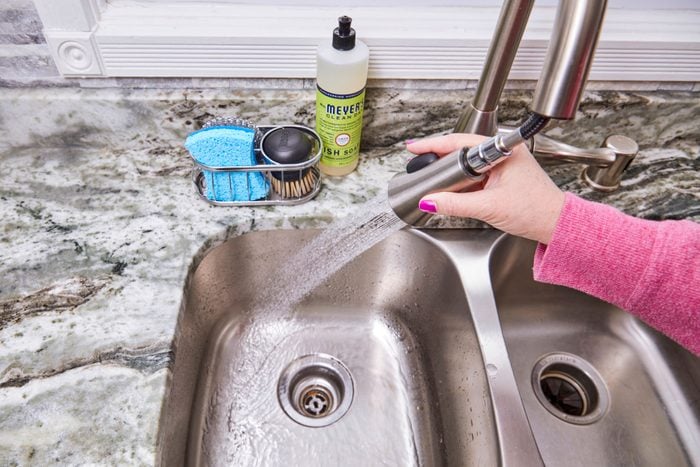
Credit: www.rd.com
Frequently Asked Questions
How To Remove Gunk Buildup In Sink Drain?
Pour a mixture of baking soda and vinegar down the drain. Wait 15 minutes. Rinse with hot water. Use a drain snake to remove remaining debris. Repeat if necessary for stubborn buildup.
Do Baking Soda And Vinegar Clean Kitchen Drains?
Baking soda and vinegar can effectively clean kitchen drains. They help dissolve debris and eliminate odors. Pour baking soda, then vinegar, and wait. Finish with hot water to clear the drain. Regular use can prevent clogs and maintain a fresh-smelling kitchen.
Should You Pour Vinegar In A Sink Drain?
Pouring vinegar in a sink drain helps clean and deodorize it. Use it with baking soda for best results. The mixture can clear minor clogs and remove odors. Use this method regularly to maintain a fresh-smelling and functional drain. Avoid using it on natural stone surfaces.
How To Get Rid Of Mold In Kitchen Sink Drain?
Clean the drain with baking soda and vinegar. Pour boiling water to flush. Use a brush for stubborn mold. Maintain regular cleaning to prevent mold growth.
Conclusion
Cleaning your kitchen sink drain is simple and rewarding. Regular maintenance prevents clogs and odors. Use baking soda and vinegar for a natural cleanse. Hot water flushes grease effectively. Always check for debris. A clean drain keeps your kitchen fresh and hygienic.
Remember, consistency is key. A little effort goes a long way. Enjoy a clean and pleasant kitchen space. Keep these tips handy for future cleaning. Your sink will thank you. Happy cleaning!