How to Clean Out Kitchen Sink Drain: Expert Tips
Are you tired of that unpleasant odor wafting up from your kitchen sink? Or perhaps you’re fed up with the slow draining water every time you do the dishes?
Cleaning out your kitchen sink drain might seem like a daunting task, but it’s simpler than you think. Imagine the satisfaction of eliminating that stubborn clog and restoring your sink to its pristine condition. In this guide, we’ll walk you through the easy steps to clean out your kitchen sink drain effectively.
You’ll learn how to tackle the grime and buildup that’s been lurking below the surface. Stay with us, and you’ll discover practical tips that will save you time, effort, and the cost of calling a plumber. Ready to transform your kitchen sink into a fresh and efficient space? Let’s dive in!
Credit: www.thecooldown.com
Importance Of A Clean Drain
A clean kitchen sink drain prevents unpleasant odors and keeps your plumbing system running smoothly. Regular maintenance ensures food particles and grease do not cause blockages.
A clean kitchen sink drain is more important than you might think. It’s not just about avoiding unpleasant odors or preventing clogs. A clean drain contributes to the overall hygiene of your kitchen, ensuring that the environment where you prepare food is safe and pleasant. Imagine preparing a delicious meal, only to be interrupted by a foul smell wafting from the sink. Unpleasant, right? Keeping the drain clean is a simple task that can save you from such unwanted interruptions.Prevents Bad Odors
A clogged or dirty drain can become a breeding ground for bacteria, which leads to unpleasant smells. Regular cleaning helps keep your kitchen smelling fresh. You wouldn’t want your guests to catch a whiff of something sour when they walk into your kitchen, would you?Reduces Risk Of Blockages
Food particles, soap scum, and grease can accumulate and cause blockages over time. By cleaning your drain regularly, you minimize these build-ups and reduce the risk of costly plumbing repairs. It’s easier to prevent a problem than to fix one.Improves Drain Efficiency
A clean drain ensures water flows smoothly, without any disruptions. This means you won’t have to deal with slow drainage or standing water issues. Imagine washing dishes and having water pool in the sink; a clean drain keeps this from happening.Promotes Hygiene
Kitchen hygiene is crucial, as it directly impacts the health of you and your family. A clean drain ensures that bacteria and mold don’t find a place to thrive. This simple act of maintenance can contribute significantly to a healthier kitchen environment.Enhances Overall Kitchen Experience
A clean and efficient drain contributes to a more enjoyable kitchen experience. Cooking and cleaning become less of a chore when everything is functioning smoothly. Don’t let a dirty drain ruin the joy of preparing your favorite meals. Keeping your kitchen sink drain clean is a small task that packs a big punch in terms of benefits. Are you ready to make this a regular part of your kitchen cleaning routine?
Credit: www.familyhandyman.com
Common Causes Of Clogs
Kitchen sink clogs can disrupt daily routines. Understanding common causes helps prevent issues. Here are major contributors to clogged drains.
Grease And Oil Buildup
Pouring grease down the drain leads to sticky residue. It coats pipes, catching debris. Over time, this creates stubborn blockages. Avoid dumping fats or oils in the sink. Dispose of them in the trash instead.
Food Particles
Small food scraps can accumulate, forming clogs. Rice, pasta, and coffee grounds expand in water. This worsens blockages. Use a sink strainer to catch food particles before they enter the drain.
Foreign Objects
Non-food items cause serious clogs. Jewelry, hair ties, and utensils can slip down the drain. These items block water flow. Keep the sink clear of objects that don’t belong. Be mindful when washing dishes.
Essential Tools And Materials
Cleaning out a kitchen sink drain can be simple with the right tools. Using effective materials can ensure your drain remains clear and functional. Here are some essential tools and materials to help you clean your kitchen sink drain efficiently.
Natural Cleaning Solutions
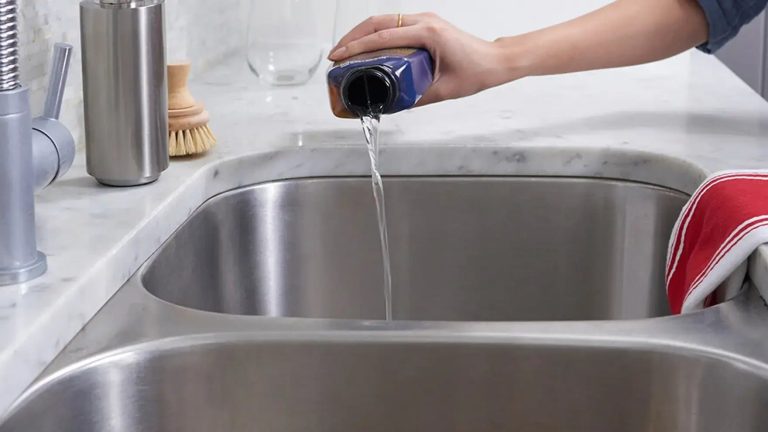
Natural solutions can clean your drain without harsh chemicals. Baking soda and vinegar work well. Pour half a cup of baking soda down the drain. Follow with half a cup of vinegar. Wait for about 15 minutes. Rinse with hot water. Lemon juice can also freshen your drain.
Plumber’s Snake
A plumber’s snake is useful for tough clogs. Insert the snake into the drain slowly. Rotate the handle as you push forward. This breaks up or pulls out clogs. It reaches deeper than other tools. Ensure you use it gently to avoid damage.
Plunger
A plunger can dislodge clogs with pressure. Fill the sink with enough water to cover the plunger. Position the plunger over the drain. Push down and pull up with force. Repeat several times to clear the blockage. This method is simple and effective.

Credit: www.aol.com
Step-by-step Cleaning Process
Begin by removing any visible debris from the kitchen sink drain. Use a mixture of baking soda and vinegar to clear clogs. Finish by flushing with hot water to ensure the drain is clean and fresh.
Cleaning out your kitchen sink drain can seem daunting, but breaking it down into a simple, step-by-step process makes it manageable. Whether it’s a routine clean or tackling a stubborn clog, following a structured approach can ensure effectiveness. Each step plays a crucial role in maintaining a fresh and efficient kitchen sink.Preparing The Sink
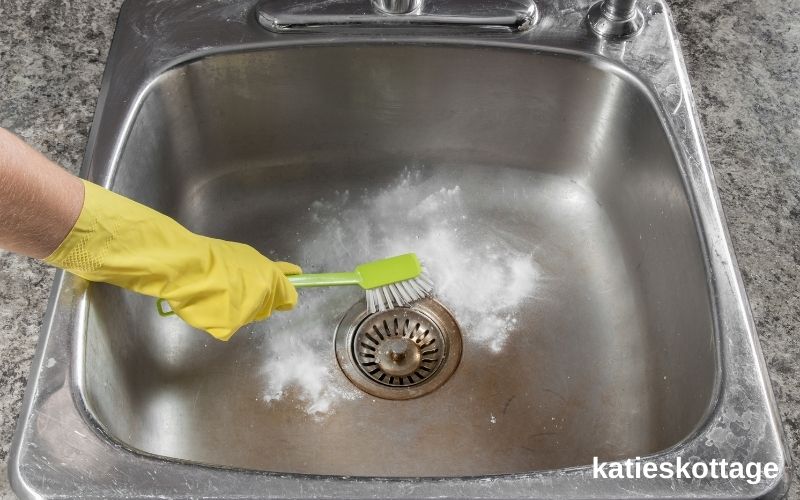
Start by clearing your sink of any dishes and debris. Remove the strainer or stopper and clean it thoroughly. This initial step ensures no additional particles will fall into the drain during the cleaning process.Using Baking Soda And Vinegar
Pour a cup of baking soda directly into the drain. Follow it with a cup of vinegar and watch the fizzing reaction. This natural combination helps break down grime and eliminate odors.Applying The Plumber’s Snake
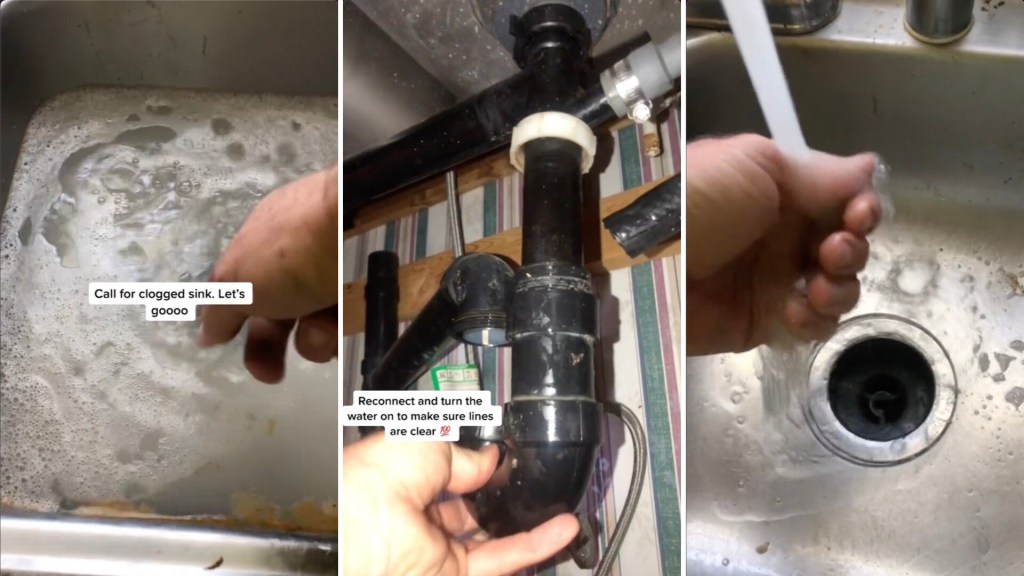
If the drain is still clogged, use a plumber’s snake. Insert the snake into the drain and turn the handle to catch any blockages. This tool can reach deep and tackle stubborn clogs effectively.Rinsing With Hot Water
Finish by flushing the drain with hot water. Boil a kettle and carefully pour the water down the drain. This step ensures any remaining residue is washed away, leaving your sink fresh and clean. Have you ever noticed how a clean kitchen sink can lift your mood? Keeping your drain clear is not just about cleanliness; it’s about creating a pleasant kitchen environment. By following these steps regularly, you can avoid unexpected blockages and maintain a smoothly running kitchen.Preventive Maintenance Tips
Clear away debris from the sink drain using a plunger. Pour a mixture of baking soda and vinegar down the drain to dissolve buildup. Flush with hot water to ensure a smooth flow.
Preventive maintenance of your kitchen sink drain keeps it running smoothly. It saves you from unexpected clogs and costly repairs. Simple habits can make a big difference. Let’s explore some effective tips to maintain your kitchen sink drain.Regular Flushing With Hot Water
Flush your sink drain with hot water weekly. This helps dissolve grease and soap buildup. Boil a pot of water and pour it down the drain. Hot water clears minor blockages naturally. It also helps reduce unpleasant odors.Mindful Disposal Of Waste
Be careful about what you put down the drain. Avoid pouring grease or oil. They harden and cause blockages. Use a strainer to catch food particles. Dispose of them in the trash instead. This keeps your drain clean and free-flowing.Scheduled Cleaning Routine
Create a regular cleaning schedule for your sink drain. Use natural cleaners like baking soda and vinegar. Pour half a cup of baking soda into the drain. Follow with a cup of vinegar. Let it sit for 15 minutes. Rinse with hot water. This method breaks down buildup and freshens your drain.When To Call A Professional
Even the most diligent DIY enthusiast occasionally faces challenges that necessitate calling in a professional. When dealing with a kitchen sink drain, there are specific signs that indicate it’s time to seek expert help. Knowing when to make that call can save you from further complications and potential damage.
Persistent Clogs
If you’ve tried all the usual methods like plunging, using a drain snake, or even chemical solutions, and the clog persists, it’s a red flag. Persistent clogs might be caused by something deeper in the plumbing system that requires specialized tools or expertise. Consider the time and effort you save by letting a professional tackle stubborn blockages that refuse to budge.
Unusual Noises
Do you hear strange gurgling or bubbling noises coming from your sink? These sounds can be indicative of air trapped in the pipes or a blockage that’s not easily visible. Unusual noises often hint at bigger issues within the plumbing that a professional can diagnose and address effectively. Ignoring these sounds might lead to more severe problems down the line.
Water Backups
Water backup is more than just a minor inconvenience; it’s a sign that something is seriously amiss. If water is returning up your drain or pooling in your sink, it might point to a blockage or a pipe misalignment. Professionals have the right equipment to identify and fix the root cause of water backups, ensuring your plumbing system runs smoothly. Would you rather risk water damage or have peace of mind knowing your system is in good hands?
Frequently Asked Questions
What Is The Best Way To Clean A Kitchen Sink Drain?
Pour baking soda and vinegar down the drain. Wait 15 minutes, then flush with hot water. Use a drain brush to remove debris. Repeat if necessary for stubborn clogs. Regular maintenance prevents blockages. Avoid chemical cleaners for eco-friendly solutions. Keep your sink fresh and clean with these simple steps.
How To Remove Gunk Buildup In Sink Drain?
Pour baking soda and vinegar down the drain. Let it sit for 15 minutes. Flush with hot water.
What Will Dissolve Hair In A Drain?
Use baking soda and vinegar to dissolve hair in drains. Pour boiling water first, then add baking soda. Follow with vinegar, wait a few minutes, and flush with hot water. This method is eco-friendly and avoids harsh chemicals, effectively clearing clogs.
Should You Pour Vinegar In A Sink Drain?
Pouring vinegar in a sink drain can help clean and deodorize it. Vinegar breaks down grease and eliminates odors. Use it with baking soda for better results. Avoid using vinegar on marble or granite sinks, as it can damage the surface.
Regular use keeps drains fresh and clear.
Conclusion
Your kitchen sink drain is now clean and clear. Regular maintenance keeps it working smoothly. Use these simple steps to prevent clogs. A clean drain means less hassle and more efficiency. Remember to use baking soda and vinegar. They help break down debris naturally.
Avoid pouring grease down the sink. It solidifies and causes blockages. Keep a strainer in the drain. It catches food particles and prevents buildup. With these easy tips, your kitchen sink remains fresh. Enjoy cooking without worrying about drain issues.
A clean kitchen sink makes life easier and stress-free.