How to Clean Stinky Kitchen Drain: Quick & Effective Tips
Executive Chef & Lead Commercial Kitchen Specialist at Daily Kitchup Test Lab
Are you tired of walking into your kitchen only to be greeted by an unpleasant smell coming from the drain? A stinky kitchen drain can quickly ruin the ambiance of your home and make cooking a less enjoyable experience.
You don’t have to put up with that foul odor any longer. Imagine a kitchen that smells fresh and inviting every time you step in. Intrigued? Keep reading to discover simple yet effective ways to banish those nasty smells for good.
By the end of this article, you’ll have all the tools you need to clean your kitchen drain like a pro, leaving you with a fresh, odor-free kitchen that you can be proud of.
Common Causes Of Stinky Drains
Have you ever walked into your kitchen, only to be greeted by an unpleasant odor wafting from the sink? It’s not just your imagination—stinky drains are a common household issue. Understanding the root causes can help you prevent and solve this smelly problem efficiently. Whether it’s leftover food particles or more serious plumbing issues, knowing what contributes to the smell is the first step in tackling it effectively.
Food Residue Build-up
One of the most common culprits behind a stinky drain is food residue. When food scraps are washed down the sink, they can get trapped in the pipes. Over time, these bits of food decompose, releasing foul odors. This is particularly common if you often rinse plates with greasy or oily food. The residue sticks to the walls of your pipes, creating a breeding ground for bacteria.
Grease And Oil Accumulation
Think about how often you cook with oil. When grease is poured down the drain, it can solidify and attach to the pipes. This sticky build-up catches other debris, compounding the problem. The result is an unpleasant smell that lingers in your kitchen. You might not notice it right away, but over time, the grease hardens, making it even harder to clean.
Soap And Detergent Scum
It’s not just food that can cause issues. Soap scum from dishwashing liquid can accumulate in your drain, trapping food particles and other debris. This scum can form a stubborn layer that resists regular water flow, leading to clogs and odors. Have you ever noticed a slimy residue in your sink after doing the dishes? That’s soap scum at work.
Bacterial Growth
The combination of food particles, grease, and soap creates an ideal environment for bacteria to thrive. These bacteria break down the organic material, releasing gases that contribute to the unpleasant smell. Warm, damp conditions inside the drain further encourage bacterial growth, making the smell worse over time.
Improper Ventilation
Have you checked if your kitchen has adequate ventilation? Sometimes, the issue isn’t just inside the pipes. Poor ventilation can trap odors, causing them to linger longer than they should. Ensuring your kitchen is well-ventilated can help disperse unwanted smells more quickly.
Now that you know the common causes of stinky drains, what steps can you take to eliminate these odors? Are you ready to explore effective solutions and breathe fresh air into your kitchen?
Essential Cleaning Supplies
Keep your kitchen drain fresh and odor-free with essential cleaning supplies. Use baking soda and vinegar for a natural cleaning solution. Pour hot water to flush away lingering debris and smells.
Cleaning a stinky kitchen drain is essential for a fresh-smelling home. To tackle this task, gather the right supplies. These tools and materials ensure effective cleaning and odor removal. Here’s what you need to get started.Baking Soda And Vinegar
Baking soda and vinegar create a powerful cleaning duo. Baking soda breaks down grime and neutralizes odors. Vinegar cuts through grease and acts as a disinfectant. Together, they help unclog and refresh your drain.Rubber Gloves
Rubber gloves protect your hands from harsh cleaning agents. They also keep your hands dry and safe from any debris. Always wear gloves when handling cleaning supplies.Boiling Water
Boiling water helps dissolve buildup in the drain. It also flushes out any loose debris. Pour it slowly to avoid splashing and potential burns.Drain Brush
A drain brush reaches deep into the drain. It scrubs away stubborn grime and food particles. Use it to give your drain a thorough clean.Old Toothbrush
An old toothbrush is perfect for cleaning the drain cover. Its bristles reach small crevices, removing hidden dirt. Make sure the brush is clean before using it.Microfiber Cloth
A microfiber cloth wipes away any remaining residue. It leaves your sink and drain area sparkling clean. Microfiber materials absorb water and dirt effectively.Essential Oils
Essential oils add a pleasant scent to your kitchen. A few drops can mask any remaining odors. Choose oils like lemon or lavender for a fresh aroma. With these supplies, you can effectively clean and deodorize your kitchen drain. Keep your kitchen smelling fresh and welcoming with regular maintenance.Natural Cleaning Solutions
Natural cleaning solutions offer an effective and eco-friendly way to tackle that stinky kitchen drain. They are not only gentle on the environment but also kind to your wallet. By using ingredients already sitting in your kitchen cabinet, you can easily breathe new life into your drains.
Baking Soda And Vinegar
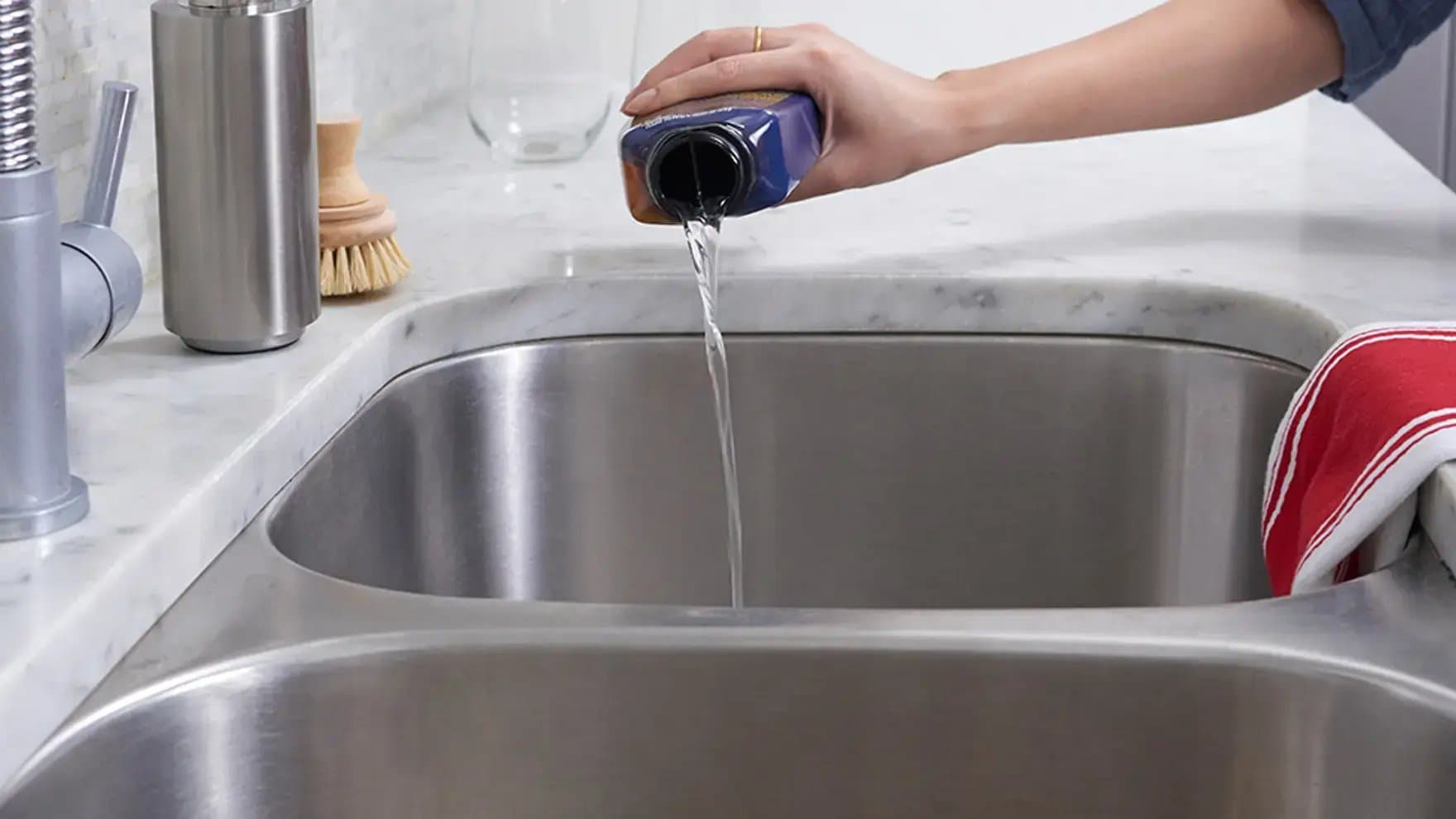
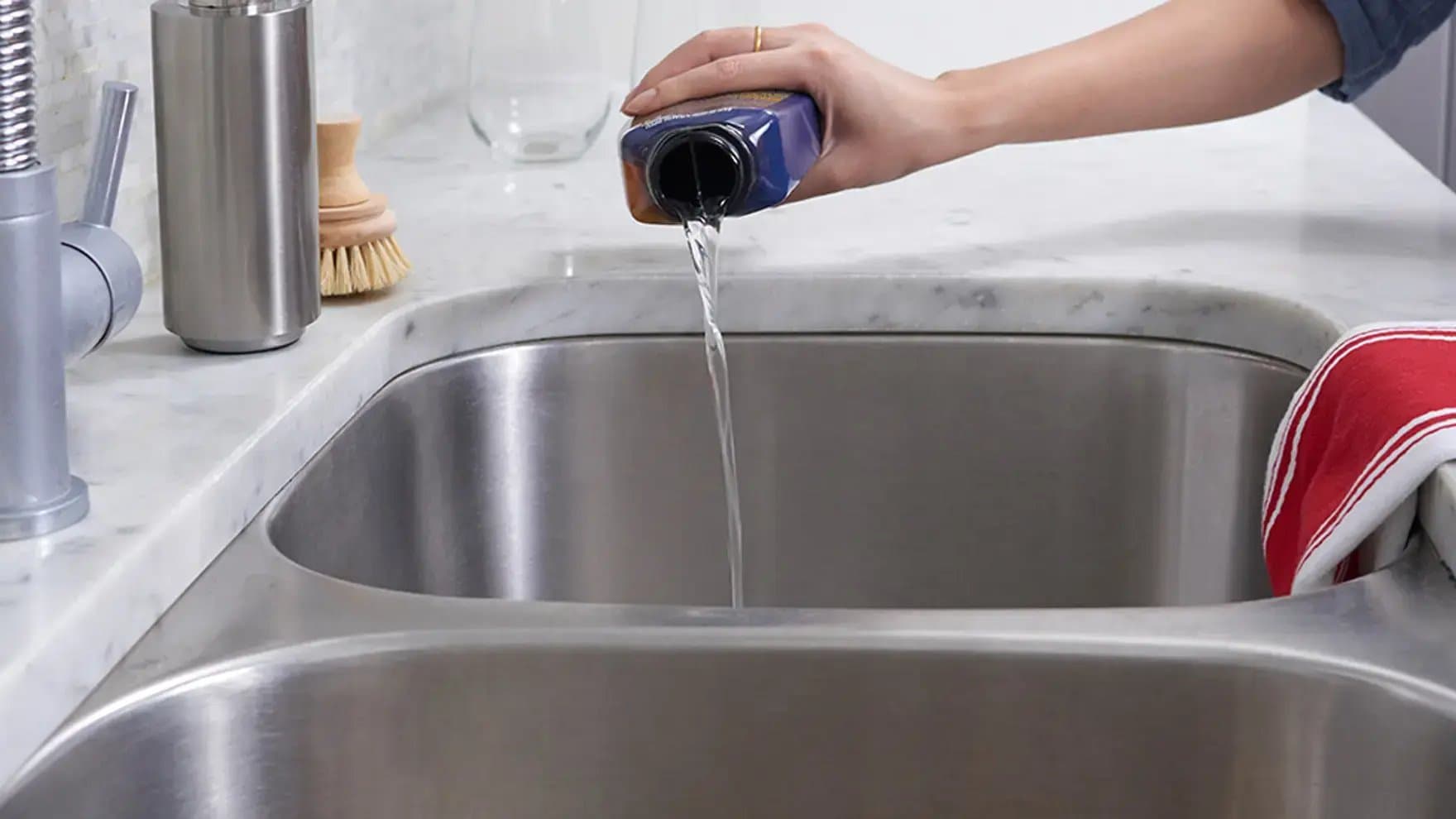
Baking soda and vinegar are a dynamic duo in the world of natural cleaning. Start by pouring half a cup of baking soda down the drain. It’s like sending a mini tornado to break down grime.
Follow this with a cup of vinegar. Watch as the fizzy reaction unfolds—it’s oddly satisfying. Let this bubble away for around 15 minutes, attacking odor-causing bacteria.
Flush it out with boiling water. This simple method clears clogs and leaves your drain smelling fresh. You might wonder why you didn’t try this sooner!
Lemon And Salt Mixture
Lemon and salt are not just for margaritas; they work wonders in drains too. Cut a lemon in half and squeeze the juice into the drain. It’s a natural deodorizer with a zingy scent.
Sprinkle a generous amount of salt, which acts as a mild abrasive. This combination scrubs away residue that causes odors.
Rinse with hot water to wash away any remaining debris. Your kitchen will smell like a citrus grove, leaving you wondering if you should add this to your regular cleaning routine!
Credit: www.tiktok.com
Preventive Measures
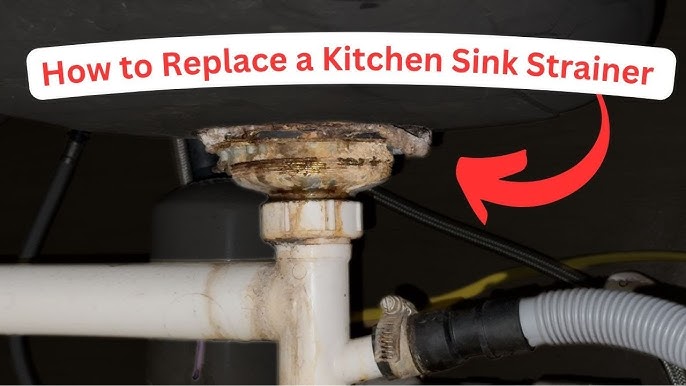
Regularly pour hot water down the drain to prevent buildup. Use baking soda and vinegar to neutralize odors. Keep the sink strainer clean to block food particles from entering the drain.
Preventive Measures for a stinky kitchen drain are essential to keep your kitchen smelling fresh and your plumbing functioning smoothly. By taking a few proactive steps, you can prevent unpleasant odors from arising in the first place. Let’s explore some practical measures that will help you maintain a clean and fresh-smelling kitchen.Regular Maintenance
Regular maintenance is the cornerstone of preventing drain odors. Make it a habit to flush your drain with hot water at least once a week. This simple action can help dislodge any small particles that might be clinging to the pipes. Consider using a mixture of baking soda and vinegar as a natural cleaning agent. Pour half a cup of baking soda followed by half a cup of vinegar down the drain. Allow it to fizz and break down any buildup for about 15 minutes before rinsing with hot water.Proper Disposal Of Waste
Improper disposal of waste is a common culprit behind stinky drains. Always scrape food scraps into a trash can or compost bin instead of washing them down the sink. Even small particles can accumulate and cause odors over time. Avoid pouring grease or oil down the drain. These substances solidify and create blockages that are difficult to clean. Instead, collect them in a container and dispose of them with your regular waste. By integrating these preventive measures into your routine, you can enjoy a fresh kitchen environment and avoid the hassle of dealing with a smelly drain. What steps will you take today to ensure your kitchen stays odor-free?When To Call A Professional
Persistent odors after cleaning efforts signal the need for professional help. Experts tackle stubborn blockages and underlying issues efficiently. Call them when DIY methods fail to eliminate the smell.
When dealing with a stinky kitchen drain, simple fixes often work. Baking soda and vinegar can do wonders. Yet, some problems go beyond DIY solutions. Knowing when to call a professional is key. Not every issue can be tackled alone. Recognize the signs to save time and stress.Persistent Odor Despite Cleaning
A recurring smell is a red flag. If cleaning doesn’t help, the problem might be deeper. Trapped food or grease buildup could be the cause. Professionals have tools to reach and fix hidden issues.Slow Draining Water
Water should flow smoothly down the drain. If it drains slowly, something could be blocking it. A plumber can diagnose and clear stubborn clogs. Don’t wait for it to become a complete blockage.Strange Noises From The Drain
Gurgling or bubbling sounds are not normal. These noises indicate trapped air or partial clogs. A professional can inspect the pipes thoroughly. This prevents future plumbing problems.Water Backing Up
Water backing up into the sink is serious. It can cause damage if ignored. This issue often requires professional intervention. They can ensure the plumbing system works properly.Frequent Clogs
Clogs should not happen often. If they do, there might be a deeper issue. A professional can inspect the entire system. They will find and fix the root cause, ensuring long-term solutions.Presence Of Pests
Insects or rodents near the drain are concerning. They thrive in moist, dirty environments. A plumber can identify and eliminate the cause. This helps keep your kitchen sanitary and pest-free.Credit: www.drano.com
Frequently Asked Questions
How Do You Deodorize A Smelly Kitchen Drain?
Pour a cup of baking soda down the drain, followed by a cup of vinegar. Let it fizz for 15 minutes. Rinse with hot water. For persistent odors, consider using lemon juice or essential oils. Regular cleaning prevents future smells.
Why Does My Kitchen Drain Smell Like A Sewer?
A sewer-like smell in your kitchen drain often results from trapped food particles or grease buildup. These create bacteria, releasing unpleasant odors. Regular cleaning with baking soda and vinegar can help eliminate the smell. Ensure your pipes are clear to prevent future issues and maintain a fresh kitchen environment.
What Do You Pour Down The Drain To Get Rid Of Smell?
Pour baking soda followed by vinegar down the drain. Let it sit for 15 minutes. Rinse with hot water. This combination helps neutralize odors effectively.
Does Pouring Vinegar Down The Drain Make It Smell Better?
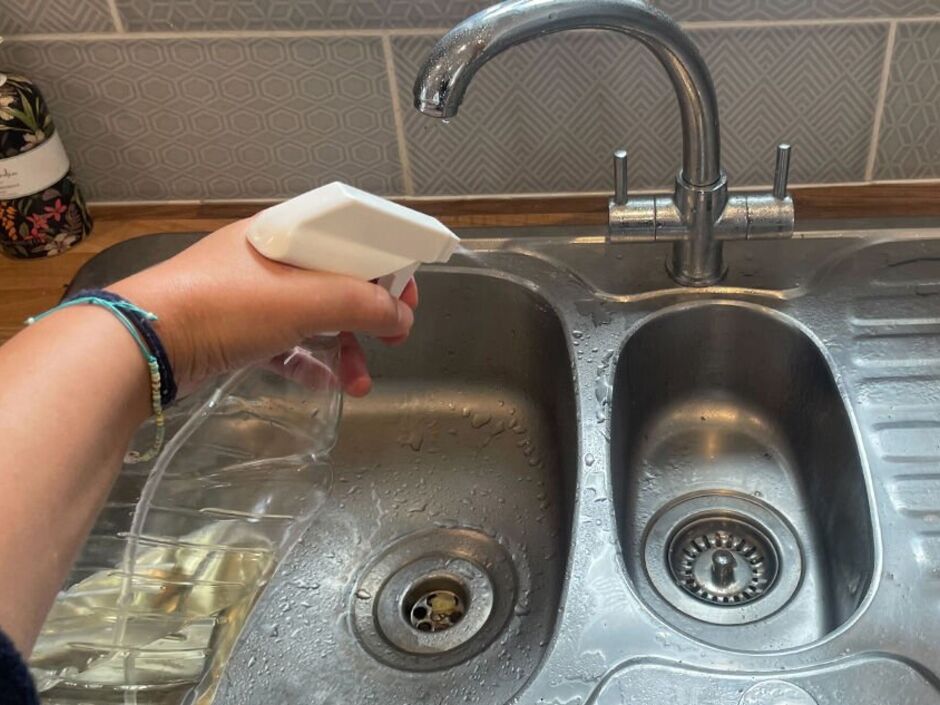
Pouring vinegar down the drain helps reduce odors. It neutralizes smells and breaks down grease build-up. Use it regularly for better results. Simply pour vinegar down the drain and let it sit before rinsing with hot water. This natural method is effective and eco-friendly for maintaining fresh-smelling drains.
Conclusion
A clean kitchen drain keeps your space fresh and inviting. Regular maintenance prevents unpleasant smells and blockages. Simple solutions like baking soda and vinegar work wonders. Hot water flushes help remove residue. Remember to check for food scraps and grease.
Avoid harsh chemicals that might damage pipes. A clean drain supports a healthy kitchen environment. Enjoy cooking without unpleasant odors. Keep these tips handy for quick fixes. Your kitchen deserves to smell nice every day. Happy cooking in your fresh-smelling kitchen!

Similar Posts