How to Clean Your Kitchen Sink Drain: Easy DIY Tips
Your kitchen sink drain might be hiding a secret: it’s one of the most overlooked spots in your home that can harbor unpleasant odors and unsightly buildup. Imagine walking into your kitchen, ready to cook a delicious meal, only to be greeted by a lingering smell coming from the sink.
Not exactly appetizing, right? You deserve a kitchen that not only looks clean but smells fresh too. By taking a few simple steps to clean your kitchen sink drain, you can transform this crucial area from grimy to gleaming. Dive into this guide, and discover how easy it is to keep your sink drain spotless and odor-free.
You’ll feel empowered to tackle this often-neglected chore with confidence and ease. Stick around to learn how to make your kitchen a more pleasant space for you and your family.
:max_bytes(150000):strip_icc()/SPR-how-pro-cleaners-clean-a-sink-11781060-6d7babfdf0074ca79564864a6c7325dd.jpg)
Credit: www.thespruce.com
Tools And Materials Needed
Gather baking soda, vinegar, and a brush for scrubbing. You’ll also need rubber gloves, a bucket, and warm water. These items help effectively clean and clear your kitchen sink drain.
Cleaning your kitchen sink drain is essential for maintaining hygiene. It prevents clogs and keeps your kitchen smelling fresh. Before you start, gather the right tools and materials. This ensures a smooth cleaning process.Tools Needed
A plunger is useful for dislodging stubborn blockages. A plumber’s snake helps reach deeper clogs. A bucket is necessary to catch water and debris. A pair of rubber gloves protects your hands.Materials Needed
Baking soda and vinegar are natural cleaners. They break down grime and odors effectively. Liquid dish soap helps remove grease and residue. Hot water is essential for flushing the drain. A clean cloth is handy for wiping surfaces.Initial Preparation
Gather necessary materials like baking soda, vinegar, and a brush. Clear the area around the sink for easy access. Ensure proper ventilation to handle cleaning fumes safely.
Before diving into the task of cleaning your kitchen sink drain, a bit of initial preparation can make the process smoother and more effective. Have you ever tried to tackle a task without the right tools, only to find yourself frustrated and making little progress? Ensuring that you’re properly prepared can save you time and effort, allowing you to focus on getting your sink drain sparkling clean.Gather Your Supplies
Start by assembling all the necessary materials. You’ll need rubber gloves, baking soda, white vinegar, a scrub brush, and a large pot of boiling water. Having everything on hand means you won’t need to interrupt your cleaning to search for missing items. This simple step can streamline your process and keep your momentum going.Clear The Area
Before you begin cleaning, make sure to clear the area around your sink. Remove any dishes, sponges, or other items that could get in the way. A clear workspace not only makes the task easier but also prevents any unwanted items from getting dirty or wet during the cleaning process.Inspect The Drain
Take a moment to inspect your sink drain for visible debris or blockages. If you notice any large particles, remove them with your hands or a small tool. This initial inspection can give you a better idea of the task at hand and help you address any specific issues right from the start.Ensure Proper Ventilation
Good ventilation is crucial when using cleaning agents. Open a window or turn on the exhaust fan to ensure fresh air circulates in your kitchen. This step helps to dissipate any fumes from cleaning products and keeps the air in your space clean and fresh. Approaching your kitchen sink drain cleaning with these preparatory steps in mind sets the stage for an efficient and thorough cleaning process. Ready to move on to the next steps? Your kitchen sink will be gleaming before you know it!Baking Soda And Vinegar Method
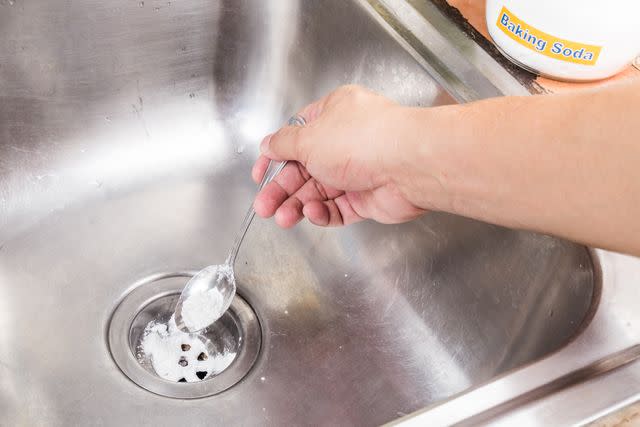
Cleaning your kitchen sink drain is easy with baking soda and vinegar. Sprinkle baking soda into the drain. Then, pour vinegar over it. This combination breaks down food and grime. Rinse with hot water for a fresh, clean drain.
Cleaning your kitchen sink drain doesn’t need harsh chemicals. The baking soda and vinegar method offers a natural solution. It’s simple and effective, using items you probably have in your pantry. This technique can help keep your drain smelling fresh and flowing freely.Why Choose Baking Soda And Vinegar?
Baking soda and vinegar are natural cleansers. They break down grime and eliminate odors. This method is eco-friendly and safe for most drains. It’s a gentle way to maintain cleanliness without damaging pipes.Gather Your Materials
You’ll need baking soda, white vinegar, and hot water. These ingredients are easy to find and inexpensive. Make sure you have enough to cover the drain opening.Step-by-step Cleaning Process
- Start by boiling a pot of water. Pour it down the drain to loosen debris.
- Measure half a cup of baking soda. Sprinkle it directly into the drain.
- Pour one cup of vinegar slowly over the baking soda. Watch the fizzing action.
- Let the mixture sit for 15 minutes. This helps break down tough residue.
- Flush the drain with another pot of boiling water. Rinse away remaining particles.
Benefits Of Regular Maintenance
Regular cleaning prevents clogs and bad smells. It keeps your kitchen hygienic and pleasant. This simple method can be part of your monthly cleaning routine.Extra Tips For Effective Cleaning
Use this method at night when the sink isn’t in use. Avoid pouring grease down the drain to prevent buildup. Regularly remove food scraps before washing dishes. By using baking soda and vinegar, you can easily maintain a clean and fresh kitchen sink drain.
Credit: www.maidforyou.com.au
Boiling Water Technique
Pour boiling water down the drain to dissolve soap and grease buildup. Repeat if necessary for stubborn clogs. This simple method helps maintain a clean kitchen sink drain.
Cleaning your kitchen sink drain can feel like a daunting task. Yet, one simple method stands out: the Boiling Water Technique. This technique is effective and easy to implement. It requires minimal effort and items you already have at home. Let’s explore how this method can help you maintain a clean and functional kitchen sink drain.Why Boiling Water Works
Boiling water effectively loosens grime and debris. It melts away grease and food particles. This method is simple but powerful. It can clear minor clogs and prevent buildup.How To Use The Boiling Water Technique
Start by boiling a pot of water. Ensure the water is piping hot. Carefully pour it down the drain. Repeat the process if necessary. This helps in dislodging stubborn debris.Safety Tips
Handle boiling water with care. Use oven mitts to avoid burns. Pour slowly to prevent splashes. Ensure children and pets are at a safe distance.Frequency Of Use
Use the boiling water method weekly. Regular use prevents clogs. It keeps your sink smelling fresh and clean.Salt And Baking Soda Mixture
Mix salt and baking soda to create a natural cleaner for kitchen sink drains. Pour the mixture down the drain, then rinse with hot water. This simple solution helps break down residue and odors, keeping your drain fresh and clean.
Cleaning your kitchen sink drain can be a daunting task, but the salt and baking soda mixture offers a simple and effective solution. This natural cleaning method not only tackles the grime but also helps eliminate unpleasant odors. You’ll be surprised at how these common household ingredients can make a significant difference.Gather Your Ingredients
You’ll need two basic ingredients: salt and baking soda. Both are likely already in your kitchen pantry. Ensure you have at least half a cup of each to get started.Mix And Apply
Combine half a cup of salt with half a cup of baking soda in a small bowl. Stir them together until well-mixed. Pour this mixture directly into the drain, spreading it evenly.Boiling Water Flush
Boil a kettle of water while the mixture sits in the drain. Once boiling, carefully pour the hot water down the drain. The combination of salt and baking soda with the boiling water will help break down debris and clear clogs.Let It Sit
Allow the mixture to sit in the drain for at least 30 minutes. This waiting period lets the ingredients work their magic, loosening any stubborn residue.Rinse Thoroughly
After allowing the mixture to sit, flush the drain with cold water. This will help push any remaining debris down the pipes. Notice how the water flows more smoothly?Repeat As Needed
For persistent clogs, you might need to repeat this process. Regular maintenance can prevent future blockages and keep your sink smelling fresh.Why This Method Works
Salt acts as a natural abrasive, scrubbing away grime and buildup. Baking soda neutralizes odors and reacts with water to help dissolve blockages. Together, they provide a powerful yet gentle cleaning solution.Your Experience
Have you tried using salt and baking soda before? How did it work for you? Share your experience and any additional tips you might have for keeping drains clear.Using A Plunger
Using a plunger can effectively clear your kitchen sink drain. First, fill the sink with enough water to cover the plunger cup. Then, position the plunger over the drain and push down firmly several times to create suction and dislodge any blockages.
Cleaning your kitchen sink drain can seem daunting. A clogged drain disrupts your daily routine. One effective method to tackle this issue is using a plunger. This tool can help clear blockages and restore normal water flow. Let’s dive into how you can use a plunger effectively.Choosing The Right Plunger
Not all plungers are the same. For kitchen sinks, choose a cup plunger. It has a flat rubber cup. This design works well on flat surfaces. Ensure the plunger is clean before use. A dirty plunger can make the problem worse.Proper Plunging Technique
First, fill the sink with a few inches of water. The water helps the plunger create suction. Place the plunger over the drain. Make sure it covers the drain completely. Press down slowly, then pull up sharply. Repeat several times. If the water starts draining, you’ve succeeded. If not, try a few more times. Patience is key here. Using a plunger can be a simple, effective solution. With the right plunger and technique, you can handle many drain issues easily.Cleaning The Drain Trap
Cleaning your kitchen sink drain trap regularly prevents clogs and odors. Remove the trap and clear debris using warm water and a brush. Make sure to reassemble the trap securely to ensure proper drainage.
Cleaning the drain trap is essential for a healthy kitchen sink. Over time, food particles and grease accumulate in the trap, causing unpleasant odors. Regular cleaning helps maintain the efficiency of your drainage system. Follow these simple steps to ensure a clean and fresh kitchen sink drain.Removing The Trap
First, gather your tools: a bucket and a wrench. Place the bucket under the sink to catch any water. Use the wrench to loosen the nuts on the trap. Carefully remove the trap, allowing any trapped water to flow into the bucket. Check for any visible clogs or debris inside the trap.Cleaning And Reassembling
Rinse the trap thoroughly with warm water. Use a brush to scrub away stubborn grime or residue. Ensure the trap is completely clean before reassembling. Align the trap back under the sink. Tighten the nuts securely with the wrench. Test the drain to ensure water flows smoothly.Maintaining A Clean Drain
Maintaining a clean drain involves regular cleaning to prevent clogs and odors. Use baking soda and vinegar for a natural clean. Flush with hot water to remove debris and residue.
Maintaining a clean kitchen sink drain is crucial for a fresh kitchen. A well-maintained drain prevents clogs and keeps unpleasant odors at bay. Regular cleaning ensures your sink functions smoothly, reducing plumbing issues. Here are some simple yet effective ways to keep your kitchen sink drain clean.Regular Flushing
Flushing your drain with hot water helps remove small debris. Do this weekly to prevent buildup. Boil a kettle of water and pour it down the drain slowly. This method dissolves grease and keeps the pipes clear. For a deeper clean, use a mix of hot water and vinegar. Pour equal parts down the drain, let it sit, then rinse with hot water.Using Strainers
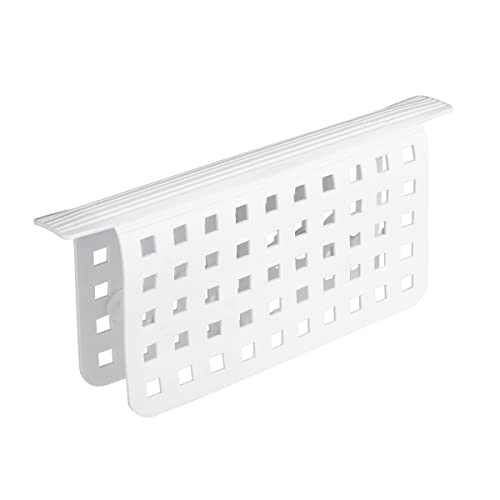
Strainers catch food particles before they enter the drain. Place a strainer over the drain to trap debris. Empty the strainer after each use to keep it effective. Choose a strainer that fits snugly in your sink. This small tool can prevent larger blockages and maintain a clean drain. Regular use of strainers reduces the need for harsh chemical cleaners.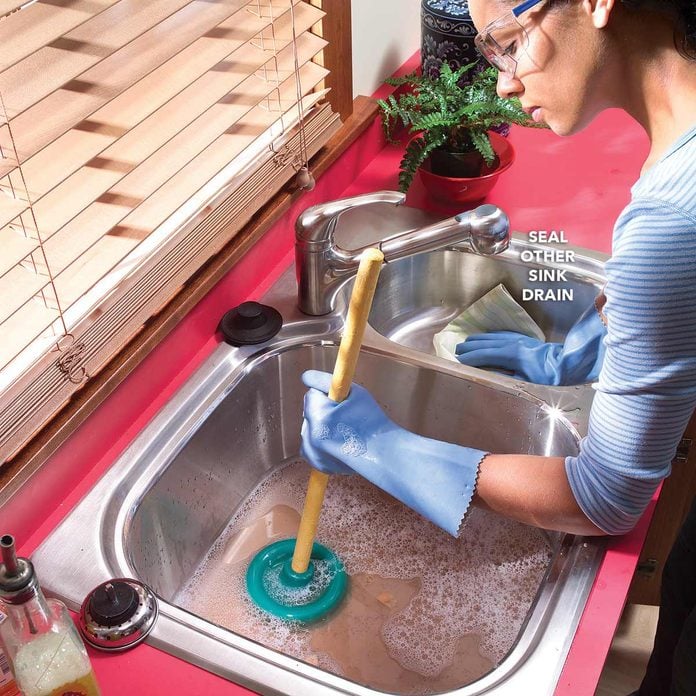
Credit: www.familyhandyman.com
Frequently Asked Questions
What Is The Best Way To Clean A Smelly Kitchen Sink Drain?
Pour baking soda and vinegar down the drain. Let it sit for 15 minutes. Flush with hot water.
How To Get Rid Of Brown Gunk In Sink Drain?
Clean the sink drain with baking soda and vinegar. Pour half a cup of baking soda, then half a cup of vinegar. Wait 15 minutes, then flush with hot water. Repeat weekly to prevent build-up. Use a drain snake for stubborn gunk.
Avoid chemical cleaners for safety.
Should You Pour Vinegar In A Sink Drain?
Pouring vinegar in a sink drain can help remove odors and minor clogs. Use it with baking soda for better results. Avoid excessive use to prevent pipe damage. Regular maintenance with vinegar keeps drains clean and fresh.
Do Baking Soda And Vinegar Clean Kitchen Drains?
Baking soda and vinegar can effectively clean kitchen drains by breaking down grime and removing odors. Mix equal parts, pour into the drain, let sit for 15 minutes, then flush with hot water. This natural solution is eco-friendly and easy to use for maintaining clean drains.
Conclusion
Regular cleaning keeps your kitchen sink drain fresh. Try using natural solutions like baking soda and vinegar. These help break down grime. Always run hot water afterward. It washes away residue. A clean drain prevents clogs and odors. This saves you time and hassle.
Include regular checks in your routine. Look for signs of buildup. Act quickly to avoid blockages. Keeping your sink clean protects your home. It ensures a healthy environment. Remember, simple steps make a big difference. A clean sink means a happy kitchen.
Enjoy cooking without worry.