How to Clear Kitchen Sink Clogged: Expert Tips
Are you tired of watching water slowly swirl down your kitchen sink, or worse, not drain at all? A clogged sink can turn a simple dishwashing task into a frustrating ordeal.
But don’t worry, you’re not alone in this. Many homeowners face the same challenge. The good news is, clearing a clogged kitchen sink doesn’t have to be a daunting task. Imagine the satisfaction of watching the water flow smoothly again, knowing you fixed it yourself.
You’ll discover simple, effective methods to unclog your kitchen sink, saving time, money, and the hassle of calling in a plumber. Let’s turn that stubborn blockage into a thing of the past, so you can enjoy a kitchen that works as smoothly as you do. Ready to take the plunge? Let’s dive in!
Identifying Clog Causes
Understanding the common causes of kitchen sink clogs is essential for effective clearance. Food particles, grease buildup, and soap residue often lead to blockages. Regular cleaning and mindful disposal can prevent these issues, ensuring smooth water flow in your sink.
Identifying the causes of a clogged kitchen sink is crucial. Understanding what leads to blockages helps prevent future issues. Common culprits can be food scraps, grease, or soap buildup. Knowing the signs of a clog can save time and stress. Let’s dive deeper into what causes these blockages and how to recognize them.Common Blockage Sources
Food particles are a frequent cause of sink clogs. Small scraps often slip through the drain. Over time, they accumulate and block water flow. Grease is another common issue. It may seem harmless when liquid but solidifies as it cools. This creates tough blockages in the pipes. Soap scum is a sneaky cause of clogs. It can build up slowly, forming a sticky barrier. Hair and other debris can add to the problem, making the clog worse.Signs Of A Clogged Sink
Slow drainage is a clear sign of a clog. Water takes longer to empty from the sink. Gurgling noises often accompany this issue. An unpleasant odor is another indicator. It arises from trapped food or grease decaying in the pipes. Backflow can occur, bringing dirty water back into the sink. This mess signals a serious blockage needing urgent attention.
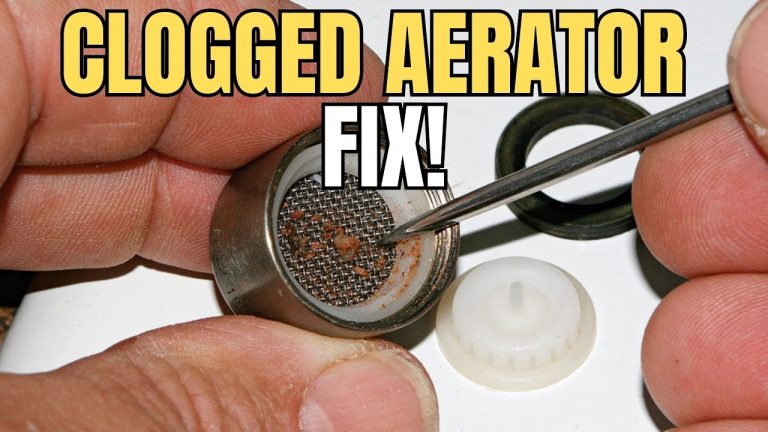
Credit: www.youtube.com
Basic Tools And Supplies
Plunger, baking soda, and vinegar are essential for unclogging a kitchen sink. A plumber’s snake can help remove stubborn blockages. Keep rubber gloves and a bucket handy for easy cleanup.
Clearing a clogged kitchen sink may seem daunting at first, but with the right tools and supplies, you’ll find that it’s a manageable task. Having a well-stocked toolkit can save you from a minor inconvenience turning into a major hassle. Whether you’re dealing with a slow drain or a complete blockage, the right equipment makes all the difference.Essential Plumbing Tools
To tackle a clogged kitchen sink, you’ll need a few key plumbing tools. A good plunger is your first line of defense. Invest in a sturdy model that can create a strong seal on the drain. A plumber’s snake, or drain auger, is another must-have. This flexible tool can reach deep into the pipes to remove stubborn blockages. If you’ve ever had to call a professional, you might have seen them use this tool. Now, imagine the satisfaction of handling it yourself! For those hard-to-reach spots, a pair of adjustable pliers is invaluable. They’re perfect for tightening or loosening pipe joints. With these tools, you’ll feel like a pro in your own kitchen.Safe Cleaning Agents
Besides tools, you’ll need some cleaning agents to help dissolve the clog and clean the pipes. Baking soda and vinegar are a powerful duo. They react to create a bubbling action that can break down debris. For grease-related blockages, dish soap is surprisingly effective. Pour a generous amount down the drain, followed by hot water. The soap cuts through grease, making it easier to flush away. If you’re looking for a stronger solution, enzyme-based drain cleaners are a good choice. They’re safe for your pipes and the environment. These cleaners eat away at organic matter, leaving your drains clear and fresh. Have you ever thought about what might be lurking in your kitchen pipes? With the right tools and safe cleaning agents, you can tackle those clogs with confidence, ensuring your sink remains a reliable part of your kitchen.Diy Unclogging Methods
Baking soda and vinegar can clear a kitchen sink clog. Pour boiling water after to flush it away. A plunger is also effective for loosening blockages. Use gentle pressure to avoid damaging pipes.
Clearing a clogged kitchen sink doesn’t always require a plumber. You can tackle minor blockages yourself with some simple DIY methods. It’s amazing how a little elbow grease and everyday household items can solve your problem, saving you time and money. But how do you know which method to use? Let’s dive into the options and see how you can unclog your sink with ease.Boiling Water Technique
The simplest trick in the book involves boiling water. Heat up a kettle or pot until the water reaches a rolling boil. Carefully pour it directly into the sink drain. The heat can dissolve grease and soap scum, clearing the way for water to flow freely. Repeat the process a couple of times if needed. It’s surprising how effective this method can be, especially for minor clogs. Have you tried it yet?Baking Soda And Vinegar Solution
This classic combination is a powerhouse for clearing clogs naturally. Start by pouring half a cup of baking soda down the drain. Follow it with half a cup of vinegar. You’ll hear fizzing as the two ingredients react, breaking down debris in the pipes. Let the mixture sit for about 15 minutes, then flush it with boiling water. It’s a science experiment in your kitchen that actually works. Have you wondered why these ingredients pair so well together?Plunger Usage
A plunger isn’t just for your toilet; it can be a valuable tool for your sink too. Position the plunger over the drain, ensuring a firm seal. Pump vigorously to create pressure, dislodging the clog. It’s essential to use a sink-specific plunger for this task. This method may require a bit of muscle, but it’s incredibly effective. Are you ready to put your strength to the test?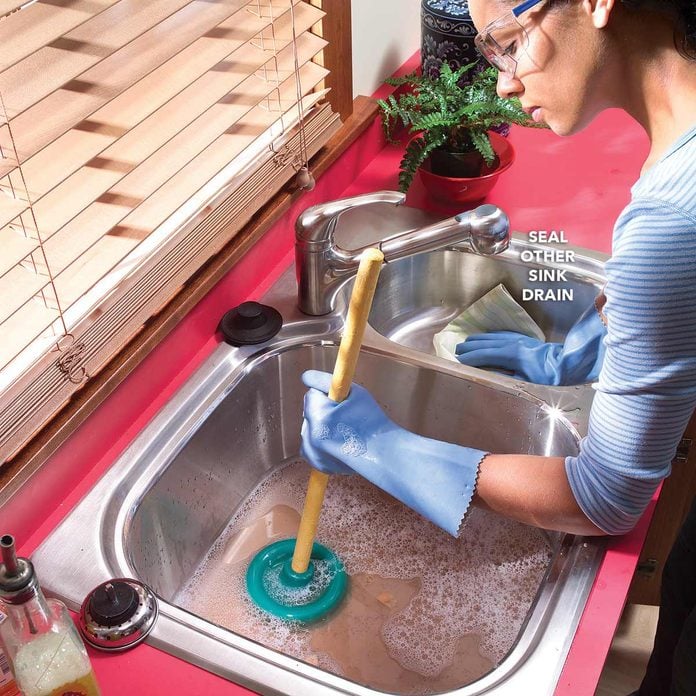
Credit: www.familyhandyman.com
Advanced Techniques
Unclogging a kitchen sink requires advanced techniques like using a plunger or baking soda mixed with vinegar. For stubborn clogs, a plumbing snake can help remove debris stuck deeper in the pipes. Regular maintenance prevents future blockages and keeps water flowing smoothly.
When your kitchen sink refuses to drain despite your best efforts with basic methods, it’s time to consider more advanced techniques. These methods may require a bit more effort and some tools, but they can effectively resolve stubborn clogs. Let’s dive into two popular advanced techniques that you can try.Using A Plumber’s Snake
A plumber’s snake, also known as a drain auger, is a handy tool for reaching and removing blockages deep within the pipes. If you don’t own one, they’re easily available at most hardware stores. – Insert the snake into the drain: Gently feed the snake into the drain until you feel resistance. This indicates you’ve reached the clog. – Turn the handle: Rotate the handle to break up the clog or attach it to the snake’s end. This might take a few minutes of twisting and maneuvering. – Retrieve the snake: Slowly pull the snake back out of the drain, bringing the blockage with it. Rinse the sink with hot water to ensure the clog is fully cleared. A plumber’s snake can be a game-changer for those stubborn clogs that refuse to budge. Have you ever tried this tool before? It’s surprisingly simple once you get the hang of it.Disassembling The P-trap
The P-trap is the curved section of pipe under your sink. It often collects debris and can be the source of many clogs. Disassembling the P-trap may sound daunting, but it’s fairly straightforward. – Gather your tools: You’ll need a bucket, a wrench, and perhaps some gloves. Place the bucket under the P-trap to catch any water or debris. – Loosen the slip nuts: Using the wrench, carefully loosen the slip nuts on either side of the P-trap. You might want to wear gloves to protect your hands from grime. – Clean the P-trap: Remove the P-trap and clear out any debris inside. Rinse it thoroughly with water before reattaching it. – Reattach the P-trap: Secure the slip nuts back into place, ensuring there are no leaks. Once you’ve tackled the P-trap, you’ll likely find your sink draining much more efficiently. Have you ever considered that such a simple section of your plumbing could hold the key to a clear sink? These advanced techniques might require a bit more elbow grease, but the satisfaction of seeing the water flow freely again is worth it. Give them a try next time your kitchen sink takes its stubborn stand!Preventative Measures
Regularly clean your kitchen sink to prevent clogs. Use hot water and baking soda weekly for maintenance. Dispose of food waste in the trash to avoid buildup.
Preventative measures are key to keeping your kitchen sink flowing smoothly. By adopting a few simple habits, you can avoid the frustration of a clogged drain. Imagine the ease of having a sink that never backs up, saving you time and money on emergency plumbing calls. Implementing these habits is easier than you might think and can be part of your regular kitchen routine. Let’s explore how to keep your kitchen sink in top condition.Regular Maintenance Tips
Regular maintenance can prevent most clogs before they start. Make it a habit to flush your sink with boiling water once a week. This helps dissolve grease and clear minor blockages. Another simple tip is to use a baking soda and vinegar solution monthly. Pour half a cup of baking soda followed by half a cup of vinegar down the drain. Let it fizz for a few minutes, then rinse with hot water. These small efforts can make a big difference.Proper Waste Disposal Practices
Proper waste disposal is crucial for preventing clogs. Avoid putting coffee grounds, eggshells, and fibrous vegetables like celery down the drain. These can easily create blockages. Use a sink strainer to catch food particles and dispose of them in the trash. This simple tool can prevent large food particles from causing a blockage. Think about what goes down your drain. Is it something that could lead to a clog? Being mindful of your waste disposal habits can save you a lot of headaches.
Credit: katieskottage.com
When To Call A Professional
Sometimes, clearing a clogged kitchen sink becomes more than just a DIY task. You’ve tried the plunger, the baking soda, and even the snake, yet the water refuses to drain. It’s frustrating, right? It’s vital to know when it’s time to throw in the towel and call a professional. Not only can they solve the issue efficiently, but they also prevent further damage.
Recognizing Serious Problems
Before you reach for the phone, assess the situation. Is the clog causing a foul odor that won’t go away? Or maybe water is backing up consistently despite your best efforts. These signs indicate a deeper issue, possibly within the pipes or the plumbing system itself.
Another red flag is if multiple drains in your home are slow. This could mean a blockage in the main sewer line, requiring immediate professional attention. Ignoring these signals can lead to bigger problems and expensive repairs.
Benefits Of Expert Assistance
Calling a professional isn’t just about fixing the immediate issue. They bring expertise that ensures a thorough inspection of your plumbing system. This means potential problems are identified and addressed early on.
Professionals use specialized tools and techniques that are often beyond the average DIY enthusiast. Their experience allows them to diagnose and solve complex issues quickly. Plus, they can offer advice on preventing future clogs, saving you time and hassle.
Imagine the peace of mind knowing your kitchen sink is in capable hands. Wouldn’t it be great to cook without worrying about drainage problems? Sometimes, investing in expert help is the best decision for your home.
Frequently Asked Questions
How Do You Unclog A Badly Clogged Kitchen Sink?
Use a plunger to dislodge debris. Pour boiling water down the drain. Apply baking soda and vinegar mixture. Use a plumber’s snake for stubborn clogs. Consider professional help if necessary.
What Can You Pour Down A Sink To Unclog It?
Pour baking soda followed by vinegar to unclog the sink. Let it fizz for 15 minutes, then flush with hot water. Alternatively, use a commercial drain cleaner for stubborn clogs. Avoid pouring grease, coffee grounds, or harsh chemicals down the sink to prevent future blockages.
Do Baking Soda And Vinegar Work Better Than Drano?
Baking soda and vinegar can be effective for minor clogs. Drano works better for tough clogs due to its chemical strength. For eco-friendly cleaning, try baking soda and vinegar first. Always use caution and follow instructions when using chemical drain cleaners like Drano.
How To Unblock A Severely Blocked Sink?
Pour boiling water down the sink to loosen debris. Use a plunger to dislodge the blockage. Apply baking soda and vinegar for chemical action. Clear remaining residue with a drain snake. Regular maintenance prevents future clogs.
Conclusion
Clearing a clogged kitchen sink is simple with the right steps. Regular maintenance helps prevent future clogs. Always clean drain stoppers and strainers. Use natural solutions like baking soda and vinegar. A plunger can handle stubborn clogs. For tough blockages, try a plumbing snake.
Avoid pouring grease down the drain. These tips keep your sink flowing smoothly. Remember, a clean sink means a happy kitchen. Keep these strategies in mind for a trouble-free sink. Your kitchen will thank you!