How to Disinfect Kitchen Sink Without Bleach: Eco-Friendly Tips
Executive Chef & Lead Commercial Kitchen Specialist at Daily Kitchup Test Lab
Your kitchen sink is the heart of your culinary workspace. It’s where you wash your vegetables, clean your dishes, and sometimes even fill up a glass of water.
But have you ever paused to think about the germs and bacteria that may be lurking there? Keeping your kitchen sink clean and disinfected is crucial for maintaining a healthy home environment. You might think bleach is the go-to solution, but what if you want to avoid harsh chemicals?
Here’s the good news: you can effectively disinfect your kitchen sink without reaching for bleach. Imagine having a spotless, germ-free sink using natural ingredients you probably already have in your kitchen. Intrigued? You’re about to discover simple, effective, and safe methods to keep your sink sparkling and your home healthier. Dive into the following tips and tricks to transform your cleaning routine and make your kitchen a safer place for you and your loved ones.
Natural Cleaning Agents
Natural cleaning agents offer effective ways to disinfect your kitchen sink. These alternatives are safe and eco-friendly. They help maintain a clean environment without harsh chemicals. Let’s explore some popular options to keep your sink spotless.
Baking Soda And Vinegar
Baking soda is a gentle abrasive. It cleans and deodorizes surfaces. Sprinkle it on your sink. Then, pour vinegar over it. The fizzing action lifts grime and kills bacteria. Rinse thoroughly with water.
Lemon Juice And Salt
Lemon juice is a natural disinfectant. It has antibacterial properties. Combine it with salt for added scrubbing power. Rub the mixture on the sink. It removes stains and leaves a fresh scent. Rinse with water.
Hydrogen Peroxide
Hydrogen peroxide is a strong disinfectant. It kills germs and bacteria effectively. Spray it on the sink surface. Let it sit for a few minutes. Wipe clean with a damp cloth. It ensures a germ-free sink.
Essential Oils For Disinfection
Disinfect the kitchen sink effectively with essential oils like tea tree and eucalyptus. Mix oils with water and vinegar for a natural cleaning solution. This blend eliminates germs without using harsh chemicals, keeping your kitchen safe and fresh.
Cleaning your kitchen sink without bleach is not only effective but also a greener alternative. Essential oils offer a natural way to disinfect, leaving your kitchen smelling fresh and clean. They are not just for aromatherapy; they pack a powerful punch against germs and bacteria. Let’s explore how you can use some popular essential oils to get the job done.Tea Tree Oil
Tea tree oil is renowned for its antimicrobial properties. It helps eliminate bacteria and viruses that lurk in your sink. Try adding a few drops to warm water, then wipe down the sink with a cloth. You’ll notice a clean shine without the harsh smell of bleach. Tea tree oil is a staple in many households, not just for cleaning but also for its skin benefits. You might already have it in your cabinet!Lavender Oil
Lavender oil is not only calming but also a powerful disinfectant. It’s perfect for those who prefer a soothing aroma while cleaning. Mix lavender oil with water in a spray bottle. Use this mixture to spray the sink and let it sit for a few minutes before wiping it clean. Your kitchen will smell delightful, and your sink will be free from germs. Who knew cleaning could be so relaxing?Eucalyptus Oil
Eucalyptus oil is another excellent option for disinfecting. It’s known for its ability to kill bacteria and viruses effectively. Combine it with baking soda to create a paste. Scrub the sink with this mixture and rinse thoroughly. Eucalyptus oil not only cleans but also helps clear the airways, making it a great choice during cold seasons. Do you have any other favorite essential oils for cleaning?Diy Cleaning Solutions
Disinfect your kitchen sink naturally using everyday items. Combine vinegar, baking soda, and hot water for a powerful clean. This eco-friendly mix keeps your sink fresh and germ-free.
Cleaning your kitchen sink doesn’t have to involve harsh chemicals like bleach. Embracing DIY cleaning solutions not only keeps your kitchen eco-friendly but also ensures the safety of your family and pets. These homemade concoctions are surprisingly effective and can transform your cleaning routine. Let’s dive into some simple yet powerful methods to disinfect your sink naturally.Simple Paste Mixture
Creating a paste mixture is a great way to tackle stubborn grime and sanitize your sink. Baking soda and vinegar are your best friends here. First, sprinkle a generous amount of baking soda over the sink surface. Add a few tablespoons of vinegar to create a fizzing reaction. This bubbly action helps lift dirt and stains effortlessly. Use a scrub brush or sponge to work the paste into the sink, paying extra attention to corners and drains. Rinse thoroughly with warm water, and you’ll notice your sink looks brighter and smells fresher. Doesn’t it feel rewarding to clean effectively using ingredients from your pantry?Spray Bottle Solution
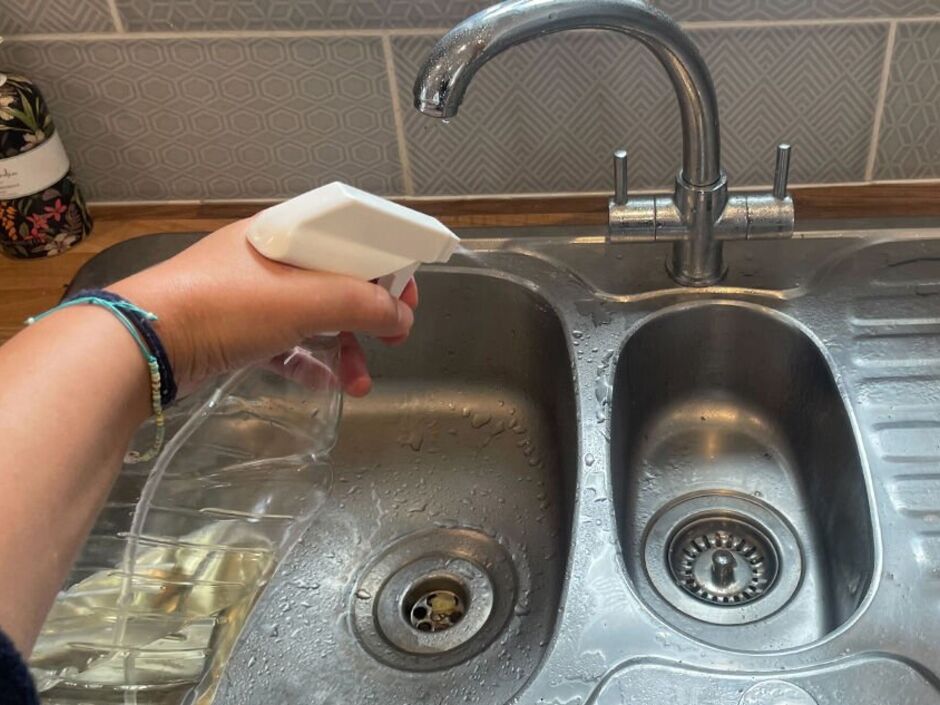
A spray bottle solution is perfect for daily maintenance and quick disinfecting. Mix equal parts of water and white vinegar in a spray bottle. You can enhance the cleaning power by adding a few drops of essential oils like tea tree or lemon for their antimicrobial properties. Spray the mixture generously over the sink surface, letting it sit for a few minutes. Wipe down with a clean cloth or sponge for a sparkling finish. This solution is not only effective but keeps your sink smelling fresh. Plus, it’s ready to use whenever you need it. How satisfying is it to know that you can clean your sink without compromising on health or quality?Credit: www.rd.com
Regular Maintenance Tips
Disinfecting a kitchen sink naturally is simple. Use a mix of vinegar and baking soda for a clean shine. Scrub gently, then rinse with hot water to remove bacteria without harsh chemicals.
Regular maintenance is key to keeping your kitchen sink clean and germ-free without relying on harsh chemicals like bleach. By establishing a simple routine, you can ensure your sink remains a safe and hygienic space for meal prep. Small daily actions combined with a weekly deep clean can make a huge difference. Here are some practical tips to help you maintain your sink with ease.Daily Rinsing Routine
Start by making a habit of rinsing your sink thoroughly after each use. This simple step helps wash away food particles and soap residues that can harbor bacteria. Use hot water to ensure better cleaning results. Consider keeping a small sponge or cloth handy just for this purpose. A quick wipe can prevent stains from setting in and keep your sink looking fresh. If you’ve been preparing raw meat, make sure to pay extra attention. Hot soapy water can effectively remove any lingering bacteria.Weekly Deep Clean
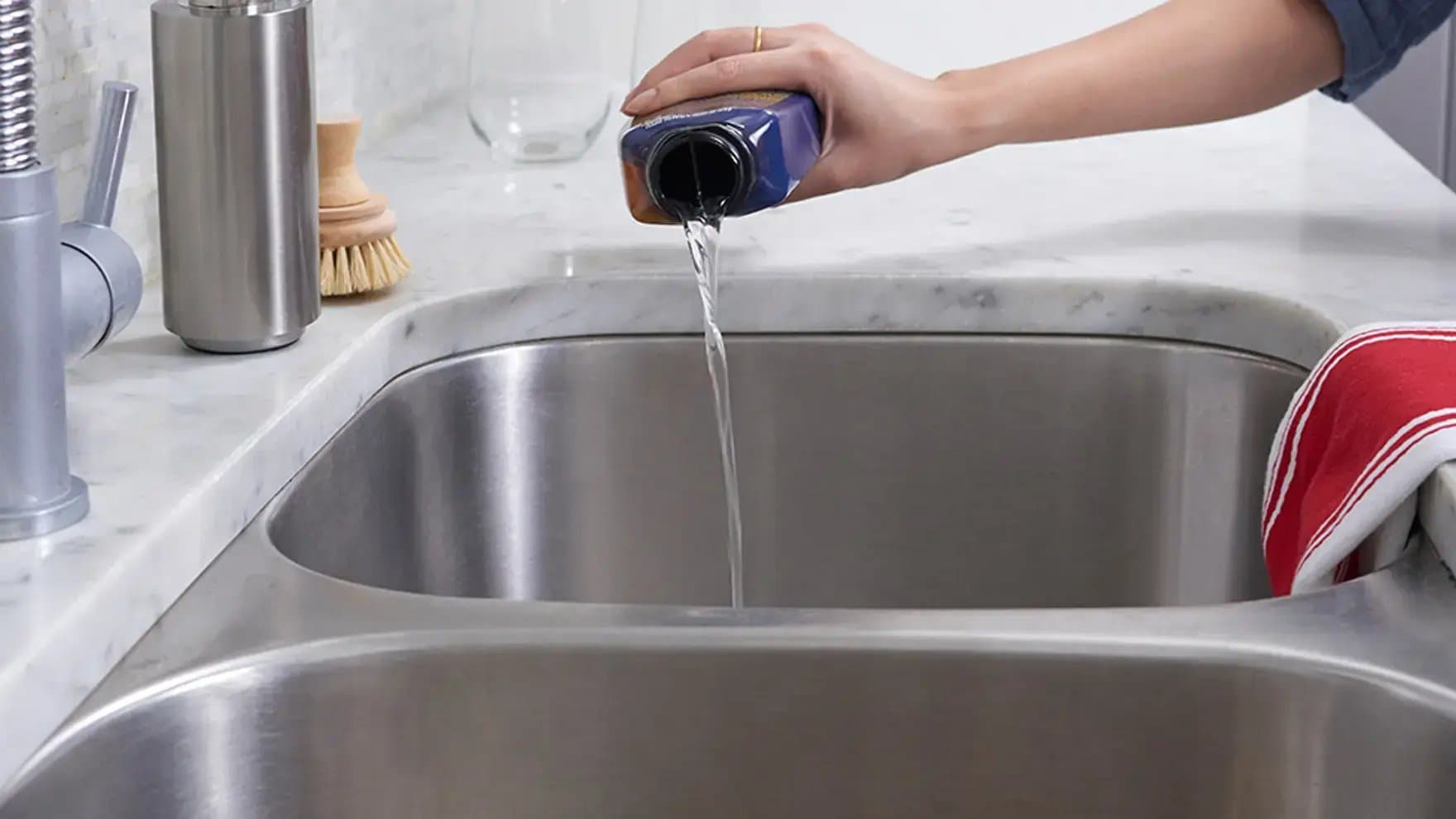
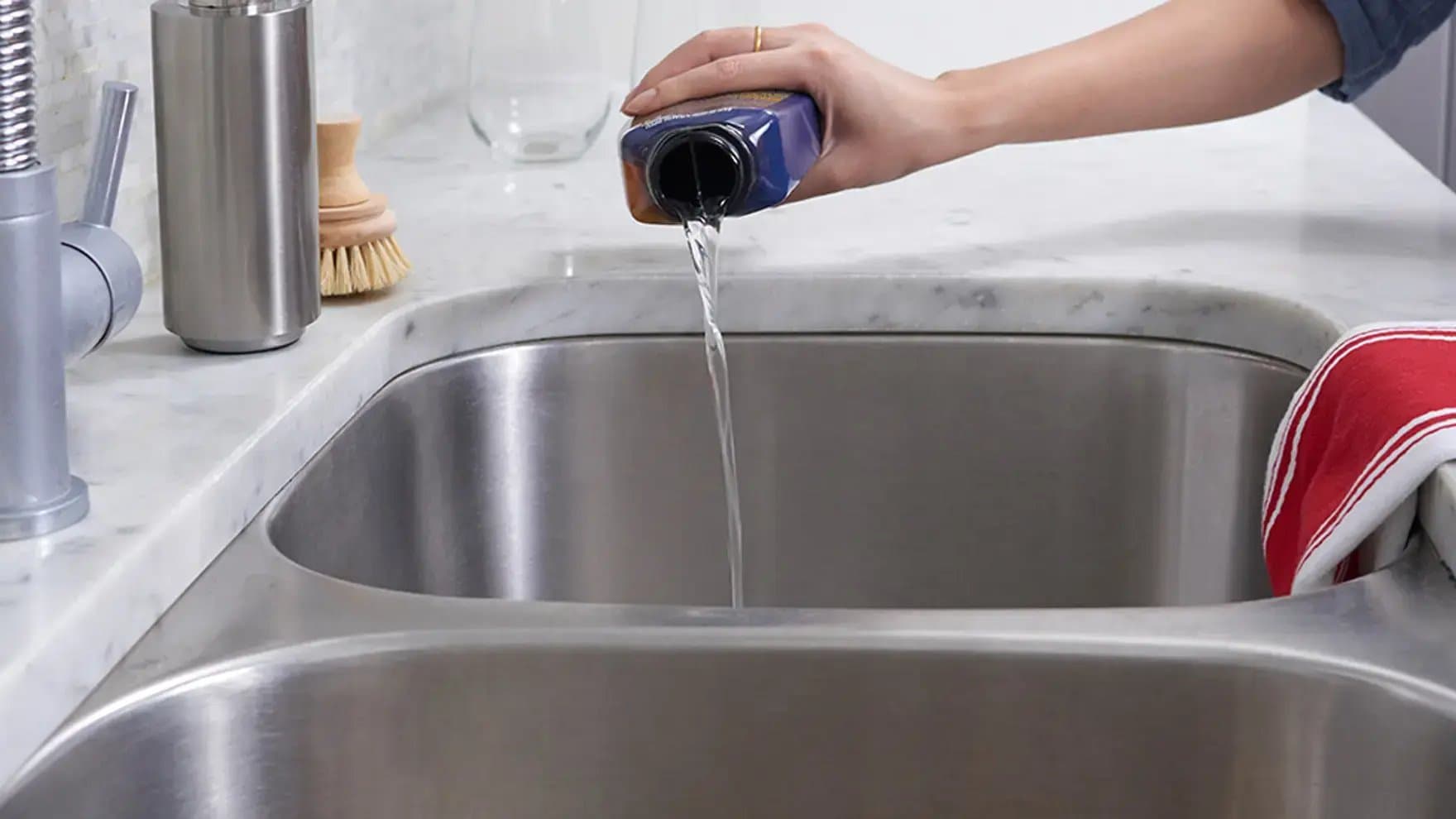
Once a week, dedicate a few minutes to a more thorough cleaning. Baking soda and vinegar are perfect alternatives to bleach for this task. They are both effective and environmentally friendly. Sprinkle baking soda over the sink and scrub with a soft brush. This will help remove stubborn grime and stains without scratching the surface. Next, pour some vinegar over the baking soda. The fizzing action works wonders in breaking down residue and deodorizing your sink. Rinse thoroughly with hot water, and don’t forget to clean the drain. Placing a lemon slice down the disposal can help with odors. By investing a bit of time in these routine practices, you can maintain a sparkling kitchen sink without the need for harsh chemicals. What other natural cleaning tips have you found effective in your kitchen?Preventing Buildup
Cleaning a kitchen sink without bleach is easy. Use baking soda and vinegar to disinfect naturally. Rinse with hot water for freshness.
Preventing buildup in your kitchen sink is crucial for maintaining a clean and hygienic cooking space. While bleach is often the go-to for sanitization, several effective alternatives are available. By following these simple practices, you can keep your sink sparkling without harsh chemicals.Avoiding Food Residue
Food residue is one of the primary culprits behind sink buildup. Make it a habit to scrape your plates before rinsing them in the sink. This reduces the amount of food particles that can cling to your sink’s surface. Consider using a sink strainer to catch larger food pieces. This small step can save you from future clogs and the unpleasant odor of decomposing food. After washing dishes, take a moment to rinse the sink with hot water. This simple action helps wash away any lingering food particles and oils.Draining Tips
Proper drainage is essential in preventing buildup and maintaining a fresh-smelling sink. Ensure your sink’s drain is clear of debris by regularly cleaning it out. A quick check and removal of any visible blockages can make a big difference. Pouring a kettle of boiling water down the drain once a week can help dissolve any greasy residues. Additionally, using a natural drain cleaner, like a mixture of baking soda and vinegar, can effectively clear minor clogs and refresh your drain. Ask yourself, when was the last time you checked your sink’s drain? Taking a few moments to inspect and clear it can prevent future headaches and keep your kitchen running smoothly.Credit: www.housework.com
Benefits Of Eco-friendly Cleaning
Using eco-friendly methods for disinfecting kitchen sinks helps reduce chemical exposure. Natural ingredients like vinegar and baking soda effectively kill germs without the harshness of bleach. This approach is safer for families and kinder to the environment.
Eco-friendly cleaning offers multiple benefits that extend beyond just keeping your kitchen sink spotless. By opting for natural alternatives, you not only contribute to a healthier home environment but also play a part in protecting the planet. In this section, we’ll explore the health advantages and environmental impact of choosing eco-friendly cleaning methods for your kitchen sink.Health Advantages
When you choose eco-friendly cleaning solutions, you’re prioritizing your well-being and that of your family. Unlike harsh chemicals found in bleach, natural cleaners often contain ingredients that are gentle yet effective. These alternatives can help reduce exposure to toxic substances that can irritate skin or respiratory systems. Imagine cleaning your kitchen sink without the worry of harmful fumes affecting your health. Isn’t that a breath of fresh air?Environmental Impact
Eco-friendly cleaning goes beyond personal health; it makes a positive impact on the environment. Natural cleaners are typically biodegradable, meaning they break down without harming ecosystems. By avoiding bleach, you prevent the release of harsh chemicals into water systems, which can disrupt aquatic life. Additionally, many eco-friendly products come in recyclable packaging, reducing plastic waste. Picture yourself contributing to a cleaner planet just by changing how you clean your kitchen sink. Could your daily habits make a difference in preserving our earth?
Credit: www.express.co.uk
Frequently Asked Questions
How To Sanitize A Kitchen Sink Without Bleach?
Sanitize a kitchen sink using vinegar and baking soda. Sprinkle baking soda, scrub, then rinse with vinegar. Finish by rinsing with hot water. This natural method effectively cleans and sanitizes without bleach, ensuring a fresh and hygienic kitchen sink.
How Do You Disinfect Without Bleach?
Use white vinegar, hydrogen peroxide, or rubbing alcohol for effective disinfection. Essential oils like tea tree and lavender also help. Mix vinegar and water for surfaces. Apply hydrogen peroxide directly or diluted on surfaces. Rubbing alcohol works well on electronics.
Essential oils can be added to cleaning solutions for natural disinfection.
Does Hydrogen Peroxide Disinfect Sinks?
Yes, hydrogen peroxide effectively disinfects sinks. It kills bacteria, viruses, and germs on contact. Simply spray or pour it on the sink surface, let it sit for a few minutes, and then rinse thoroughly. This simple process ensures a clean and sanitized sink environment.
Does Boiling Water Disinfect A Sink?
Boiling water can disinfect a sink by killing many germs and bacteria. Pour boiling water directly into the sink. For better results, scrub the sink with soap first. Boiling water is effective but not a substitute for thorough cleaning. Always ensure safety when handling hot water.
Conclusion
A clean kitchen sink keeps your home safe and healthy. Bleach isn’t the only option. Natural methods work just as well. Vinegar and baking soda clean effectively. They’re gentle and less harmful. Regular cleaning prevents bacteria buildup. It also keeps odors away.
Choose methods that suit your lifestyle and needs. Remember, a clean sink means a cleaner home. Try these simple solutions today. You’ll notice the difference right away. Keep your kitchen fresh and inviting. Your family deserves a safe environment. Stay committed to natural cleaning routines.
They make a big impact.

Similar Posts