How to Fix a Broken Kitchen Drawer: Quick Solutions
Your kitchen is the heart of your home, and when something goes wrong, like a broken drawer, it can be frustrating. Imagine reaching for a spatula or your favorite mixing spoon, only to find the drawer jammed or hanging awkwardly.
You might feel tempted to put off fixing it, but what if you could easily solve the problem yourself? Fixing a broken kitchen drawer isn’t as daunting as it seems. With a few simple steps, you can restore functionality and order to your kitchen.
We’ll guide you through the process of fixing that pesky drawer, ensuring it opens smoothly and serves its purpose once again. Don’t let a broken drawer disrupt your cooking space; discover the easy fix today.
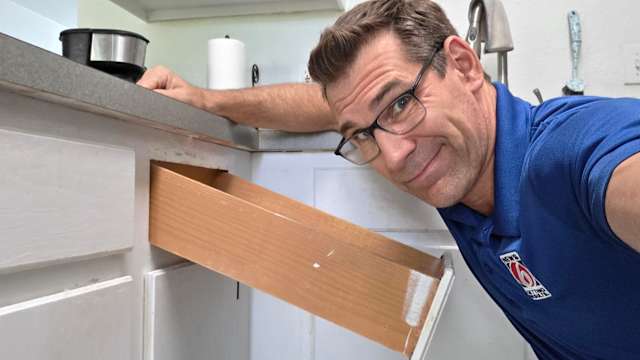
Credit: www.clickorlando.com
Identifying The Problem
First, examine the drawer to find what’s wrong. Check for loose screws, broken tracks, or misaligned parts. Identifying the problem is crucial for a smooth repair process.
Identifying the problem is the first step in fixing a broken kitchen drawer. Understanding what’s wrong can save time and effort. It helps you choose the right tools and materials.Common Drawer Issues
Kitchen drawers face many issues. Misaligned tracks are a frequent problem. This causes the drawer to stick or not close properly. Broken drawer slides can also be a concern. They make it hard to open or close the drawer smoothly. Loose or broken handles are another common issue. This makes it difficult to pull the drawer open. Finally, worn-out rollers can affect drawer movement.Tools And Materials Needed
Gathering the right tools is essential for repair. Here’s a list of what you might need:- Screwdriver
- Hammer
- Wood glue
- Replacement tracks or slides
- Drill
- Nails or screws
- Measuring tape
Assessing Drawer Slides
Assessing drawer slides is crucial when fixing a broken kitchen drawer. Check for misaligned or damaged slides. Tighten screws and realign the tracks to ensure smooth operation.
The heart of any kitchen drawer is its slides. They ensure smooth operation and ease of access. If your kitchen drawer is giving you trouble, it might be time to assess those slides. Understanding how they work and identifying potential issues can save you a lot of hassle. Let’s dive into the details of assessing drawer slides.Types Of Drawer Slides
Drawer slides come in various types, each offering distinct benefits. You might have side-mounted slides, which are visible when you open the drawer. They provide excellent support for heavier loads. On the other hand, under-mounted slides are hidden beneath the drawer, offering a sleek look and often featuring a soft-close mechanism. There’s also the center-mounted slide, typically found in older furniture. This single track runs down the center, offering moderate support. Knowing your slide type is crucial for diagnosing problems and finding suitable replacements.Checking For Misalignment
A common issue with drawer slides is misalignment. When the slides are not properly aligned, the drawer can jam or not close completely. Start by removing the drawer and examining the slide tracks for any warping or bending. Use a level to ensure the tracks are straight and aligned with each other. If you spot any misalignment, a screwdriver can be your best friend. Gently adjust the screws securing the tracks to bring them back into alignment. Tighten the screws to secure the new position, ensuring smooth operation. Have you ever found a drawer that sticks no matter how hard you pull? Misalignment might be the culprit. A quick check and adjustment can transform your kitchen experience.Repairing Drawer Slides
Fixing a broken kitchen drawer can be straightforward. First, check for misaligned slides or broken parts. Then, tighten screws and replace any damaged slides to restore smooth operation.
Repairing a broken kitchen drawer often boils down to fixing or replacing the slides. Drawer slides are the unsung heroes that allow your drawer to glide smoothly in and out. When they falter, it can feel like a tiny yet frustrating hurdle in your daily routine. Fortunately, repairing drawer slides is a task you can tackle with just a few tools and a little patience.Realigning Metal Slides
Start by emptying the drawer to get a clear view of the slides. Check if the metal slides are misaligned. Sometimes, a simple shift in position can cause the drawer to jam. To realign, remove the drawer from the cabinet. Examine the metal slides attached to the cabinet and drawer sides. If they appear bent or misaligned, gently straighten them using a pair of pliers. Reattach the drawer and test it. Does it glide smoothly now? If not, you might need to adjust the screws holding the slides in place. Loosen them slightly, align the slides, and tighten the screws again.Replacing Damaged Slides
If realignment doesn’t solve the issue, it may be time to replace the slides entirely. Begin by measuring the length of your current slides. This ensures you purchase the right size replacements. Detach the old slides from the drawer and cabinet. You might need a screwdriver to remove the screws holding them in place. Once removed, compare the old and new slides to confirm they match. Install the new slides by aligning them with the screw holes and securing them tightly. Reinsert the drawer and test its movement. A smooth glide is a sign of success. Did you know that replacing slides can also be a chance to upgrade to soft-close options? If constant slamming drawers have been a nuisance, this might be your perfect opportunity to enhance your kitchen’s functionality.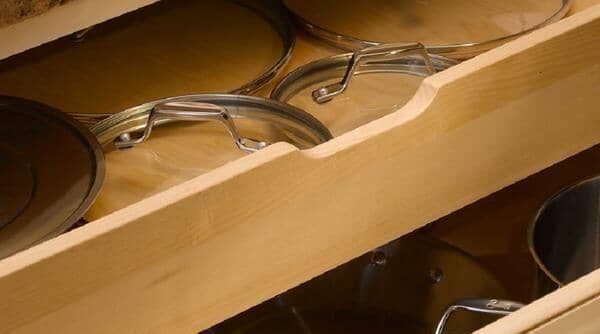
Credit: cabinetdoorsnmore.com
Fixing Loose Or Broken Handles
Fixing a broken kitchen drawer handle is simple. Gather a screwdriver and replacement screws. Secure the handle by tightening the screws, ensuring a snug fit for smooth operation.
Fixing broken or loose handles on kitchen drawers is essential for functionality. A loose handle can make the drawer difficult to open or close. A broken handle can leave your drawer unusable. Addressing these issues promptly ensures your kitchen remains efficient and tidy.Tightening Loose Screws
Loose screws often cause drawer handles to wobble. To fix this, gather a screwdriver that fits the screw heads.- Open the drawer fully to access the screws.
- Check the screws on the handle for any looseness.
- Use the screwdriver to tighten each screw gently.
- Ensure the handle is stable after tightening.
- Test the drawer by opening and closing it.
Replacing Broken Handles
A broken handle needs complete replacement for proper function. Start by removing the old handle.- Unscrew the broken handle using a screwdriver.
- Ensure no parts are left attached to the drawer.
- Choose a new handle that matches the drawer’s style.
- Align the new handle with the existing holes.
- Secure the handle by screwing it tightly.
- Test the handle to ensure it works smoothly.
Addressing Structural Damage
Fixing a broken kitchen drawer involves assessing the damage and gathering necessary tools. Reinforce loose joints with wood glue and screws to restore functionality. Ensure proper alignment for smooth operation.
Addressing structural damage in kitchen drawers can feel daunting, but with the right approach, it’s a manageable task. Whether it’s a sagging bottom or cracked sides, addressing these issues can extend the life of your drawer significantly. Let’s dive into practical solutions to strengthen your kitchen drawers and keep them functioning optimally.Reinforcing Drawer Bottom
A sagging drawer bottom is a common issue, especially with older drawers that carry heavy loads. To reinforce it, start by removing the drawer from its slot and taking out all contents. Check if the bottom panel has slipped out of the grooves. Use wood glue along the edges and press the panel back into the grooves. For added strength, consider using small nails or screws to secure the panel. If the panel is too thin and keeps bowing, attach a thin sheet of plywood underneath for extra support. Have you ever noticed how a little reinforcement can make a world of difference? A reinforced drawer bottom can handle more weight and operate smoothly, saving you from daily frustration.Repairing Cracked Sides
Cracked drawer sides can affect the drawer’s overall stability and appearance. Begin by examining the extent of the crack. If it’s minor, wood glue can be your best friend. Apply glue into the crack, then clamp the drawer side until the glue dries. For larger cracks, you might need to replace the entire side panel. Make sure to measure the dimensions accurately before cutting a new piece. Consider using corner braces inside the drawer for additional stability. They can prevent future cracks and help distribute weight more evenly. Ever thought about how small fixes can prevent bigger issues down the road? Addressing these cracks now can avoid more extensive repairs in the future, ensuring your kitchen drawers are as sturdy as ever.Preventative Measures
Preventing kitchen drawer issues is easier than you might think. With a little care and attention, you can keep your drawers in top condition, avoiding costly repairs down the road. Let’s dive into some practical measures you can adopt to extend their lifespan.
Regular Maintenance Tips
- Clean Regularly:Dust and debris can accumulate in the tracks, making it harder for drawers to slide smoothly. A simple wipe down with a damp cloth can do wonders.
- Check Alignment:Ensure your drawers are aligned correctly. Misaligned drawers can lead to wear and tear over time.
- Lubricate Tracks:A bit of silicone spray on the tracks can prevent squeaking and ensure smooth operation.
Choosing Durable Materials
- Select Quality Wood:Opt for hardwoods like oak or maple that can withstand daily use better than softer woods.
- Invest in Metal Slides:Metal slides tend to last longer than plastic ones, providing better support and durability.
- Reinforced Corners:Look for drawers with reinforced corners to prevent splitting and cracking under pressure.
Have you ever wondered why some drawers last longer than others? The secret often lies in these simple preventative steps. By taking the time to maintain and choose the right materials, you ensure a smoother, more efficient kitchen experience.

Credit: www.tiktok.com
Frequently Asked Questions
How Do I Identify Drawer Issues?
To identify drawer issues, check for misalignment, damaged slides, or broken handles. Inspect for loose screws or warped wood. Listen for unusual noises when opening or closing. Visual inspection can reveal most problems, allowing you to address them effectively. Regular maintenance can prevent recurring issues and prolong drawer lifespan.
What Tools Are Needed For Repairs?
For repairs, you’ll need a screwdriver, hammer, wood glue, and replacement slides. Sandpaper can smooth rough edges. A measuring tape ensures accurate alignment. Depending on the damage, a power drill might be helpful for reattaching hardware. Gather all necessary tools before starting for a smooth repair process.
How To Realign Drawer Slides?
To realign drawer slides, remove the drawer completely. Unscrew and adjust the slide position slightly. Test the drawer fit before tightening screws. Ensure slides are parallel and level. Realigning may require slight adjustments to both slides. Proper alignment ensures smooth operation and prevents further damage.
Can I Repair Without Replacing Parts?
Yes, minor repairs can often be done without replacing parts. Tighten screws, apply wood glue to cracks, or sand rough edges. Clean and lubricate slides for smoother operation. Regular maintenance can prevent significant damage. However, severely damaged parts may require replacement for optimal functionality.
Conclusion
Fixing a broken kitchen drawer is easier than you think. Follow the steps. Gather the right tools. Inspect the damage carefully. Replace any damaged parts. Tighten loose screws. Align the drawer tracks correctly. Test the drawer. Ensure it slides smoothly.
Repeat steps if needed. With patience, your drawer will work like new. No need for professional help. Save money and time. Enjoy a functional kitchen again. Remember, regular maintenance prevents future issues. Keep your kitchen organized and efficient. Your repaired drawer will serve you well for years.
Happy fixing!