How to Strip Paint off Kitchen Cabinets: Expert Tips
Executive Chef & Lead Commercial Kitchen Specialist at Daily Kitchup Test Lab
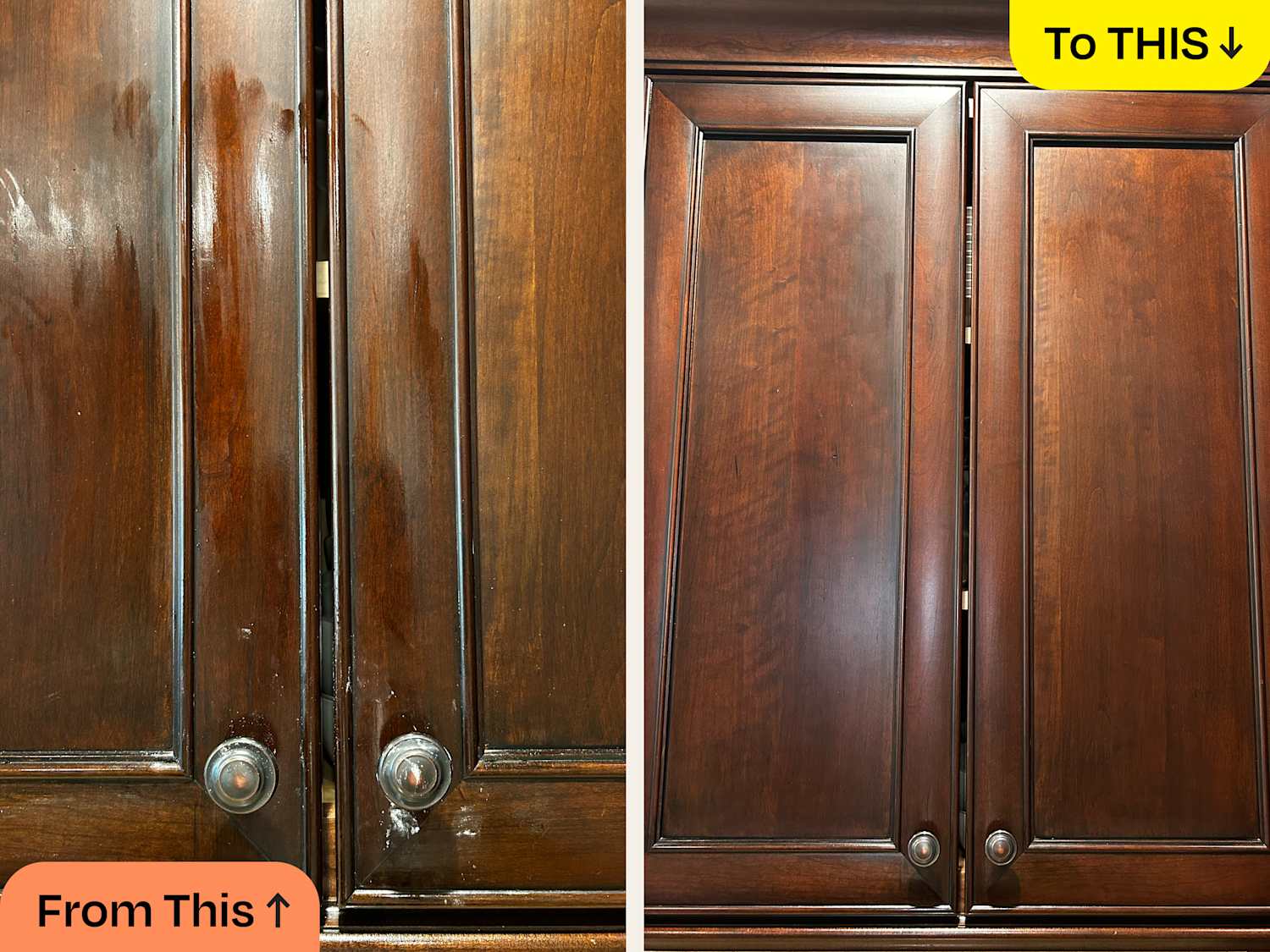
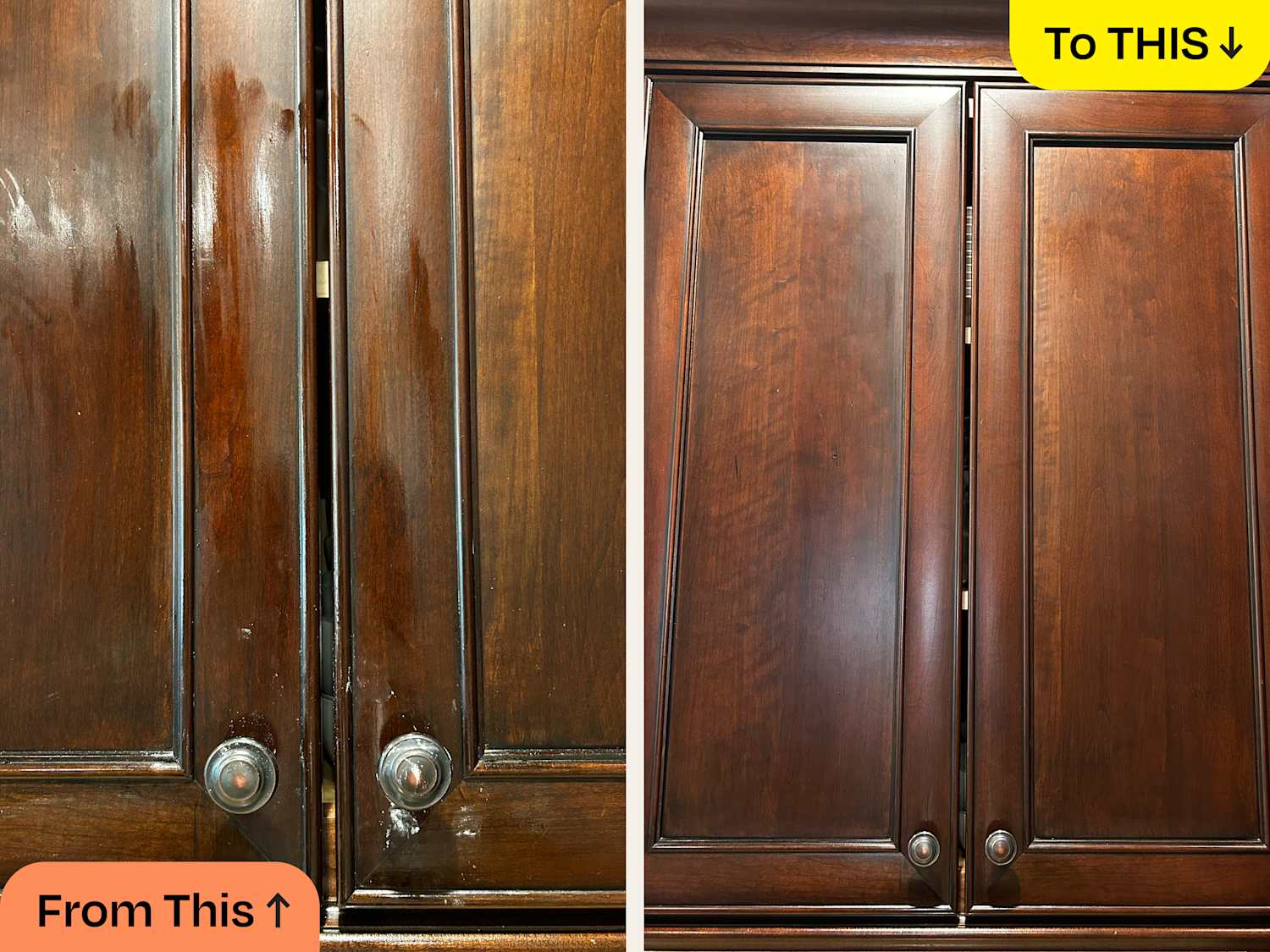
Are your kitchen cabinets looking a bit tired and outdated? Stripping paint off your cabinets can breathe new life into your kitchen, revealing the natural beauty of the wood beneath or giving you a fresh canvas for a new color.
But where do you start? The process might seem daunting, but with the right guidance, it’s easier than you think. Imagine transforming your entire kitchen space with just a little bit of elbow grease. Not only will you save money by doing it yourself, but you’ll also gain the satisfaction of knowing you’ve tackled a rewarding DIY project.
Stick with us, and we’ll walk you through the step-by-step process, sharing insider tips and tricks to ensure your cabinets look stunning once the paint is gone. Are you ready to unveil the hidden potential in your kitchen? Let’s get started!
Choosing The Right Tools
Choosing the right tools is crucial for stripping paint off kitchen cabinets efficiently and safely. Using the proper equipment ensures smooth work and better results. It can also save time and reduce the risk of damage to the cabinets.
Essential Equipment
Having the right tools makes the job easier. Here are some must-have items:
- Paint Stripper:A chemical solution that loosens paint for easy removal.
- Putty Knife:Useful for scraping paint without harming the surface.
- Sandpaper:Helps smoothen the cabinet surface after paint removal.
- Heat Gun:Softens paint for easier scraping. Use with caution.
Safety Gear
Safety is important when working with chemicals and tools. Protect yourself with these items:
- Gloves:Wear gloves to protect your skin from chemicals.
- Safety Goggles:Shield your eyes from splashes and dust.
- Mask:Use a mask to avoid inhaling harmful fumes.
- Protective Clothing:Wear old clothes or an apron to keep paint off you.
Selecting The Best Paint Stripper
Choosing the right paint stripper for kitchen cabinets involves understanding the type of paint and surface. Opt for a product that effectively removes layers without damaging the wood. Safety and ease of use should guide your selection to ensure a smooth renovation process.
Stripping paint from kitchen cabinets requires choosing the right paint stripper. This decision affects both efficiency and safety. Two main types of paint strippers exist: chemical and eco-friendly. Each has unique benefits and potential drawbacks. Knowing the differences helps in making an informed choice.Chemical Strippers
Chemical strippers work fast. They contain strong solvents that break down paint layers quickly. These strippers are great for thick or old paint. They are powerful but must be handled with care. Always use gloves and goggles. Ensure the area is well-ventilated to avoid fumes. Some popular types include methylene chloride-based and caustic strippers. They are effective on oil-based paints. Remember, proper disposal is crucial after use.Eco-friendly Alternatives
Eco-friendly paint strippers use natural ingredients. They are safer for home use. These strippers do not emit harmful fumes. They are biodegradable and less harsh on surfaces. Citrus-based strippers are popular eco-friendly options. They work well for thin paint layers. Another choice is soy-based strippers. They work slowly but are gentle on the environment. Eco-friendly options may require more time but are safer for families.Preparing The Cabinets
Stripping paint off kitchen cabinets requires careful preparation. Begin by removing cabinet doors and hardware, ensuring a clean surface to work on. Use a gentle paint stripper to soften old paint, then scrape away residue with a putty knife.
Preparing your kitchen cabinets for paint removal is an essential step. Proper preparation ensures a smooth process and avoids damage. Before stripping paint, take time to ready the surfaces. It makes the job easier and the results better.Cleaning And Dusting
Start with a thorough cleaning. Use a mild detergent and warm water. Wipe down the cabinets to remove grease and grime. A clean surface helps the paint stripper work effectively. Don’t forget to clean the corners and edges. Dust can hinder the stripping process. Use a soft cloth to remove any dust particles. Pay attention to the cabinet’s nooks and crannies. Every speck of dirt can affect the outcome.Removing Hardware
Take off all cabinet hardware. This includes handles, knobs, and hinges. Use a screwdriver to unscrew them carefully. Place the hardware in a labeled bag for easy reinstallation. Removing hardware protects it from damage. It also provides an even surface for paint stripping. Labeling ensures nothing gets misplaced. Keep these parts together to save time later. This step simplifies the overall process.Applying The Paint Stripper
Applying paint stripper to kitchen cabinets is an essential step in restoring their beauty. This task requires precision and care to ensure the paint is removed effectively, leaving a smooth surface ready for a fresh coat. By understanding the techniques for even application and practicing patience, you can achieve professional results without unnecessary hassle.
Techniques For Even Application
To get an even application, use a high-quality brush or a sponge. A brush helps you reach into grooves and corners, while a sponge can cover larger areas smoothly.
Start from the top of the cabinet and work your way down. This prevents drips and ensures the stripper doesn’t pool at the bottom. Use long, even strokes to distribute the stripper evenly.
Consider using a brush with natural bristles for better control and less chance of leaving brush marks. Have you ever tried using a brush and felt it was leaving streaks? Switching to a sponge might just be the trick.
Timing And Patience
Timing is crucial when applying paint stripper. Allow the stripper to sit as per the manufacturer’s instructions. Rushing this step can lead to uneven removal and extra work.
Waiting patiently is often the hardest part. While you might want to speed things up, letting the stripper work fully saves time in the long run. Keep an eye on the process without disturbing the stripper.
Patience pays off. It’s like waiting for bread to rise – you can’t rush perfection. Have you ever been tempted to scrape off early? Resist the urge for better results.
Removing The Stripper And Paint
Removing paint from kitchen cabinets requires careful preparation and the right tools. Begin by applying a chemical stripper evenly, then let it sit to soften the paint. Gently scrape off the loosened paint using a putty knife, ensuring smooth and clean surfaces.
Removing the stripper and paint from your kitchen cabinets might seem daunting, but with the right tools and techniques, it can be a manageable task. Once the paint stripper has done its job, the next step is to scrape away the loosened paint. This is where precision and patience come into play, ensuring you don’t damage the cabinet surface.Using Scrapers And Brushes
When the paint starts to bubble and peel, it’s time to grab your tools. A plastic scraper is your best friend here. It effectively removes paint without gouging the wood beneath. For corners and intricate details, use a stiff-bristled brush. This will help you access those hard-to-reach areas without scratching the surface. Always work in the direction of the wood grain to maintain a smooth finish.Dealing With Stubborn Spots
Some areas may resist your initial efforts. For these stubborn spots, consider applying a second layer of paint stripper. Let it sit for a shorter period and then attempt removal again. If the paint remains, a fine steel wool pad can be used to gently buff it away. Be cautious with pressure to avoid any damage. Have you encountered a piece of particularly resistant paint? Share your experience with others who might be facing the same challenge. Your insights could be just what they need to complete their project.Credit: www.hgtv.com
Frequently Asked Questions
What Is The Best Way To Remove Paint?
The best way to remove paint from kitchen cabinets is using a chemical stripper. Apply the stripper according to instructions and let it sit. Then, scrape off the softened paint gently with a putty knife. Always wear protective gear to avoid inhaling fumes and skin contact.
Can I Use Vinegar To Strip Paint?
Vinegar can help soften paint but is not as effective as chemical strippers. It works best on small spots or light layers of paint. Apply hot vinegar with a sponge, let it sit, and then scrub. For stubborn paint, a commercial stripper is recommended.
Do I Need To Sand Cabinets After Stripping?
Yes, sanding is crucial after stripping paint off kitchen cabinets. It helps smooth the surface and remove any residue. Use fine-grit sandpaper for a smooth finish. Sanding also prepares the wood for new paint or stain, ensuring better adhesion.
Is Stripping Paint From Cabinets Safe?
Stripping paint can be safe if done correctly. Use protective gloves and goggles to avoid chemical exposure. Ensure good ventilation to minimize inhalation risks. Follow the instructions on the stripper product carefully. Proper safety measures make the process safer and more effective.
Conclusion
Stripping paint off kitchen cabinets is a straightforward task. Follow the steps carefully for best results. Safety is key, so wear gloves and goggles. Choose the right paint stripper for your cabinet material. Use a scraper gently to avoid damage.
Sand the surface for a smooth finish. Clean thoroughly to remove residue. Consider a fresh coat of paint or stain after stripping. This adds new life to your kitchen space. Remember, patience pays off. Stripping paint takes time but transforms your cabinets beautifully.
Now, enjoy your refreshed kitchen look.

Similar Posts