How to Fix the Kitchen Sink Drain: Quick DIY Guide
Executive Chef & Lead Commercial Kitchen Specialist at Daily Kitchup Test Lab
Is your kitchen sink drain giving you trouble? A clogged or slow-draining sink can disrupt your daily routine and turn meal prep into a messy ordeal.
But don’t worry—you can fix it yourself without calling a plumber. Imagine the satisfaction of solving the problem with your own hands, saving both time and money. In this guide, you’ll learn straightforward steps to get your sink drain flowing smoothly again.
You’ll find it easier than you think, using tools you probably already have at home. So, roll up your sleeves and let’s tackle this together. Ready to restore your kitchen to its former glory? Dive in to discover how!
Tools And Materials Needed
Gather a wrench, pliers, and a bucket for the task. A plumber’s snake and cleaning gloves are also necessary. Ensure you have a flashlight and some rags handy for any spills.
Before diving into the repair process, gathering the right tools and materials is essential. Having everything ready not only saves time but also ensures a smoother repair experience. Picture this: you’re mid-repair, and suddenly you realize you need a wrench. Avoid the frustration and keep your repair kit well-stocked.Tools You’ll Need
- Pipe Wrench:Essential for loosening and tightening pipes. Ensure it’s adjustable to handle various pipe sizes.
- Plunger:A trusty plunger can often solve minor clogging issues without needing to disassemble anything.
- Plumber’s Tape:Known as Teflon tape, it’s crucial for sealing threads and preventing leaks.
- Bucket:Handy for catching water and debris when you disconnect pipes.
- Flashlight:Sheds light on those hard-to-see spots under the sink.
Materials Required
- Replacement Washers:Small components that ensure a tight seal. Keep a few on hand for future fixes.
- Drain Cleaner:Choose a safe and effective option to clear stubborn clogs.
- Rubber Gloves:Protect your hands from grime and chemicals while working.
Identifying The Problem
Identifying the problem with your kitchen sink drain is the crucial first step in restoring its functionality. A well-functioning drain ensures seamless kitchen operations, but when things go awry, it can disrupt your daily routine. Before diving into solutions, understanding the root cause is essential. From clogs to leaks, pinpointing the issue will guide you in selecting the appropriate fix.
Signs Of A Clogged Drain
A clogged drain manifests through several telltale signs. Slow draining water is a classic indicator, as your sink struggles to empty. You might notice water pooling around the drain or even backing up. Another sign is the unpleasant odor emanating from the sink, often due to trapped food particles and debris.
Have you ever heard gurgling sounds when the water drains? These sounds might be caused by air bubbles trying to escape through the obstruction. If any of these signs sound familiar, your sink drain is likely clogged.
Detecting Leaks
Leaks can be sneaky culprits that go unnoticed until they cause damage. Inspect under the sink for any signs of moisture or water stains. Is there a persistent puddle or dampness around the plumbing? These are clear indicators of a leak.
Sometimes, a slow leak can lead to mold or mildew, creating a musty smell. Checking the connections and joints can reveal loose fittings that might need tightening. Spotting these signs early can save you from bigger headaches down the line.
When troubleshooting your kitchen sink, it’s crucial to ask yourself: is the problem a clog or a leak? Understanding the signs can lead you to the right solution, ensuring your kitchen runs smoothly once again.
Clearing A Clogged Drain
Is your kitchen sink draining slower than a snail’s pace? A clogged drain can be a real nuisance, but the good news is you can tackle this issue without a plumber. Clearing a clogged drain is often easier than you think, and with a few straightforward methods, you can have your sink running smoothly again in no time. Let’s dive into some practical approaches to clear that stubborn blockage.
Using A Plunger
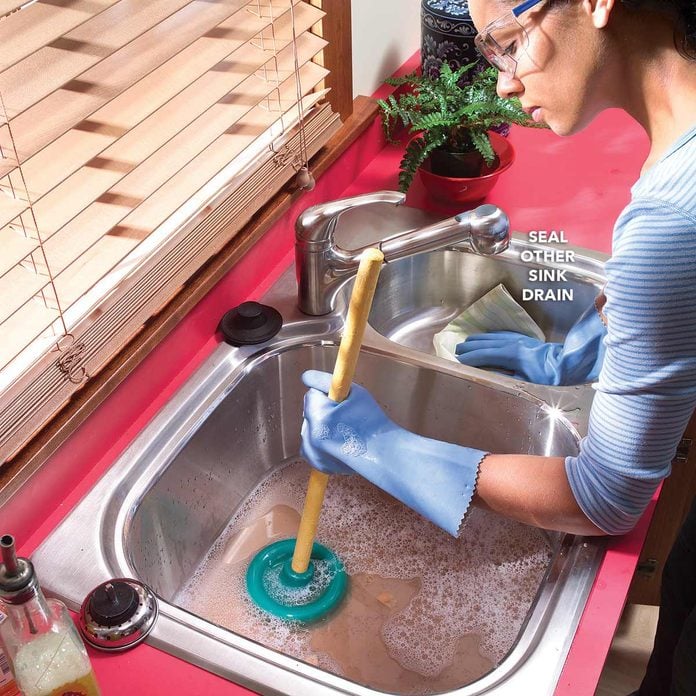
A plunger isn’t just for toilets; it’s a versatile tool for your kitchen sink too. Ensure you have a sturdy plunger handy. Start by filling the sink with enough water to cover the plunger’s cup. This creates the necessary suction force. With firm, consistent thrusts, plunge the sink vigorously. You might notice water beginning to swirl and drain—an encouraging sign. Keep at it until the blockage is dislodged. It’s a bit of a workout, but the results are worth it!
Trying A Drain Snake
When the plunger doesn’t do the trick, a drain snake is your next best friend. This flexible tool can reach deep into your plumbing, tackling blockages that are beyond your reach. Insert the snake into the drain, twisting it as you push. You’ll likely feel resistance as it hits the clog. Keep twisting until you break through the blockage, then slowly pull it out. It’s fascinating how such a simple tool can dig into the heart of the problem!
Applying Baking Soda And Vinegar
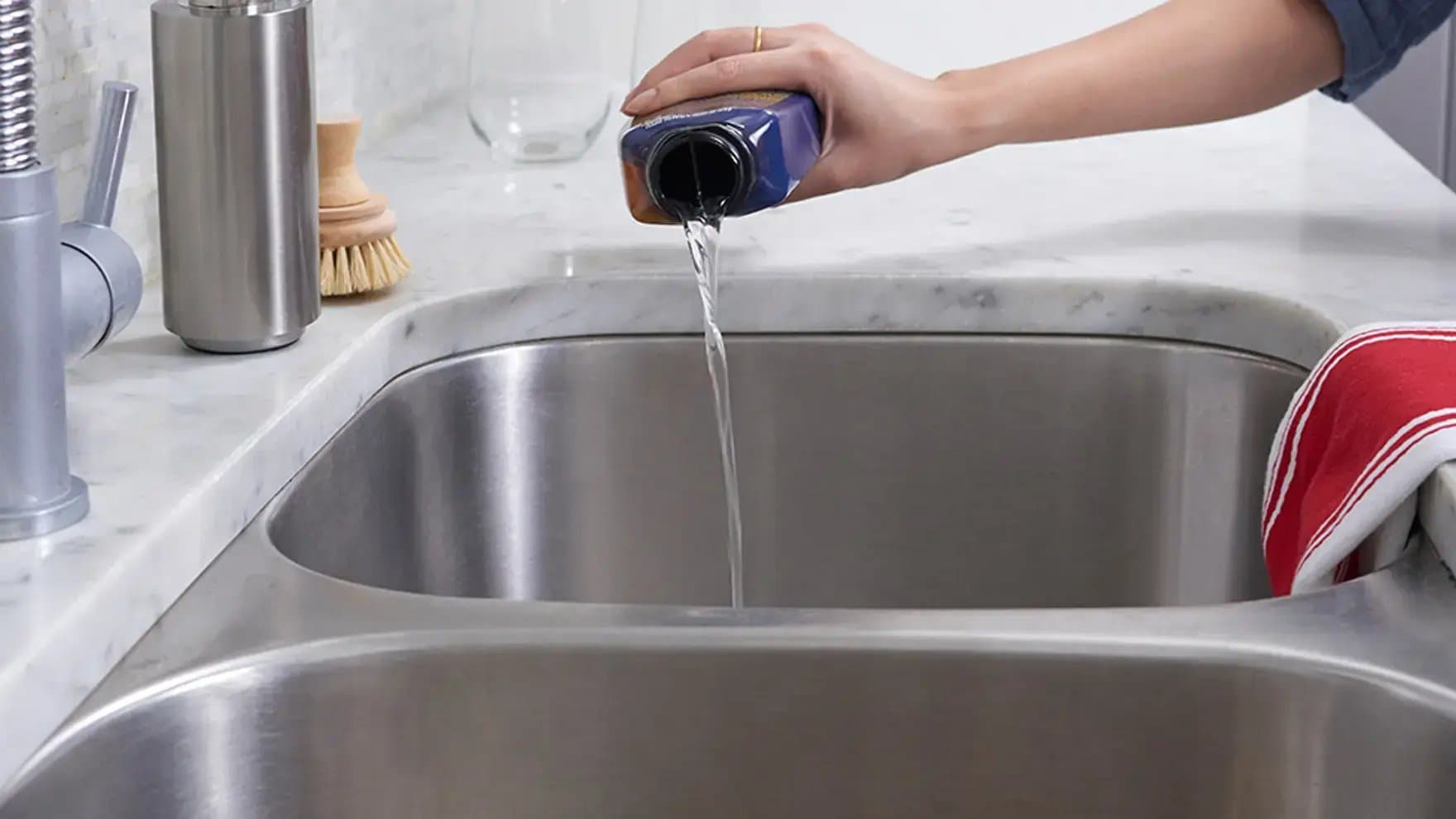
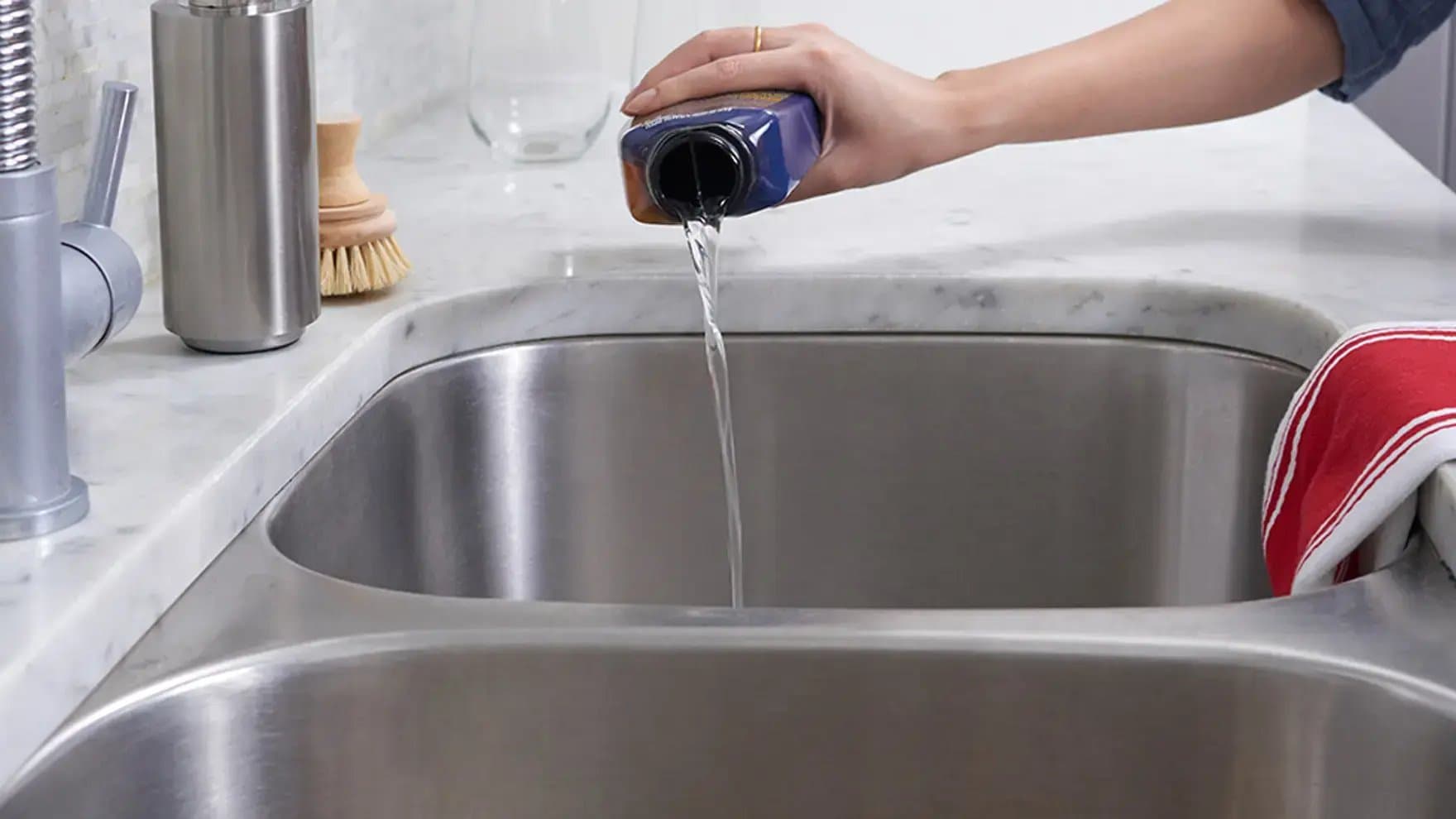
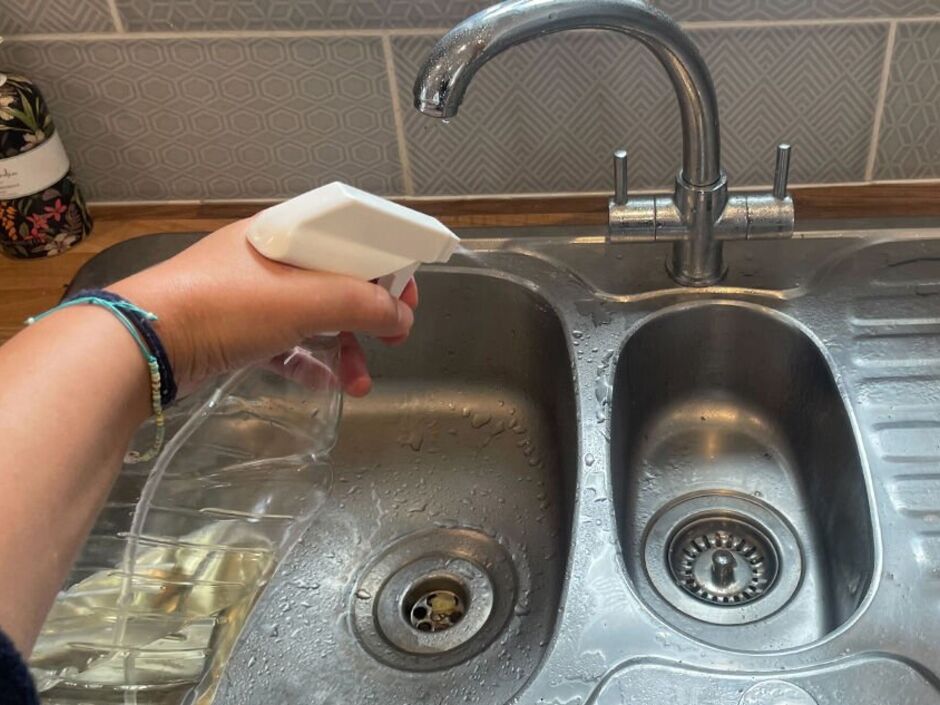
Looking for a chemical-free solution? Baking soda and vinegar is a classic remedy for stubborn drains. Start by pouring a cup of baking soda down the drain. Follow it with a cup of vinegar, and watch as a fizzy reaction occurs. Cover the drain with a plug or cloth to contain the fizz. After about 15 minutes, flush the drain with hot water. This process not only clears the clog but also deodorizes your drain—two birds with one stone! Ever wondered why this duo works? The fizzing action helps break down the gunk blocking your pipes.
Credit: www.tiktok.com
Credit: www.familyhandyman.com
Frequently Asked Questions
How Do You Fix A Kitchen Drain That Won’t Drain?
Use a plunger to clear blockages. Pour baking soda and vinegar down the drain. Flush with hot water. If clog persists, check the trap under the sink. Remove and clean it. Avoid harsh chemicals for safety. If unresolved, consult a plumber for professional assistance.
Regular cleaning prevents future issues.
How To Fix The Seal On A Kitchen Sink Drain?
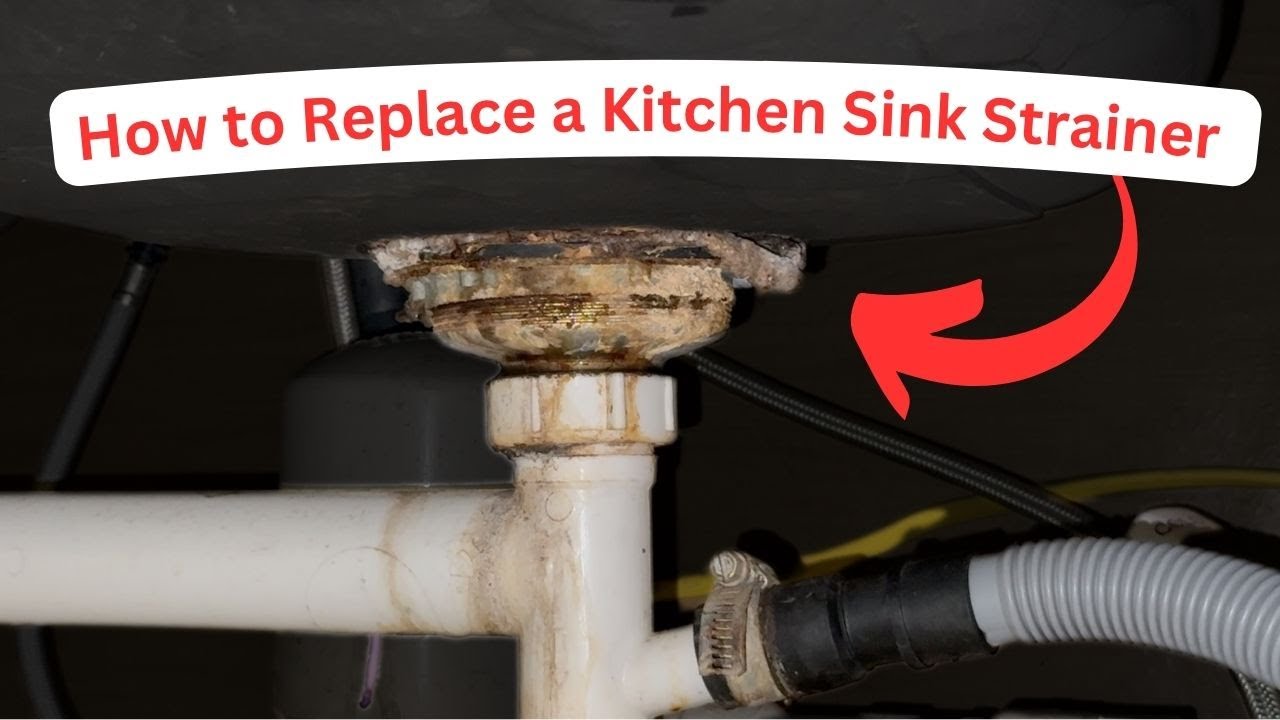
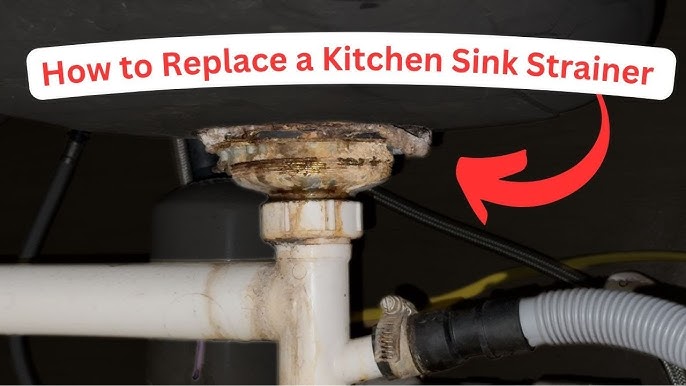
To fix a kitchen sink drain seal, first remove the old seal. Clean the area thoroughly. Apply plumber’s putty or a new gasket around the drain. Ensure it’s properly aligned, then tighten the drain assembly. Test for leaks by running water.
Adjust as needed for a secure fit.
How Much Does It Cost To Replace A Kitchen Sink Drain Pipe?
Replacing a kitchen sink drain pipe typically costs between $100 and $350. This includes labor and materials. The final price depends on the complexity of the job and local rates. Always get multiple quotes from plumbers to ensure a fair price.
How To Fix A Drain That Won’t Pop Back Up?
To fix a drain that won’t pop up, clean debris around the stopper. Adjust or tighten the lift rod. Check the connecting pivot rod and clip for misalignment. If needed, replace worn-out parts. Regular maintenance helps prevent future issues.
Conclusion
Fixing a kitchen sink drain is simpler than it seems. Start with basic tools and patience. Check for clogs or leaks often. Routine checks prevent major issues. Replace worn-out parts promptly. Clean the pipes regularly to avoid blockages. Understand the plumbing layout in your kitchen.
This knowledge helps in quick fixes. Tackle small problems before they grow. With these tips, you can maintain a smooth-running kitchen sink. A little effort saves time and money later. Keep your kitchen functioning smoothly with these easy steps. Happy fixing!

Similar Posts