How to Paint Kitchen Tile Backsplash: Transform Your Space
Revamping your kitchen doesn’t have to involve a costly renovation or a complete overhaul. Sometimes, a fresh coat of paint can work wonders, especially when it comes to your kitchen tile backsplash.
Imagine transforming your cooking space from drab to fab with just a few brush strokes. If you’ve been dreaming of adding a splash of color or updating outdated tiles, you’re in the right place. This guide will walk you through the process of painting your kitchen tile backsplash, making it not only a fun DIY project but also an opportunity to express your unique style.
You’ll discover how easy it is to achieve a professional look without breaking the bank. Plus, you’ll learn tips and tricks that ensure a lasting finish, keeping your kitchen looking fresh and inviting for years to come. Read on to find out how you can turn your kitchen into a masterpiece, one tile at a time.
Credit: garrisonstreetdesignstudio.com
Choosing The Right Paint
Choosing the right paint for your kitchen tile backsplash can transform your space. The correct paint ensures durability and a fresh look. It’s important to select paint that adheres well to tiles and withstands kitchen conditions.
Types Of Paint For Tiles
Various paints work well on tiles. Epoxy paint is highly resistant to moisture. Acrylic paint offers vibrant colors and easy application. Tile-specific paints are designed to bond with ceramic surfaces. Each type has unique advantages.
Color Selection Tips
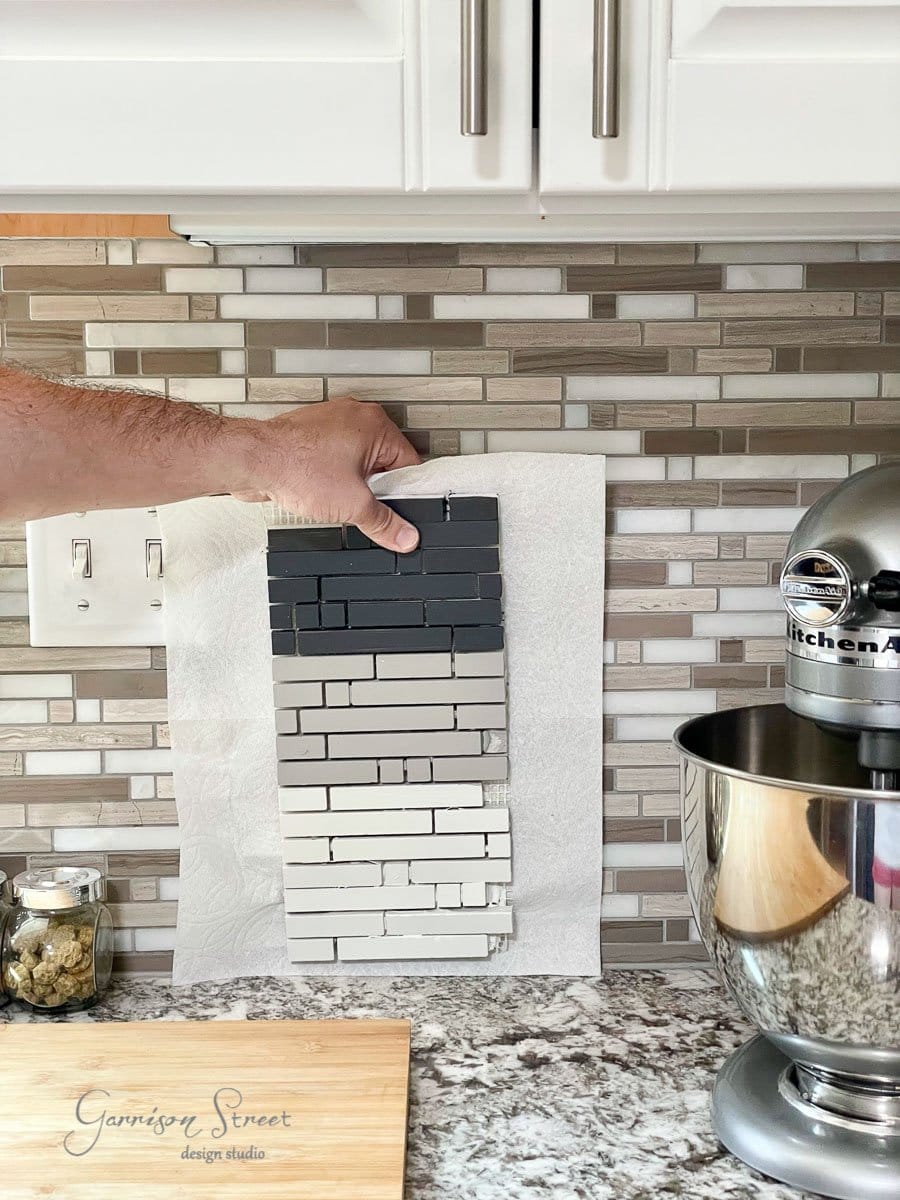
Pick colors that complement your kitchen decor. Light colors make spaces feel open. Dark colors add depth and elegance. Consider the cabinetry and countertops. Neutral shades are versatile and timeless. Bright hues can create a focal point.
Tools And Materials Needed
Gather all necessary materials before starting. Essential tools include:
- Paintbrushes or rollers
- Painter’s tape
- Drop cloths
- Tile cleaner
- Primer suitable for tiles
These tools help achieve a smooth and clean finish. Proper preparation ensures the best results.

Credit: www.tiktok.com
Prepping The Surface
Painting your kitchen tile backsplash can breathe new life into your cooking space. However, before you unleash your creativity with colors, prepping the surface is crucial. Proper preparation ensures a smooth, professional finish that lasts.
Cleaning The Tiles
Start by giving your tiles a thorough clean. Grease and grime build-up is common in kitchens and can prevent paint from adhering well. Use a mixture of warm water and dish soap, or a specialized tile cleaner for stubborn stains. Scrub each tile and rinse thoroughly. Don’t underestimate the power of a clean surface in setting the stage for your masterpiece.
Repairing Cracks And Chips
Inspect your tiles closely for any cracks or chips. Even small imperfections can disrupt the painting process. Use a tile repair kit to fill in these blemishes. This extra step will make your backsplash look seamless and professional, making it hard for guests to believe you did it yourself. Have you ever noticed how small repairs can make a big difference?
Sanding For Adhesion
Sanding is essential for creating a surface that paint can cling to. Lightly sand the tiles with fine-grit sandpaper. This step helps the paint grip better, reducing the risk of peeling later. A little effort here can save you a lot of trouble down the road. Have you ever sanded something and felt the difference in texture? It’s all about making the surface paint-friendly.
Priming The Tiles
Priming the tiles is a crucial step in painting your kitchen tile backsplash. It ensures the paint adheres well and lasts longer. Proper priming creates a smooth surface, ready for the final paint application.
Selecting A Suitable Primer
Choose a primer that matches the tile material. Tiles often need an oil-based primer for better adherence. Check the label for compatibility with ceramic or glass tiles. A good primer prevents peeling and chipping.
Consider the environment. Kitchens might have moisture and heat. Select a primer that withstands these conditions. Ask for recommendations at your local hardware store. Experts can guide you to the best options.
Applying The Primer Evenly
Use a high-quality brush or roller. Apply the primer in thin layers. Even coverage ensures the paint will stick properly. Start from one corner and work your way across. Avoid leaving streaks or bubbles.
Take your time. Rushing might lead to uneven coats. Let each layer dry before adding the next. Multiple thin coats are better than one thick layer. This approach provides a smoother finish.
Drying Time Considerations
Check the primer label for drying time. Most primers need several hours to dry. Factor in humidity levels. Humidity can extend drying times. Ensure the area is well-ventilated.
Plan your painting schedule around drying times. Don’t rush to paint over wet primer. This might cause the paint to peel later. Allow adequate time for the primer to set completely.
Painting Techniques
Painting your kitchen tile backsplash can refresh the space. Using the right techniques ensures a smooth finish. This guide explores key methods. Learn how to achieve the best results. From choosing brushes to adding designs, each step matters.
Using Brushes Vs. Rollers
Brushes offer precision. They work well for corners and edges. For larger areas, rollers are faster. They provide an even coat. Choose based on the area size and detail needed.
Applying Multiple Coats
One coat often isn’t enough. Multiple coats ensure durability. Let each layer dry completely. This prevents smudging. Plan for at least two coats. It enhances color depth and coverage.
Creating Patterns Or Designs
Patterns add style. Use painter’s tape for clean lines. Stencils offer intricate designs. Experiment with colors. Create a unique look that reflects your style. Be patient and precise.
Sealing And Protecting
Proper sealing ensures paint longevity and protects tiles from moisture. Use a high-quality sealant for durable results. Apply evenly for complete coverage and let dry thoroughly.
Sealing and protecting your newly painted kitchen tile backsplash is crucial. It ensures the paint lasts and the tiles stay looking fresh. A good sealant guards against moisture, stains, and daily wear and tear. This step adds an extra layer of durability, maintaining your hard work for years.Choosing The Right Sealant
Select a sealant compatible with your paint type. Water-based paints require a water-based sealant. Oil-based paints pair with an oil-based sealant. Check the label for specifics. Sealants come in matte, satin, or gloss finishes. Choose one that matches your style. Read reviews and ask for recommendations. Some sealants offer added protection against mold and mildew.Applying Sealant For Durability
Clean the tiles before applying the sealant. Use a mild cleaner and let it dry completely. Apply the sealant with a foam brush or roller. Start from one corner and work your way out. Use even strokes to avoid streaks. Apply two to three thin coats for the best protection. Allow each coat to dry before adding the next. Follow the sealant’s drying time instructions closely.Maintaining The Finished Look
Regular cleaning keeps your backsplash looking new. Use a gentle cleaner and a soft cloth. Avoid abrasive scrubbers that can scratch the sealant. Reapply the sealant every few years. This renews protection and maintains the look. Check for areas where the sealant may have worn off. Touch up as needed to keep it consistent.Troubleshooting Common Issues
Painting your kitchen tile backsplash can transform the look of your space, making it feel fresh and updated. However, tackling this project might come with its fair share of challenges. In this section, we’ll dive into troubleshooting common issues you might face. Whether it’s peeling paint, uneven coverage, or preventing future damage, you’ll find practical solutions to keep your backsplash looking pristine. Have you ever tackled a paint job only to find frustrating setbacks? Let’s ensure your kitchen makeover goes smoothly.
Dealing With Peeling Paint
Peeling paint can be a real nuisance, especially on surfaces like tile that require a specific approach. If you notice paint flaking off, it might be due to improper surface preparation. Ensure the tiles are thoroughly cleaned and dried before painting. Use a high-quality primer designed for tiles to create a strong bond.
Another culprit could be using the wrong type of paint. Opt for paint specifically made for high-moisture areas, like kitchen backsplashes. If peeling persists, gently sand the affected area and reapply primer and paint. Have you considered using a sealant? It can provide an extra layer of protection and help prevent future peeling.
Fixing Uneven Coverage
Uneven coverage can make your backsplash look patchy and unprofessional. This often results from using insufficient paint or improper application techniques. Apply the paint in thin, even coats, allowing sufficient drying time between layers. This method helps achieve a smooth, consistent finish.
Using a roller instead of a brush can also help distribute the paint evenly, reducing visible streaks. If you find areas that are lighter than others, touch them up with additional paint layers. How do you ensure a flawless finish when painting? Patience is key—don’t rush the process.
Preventing Future Damage
Keeping your painted backsplash in top condition requires some preventative measures. Frequent cleaning can cause wear and tear, so be gentle when wiping down the tiles. Use non-abrasive cleaners and soft cloths to preserve the paint.
Consider applying a water-resistant sealant to protect against moisture and stains. Regular inspection for chips or scratches can help address issues before they escalate. What steps can you take to maintain your kitchen’s new look? A little care goes a long way.

Credit: thediynuts.com
Frequently Asked Questions
Can You Paint Over A Kitchen Tile Backsplash?
Yes, you can paint over a kitchen tile backsplash. Clean the tiles, apply a primer, and use quality tile paint. Ensure proper ventilation during painting. This refreshes your kitchen’s look without a costly renovation.
Does Painting A Tile Backsplash Really Work?
Yes, painting a tile backsplash can be effective. Proper preparation and using quality tile paint ensure durability. It offers a quick and affordable way to refresh your kitchen or bathroom. Ensure the tiles are clean, dry, and sanded for the best results.
What Is The Downside Of Painting Tile?
Painting tiles can lead to peeling and chipping over time. It may require frequent touch-ups and maintenance. Painted tiles are also less durable, and the finish can fade. Moisture exposure can further damage the paint, making it unsuitable for high-moisture areas like bathrooms.
Can You Paint A Ceramic Tile Backsplash Without Sanding?
Yes, you can paint a ceramic tile backsplash without sanding. Clean the tiles thoroughly and apply a primer. Use high-quality tile paint for best results. Ensure good ventilation and follow drying times. Proper preparation is key for a durable finish.
Conclusion
Painting your kitchen tile backsplash can refresh your space easily. It’s a cost-effective way to add style. With patience, you can achieve a professional look. Clean tiles thoroughly before starting. Choose the right paint for durability. Apply primer first for better adhesion.
Use painter’s tape for neat edges. Let each coat dry fully. The transformation can be remarkable. Your kitchen will feel new and vibrant. Enjoy the creative process. Admire your handiwork every day. This DIY project is rewarding. It brings satisfaction and beauty to your home.
Your kitchen will be unique and personal.