How to Remove Smell from Kitchen Sink Drain: Quick Fixes
Are you tired of that unpleasant odor wafting up from your kitchen sink drain? You’re not alone.
That lingering smell can turn your cooking haven into a less-than-inviting space. Imagine preparing a delicious meal or enjoying a cup of coffee, only to be interrupted by that persistent, unwelcome scent. It’s frustrating, isn’t it? But don’t worry—there’s a solution! You’ll discover simple and effective ways to banish those odors for good.
By the end, you’ll learn easy tricks to keep your kitchen smelling fresh and inviting. Ready to take back your kitchen’s pleasant aroma? Let’s dive in!
Identify The Source
Identify the source of the odor in your kitchen sink drain first. Check for food scraps or grease buildup. Clean the drain to remove any residue causing the smell.
Identifying the source of a foul smell in your kitchen sink drain is the first step towards a fresh kitchen. Often, the smell is due to trapped food particles, grease buildup, or bacteria. Understanding where the smell originates helps you tackle the problem effectively. Let’s explore some common culprits and how to identify them.Check For Food Residue
Food scraps often get stuck in the drain. They rot, causing unpleasant odors. Shine a flashlight down your drain to spot any visible debris. Use a long brush to remove visible particles.Inspect The Garbage Disposal
If your sink has a garbage disposal, it might be the source. Dispose of food residue regularly. Clean the disposal by grinding ice cubes and lemon peels.Examine The P-trap
The P-trap is the curved pipe under the sink. It holds water to block sewer gases. If it’s dry or clogged, it can cause smells. Ensure it has water and clean it if needed.Look For Grease Buildup
Grease can cling to drain pipes, trapping odors. Pour boiling water mixed with dish soap down the drain. This helps dissolve and wash away greasy residues.Sniff Around For Mold
Mold thrives in damp environments. Check around the sink and under the counter for moldy smells. Address any leaks to prevent mold growth.Test For Bacteria
Bacteria can grow in drains. They produce bad smells. Use a bacterial cleaner or a mix of baking soda and vinegar to sanitize the drain.Check The Vent Pipe
A blocked vent pipe can cause drainage issues and smells. Ensure the vent pipe on your roof is clear. Use a plumber’s snake to clear any obstructions. Identifying the source is crucial for a smell-free kitchen sink. Once you know the cause, you can choose the right solution.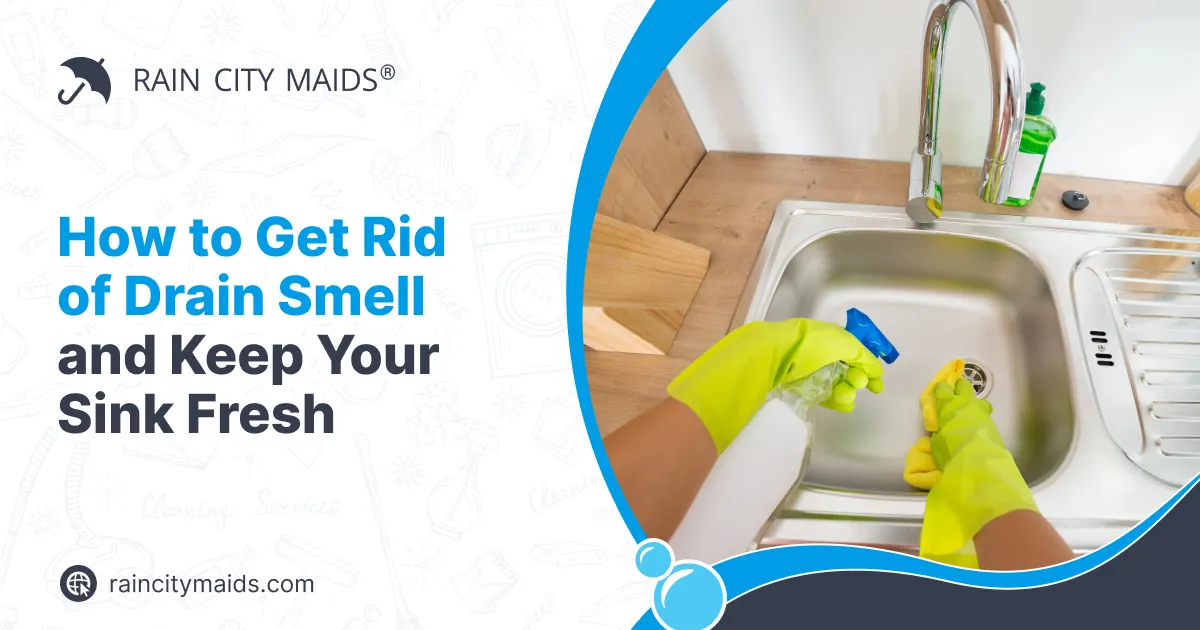
Credit: www.raincitymaids.com
Natural Cleaning Solutions
Keeping your kitchen sink drain smelling fresh can be challenging. Natural cleaning solutions offer effective ways to tackle odors. They are safe, cost-effective, and environmentally friendly. Read on for simple methods to keep your sink fresh.
Baking Soda And Vinegar
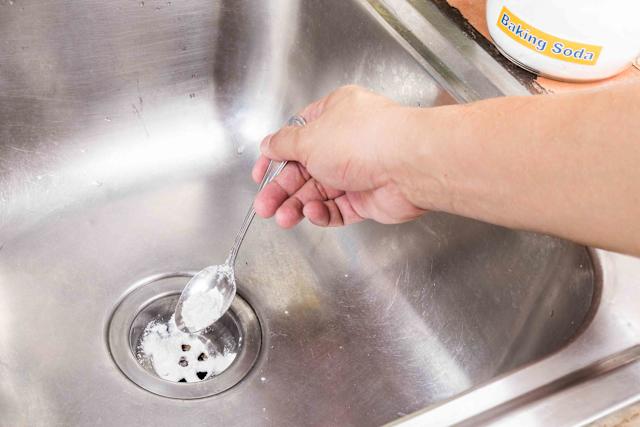
Baking soda and vinegar make a powerful cleaning duo. First, sprinkle half a cup of baking soda down the drain. Let it sit for 15 minutes. Then pour a cup of vinegar slowly down the drain. A fizzing reaction will occur. Wait for 30 minutes. Rinse with hot water. This combination breaks down residues and neutralizes odors.
Lemon And Salt Scrub
Lemon and salt create an effective natural scrub. Cut a lemon in half. Squeeze the juice into the drain. Use the lemon halves as scrubbers. Sprinkle salt on the lemon halves. Scrub the sink and drain area gently. The lemon juice deodorizes while salt removes grime. Rinse with warm water. Your kitchen will smell citrusy fresh.
Chemical Cleaners
Stubborn odors wafting from your kitchen sink drain can be quite a nuisance. Chemical cleaners offer a straightforward solution to this pesky problem. While these powerful agents are effective, they require careful handling. With a variety of options available, knowing which chemical cleaner to choose can be crucial in ensuring your kitchen stays fresh and inviting.
Drain Cleaner Gel
Drain cleaner gels are heavy-duty solutions designed to tackle clogs and odors efficiently. Their thick consistency allows them to coat the inside of the pipes, reaching deep into the drainage system.
- Application:Pour the recommended amount directly into the drain. Allow it to sit for the specified time before flushing with hot water.
- Effectiveness:These gels are excellent for breaking down grease and food residues that contribute to unpleasant smells.
- Precautions:Use gloves and ensure proper ventilation when applying. Follow instructions closely to avoid damage to pipes.
Have you ever wondered if your drain holds secrets of meals past? Drain cleaner gels might be your answer, working hard to dissolve those culinary memories.
Enzyme-based Cleaners
Enzyme-based cleaners offer a more environmentally friendly alternative. These cleaners use natural enzymes to break down organic matter, eliminating odors without harsh chemicals.
- Application:Mix the enzyme cleaner with warm water and pour it down the drain. Let it sit overnight for maximum effectiveness.
- Effectiveness:Ideal for regular maintenance, they prevent future clogs and smells by continuously breaking down organic buildup.
- Benefits:Safe for pipes and septic systems, enzyme cleaners are a gentle yet effective option.
Could this be the gentle hero your kitchen sink has been waiting for? Enzyme-based cleaners offer a quieter battle against odors, letting nature do the work.

Credit: www.drano.com
Regular Maintenance
Regular maintenance can keep your kitchen sink drain smelling fresh. Clean with baking soda and vinegar weekly. Rinse thoroughly with hot water to remove residue and odors.
Regular maintenance is essential for keeping your kitchen sink drain odor-free. By following a consistent cleaning routine, you can prevent unpleasant smells from developing. Regular upkeep not only helps in maintaining hygiene but also extends the life of your plumbing. Let’s explore some easy-to-follow maintenance tips.Weekly Cleaning Routine
Establish a weekly cleaning habit to tackle minor build-ups. Start by pouring boiling water down the drain. This helps in loosening debris and flushing it out. Next, mix baking soda with vinegar. Pour this mixture into the drain and let it sit for 15 minutes. It acts as a natural deodorizer and cleaner. Rinse the drain again with hot water to remove residues. Avoid using strong chemical cleaners weekly. They can damage pipes over time. Instead, opt for natural solutions. Also, ensure to wipe the sink area regularly. This prevents food particles from entering the drain.Monthly Deep Clean
A monthly deep clean helps in removing stubborn grime. Begin by removing the drain cover if possible. Scrub it thoroughly using a brush and soapy water. Then, use a plumber’s snake to clear any clogs deep within the pipes. This tool helps reach areas not accessible by hand. Prepare a solution using lemon juice and salt. Pour it into the drain for added freshness. Let it sit for a while. Rinse with hot water afterward. Finally, check the pipe connections. Tighten them if needed to prevent leaks. Regular deep cleaning ensures the drain functions efficiently. Regular maintenance keeps your kitchen sink drain fresh. Follow these steps for a clean and odor-free kitchen environment.Preventive Measures
Preventive measures can effectively remove unpleasant smells from kitchen sink drains. Regularly clean drains with baking soda and vinegar to neutralize odors. Flush with hot water to maintain freshness and prevent residue buildup.
Preventive Measures to keep your kitchen sink smelling fresh are essential. These measures help avoid unpleasant odors and maintain cleanliness. By adopting simple habits, you can ensure a fresh-smelling kitchen. Let’s explore some practical tips.Food Disposal Tips
Dispose of food waste properly to prevent clogs. Avoid putting large food scraps down the drain. Use a sink strainer to catch food particles. Dispose of coffee grounds and eggshells in the trash. They can cause blockages in pipes. Pour grease and oil into a container, then throw it away. These materials can solidify and block the drain.Proper Sink Usage
Use your sink wisely to avoid odors. Run cold water before and after using the garbage disposal. This helps flush down waste. Clean your sink regularly with soap and water. Use a brush to scrub the drain area. Avoid using harsh chemicals that can damage pipes. Keep your sink dry when not in use. A dry sink is less likely to develop odors.
Credit: www.youtube.com
Professional Assistance
Professional assistance can effectively tackle kitchen sink drain smells. Expert plumbers identify and eliminate odors with advanced techniques, ensuring a fresh and clean environment.
Sometimes, despite your best DIY efforts, that stubborn smell from your kitchen sink drain just won’t go away. This is when calling in a professional might be your best bet. Professional assistance can offer you peace of mind and a fresh-smelling kitchen, ensuring that all underlying issues are properly addressed.When To Call A Plumber
You might be wondering, when is the right time to call a plumber? If you’ve tried cleaning the drain with baking soda, vinegar, or commercial cleaners and the smell persists, it’s time to consider professional help. Additionally, if you notice slow drainage, recurring blockages, or any signs of leakage, these are red flags indicating the need for expert intervention. Ignoring these signs can lead to bigger issues down the line. A plumber can diagnose the root cause of the odor and tackle it efficiently. Remember, prevention is often more cost-effective than repair.Benefits Of Professional Cleaning
What are the advantages of having a professional clean your kitchen sink drain? First, professionals have specialized tools and knowledge that allow them to clean deep into your plumbing system, reaching areas you simply can’t with household items. Another advantage is saving time and effort. You can focus on other tasks while knowing that experts are handling your drain issues. Plus, professional cleaning can extend the lifespan of your plumbing, preventing future problems and costly repairs. Have you ever thought about the hidden costs of not addressing a bad smell promptly? The longer you wait, the more damage can occur, potentially affecting your entire plumbing system. By investing in professional cleaning now, you avoid unpleasant surprises later.Frequently Asked Questions
How Do You Deodorize A Kitchen Sink Drain?
Pour half a cup of baking soda down the drain, followed by a cup of vinegar. Let it fizz for 15 minutes, then rinse with hot water. This removes odors effectively. Repeat weekly for fresh-smelling drains. Baking soda and vinegar are natural, eco-friendly solutions for deodorizing kitchen sinks.
What Do You Pour Down The Drain To Get Rid Of Smell?
Pour baking soda followed by vinegar down the drain to eliminate odors. Let it sit for 15 minutes, then rinse with hot water. This natural method helps neutralize smells effectively. Regularly cleaning drains can prevent odor buildup and maintain freshness.
How Can I Naturally Clean A Smelly Sink Drain?
To clean a smelly sink drain naturally, use baking soda and vinegar. Pour half a cup of baking soda followed by one cup of vinegar. Let it sit for 10-15 minutes, then flush with hot water. This method deodorizes and unclogs drains effectively.
What Causes Kitchen Sink Drain Odor?
Kitchen sink drain odors are often caused by food particles and grease buildup. These can create bacteria and mold, leading to unpleasant smells. Regular cleaning helps prevent these odors and keeps the drain fresh.
Conclusion
Eliminating sink drain odors is simple with the right methods. Regular cleaning keeps your kitchen fresh. Use baking soda and vinegar for a natural solution. Boiling water can also help break down debris. Don’t forget to clean the drain cover.
A clean cover prevents trapped food. Check your garbage disposal regularly. A little maintenance goes a long way. These steps ensure a pleasant kitchen environment. Keep your sink smelling fresh and inviting. Happy cleaning!