How to Remove Smell from Kitchen Sink Without Baking Soda: Effective Solutions
Executive Chef & Lead Commercial Kitchen Specialist at Daily Kitchup Test Lab
Have you ever walked into your kitchen, only to be greeted by an unpleasant odor wafting from your sink? It’s not the most welcoming experience, especially when you’re ready to whip up a delicious meal.
You might have tried the popular baking soda trick, but sometimes you need an alternative that goes beyond the basics. Imagine a fresh-smelling kitchen that invites you in, free from any unpleasant surprises. This article will guide you through effective methods to tackle those stubborn sink odors without reaching for baking soda.
Discover easy solutions that fit seamlessly into your routine, ensuring your kitchen remains a haven of delightful scents. Get ready to reclaim your kitchen space and enjoy a refreshing atmosphere that enhances your culinary adventures.
Credit: www.eliterooter.com
Common Causes Of Sink Odors
Unpleasant odors from the kitchen sink can turn cooking into a chore. Understanding the common causes of sink odors helps tackle them effectively. Various factors contribute to these smells, each requiring a unique approach.
Food Particles And Grease Buildup
Food particles often get stuck in the drain, leading to bad smells. Grease, from cooking, solidifies and adds to the problem. Over time, this buildup starts to rot, creating a foul odor. Regular cleaning reduces buildup and keeps smells at bay.
Clogged Drains
Clogged drains are a major cause of sink odors. Bits of food and waste accumulate, blocking water flow. This blockage results in stagnant water, which smells over time. Clearing the drain regularly prevents clogs and keeps the sink odor-free.
Bacteria And Mold Growth
Bacteria thrive in warm, damp places like kitchen sinks. Mold can also grow in hidden areas, adding to the smell. These organisms release gases that smell unpleasant. Keeping the area dry and clean reduces bacterial and mold growth.
Credit: www.raincitymaids.com
Natural Vinegar Solution
Is your kitchen sink emitting an unpleasant odor, but you’re out of baking soda? Don’t worry. You can still tackle this problem effectively using a natural vinegar solution. Vinegar is a versatile and readily available household item that can help neutralize sink smells without the need for baking soda. Let’s explore how you can use vinegar to freshen up your kitchen sink.
Vinegar Rinse Method
Start by boiling a pot of water. Carefully pour the hot water down the drain to loosen any debris. This step is crucial as it clears the path for the vinegar to work its magic.
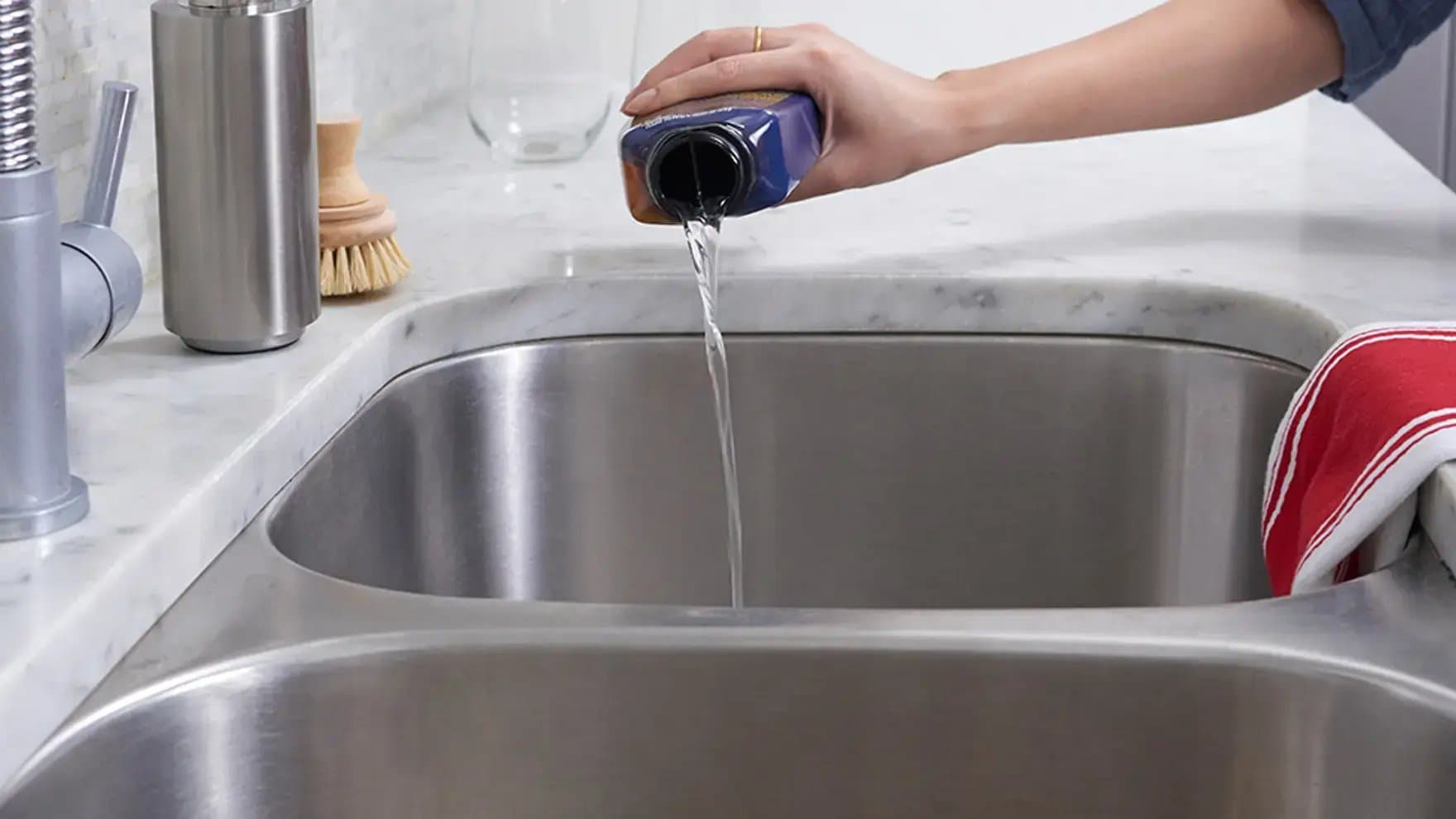
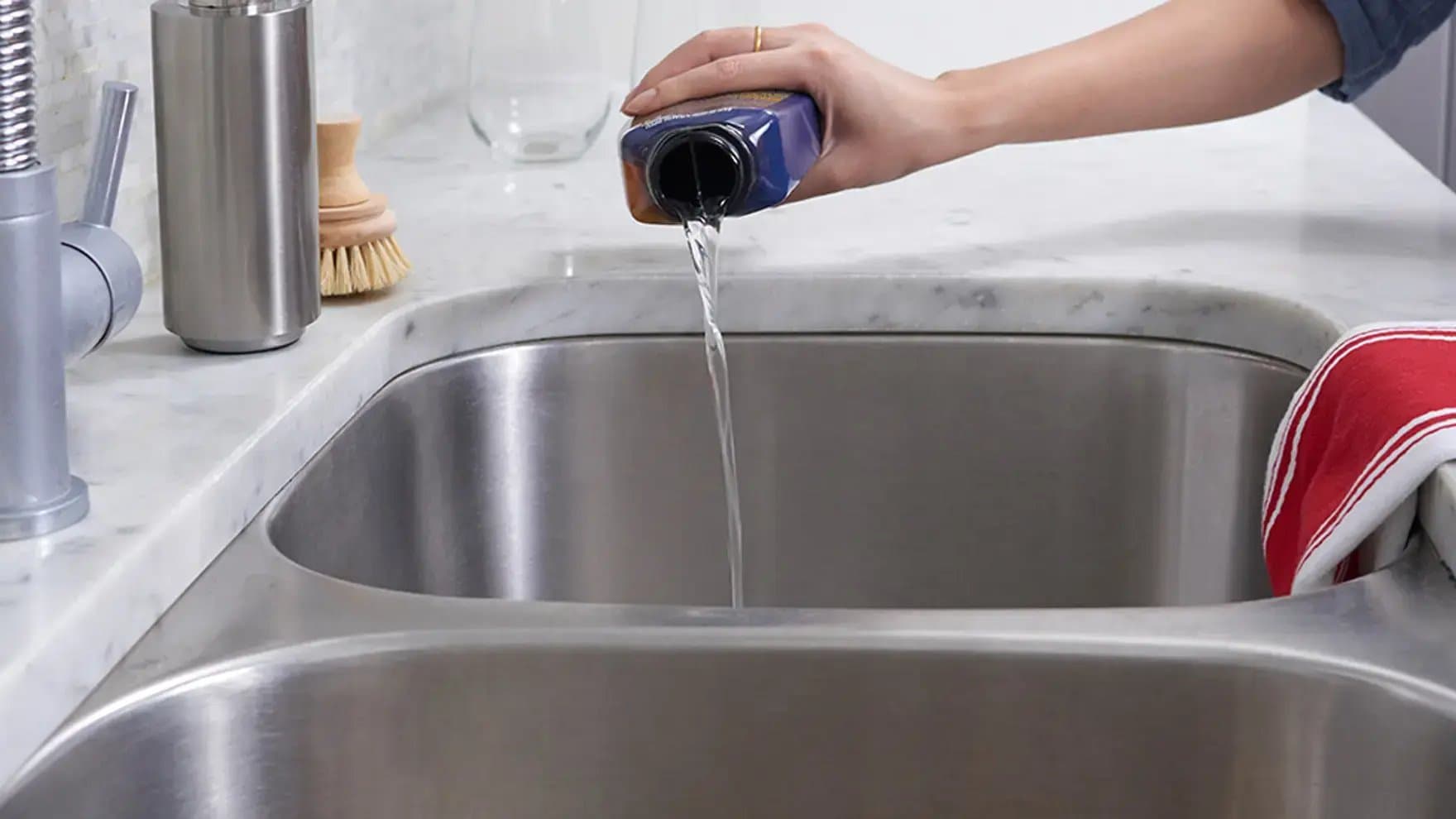
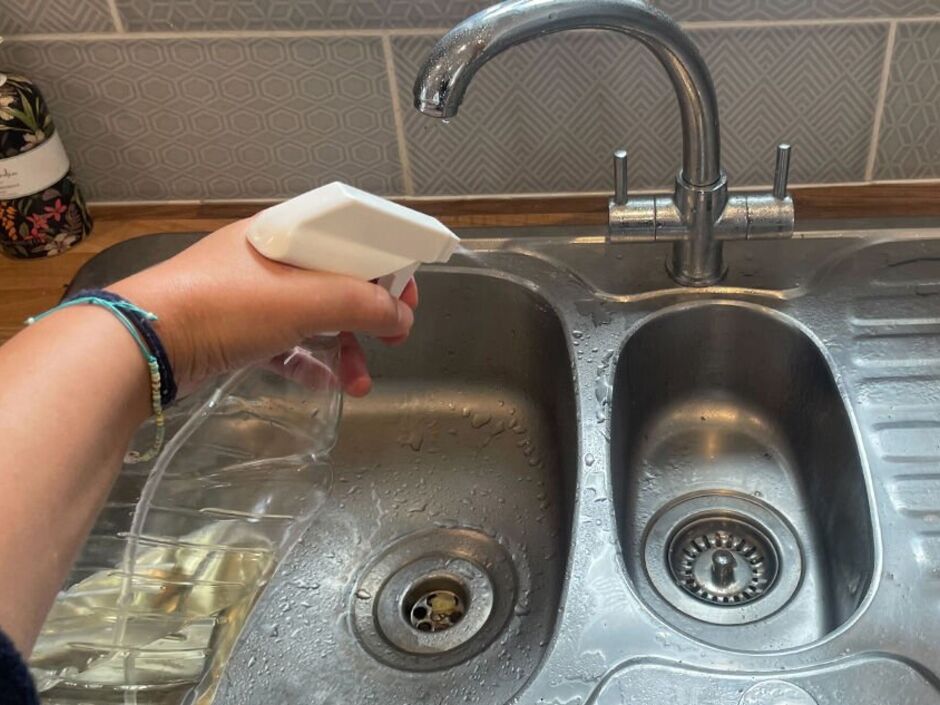
Next, pour one cup of vinegar directly into the sink drain. Allow it to sit for about 20 minutes. During this time, the vinegar will help break down the odor-causing particles.
After the vinegar has had time to sit, flush the drain with another pot of boiling water. This will wash away any remnants and leave your sink smelling fresh.
Benefits Of Using Vinegar
Vinegar is not just effective; it’s also safe and environmentally friendly. Unlike chemical cleaners, it doesn’t introduce harmful substances into your home or the environment.
It’s also budget-friendly. A bottle of vinegar costs very little and can be used for a multitude of cleaning tasks beyond just your sink.
Plus, you probably already have it in your pantry. No need for a special trip to the store, making it a convenient choice when unexpected odors arise.
Have you ever considered how simple solutions can often be the most effective? Next time your sink smells, try this vinegar method and experience the surprising power of this common kitchen staple.
Lemon Juice Freshening
Lemon juice is a natural cleaner. Its fresh scent can banish kitchen sink odors. This citrus fruit offers a simple and effective way to freshen your kitchen. Without relying on baking soda, lemon juice stands out. Its natural acidity helps clean and deodorize effectively.
How To Use Lemon Juice
Start by cutting a fresh lemon in half. Squeeze the juice directly into the sink. Let it sit for a few minutes. Use the remaining peel to scrub the sink surface. Rinse with warm water to finish the process. This simple method leaves your sink smelling fresh.
Advantages Of Lemon Juice
Lemon juice is a natural deodorizer. It is safe and non-toxic. It does not harm kitchen surfaces. Its pleasant scent refreshes the air. Lemons are easy to find and affordable. They also add a shine to your sink.
Salt And Boiling Water Flush
Salt and boiling water flush can effectively remove odors from kitchen sinks. Pour salt down the drain, then follow with boiling water. This simple method helps dissolve residues and neutralize smells.
A kitchen sink can develop unpleasant odors over time, making cooking and cleaning less enjoyable. While many people turn to baking soda for odor removal, there’s a simple alternative: the salt and boiling water flush. This method is easy to execute and uses common kitchen ingredients. Not only is salt readily available, but it also effectively tackles the stubborn odors lurking in your sink. Let’s dive into how you can harness this simple method to refresh your kitchen space.Step-by-step Salt Method
Start by gathering your supplies: coarse salt and a kettle or pot of water. Use about half a cup of salt, which can be table salt, sea salt, or kosher salt. The coarseness of the salt helps scrub away residues that contribute to the odor.
Pour the salt directly down the drain, ensuring it covers as much surface area as possible. Next, boil a pot or kettle of water. Once boiling, slowly pour the water into the drain over the salt.
The hot water helps dissolve the salt and dislodge any stuck particles. This combination can effectively reduce and eliminate odors. It’s a simple yet powerful method, requiring minimal effort and resources.
Why Salt Is Effective
Salt is a natural abrasive, making it ideal for scrubbing away residue that accumulates in your pipes. This residue can harbor bacteria and food particles, which are often the sources of foul smells.
Additionally, salt’s coarse texture helps break up tough grime that may be clinging to the sides of your pipes. When combined with boiling water, salt also helps dissolve grease and other stubborn materials.
Have you ever noticed how quickly salt can dissolve ice on a driveway? The same principle applies here. Salt’s chemical properties make it a versatile tool in your cleaning arsenal.
Next time your kitchen sink has a less-than-pleasant aroma, consider this simple method. Could it be the solution you’ve been searching for?
Essential Oils For Odor Control
Essential oils like lemon, lavender, and tea tree can effectively eliminate kitchen sink odors. Mix a few drops with water, pour down the drain, and let the refreshing scents neutralize unpleasant smells. This natural method is simple and chemical-free, ensuring a pleasant kitchen environment.
Essential oils can effectively remove odors from your kitchen sink. They offer a natural and pleasant-smelling alternative. Unlike harsh chemicals, essential oils are safe for the environment. They provide a refreshing scent and help break down odor-causing bacteria.Types Of Essential Oils To Use
Several essential oils work well for odor control. Lemon oil is a popular choice. It has a fresh, clean scent and antibacterial properties. Lavender oil is another option. It soothes and provides a calming aroma. Tea tree oil is known for its strong antiseptic qualities. It effectively fights bacteria and odors. Eucalyptus oil offers a refreshing minty scent. It also has antibacterial properties.Application Techniques
Using essential oils is simple and effective. First, gather a few drops of your chosen essential oil. Add them to a cup of warm water. Mix well to dilute the oil. Pour the mixture down your kitchen sink. Let it sit for a few minutes. This allows the oil to work on bacteria and odors. For stubborn smells, repeat the process. You can also mix different oils for a unique scent. Regular use will maintain a fresh-smelling sink.Hydrogen Peroxide Cleaning
Hydrogen peroxide effectively removes odors from kitchen sinks. Pour a cup down the drain and let it sit. It kills bacteria and neutralizes smells, leaving your sink fresh and clean.
Hydrogen Peroxide Cleaning Hydrogen peroxide is a powerful cleaner for your kitchen sink. It effectively removes odors without harsh chemicals. Many households have it in their medicine cabinets. This makes it an accessible option for cleaning. Using hydrogen peroxide is simple and safe.Safe Use Of Hydrogen Peroxide
Hydrogen peroxide is generally safe for household use. Always handle it with care to avoid skin irritation. Use gloves to protect your hands. Ensure the area is well-ventilated. This prevents inhaling fumes. Store it away from direct sunlight. Light can weaken its strength over time.Cleaning Process Explained
Start by clearing the sink of debris. Pour hydrogen peroxide directly into the drain. Use about half a cup for effectiveness. Let it sit for around 15 minutes. This time allows it to break down odor-causing bacteria. Rinse the sink with warm water after. Repeat if necessary for stubborn smells.Regular Maintenance Tips
Maintaining a fresh and odor-free kitchen sink without relying on baking soda starts with regular upkeep. By integrating simple habits into your daily routine, you can prevent unpleasant smells from making an appearance. Let’s delve into practical tips that ensure your kitchen sink remains clean and inviting.
Daily Cleaning Habits
Consistency is key when it comes to keeping your kitchen sink smelling fresh. Make it a habit to rinse the sink with hot water after washing dishes. This helps clear away residual food particles and grease.
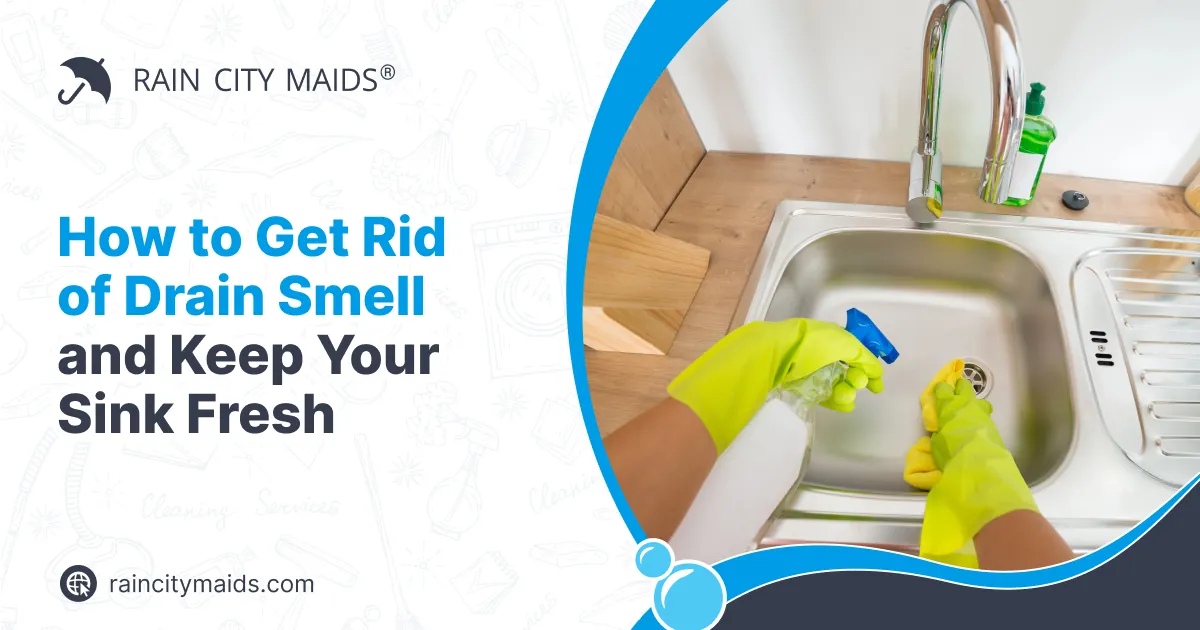
Consider wiping down the sink with a mild dish soap and a soft sponge. This removes any buildup and keeps surfaces clean. A quick 30-second scrub can make a big difference over time.
Have you ever noticed how a quick rinse of the sink can brighten the entire kitchen atmosphere? It’s a small step, but it sets the tone for a clean space.
Preventive Measures
Prevention is better than cure, especially when it comes to smelly sinks. Avoid putting large food scraps down the drain. Instead, use a compost bin to manage waste efficiently.
Regularly check the sink strainer and clean it to prevent blockages. This ensures smooth drainage and reduces the chance of odors forming from trapped debris.
Would you be surprised to know that some people use lemon peels to freshen their sink? Tossing a few peels can add a natural fragrance and help break down grease.
By embracing these simple habits, you not only keep unpleasant smells at bay but also enhance the overall hygiene of your kitchen environment. What changes can you implement today to maintain a cleaner sink?

Credit: www.youtube.com
Frequently Asked Questions
How To Get Rid Of Foul Smell In Kitchen Sink?
Pour baking soda and vinegar down the drain. Let it fizz for 10 minutes. Flush with hot water. Repeat if necessary.
What Do You Pour Down The Drain To Get Rid Of Smell?
Pour baking soda followed by vinegar down the drain to eliminate odors. Let it sit for 15 minutes. Rinse with hot water. This natural remedy helps remove smells and clean the pipes effectively. Avoid chemical cleaners for a safer solution.
Can Just Vinegar Make Your Sink Smell Better?
Yes, vinegar can help neutralize odors in your sink. Pour half a cup of vinegar, let it sit for 15 minutes, then rinse with hot water. This natural solution effectively tackles unpleasant smells and keeps your sink fresh.
What Is A Natural Deodorizer For Sinks?
Baking soda and vinegar are effective natural deodorizers for sinks. Sprinkle baking soda in the sink, then pour vinegar. Let the mixture fizz for a few minutes, then rinse with hot water. This method eliminates odors while keeping the sink clean.
Conclusion
Refreshing your kitchen sink is simple without baking soda. Try vinegar. It’s effective and natural. Lemon juice also works wonders. Both are easy to find. Essential oils can add a pleasant scent. Don’t forget regular cleaning. Scrub often to keep odors away.
Use a sink strainer. It helps prevent food buildup. Keep drains clear by flushing hot water. Routine checks maintain freshness. A clean sink means a fresh kitchen. Enjoy a pleasant cooking environment daily. Smell-free sinks make kitchen time enjoyable. Your kitchen deserves freshness.
Embrace these tips for a clean space.

Similar Posts