How to Tighten Hinges on Kitchen Cabinets: Quick Guide
Are you tired of hearing that annoying creak every time you open your kitchen cabinet? Or perhaps you’ve noticed that the doors don’t quite line up the way they used to.
Loose hinges can turn your once-perfect kitchen into a source of frustration. But here’s the good news: you can easily tighten those hinges yourself without calling in a handyman. Imagine the satisfaction of swinging open your cabinet doors with ease and silence.
In this guide, we’ll walk you through the simple steps to tighten hinges on kitchen cabinets, saving you time and money. Let’s get your kitchen back to its best, so you can focus on what truly matters—creating delicious meals and enjoying your space. Ready to dive in?

Credit: www.youtube.com
Tools Needed
Gather a screwdriver, preferably a Phillips head, to tighten cabinet hinges. A flashlight can help in dim spaces.
Tightening hinges on kitchen cabinets is a straightforward task that can greatly improve the functionality and appearance of your kitchen. But before you dive in, you need to gather the right tools. Having the proper tools not only makes the job easier but also ensures you don’t damage your cabinets in the process. Let’s explore the essential tools needed for this task. Most of us have a toolbox tucked away somewhere, but not all tools are suitable for every job. For tightening cabinet hinges, you’ll need some specific items.- Screwdriver:A Phillips or flathead screwdriver is crucial. Check the type of screws on your cabinet hinges to determine which screwdriver you need. It’s always handy to have both types, just in case.
- Drill:If the screws are particularly stubborn or if you need to replace them, a drill can be a lifesaver. It makes the process quicker and ensures a tight fit.
- Wood Filler:Sometimes, the screw holes become too wide over time. A wood filler can help reinforce these holes, allowing the screws to grip better.
- Level:A small level will help ensure that your cabinet doors hang correctly after tightening. Nobody wants a crooked cabinet!
- Marker or Pencil:Use these to mark where adjustments are needed. This can prevent unnecessary drilling and ensure precision.
Identifying Loose Hinges
Finding loose hinges on kitchen cabinets is essential for smooth door operation. Inspect the hinge screws and tighten them using a screwdriver. If the screw holes are enlarged, consider using wood filler or matchsticks to ensure a snug fit.
Identifying loose hinges on kitchen cabinets is essential for smooth operation. Loose hinges can cause doors to sag or misalign. This affects the overall look of your kitchen. Detecting these issues early is key to maintaining your cabinets.Check For Door Alignment
Open and close the cabinet doors. Observe if they align properly. Misaligned doors often indicate loose hinges. Look for gaps between the door and frame. Consistent gaps show well-positioned doors.Listen For Unusual Sounds
Pay attention to squeaks or creaks. These noises can signal loose hinges. They may also point to worn-out parts that need tightening.Inspect Hinge Screws
Check the screws on the hinges. Use a screwdriver to see if they are loose. Loose screws are a common cause of hinge problems. Tightening them can improve hinge stability.Test Door Movement
Gently shake the cabinet door. Notice if it wobbles or moves excessively. This movement often means the hinges are not secure. Steady doors indicate well-tightened hinges.Evaluate Hinge Condition
Look closely at the hinges. Check for rust or damage. Damaged hinges might need replacement. Keeping hinges in good shape ensures longer-lasting cabinets.Preparing The Cabinet
Properly tightening hinges on kitchen cabinets ensures smooth operation. Start by locating the loose hinge screws. Use a screwdriver to tighten them securely. If the screws don’t hold, consider using longer ones for a better grip.
Preparing your kitchen cabinet for tightening hinges is an essential step that sets the foundation for effective adjustments. Without proper preparation, you might overlook key details that could lead to bigger issues down the line. So, let’s dive into how you can get started on the right foot.Clear The Cabinet Contents
Before you roll up your sleeves, make sure to empty the cabinet. Removing items not only gives you better access but also prevents any accidental damage. Plus, it’s a perfect excuse to declutter and reorganize your kitchen space.Inspect The Hinges And Door Alignment
Once the cabinet is empty, take a close look at the hinges. Are they rusty or looking worn out? Check if the cabinet door aligns with the frame properly. Misalignment could indicate loose screws or a need for hinge adjustment.Gather Your Tools
You’ll need a few basic tools to tighten those hinges. A screwdriver, preferably a Phillips head, is your best friend here. Consider keeping a small flashlight handy to illuminate those hard-to-see areas, ensuring you don’t miss any details.Wipe Down The Hinges
Dust and grime can accumulate around the hinges, making them less effective. Use a damp cloth to gently clean the area, removing any debris that might interfere with a smooth adjustment. A clean surface is easier to work with and ensures better results.Evaluate The Hinge Screws
Check the screws on your hinges. Are any of them loose or stripped? Tightening hinges effectively requires intact screws, so replace any that are damaged. This simple step can save you a lot of headache down the road. Preparing your cabinet may seem like a small task, but each step brings you closer to a more efficient kitchen space. Have you ever found a forgotten treasure while clearing out a cabinet? Share your stories and let’s get those hinges tightened!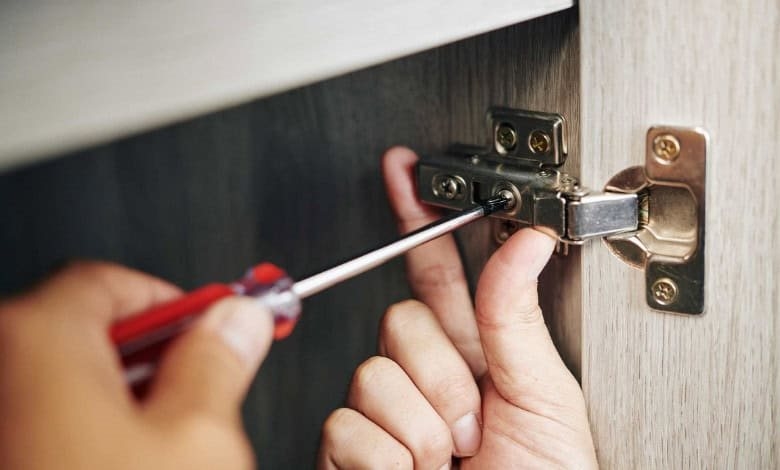
Credit: www.knysnaplettherald.com
Tightening The Screws
Tightening hinges on kitchen cabinets improves functionality and prevents doors from sagging. Use a screwdriver to adjust loose screws, ensuring a snug fit. Regular checks keep cabinets in top condition.
Tightening the screws on kitchen cabinet hinges is a simple task. It is essential for keeping your cabinets functioning smoothly. Loose screws can cause doors to sag or misalign. Fixing this problem can enhance the overall look of your kitchen. Plus, it prevents further damage to the cabinetry.Locate The Loose Screws
Before you start, find the screws that need tightening. Open the cabinet door. Examine the hinges closely. Look for screws that are visibly loose or protruding. These are the ones you need to address first.Use The Right Tools
Using the correct tools is crucial for a successful fix. Grab a screwdriver that fits the screw heads. Using the wrong size can strip the screws. Ensure the screwdriver is in good condition. This helps in getting a firm grip on the screws.Tighten The Screws Properly
Once ready, position the screwdriver. Turn each screw clockwise to tighten. Make sure not to over-tighten. This can damage the cabinet or hinge. Aim for a snug fit. Check alignment by opening and closing the door.Check Hinges And Doors
After tightening, inspect the hinges and doors. Open and close the cabinet a few times. Check if the doors are aligned well. Ensure they close smoothly without obstruction. If not, recheck the screws and adjust as needed.Regular Maintenance
Regularly check the screws to prevent future issues. Loose screws can lead to more significant problems. A quick monthly check can keep your cabinets in top shape. This simple maintenance routine saves time and effort later.Adjusting The Door Alignment
Adjusting the door alignment on kitchen cabinets involves tightening the hinges. Begin by checking for loose screws and ensure they are firmly fastened. If the door still misaligns, consider adjusting the hinge plates for better alignment.
Adjusting the door alignment on your kitchen cabinets can make a significant difference in the overall look and functionality of your kitchen. Misaligned doors not only affect aesthetics but can also cause unnecessary wear and tear on the hinges over time. You might not realize it, but ensuring that your cabinet doors are properly aligned can save you time and frustration in the long run. Imagine the satisfaction of a perfectly aligned door that closes smoothly without a hitch. Let’s dive into how you can achieve this.Checking Door Gaps
Begin by examining the gaps between the cabinet doors and the frame. Ideally, the spacing should be even and minimal across all edges. Uneven gaps can indicate that the door is either too high or too low, or that it’s skewed to one side. A simple way to check is by closing the door and observing the edges. If you notice that one side has a larger gap, it’s time to make an adjustment. Grab a measuring tape for precision, if needed.Aligning The Door
To align the door, you’ll need to adjust the screws on the hinge. Most modern cabinets have adjustable hinges that allow you to move the door up, down, left, or right. Start by loosening the screws slightly, but be careful not to remove them entirely. This will give you some play to shift the door into the desired position. Once you’ve aligned the door so that the gaps are even, tighten the screws firmly to hold it in place. It’s like fine-tuning a musical instrument—small adjustments can make a big difference. Remember, the goal is for your cabinet doors to open and close smoothly without rubbing against the frame. If you find yourself struggling, take a step back and reassess the alignment. Sometimes, a fresh perspective is all you need to see the solution.Testing The Door Function
Testing the door function involves checking the alignment and smooth operation of hinges. Adjust screws to tighten loose hinges on kitchen cabinets for improved stability.
Testing the door function is an essential step after tightening hinges. It ensures that the cabinet doors open and close smoothly. This process helps maintain a neat and functional kitchen space. Let’s dive into the steps to test the door function effectively.Inspect The Door Alignment
Check if the door aligns with the cabinet frame. Uneven doors indicate a need for adjustment. A well-aligned door should sit flush against the cabinet.Open And Close The Door
Gently open and close the cabinet door. Listen for any squeaks or resistance. The door should move effortlessly without sticking.Check The Door Gap
Observe the gap between the door and cabinet. A uniform gap ensures the door is properly adjusted. Adjust the hinges if the gap is uneven.Test The Door Handles
Grip the door handles and pull gently. Ensure they feel secure and do not wobble. Tighten any loose screws to secure them.Ensure Door Stability
Push the door slightly to test its stability. A stable door should not wobble or shake. Adjust the hinges to enhance stability.Verify The Latch Function
Close the door fully to check the latch. A functional latch should catch easily. Adjust the latch if it does not secure properly. By following these steps, you ensure your kitchen cabinets function smoothly. Proper testing helps in maintaining a well-organized kitchen environment.Preventing Future Issues
Tightening loose cabinet hinges prevents future issues and ensures smooth operation. Use a screwdriver to adjust screws. Regular checkups can keep your kitchen cabinets sturdy and reliable.
Preventing future issues with kitchen cabinet hinges is crucial. It saves time and avoids frustration. Proper care ensures your cabinets remain functional and attractive. This section will guide you on how to maintain and select the right hinges.Regular Maintenance Tips
Regular maintenance helps extend the life of your cabinet hinges. Check hinges every few months. Look for loose screws or signs of rust. Tighten any loose screws with a screwdriver. Keep the hinges clean and dry. Wipe them with a damp cloth to remove dust. Apply a small amount of lubricant to keep them moving smoothly.Choosing Quality Hinges
Quality hinges make a big difference in durability. Choose hinges made from strong materials like stainless steel. These resist rust and wear over time. Consider the weight of your cabinet doors. Heavier doors need stronger hinges for support. Look for brands with good reviews and a warranty. A reliable brand ensures you get a product that lasts. Quality hinges reduce the need for frequent adjustments. They also enhance the overall look of your kitchen cabinets.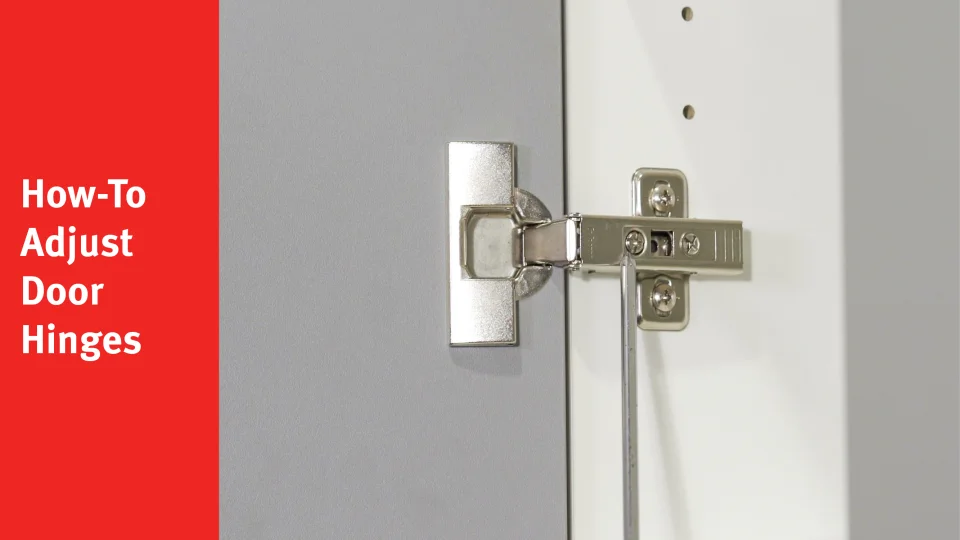
Credit: u-install-itkitchens.com.au
Frequently Asked Questions
How To Tighten A Loose Cabinet Hinge?
To tighten a loose cabinet hinge, use a screwdriver to tighten the screws. If the screws are stripped, replace them with longer ones. For extra stability, fill the screw holes with wood filler or matchsticks before re-screwing. Adjust the hinge alignment as needed for a perfect fit.
How To Adjust Cabinet Hinge Tension?
To adjust cabinet hinge tension, locate the adjustment screws on the hinge. Turn the tension screw clockwise to tighten or counterclockwise to loosen. Test the door movement after each adjustment to ensure smooth operation. Repeat the process if necessary for the desired tension.
How To Make A Hinge Tighter?
To make a hinge tighter, tighten the screws using a screwdriver. Replace loose screws with longer ones if needed. Add toothpicks coated with wood glue into screw holes for better grip. Adjust the hinge position and test door movement.
How Do I Stop My Cabinet Hinges From Opening Too Far?
Install cabinet door restrictor clips to limit hinge movement. Adjust hinge screws to ensure proper alignment and tightness. Use hinge stops or bumpers to prevent doors from opening too wide. For a DIY fix, attach a small chain or cord to restrict door opening.
Regular maintenance ensures longevity.
Conclusion
Tightening kitchen cabinet hinges is simple and saves money. No special tools needed. Just a screwdriver and a bit of patience. Regular checks prevent loose hinges in the future. Keep your cabinets functioning smoothly. This small task improves your kitchen’s overall look.
Share these tips with friends. They might find it helpful too. Remember, small fixes make a big difference. Enjoy a neat and tidy kitchen space. Your cabinets will thank you! Keep them in good shape for years to come. Happy fixing!