How to Turn Kitchen Sink Water off: Quick Guide
Are you facing a sudden leak or need to repair your kitchen faucet? Knowing how to turn off your kitchen sink water is a handy skill that can save you time and prevent a potential mess.
Imagine coming home to a flooded kitchen—stressful, right? By learning this simple trick, you can avoid unnecessary panic and costly repairs. You’ll discover easy-to-follow steps to quickly and efficiently turn off your kitchen sink water supply. Stay with us, and empower yourself with the knowledge that could save your kitchen and your peace of mind.
Credit: www.lanesdrainageservices.co.uk
Locate The Shut-off Valve
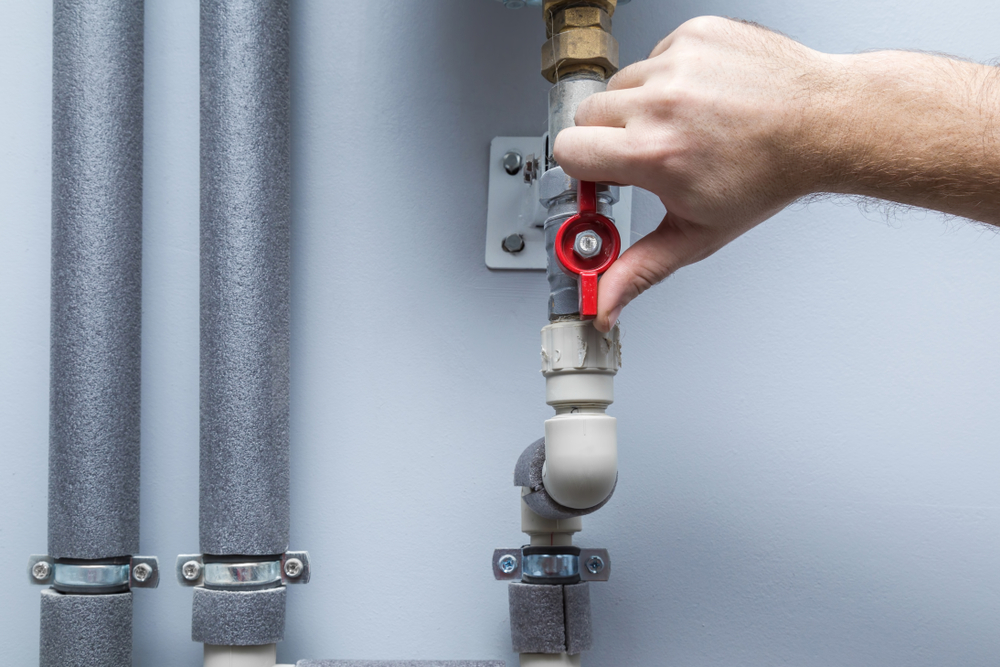
Find the kitchen sink’s shut-off valve under the sink, usually attached to the wall or cabinet. Turn the valve clockwise to stop the water flow.
Turning off the water supply to your kitchen sink can save you from a potential mess when a leak occurs or when replacing fixtures. The key is knowing where to find the shut-off valve, which is surprisingly simple once you know where to look.Under The Sink
Start by checking under the sink. Most kitchen sinks have shut-off valves located right beneath them. Look for two small valves connected to the water pipes. These are typically round or oval-shaped knobs. Twist them clockwise to turn off the water. It’s a quick fix, especially when you notice a small drip or need to replace a faucet.Main Water Supply
If you can’t find the valves under the sink, or if turning them doesn’t stop the water, you might need to shut off the main water supply. Head to where the main water line enters your home. This is often found in basements, garages, or utility rooms. Locate the main valve; it usually resembles a large wheel or lever. Turn it clockwise to stop the entire household’s water supply. This is your go-to when dealing with major plumbing issues or renovations. Always remember, knowing how to quickly shut off your water can prevent extensive water damage. Have you experienced a situation where knowing this saved the day? Share your story in the comments!
Credit: www.reddit.com
Turn Off The Water Supply
Locate the shut-off valves under your kitchen sink. Turn the knobs clockwise to stop the water flow. Ensure both hot and cold water valves are fully closed.
Turning off the water supply to your kitchen sink is a straightforward task that can save you from potential water damage during repairs or installations. Whether you’re fixing a leaky faucet or replacing a sink, knowing how to shut off the water is crucial. Let’s walk through the steps to ensure your kitchen doesn’t turn into an unplanned swimming pool.Clockwise Rotation
Begin by locating the shut-off valves under the sink. These are usually small handles attached to the pipes that lead to your faucet. To turn off the water, rotate these valves in a clockwise direction. This motion tightens the valve, effectively stopping the flow of water. It’s a bit like closing a jar lid—just remember, righty-tighty!Testing The Shut-off
After turning the valves, test to ensure the water is completely off. Turn on the faucet and check if water still flows. If water continues to run, the valve might not be fully closed. Tighten it a bit more until no water is emitted. This step is vital to prevent unexpected water spills while you work on your sink. Have you ever been in a situation where the water wouldn’t stop despite your efforts? It’s always a good idea to familiarize yourself with this process before an emergency arises.Addressing Common Issues
Addressing common issues when trying to turn off your kitchen sink water can save you both time and frustration. Whether you’re dealing with a stuck valve or a leaking one, knowing how to tackle these problems can prevent further damage and make your kitchen a safer place. Let’s explore some practical solutions to these frequent challenges.
Stuck Valve
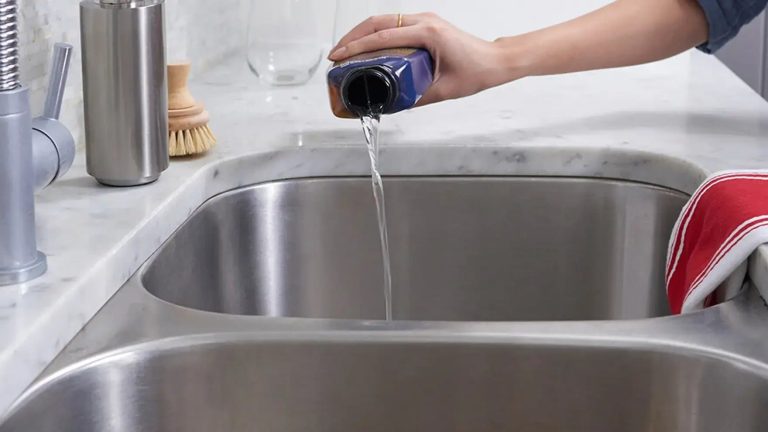
A stuck valve is a common hurdle. It’s often caused by mineral buildup or corrosion. Try gently turning the valve back and forth; this can sometimes free it up. If that doesn’t work, applying a little penetrating oil can help dissolve the buildup.
Remember the time when your kitchen turned into a mini swimming pool because you couldn’t turn off the water? A stuck valve doesn’t have to lead to disaster. Consider using a wrench to carefully apply more force, but be cautious not to damage it.
Leaking Valve
Leaking valves can lead to water wastage and higher bills. Before calling a plumber, check if the leak is due to a loose connection. Tightening the nut with a wrench can often resolve this issue.
Have you ever faced a mysteriously wet cabinet under the sink? A leaking valve might be the culprit. Replace any worn-out washers or seals inside the valve to ensure a tight fit. Simple repairs can go a long way in maintaining your kitchen’s plumbing.
Prepare For Emergency Situations
Locate the shut-off valve under the kitchen sink. Turn the valve clockwise to stop the water flow. Ensure it is tightly closed to prevent leaks.
Preparing for emergency situations can save time and stress. In the kitchen, a sudden water leak can cause panic. Knowing how to quickly turn off the sink water is crucial. This guide will help you be ready for any unexpected water issues in your kitchen.Identifying Main Shut-off
Locate the main water shut-off valve. It’s often found under the kitchen sink. Sometimes, it’s in the basement or near the water heater. Turn the valve clockwise to stop water flow. Ensure you can access it quickly during an emergency.Emergency Contact Information
Keep a list of emergency contacts handy. Include a plumber and local utility services. Ensure the list is visible and easy to reach. Share this information with other household members. This ensures everyone knows whom to contact during a water emergency.Maintenance Tips
Locate the shut-off valves under the kitchen sink. Turn them clockwise to stop the water flow.
Keeping your kitchen sink in peak condition is essential for a smooth-running household. Regular maintenance not only ensures that your sink functions properly but also extends its lifespan. Simple yet effective maintenance tips can prevent bigger issues from cropping up, saving you time, money, and stress.Regular Inspection
Regularly inspecting your kitchen sink and its components can help you spot potential problems early. Check for any leaks under the sink, especially around the pipes and connections. A small drip can quickly turn into a larger issue if left unchecked. Make it a habit to examine the condition of the faucet and handles. Are they tight and functioning smoothly? If you notice any signs of rust or wear, it might be time to consider replacing certain parts.Lubricating Valves
Valves can become stiff over time, making it difficult to turn off the water completely. Applying a lubricant can help maintain their smooth operation. Use a silicone-based lubricant, as it’s water-resistant and won’t damage rubber components. Turn off the water supply before applying the lubricant. Gently remove the valve handle and apply a small amount of lubricant to the stem. Reassemble and test to ensure the valve moves easily. Have you ever experienced a squeaky valve that just wouldn’t cooperate? Regular lubrication can prevent these annoyances and keep your sink in top shape. By following these maintenance tips, you can ensure your kitchen sink remains efficient and hassle-free. Remember, a little attention goes a long way in preventing major repairs. What other simple maintenance habits could you adopt to make your life easier?
Credit: www.reddit.com
Frequently Asked Questions
Where Is The Water Shut Off Valve For My Kitchen Sink?
Locate the water shut off valve under the kitchen sink. Typically, it’s near the back wall. Turn the valve clockwise to stop water flow. If unclear, consult your home’s plumbing layout. Regularly check valves for accessibility and functionality to ensure quick water shutoff during emergencies.
Is It Okay To Shut Off Water Under A Kitchen Sink?
Yes, it’s okay to shut off water under a kitchen sink. Use the shut-off valves. This prevents leaks and allows safe repairs or maintenance. Turn the valves clockwise to stop water flow. Ensure valves are functional to avoid issues.
How To Turn Off Water To Kitchen Sink With No Valves?
Locate the main water shut-off valve for your home, usually found near the water meter. Turn it clockwise to close. This stops water flow to the entire house, including the kitchen sink. Ensure all faucets are turned off before reopening the valve to avoid flooding.
Does Every Kitchen Sink Have A Shut-off Valve?
Not every kitchen sink has a shut-off valve. Many modern sinks do, offering easy water control. Older installations might lack them, requiring main valve use for water shut-off. Consider installing shut-off valves for convenience and quick access. They’re beneficial for repairs and emergencies, enhancing kitchen functionality.
Conclusion
Turning off kitchen sink water is simple and essential. First, know the valve location. Under the sink or nearby. Turn it clockwise to close. This stops water flow completely. Regular checks prevent leaks. Save water and avoid damage. Always ensure the valve works smoothly.
Fix any issues promptly. This easy task keeps your kitchen safe. A quick action with big benefits. No more unwanted drips or floods. Remember, a well-maintained kitchen starts here. Enjoy peace of mind and save resources. Make it a routine today.
Your kitchen will thank you.