How to Unclog a Kitchen Drain Pipe: Expert Tips
Executive Chef & Lead Commercial Kitchen Specialist at Daily Kitchup Test Lab
Are you tired of standing ankle-deep in water every time you do the dishes? A clogged kitchen drain can turn the simplest task into a frustrating ordeal.
You might think that fixing it requires a plumber, but the truth is, you can tackle this common household problem on your own. Imagine the satisfaction of restoring the smooth flow of water with just a few simple tools and techniques.
In this guide, you’ll discover practical, step-by-step methods to unclog your kitchen drain pipe quickly and effectively. Ready to reclaim your sink and save yourself from unnecessary stress and costs? Let’s dive in and get your kitchen back in working order.

Credit: www.youtube.com
Common Causes Of Clogged Drains
Kitchen drains often fall victim to blockages. Understanding the common causes can help prevent future problems. Below are some frequent culprits that lead to clogged drains.
Food Waste Accumulation
Food particles often find their way down the drain. Bits of vegetables, fruit peels, and other remnants can gather over time. This leads to blockages that are tough to clear. Always scrape plates before rinsing them.
Grease Buildup
Grease from cooking oils and fats can cause serious clogs. It solidifies in the pipes, narrowing the passage. This makes it hard for water to flow freely. Dispose of grease in a container instead of pouring it down the drain.
Foreign Objects
Small items can accidentally slip down the sink. Rings, bottle caps, or pieces of plastic can obstruct water flow. Keep the sink area clear of loose objects. This helps avoid unexpected drain issues.
Credit: www.familyhandyman.com
Essential Tools And Materials
Unclogging a kitchen drain pipe doesn’t always require a plumber. With the right tools and materials, you can handle most blockages yourself. Having these essentials at hand can save time and money. Let’s explore the key tools and materials you need for the job.
Plunger
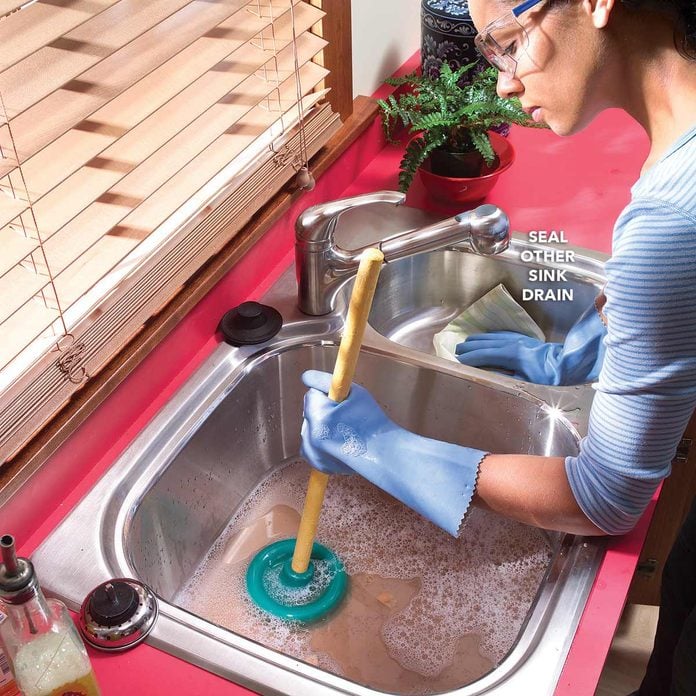
A plunger is a must-have for any kitchen. It’s simple yet effective. Create a tight seal over the drain, then push and pull to clear blockages. Ensure the plunger cup fully covers the drain opening for best results. This tool works wonders on minor clogs.
Drain Snake
A drain snake, or auger, reaches deeper blockages. Insert the flexible metal wire into the drain and twist. This breaks up stubborn clogs and pulls out debris. It’s ideal for drains blocked with food or grease.
Pipe Wrench
A pipe wrench helps loosen pipe connections. Use it to remove the U-bend under the sink. This section often traps food particles and grease. Be gentle to avoid damaging the pipe fittings.
Baking Soda And Vinegar
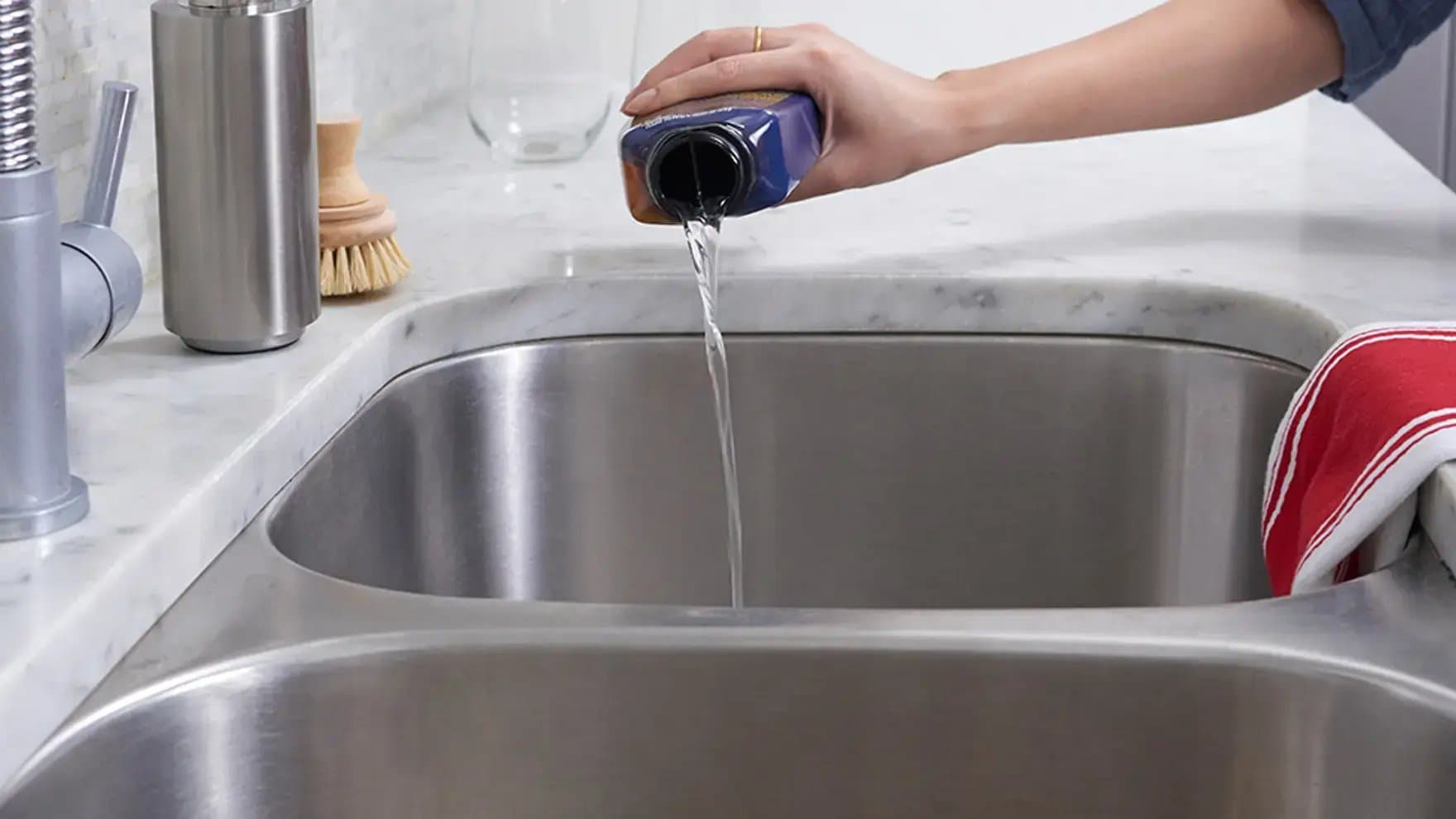
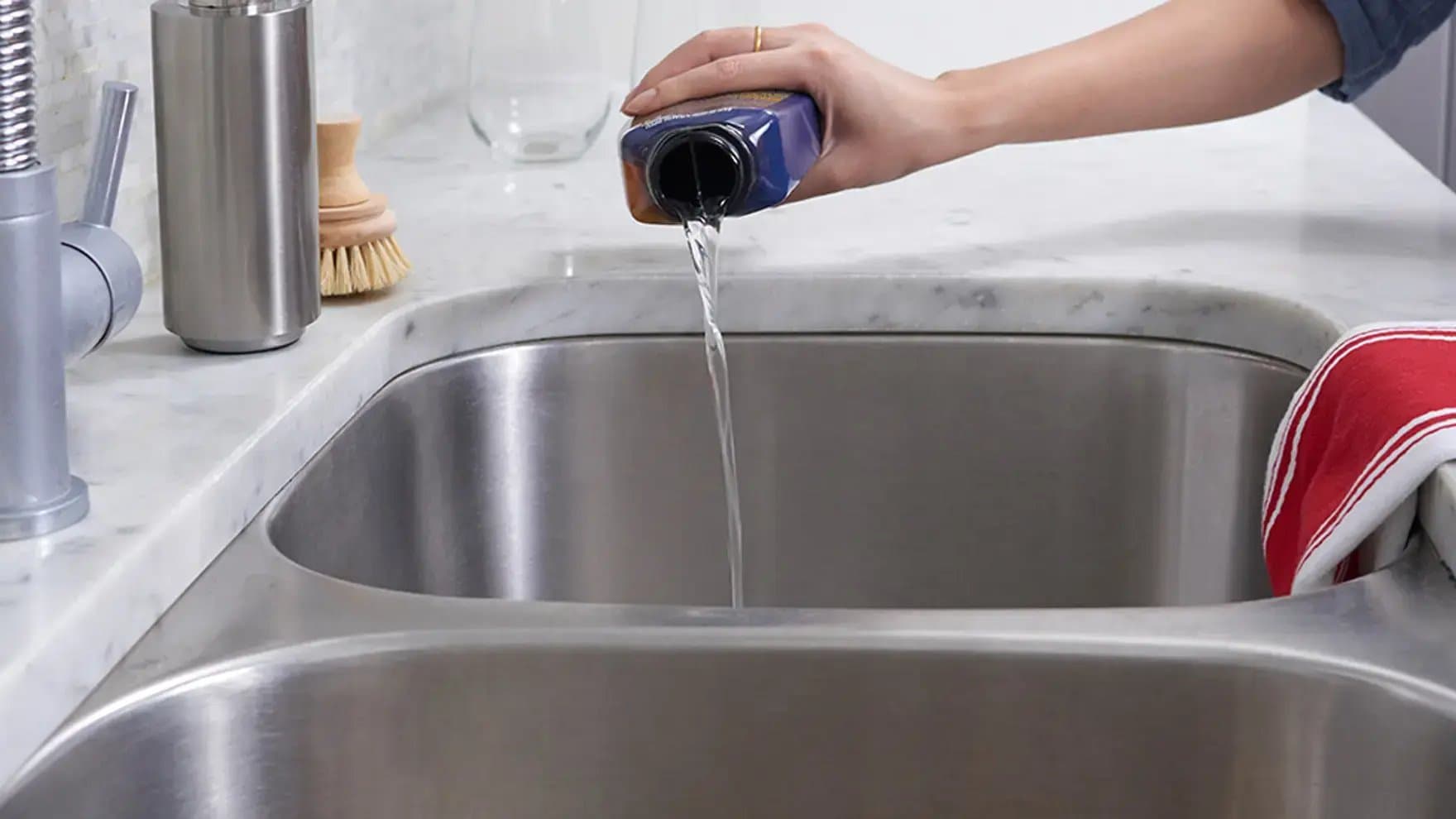
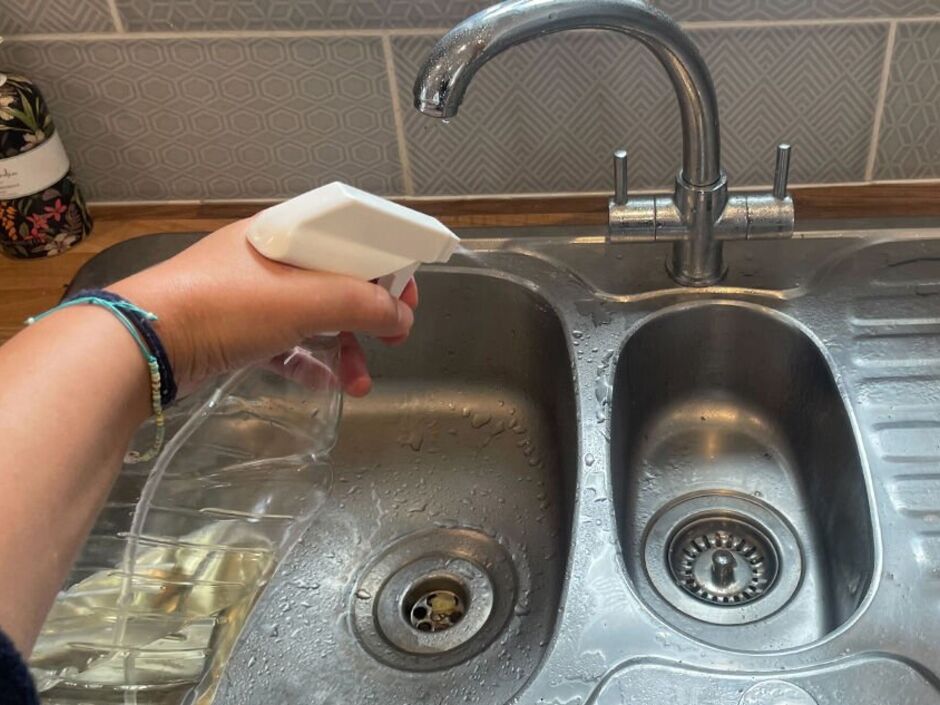
Baking soda and vinegar make a natural cleaning solution. Pour half a cup of baking soda into the drain, followed by one cup of vinegar. Wait for the fizzing to subside, then flush with hot water. This method clears minor clogs and deodorizes the drain.
Diy Methods To Unclog Drains
Baking soda and vinegar can effectively clear a kitchen drain pipe. Pour half a cup of baking soda, followed by half a cup of vinegar. Cover the drain, let it sit for 30 minutes, then flush with hot water. This natural method helps dissolve grease and debris.
Unclogging a kitchen drain doesn’t always require a plumber. Often, simple DIY methods can solve the issue. Using household items, you can tackle minor clogs effectively. These techniques are easy to follow and won’t break the bank. Let’s explore practical solutions to clear your kitchen drain.Boiling Water Technique
Boiling water is a simple remedy for minor blockages. It works best on grease and soap build-up. Heat a kettle of water until it boils. Carefully pour the hot water down the drain. Repeat the process a few times. This helps dissolve and wash away the clog. Avoid using this method on PVC pipes. High temperatures can damage them.Using Baking Soda And Vinegar
Baking soda and vinegar create a powerful cleaning reaction. Start by pouring half a cup of baking soda into the drain. Follow with half a cup of vinegar. Cover the drain to keep the fizz inside. Let it sit for 15 minutes. The fizzing action helps break down debris. Afterward, flush the drain with hot water. This clears the loosened particles away.Plunging The Drain
A plunger can be very effective for stubborn clogs. Start by filling the sink halfway with water. Place the plunger cup over the drain. Ensure a tight seal for best results. Push the plunger up and down rapidly. The pressure should dislodge the blockage. Check the drain after plunging. Repeat if necessary for tougher clogs.
Credit: www.youtube.com
Advanced Techniques For Stubborn Clogs
Kitchen drain clogs can sometimes be stubborn and persistent, refusing to yield even after trying basic methods. If you’ve already plunged and poured boiling water with no success, it might be time to step up your game with advanced techniques. These methods require a bit more effort but can be highly effective for those tough clogs that just won’t budge.
Using A Drain Snake
A drain snake is a handy tool that can reach deep into your pipes to dislodge stubborn clogs. It’s like sending a rescue mission down your drain! Insert the snake into the drain, and twist as you push it further. You might feel resistance, which means it’s working its magic on the blockage. Slowly retract the snake, and watch as it brings up debris that was causing the trouble. This technique is great for clogs caused by hair or food particles stuck in the pipe.
Disassembling The P-trap
If you’re comfortable with a bit of DIY plumbing, disassembling the P-trap can be a game-changer. The P-trap is the U-shaped pipe under your sink. Place a bucket underneath to catch any water or debris, and unscrew the nuts holding it in place. Once removed, clean out any gunk and build-up. Reassemble it, ensuring a snug fit to prevent leaks. This hands-on approach can save you a call to the plumber and give you a sense of accomplishment.
Chemical Drain Cleaners
If all else fails, chemical drain cleaners might be your final resort. These powerful solutions can dissolve tough clogs when used carefully. Follow the instructions on the label, and pour the recommended amount down the drain. Be sure to use gloves and ventilate the area, as the chemicals can be harsh. While effective, relying on chemicals frequently can damage your pipes over time. Consider them a temporary fix rather than a regular solution.
Preventive Maintenance Tips
Regularly clean your kitchen drain with baking soda and vinegar to prevent clogs. Use hot water to rinse away debris. Avoid pouring grease down the drain to maintain smooth flow.
Preventive maintenance keeps your kitchen drain running smoothly. Regular care prevents clogs and saves time. Focus on the following tips to maintain a healthy drain.Regular Cleaning
Regular cleaning prevents buildup in your drain. Use baking soda and vinegar weekly. Pour a cup of baking soda into the drain. Follow with a cup of vinegar. Wait 10 minutes, then flush with hot water. This method is simple and keeps your pipes clear.Proper Disposal Of Grease
Never pour grease down the drain. It solidifies and causes clogs. Let grease cool and harden. Scrape it into a container. Dispose of it in the trash. This small step saves big problems later.Installing A Drain Strainer
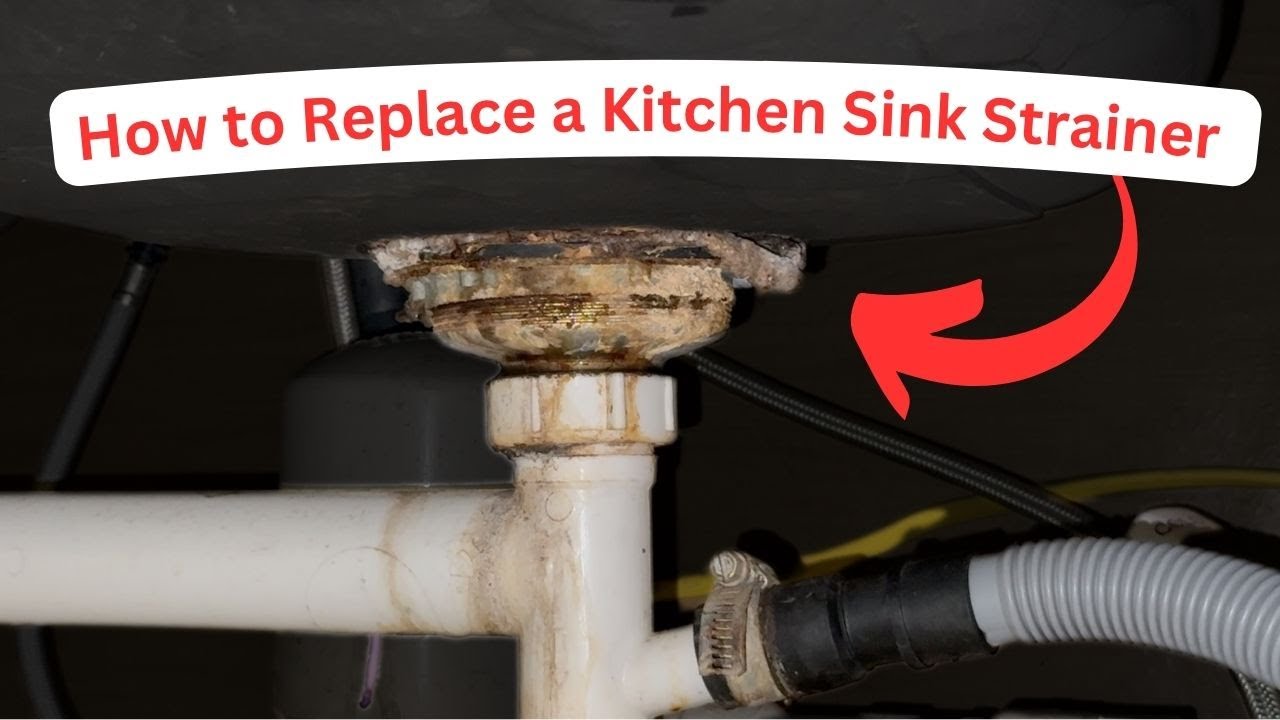
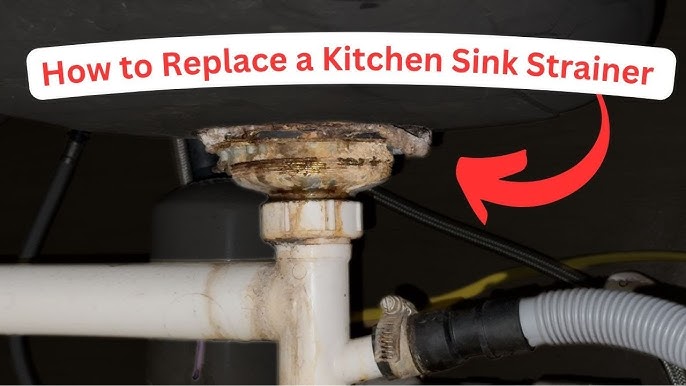
A drain strainer catches food particles. It prevents them from entering your pipes. Install a strainer that fits your sink. Clean it regularly to maintain effectiveness. This tool is inexpensive and easy to use. It keeps your drain in top condition.When To Call A Professional
Persistent clogs or foul odors might need expert attention. Regular efforts failing to clear the blockage? Time to consult a professional plumber for effective solutions.
Unclogging a kitchen drain pipe can often be tackled with DIY methods. Yet, there are times when calling a professional is the best choice. Knowing when it’s time to seek expert help can save you time and prevent further damage. Here’s how to recognize those moments.Signs Of Serious Blockage
A slow drain might indicate a serious blockage. If water isn’t moving at all, that’s a strong sign. Strange noises, like gurgling, can also signal a severe clog. These issues could mean the blockage is deep within the pipes. Professionals have the tools to reach and clear these stubborn clogs.Recurring Drain Issues
If you find yourself constantly dealing with the same drain problem, it may be time to call a plumber. Recurring issues often hint at underlying problems. Solutions like plunging or using drain cleaners might only provide temporary relief. A professional can diagnose and fix the root cause, ensuring a long-term solution.Potential Pipe Damage
Sometimes, a clog can cause or indicate pipe damage. If you notice leaks around the sink area, this could be a sign. Unusual odors or rust around pipes also suggest potential issues. Calling a professional ensures the problem is identified correctly. They can repair or replace damaged sections, preventing further complications.Frequently Asked Questions
What Will Dissolve Food Stuck In The Drain?
Pour baking soda and vinegar down the drain. Let it fizz for 15 minutes. Then flush with hot water. This natural method effectively dissolves food residue, ensuring a clean and clear drain. Regular maintenance prevents future blockages, keeping your plumbing system efficient.
What Will Dissolve Hair In A Drain?
Use baking soda and vinegar to dissolve hair in a drain. Pour baking soda, then vinegar. Wait for fizzing. Rinse with hot water. For stubborn clogs, try a commercial drain cleaner containing enzymes or chemicals like sodium hydroxide. Always follow safety instructions on product labels.
Why Do Plumbers Say To Not Use Drano?
Plumbers avoid Drano because it can damage pipes, especially plastic ones. It may also harm septic systems. Frequent use can lead to clogs worsening. Drano’s harsh chemicals pose safety risks if not handled properly. Opt for safer, eco-friendly alternatives for drain cleaning.
What Liquid Do Plumbers Use To Unclog Drains?
Plumbers often use a powerful enzyme-based or chemical drain cleaner to unclog drains. These solutions break down debris. They may also use a mixture of hot water and vinegar with baking soda for a natural approach. Always follow safety instructions when using chemical drain cleaners.
Conclusion
Unclogging a kitchen drain pipe doesn’t need to be complex. Start with simple tools like a plunger or baking soda. These can solve many blockages. For tougher clogs, try a plumber’s snake. Follow safety tips to avoid damage to pipes.
Regular maintenance helps prevent future issues. Check pipes often for signs of clogging. Quick action can save time and hassle later. Always keep your tools handy. Now, your kitchen drain should work smoothly. Remember, a clean pipe means a happier kitchen.

Similar Posts