How to Unclog a Kitchen Drain: Quick DIY Tips
Have you ever found yourself staring at a stubborn kitchen drain that just won’t let the water flow? You’re not alone.
A clogged drain can turn your cooking space into a mini disaster zone, leaving you frustrated and your sink full of dirty dishes. But don’t worry, there’s good news! You have the power to fix it easily without calling in a professional.
In this guide, you’ll discover simple steps to unclog your kitchen drain using tools and ingredients you likely already have at home. Imagine the satisfaction of watching the water flow smoothly again, and picture your kitchen returning to its clean, functional glory. Dive into this article, and let’s get your kitchen back on track!
Common Causes Of Clogged Drains
Grease, food particles, and soap build-up often lead to clogged drains in kitchens. Address these issues promptly to maintain a smooth flow. Regular cleaning helps prevent stubborn blockages.
Understanding what clogs kitchen drains can help prevent future blockages. Many everyday habits contribute to clogged drains. Identifying these common causes can keep your kitchen sink flowing smoothly. Let’s explore the usual suspects behind this pesky issue.Grease And Oil Buildup
Cooking oils and fats solidify in pipes. These substances stick to the pipe walls. Over time, this buildup blocks water flow. Avoid pouring grease down the drain. Dispose of it in a container instead.Food Particles
Small food scraps often go down the drain. These particles can accumulate and clog pipes. Use a sink strainer to catch food debris. This simple step can prevent clogs.Soap Scum
Soap residue can build up over time. It mixes with other debris and forms clogs. Opt for a soap with fewer additives. This can reduce residue in your pipes.Foreign Objects
Sometimes, small items accidentally fall into the sink. These can include jewelry, bits of plastic, or even paper. These objects can create stubborn blockages. Be mindful of what goes near the sink.Mineral Buildup
Hard water leaves mineral deposits in pipes. These deposits narrow the passage. A water softener can help reduce these minerals. This keeps the pipes clearer for longer. By understanding these common causes, you can better maintain your kitchen drain. Simple changes in habits can make a big difference. Keep your kitchen sink free from future clogs.
Credit: www3.drano.com
Essential Tools For Drain Cleaning
Plunger and drain snake are essential tools for unclogging kitchen drains. A plunger can create suction to dislodge debris. For stubborn clogs, a drain snake reaches deeper to remove buildup.
Clogged kitchen drains are common and can disrupt daily chores. Knowing the right tools simplifies the task of unclogging. Below are essential tools for drain cleaning. These tools help tackle various clogs effectively.Plunger
A plunger creates suction and dislodges debris. It’s simple to use and effective for minor clogs. Ensure a tight seal before plunging.Drain Snake
A drain snake reaches deep into pipes. It hooks onto blockages and pulls them out. It’s ideal for stubborn clogs that a plunger can’t clear.Pipe Wrench
A pipe wrench is useful for removing pipe connections. It allows access to clogs stuck in the U-bend. Ensure a firm grip to avoid damaging pipes.Bucket
A bucket catches water and debris. It prevents mess when working under the sink. Place it below the pipe before unscrewing any connections.Cleaning Gloves
Cleaning gloves protect your hands. They provide grip and safety. Essential for handling dirty and slippery components. Using these tools makes unclogging less daunting. Gather them before starting to ensure a smooth process.Natural Solutions For Minor Clogs
Baking soda and vinegar can clear kitchen drains naturally. Pour baking soda, then vinegar, down the drain. Wait for the fizzing to stop, then rinse with hot water. This simple method helps dissolve minor clogs effectively.
Natural solutions can effectively tackle minor clogs in kitchen drains. These methods are eco-friendly and gentle on plumbing. You can use common household items to solve drainage issues. Below are some simple and effective methods to try.Baking Soda And Vinegar
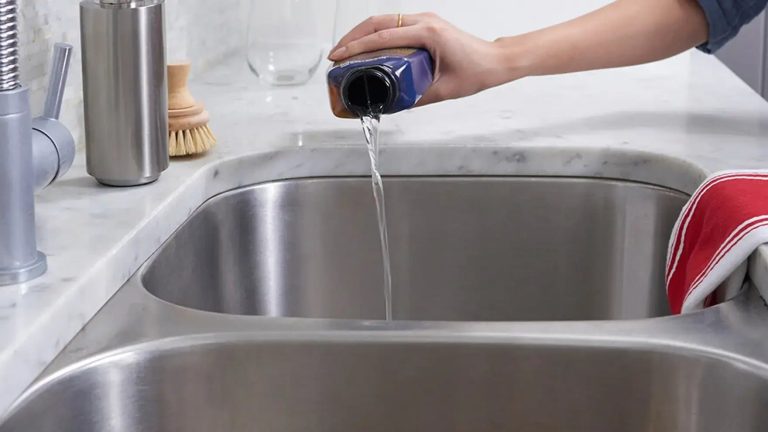
This combination works well for clearing minor clogs. First, pour half a cup of baking soda down the drain. Follow it with a cup of vinegar. The mixture will fizz and break down debris. Let it sit for about 30 minutes. Rinse with hot water to clear the drain. Repeat if needed.Salt And Hot Water
Salt is great for tackling minor blockages. Start with half a cup of salt. Pour it into the drain. Follow with boiling water. The salt and heat will work together. They will dissolve grease and grime. Rinse with more hot water for the best results.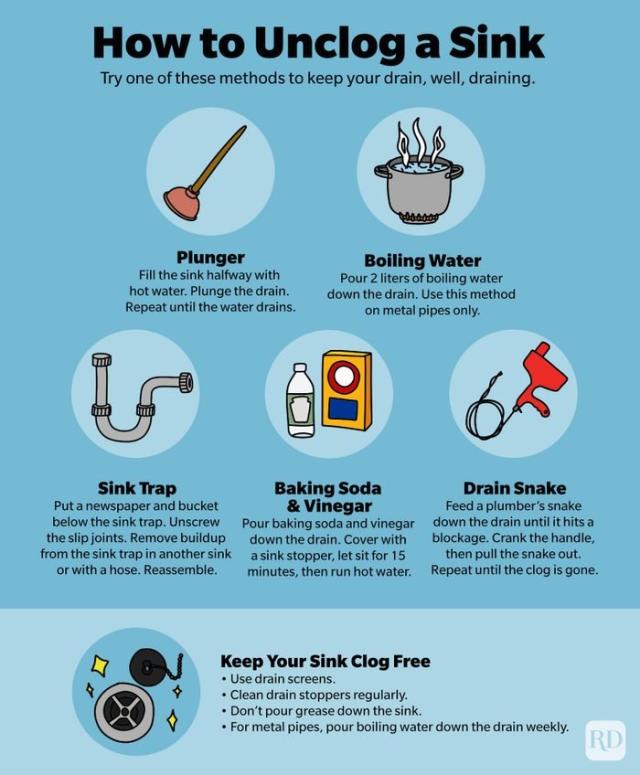
Credit: www.aol.com
Using A Plunger Effectively
A plunger can effectively clear a clogged kitchen drain. Position the plunger over the drain opening and press down firmly. Create a tight seal, then pump vigorously to dislodge the blockage.
Using a plunger effectively is a straightforward way to tackle a clogged kitchen drain. This tool can save time and money. A plunger creates suction and pressure to dislodge clogs. It’s simple yet powerful. Knowing the right technique makes all the difference. Let’s explore how to use a plunger to clear your kitchen drain efficiently.Prepare Your Work Area
Clear the sink of any dishes or items. Make sure you have enough space to work. Remove any standing water to enhance suction.Select The Right Plunger
Choose a plunger with a flat bottom. This type works best for sinks. Ensure the rubber is flexible. A stiff plunger may not seal properly.Create A Strong Seal
Place the plunger over the drain. Ensure it covers the hole completely. Press down firmly to form a tight seal. A good seal is crucial for effective plunging.Plunge With Steady Force
Push down and pull up with consistent pressure. Use a rhythmic motion. Avoid erratic movements. Steady force helps loosen the clog effectively.Check For Progress
Lift the plunger occasionally. Check if water drains away. Repeat plunging if necessary. Sometimes multiple attempts are needed.Clean Up Afterwards
Rinse the plunger and sink. Make sure to clean any mess. Store the plunger in a dry place. Proper cleanup ensures hygiene.Applying A Drain Snake
Applying a Drain Snake Push the drain snake into the kitchen drain to break up clogs. Rotate and gently pull back the tool. This helps clear blockages and restore water flow.
Applying a drain snake is a practical way to unclog kitchen drains. This tool, also known as a plumber’s snake, can reach deep into pipes. It helps remove stubborn clogs that plungers cannot handle. Learning to use a drain snake can save you time and frustration. Let’s explore how to effectively apply this tool to clear your kitchen drain.What Is A Drain Snake?
A drain snake is a flexible, slender tool. It is made of metal and can bend through pipes. The tool has a coiled end to catch debris. It is available in manual or powered versions. Both types work well for kitchen drains.Steps To Use A Drain Snake
Using a drain snake is straightforward. Begin by inserting the snake into the drain. Push it gently until you hit resistance. This resistance is the clog. Rotate the snake to break up the clog. Continue pushing and pulling until the drain clears.When To Use A Drain Snake
A drain snake is useful for tough clogs. Use it if water drains slowly or not at all. It is ideal for removing food particles or grease. Avoid using it for delicate or damaged pipes.Benefits Of Using A Drain Snake
A drain snake is cost-effective. It reduces the need for chemical cleaners. It is environmentally friendly and reusable. This tool is also easy to store. Keep it handy for future clogs.Tips For Success
Be patient while using the drain snake. Do not force it into the drain. Use gentle pressure to avoid damage. Clean the snake after use. This prevents spreading germs or debris.Chemical Drain Cleaners
Chemical drain cleaners offer a quick solution for unclogging kitchen drains. Their powerful formula dissolves grease and debris efficiently. Always follow safety precautions when using them.
Chemical drain cleaners can be an effective solution for unclogging kitchen drains. They are designed to dissolve tough blockages caused by grease, food particles, and soap scum. Using them correctly can save time and effort. However, it’s important to handle these chemicals with caution due to their potent nature.Safety Precautions
Before using chemical drain cleaners, ensure proper ventilation. Open windows to allow fresh air in. Wear gloves to protect your skin from irritation. Eye protection is also recommended to prevent splashes from causing harm. Keep children and pets away from the area during application. Always read the label instructions to understand the product’s hazards. Avoid mixing different cleaners as this can create harmful fumes.Correct Application
Follow the instructions provided on the cleaner’s packaging. Pour the recommended amount into the drain slowly. Allow the cleaner to sit for the specified time. This helps it break down the blockage effectively. After waiting, flush the drain with hot water. Ensure the water is boiling if possible. This helps clear any residue left in the pipes. Repeat the process if the drain remains clogged. If the blockage persists, consider seeking professional help.Preventing Future Clogs
Regularly clean your kitchen drain with hot water and vinegar. Avoid pouring grease or food scraps down the sink. Use a strainer to catch debris before it clogs the drain.
Preventing future clogs in your kitchen drain ensures smooth water flow and saves you from unnecessary stress. A well-maintained kitchen drain enhances the efficiency of your kitchen and helps avoid costly repairs. Understanding the simple habits and maintenance tips can go a long way in keeping your kitchen drain clear.Regular Maintenance Tips
Regularly clean your kitchen drain to prevent buildup. Use baking soda and vinegar once a month for a natural clean. Flush the drain with hot water weekly. Hot water helps dissolve grease and residue. Install a drain strainer to catch food particles. This prevents them from entering the pipe. Check pipes for leaks or cracks regularly. Fix issues promptly to avoid bigger problems.Kitchen Habits To Avoid
Avoid pouring grease down the drain. It solidifies and causes clogs. Dispose of coffee grounds in the trash instead of the sink. They can accumulate and block pipes. Scrape food scraps into the garbage before washing dishes. This prevents particles from causing blockages. Refrain from using chemical cleaners frequently. They can damage pipes over time.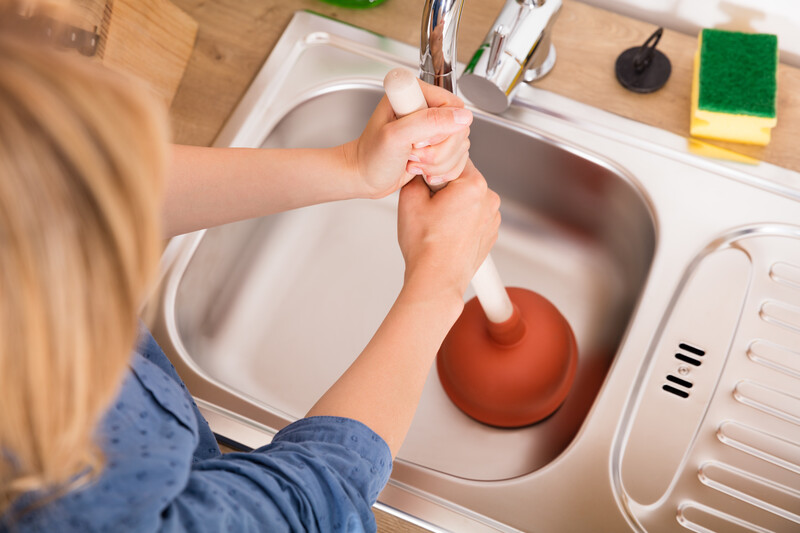
Credit: www.homeserve.com
When To Call A Professional
Persistent clogs or foul odors may need a plumber’s expertise. Multiple DIY attempts without success signal it’s time to call a professional.
Sometimes, despite your best efforts, a kitchen drain remains stubbornly clogged. It’s during these times you might wonder if it’s time to bring in a professional. Knowing when to make that call can save you from further headaches and potentially costly repairs.Unresolved Clogs After Diy Attempts
If you’ve tried all the usual tricks like plunging, using a drain snake, or even homemade remedies like baking soda and vinegar, but the water still won’t drain, it might be time to call a plumber. Professionals have specialized tools and techniques that go beyond what you can find in a typical household toolkit.Frequent Clogs
A drain that clogs frequently despite regular maintenance is a red flag. It may indicate a deeper issue within your plumbing system, such as a broken pipe or tree roots invading your sewer line. A professional can assess and address the root cause efficiently.Foul Odors
Persistent unpleasant smells emanating from your drain may suggest a more serious problem like a blockage deep within the pipes or a buildup of waste. A plumber can help identify and eliminate the source of the odor effectively.Unusual Noises
Hearing gurgling or other unusual sounds from your drain can be unsettling. These noises often point to trapped air due to a blockage. A professional will have the expertise to diagnose and fix the issue, ensuring your plumbing operates smoothly again.Water Backing Up
If water starts backing up in other areas of your home, such as your sink or bathtub, it’s a sign of a significant blockage. This situation requires immediate attention from a professional to prevent damage and costly repairs. A clogged drain can feel like a daunting challenge, but knowing when to seek expert help is crucial. Have you ever had a minor issue turn into a major problem because you hesitated to call for help? Recognizing these signs early can save you from future stress and expenses.Frequently Asked Questions
What’s The Best Way To Unclog A Kitchen Sink Drain?
Use a plunger or baking soda and vinegar to unclog a kitchen sink. Pour boiling water afterward. Avoid chemical drain cleaners for safety. If the clog persists, consider using a plumber’s snake or call a professional plumber. Regular maintenance can prevent future clogs.
What Will Dissolve A Blocked Drain?
Baking soda and vinegar can dissolve a blocked drain. Pour boiling water, then baking soda, and vinegar. Let it sit for 15 minutes. Rinse with hot water. For stubborn clogs, use a drain snake or a chemical drain cleaner. Always follow safety instructions for chemical cleaners.
What Will Dissolve Hair In A Drain?
Use baking soda and vinegar to dissolve hair in drains. Pour baking soda, then vinegar, and let it fizz. Follow with hot water to clear the drain. This natural method is effective and eco-friendly, ensuring hair is dissolved without harsh chemicals.
Regular maintenance prevents clogs and keeps drains flowing smoothly.
What Liquid Do Plumbers Use To Unclog Drains?
Plumbers commonly use chemical drain cleaners containing sulfuric or hydrochloric acid. These liquids dissolve hair, grease, and debris. Some prefer enzyme-based cleaners, which are eco-friendly and break down organic matter. Always follow safety guidelines when using these products to avoid damage and ensure effectiveness.
Conclusion
Fixing a clogged kitchen drain is easier than it seems. Start with simple tools. A plunger or baking soda can help. Use hot water to flush out debris. If the clog persists, try a plumber’s snake. Regular cleaning prevents future clogs.
Keep your drain clear by avoiding grease. Be mindful of what goes down the drain. Clogged drains can be frustrating, but solutions are available. Stay patient and persistent. With these tips, your kitchen drain will stay clear and functional. Happy unclogging!