How to Unclog a Kitchen Sink Naturally: Easy Solutions
A clogged kitchen sink can really throw a wrench in your daily routine. You might find yourself staring at a stubborn pool of water, wishing for a magic solution.
Before you reach for harsh chemicals, consider a natural approach. Not only is it safer for you and your family, but it’s also kinder to the environment. Imagine effortlessly clearing that blockage with items you probably already have in your pantry.
Intrigued? Discover how you can tackle this common problem with simple, natural methods that actually work. Let’s get your kitchen sink flowing smoothly again!
Common Causes Of Clogs
Kitchen sinks often face clogs due to various reasons. Understanding these common causes helps prevent blockages. Identifying the root of the problem is crucial for effective solutions.
Food Particles
Small food particles easily slip down the drain. Over time, they accumulate and form blockages. Rice, pasta, and bread are frequent culprits. Even tiny bits can create big problems.
Grease And Oil
Grease and oil solidify as they cool. This leads to stubborn clogs in pipes. Pouring hot grease down the sink is a common mistake. It coats the insides, creating a sticky trap for other debris.
Soap Scum
Soap residue builds up over time. This forms a thick, sticky layer in pipes. Combined with other materials, soap scum can lead to slow drainage. Regular cleaning helps minimize this issue.
Foreign Objects
Accidentally dropping items like utensils can cause clogs. These objects block the normal flow of water. Removing them promptly prevents further complications. Regular checks help keep the sink free of obstructions.
Hair Strands
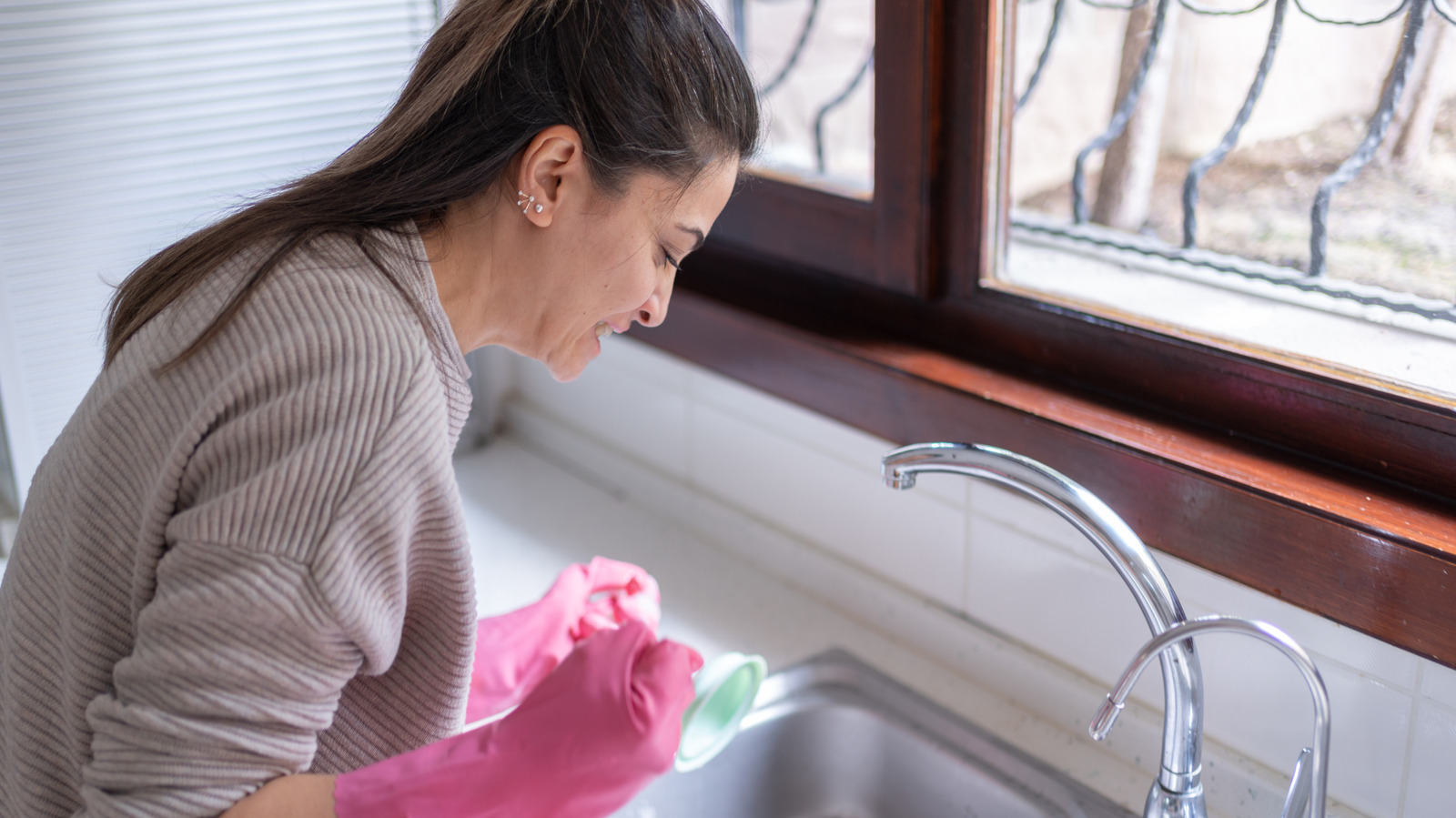
Hair strands are not just a bathroom problem. They can also clog kitchen drains. Hair mixes with other debris, forming tough blockages. Using drain covers can reduce this risk significantly.
Mineral Build-up
Hard water causes mineral deposits in pipes. These deposits narrow the passage, slowing water flow. Regular maintenance and water softeners can alleviate this problem. Keeping pipes clear extends their lifespan.
Credit: www.housedigest.com
Benefits Of Natural Solutions
Clear kitchen sink clogs with natural solutions like baking soda and vinegar. These eco-friendly options are effective and safe. Avoid harsh chemicals while maintaining a clean, efficient kitchen space.
Unclogging a kitchen sink naturally offers several benefits. These solutions are eco-friendly and keep harmful chemicals out of your home. They are safe for your pipes, ensuring they remain in good condition. Natural solutions are cost-effective, using ingredients you likely already have. Plus, they reduce exposure to toxic substances, protecting your health and the environment.Preserving Pipe Integrity
Natural methods protect your plumbing system. Chemical drain cleaners can corrode pipes, leading to costly repairs. Using natural ingredients helps maintain the longevity of your plumbing.Environmental Impact
Natural solutions are eco-friendly. Chemical cleaners release toxins into the environment. Using household items reduces pollution and promotes a healthier planet.Cost-effective
Unclogging with natural ingredients saves money. Expensive chemical cleaners aren’t needed. Items like baking soda and vinegar are affordable and effective.Health And Safety
Natural solutions keep your home safe. Chemical cleaners can irritate skin and eyes. Avoid exposure by using gentle, natural methods.Effective Cleaning
Natural ingredients unclog drains effectively. Baking soda and vinegar break down debris. These methods offer thorough cleaning without harsh chemicals.- Baking soda and vinegar are powerful cleaning agents.
- They dissolve buildup and eliminate odors.
Essential Tools And Ingredients
Baking soda and vinegar work wonders for unclogging sinks naturally. A plunger can help dislodge stubborn blockages. Keep boiling water handy to flush away debris.
Unclogging your kitchen sink naturally is not just about avoiding harsh chemicals; it’s also about using simple tools and ingredients you likely already have at home. With just a few essentials, you can tackle the stubborn clogs that disrupt your daily routine. Let’s dive into what you’ll need to get started and see how easy it can be to restore the flow in your kitchen.Essential Tools
A plunger is your best friend when it comes to freeing up minor blockages. Make sure it’s the right size for your sink. You don’t want to use a toilet plunger, as it won’t create the necessary suction. A wire coat hanger can be a surprising hero for reaching down the drain. Straighten it out and use the hook end to fish out clogs you can’t reach with a plunger. A small hand snake is perfect for those deeper clogs. It’s easy to maneuver and can save you from calling a professional.Common Ingredients
Baking soda is a powerhouse when it comes to natural cleaning. It works well for breaking down gunk and deodorizing your sink. Vinegar is the perfect companion to baking soda. When combined, they create a fizzing action that helps dislodge clogs. Salt can be used to scrub away stubborn residue. It’s abrasive enough to be effective, yet gentle enough to avoid damaging your pipes. Boiling water is a simple yet effective tool. Pouring it down the drain can help dissolve grease and loosen blockages.Why These Ingredients Work
You might wonder why these simple ingredients are so effective. Baking soda and vinegar react to create carbon dioxide gas, which expands and clears clogs. Salt adds an extra abrasive element that helps scrub your pipes clean. Boiling water is a natural solvent that can help melt away grease and soap scum. Have you ever tried this combination before? If not, give it a shot next time your sink acts up. You might be surprised at how well these household staples can perform.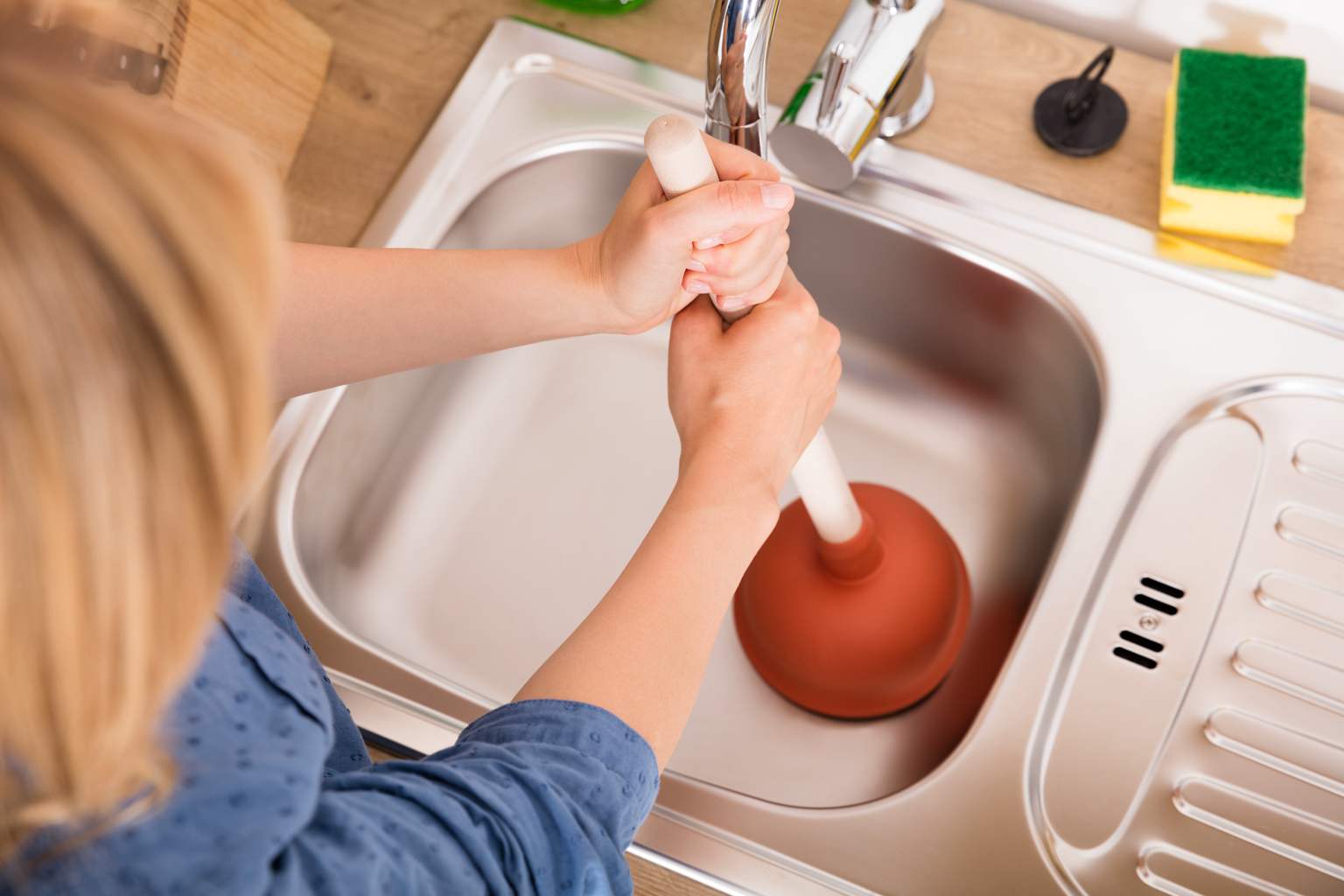
Credit: www.cmu.fr
Baking Soda And Vinegar Method
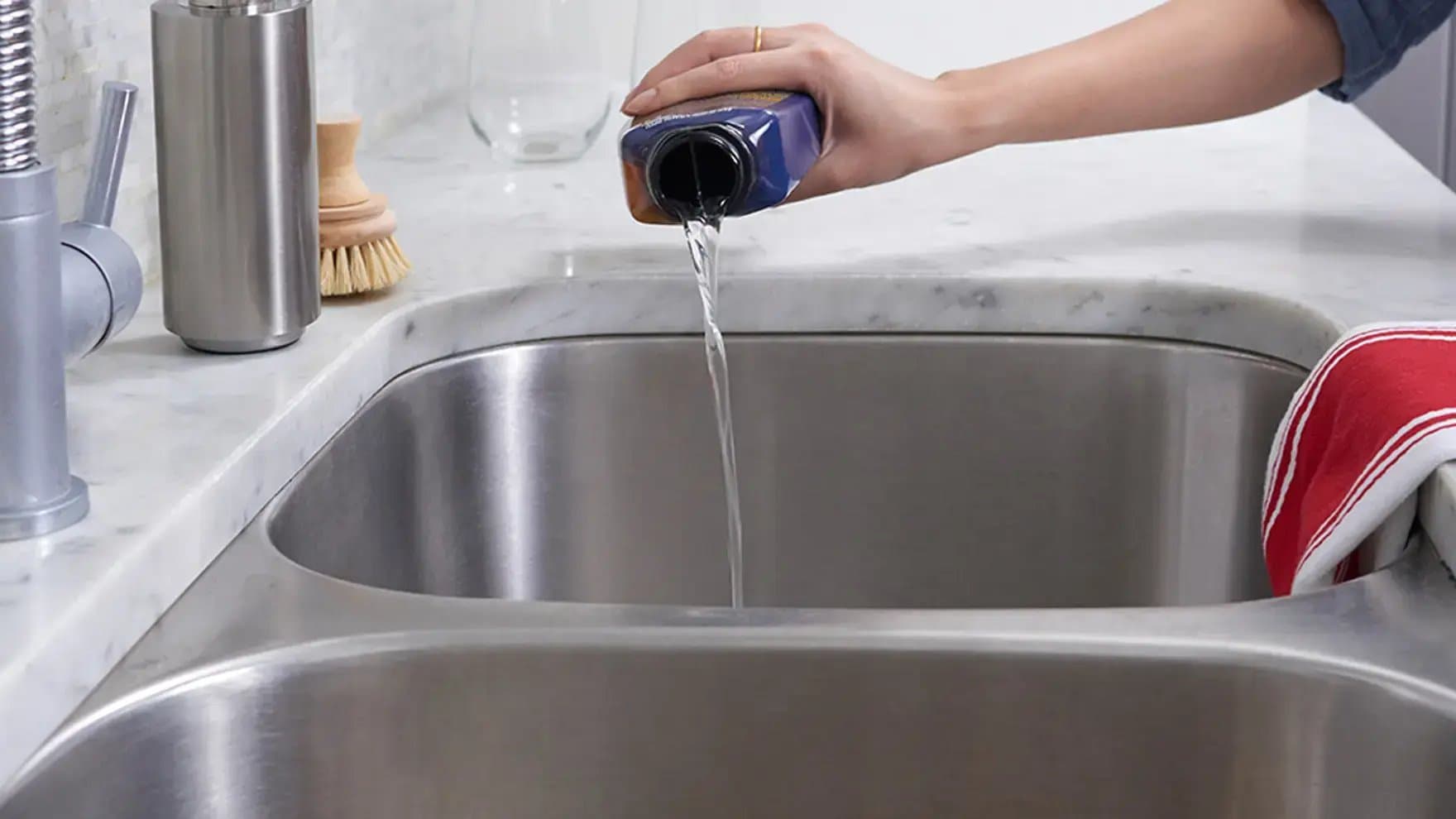
Unclogging a kitchen sink naturally is simple with baking soda and vinegar. Pour baking soda down the drain, followed by vinegar. Wait a few minutes, then rinse with hot water.
Unclogging a kitchen sink can be a daunting task, but the baking soda and vinegar method offers a natural and effective solution. This method leverages the chemical reaction between baking soda and vinegar to break down the clog, making it a popular choice for many homeowners. It’s not only eco-friendly but also uses everyday household items you likely already have in your pantry.Preparation Steps
Before you begin, gather your materials. You will need one cup of baking soda, one cup of vinegar, and a pot of boiling water. It’s helpful to have a dishcloth or stopper to temporarily seal the drain. Clear the sink of any standing water. Use a cup or small bowl to bail out the water if necessary. This ensures the baking soda and vinegar can reach the clog effectively.Application Process
Pour the cup of baking soda directly into the drain. Use a spoon or spatula to help guide it if needed. Ensure it settles as far down as possible. Follow with the cup of vinegar. The mixture will fizz and bubble, creating a reaction that helps dislodge the clog. Quickly cover the drain with the dishcloth or stopper to keep the reaction focused on the clog. Allow the mixture to sit for 15-20 minutes. Once time is up, pour the boiling water down the drain to flush away the loosened debris.Tips For Effectiveness
For particularly stubborn clogs, repeat the process a second time. If your sink still drains slowly, consider using a plunger after the first application to enhance the effect. Maintain your sink by using this method regularly, even when there are no clogs. This can help prevent buildup and keep your pipes clear. If you notice a persistent bad odor, try adding a few drops of essential oil with the vinegar. This not only helps in neutralizing smells but also leaves a fresh scent. Have you tried this method before? What worked best for you? Share your experiences in the comments below!Salt And Hot Water Technique
The Salt and Hot Water Technique offers a simple way to unclog your kitchen sink. This method uses basic kitchen staples to clear stubborn clogs effectively. It is a natural alternative to harsh chemical cleaners. Plus, it’s both cost-effective and environmentally friendly. Let’s dive into how this technique works and how you can apply it yourself.
Why It Works
Salt acts as a natural abrasive, helping to break down debris. When combined with hot water, it dissolves grease and residue. The hot water flushes away loosened particles, clearing the path for water flow. This combination tackles clogs without harming your pipes.
Step-by-step Guide
- First, remove any standing water from the sink. Use a cup or bowl to scoop it out if necessary.
- Next, pour half a cup of salt directly into the drain. Ensure it reaches deep into the pipes.
- Boil a kettle of water. Carefully pour it over the salt in the drain.
- Allow the mixture to sit for a few minutes. This gives it time to break down the clog.
- Run hot tap water down the drain to flush away any remaining debris.
- If needed, repeat the process until the clog is gone.
Lemon And Baking Soda Combo
Unclogging a kitchen sink naturally can be a hassle-free endeavor when you use the right ingredients. One effective combination that has gained popularity is the use of lemon and baking soda. This duo not only helps in clearing stubborn clogs but also leaves your kitchen smelling fresh and citrusy. Have you ever tried cleaning with these everyday items? If not, it’s time to give it a go!
Benefits Of Using Lemon
Lemon is a powerful natural cleanser. Its acidic nature can break down grease and grime effectively. Plus, it’s a great antibacterial agent, helping to sanitize your sink. The refreshing scent of lemon also eliminates bad odors, leaving your kitchen smelling inviting.
Using lemon is not only effective but also environmentally friendly. You avoid harsh chemicals that may damage pipes or pollute water systems. Isn’t it satisfying to know that you’re contributing to a greener planet?
Application Instructions
Ready to tackle that clogged sink? Here’s how:
- First, ensure your sink is dry. This allows the mixture to work more effectively.
- Pour half a cup of baking soda down the drain. Baking soda is known for its ability to break down residue and neutralize odors.
- Cut a lemon in half. Squeeze the juice over the baking soda in the drain.
- Let the fizzing reaction do its magic for about 10 minutes. This reaction helps loosen the clog.
- Finish by pouring a pot of boiling water down the drain to flush out the debris.
Have you noticed how simple this process is? Not only are you cleaning naturally, but you’re also making the cleaning process a breeze. Try it today and see the difference it makes!
Boiling Water Method
Boiling water is a simple way to unclog a kitchen sink naturally. Carefully pour boiling water down the drain to dissolve grease and debris. Repeat if necessary for stubborn clogs.
Boiling water is a simple yet effective way to tackle a clogged kitchen sink. It’s a natural solution that doesn’t require harsh chemicals, making it both eco-friendly and safe for your home. This method harnesses the power of heat to break down and dissolve stubborn blockages, allowing water to flow freely once again.Precautions To Consider
Before you begin, ensure your sink is empty of standing water. Boiling water can be hazardous if it splashes, so take care to pour steadily and avoid spills. Protect yourself by wearing oven mitts or heat-resistant gloves, especially if your kettle or pot is heavy. Consider the materials of your plumbing system. Some older pipes may not withstand extreme heat. If you’re uncertain, consult a professional before using this method.Proper Technique
Start by boiling a kettle or pot of water. Aim for at least a gallon to ensure ample volume. Once it’s ready, carefully pour the boiling water directly into the drain. Pour slowly to maximize its effectiveness. If the clog doesn’t immediately clear, you might need to repeat the process a couple of times. You may find it beneficial to alternate with cold water. This technique can help dislodge particularly stubborn clogs, as the sudden temperature change may break up debris. How often do you consider what’s going down your sink? Regular maintenance can prevent future blockages, saving you time and effort.Preventive Measures
Start by pouring boiling water down the drain to break up minor clogs. Then, mix baking soda and vinegar, letting it fizz in the sink to dissolve stubborn residue. Finish with another round of boiling water to clear the pipe.
Preventive measures for keeping your kitchen sink free of clogs are essential. They save time and reduce stress. Implementing these strategies helps maintain a smooth-running kitchen. Simple actions can prevent blockages and ensure efficient drainage.Regular Maintenance Tips
Regular maintenance is key to a clog-free sink. Clean the sink and drain weekly. Remove visible debris to prevent buildup. Use a mixture of baking soda and vinegar monthly. This natural solution helps dissolve minor clogs. Pour hot water down the drain after each use. It clears residue and improves flow.Habits To Avoid
Certain habits can lead to sink clogs. Avoid pouring grease down the drain. It solidifies and causes blockages. Dispose of food scraps in the trash. Coffee grounds and eggshells are problematic. Use a drain cover to catch debris. It prevents particles from entering the pipes. Never overload the garbage disposal. It may jam and cause clogs.When To Seek Professional Help
Persistent clogs resist natural methods and cause water to drain slowly. Strange noises or unpleasant odors may also indicate a need for professional help.
Sometimes, DIY methods aren’t enough for a clogged kitchen sink. While natural remedies can solve minor issues, severe clogs may require expert attention. Identifying when to call a professional plumber is crucial. A persistent clog that doesn’t budge after multiple attempts might indicate a deeper problem. Professionals have the right tools and expertise to tackle stubborn blockages safely.Signs Of A Severe Clog
If water drains slowly despite efforts, it signals a severe clog. Professionals can diagnose and resolve such issues quickly.Strange Noises
Unusual sounds, like gurgling, often point to deeper plumbing problems. A plumber can investigate and fix the root cause.Unpleasant Odors
Foul smells from the sink suggest trapped debris or decomposing food. Expert help can eliminate these odors effectively.Recurring Issues
Frequent clogs indicate a significant underlying issue. Seeking professional help ensures a permanent solution.Visible Damage
Cracks or leaks around pipes require immediate professional repair. This prevents further damage and potential water wastage.Multiple Clogged Drains
If several drains in your home clog simultaneously, it’s likely a systemic issue. Professionals can identify and fix these widespread plumbing problems efficiently.
Credit: www.express.co.uk
Frequently Asked Questions
What Is The Best Home Remedy To Unclog A Kitchen Sink?
Use baking soda and vinegar to unclog a kitchen sink. Pour half a cup of baking soda, followed by half a cup of vinegar. Let it fizz for 15 minutes. Rinse with hot water. This natural method is effective, safe, and eco-friendly.
Repeat if necessary for stubborn clogs.
How Do You Unblock A Slow Draining Kitchen Sink?
Use baking soda and vinegar to unclog a slow kitchen sink. Pour boiling water afterward. If stubborn, try a plunger.
What Can I Pour Down The Sink To Unblock It?
Pour baking soda and vinegar down the sink to unblock it. Allow it to fizz for 15 minutes, then flush with hot water. This natural solution helps break down clogs effectively. Avoid harsh chemicals to prevent pipe damage.
What Will Dissolve Food Stuck In The Drain?
Baking soda and vinegar can effectively dissolve food stuck in the drain. Pour half a cup of baking soda, followed by one cup of vinegar. Let it fizz for 15 minutes, then flush with hot water. Repeat if necessary for stubborn clogs.
This method is eco-friendly and safe for most pipes.
Conclusion
Natural methods can effectively unclog your kitchen sink. Simple solutions like baking soda and vinegar work wonders. These options are safe and eco-friendly. You avoid harsh chemicals, protecting your pipes. Plus, you save money on expensive plumbing services. Regular maintenance helps prevent future clogs.
Keep your sink running smoothly with these tips. Try them next time your sink drains slowly. It’s easy and helps your home stay clean. Remember, quick action prevents bigger problems. Practice these habits for a hassle-free kitchen. Your sink stays clear and your kitchen stays fresh.
Enjoy peace of mind with natural solutions.