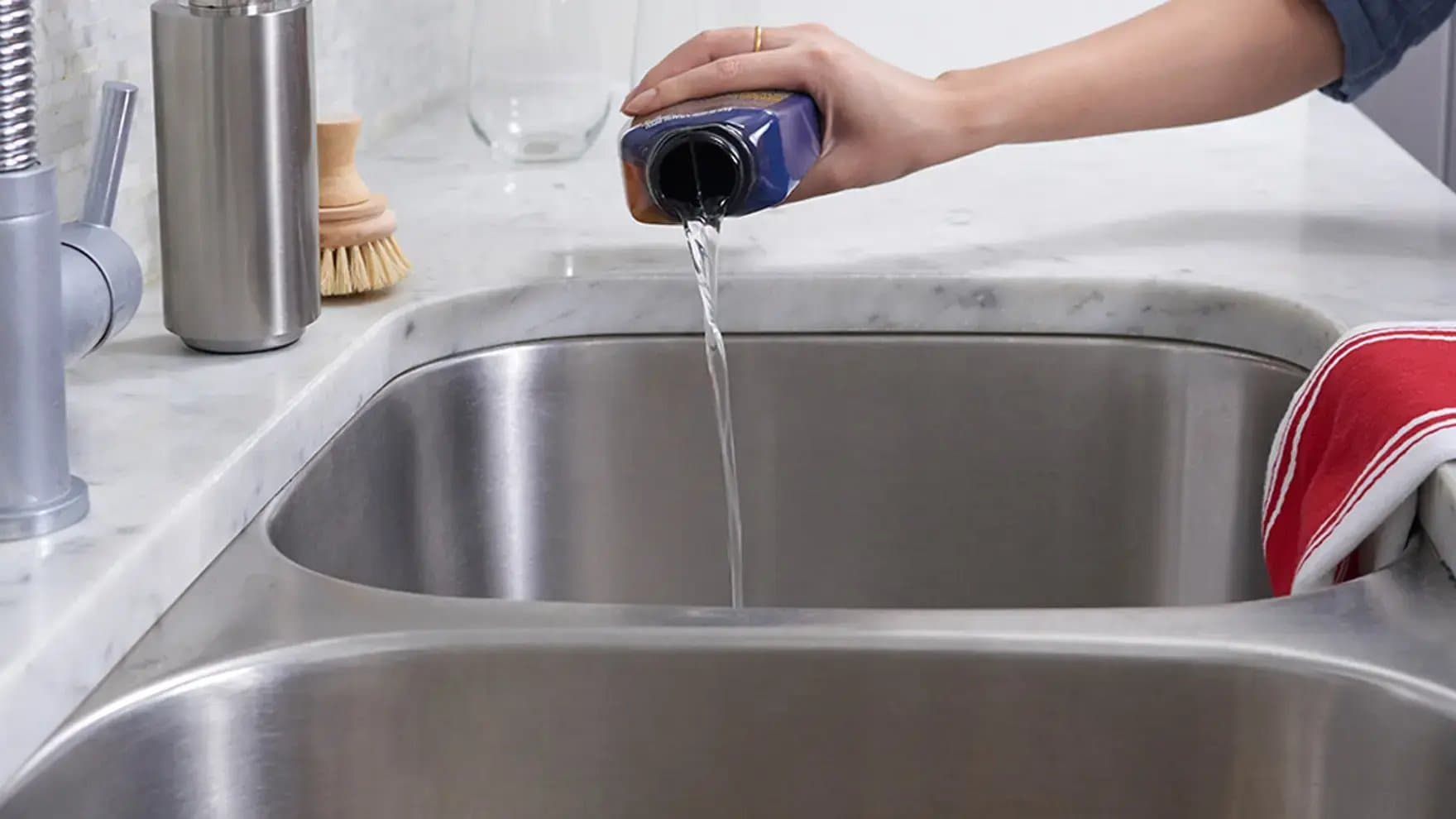
How to Unclog a Kitchen Sink Standing Water: Quick Fixes
Is your kitchen sink overflowing with standing water, leaving you frustrated and unsure of what to do next? You’re not alone.
A clogged kitchen sink can turn your cooking haven into a nightmare, disrupting your daily routine and causing unwanted stress. But before you reach for the phone to call a plumber, consider this: you can unclog that sink yourself with just a few simple steps.
Imagine the satisfaction of watching the water drain away, knowing you solved the problem on your own. In this guide, we’ll walk you through the process of clearing that stubborn blockage, saving you time and money. Ready to reclaim your kitchen and restore order? Let’s dive in and get that sink back in working order!
Assess The Situation
When faced with the frustration of standing water in your kitchen sink, it’s essential to first assess the situation. Understanding the root of the problem can save you time and effort. Before diving into solutions, take a moment to observe what’s happening. Is your sink draining slowly, or is it completely blocked? This initial evaluation will guide you in choosing the most effective method to resolve the issue.
Identify The Cause
Start by determining the cause of the blockage. Is it food debris, grease buildup, or perhaps a foreign object? Each cause requires a unique approach. Consider what was recently put down the drain. Did you dispose of large food particles or pour oil into the sink? This insight will help you target the source more accurately.
Check For Simple Blockages
Once you’ve identified potential causes, check for simple blockages. Look under the sink and inspect the U-bend pipe. Sometimes, a blockage might be visible and easy to remove. Use a flashlight to get a better view. You might be surprised at how often a small item like a bottle cap or a chunk of food can be the culprit. Have you ever found a forgotten spoon lurking in the drain? It’s more common than you think!
Consider using a plunger to create pressure and dislodge any blockages. It’s a straightforward tool but can be highly effective. Ensure the plunger covers the drain completely, and use firm, consistent motions. Have you tried this before with unexpected success? Share your experience in the comments!
Gather Essential Tools
Unclogging a kitchen sink with standing water requires the right tools. Gathering essential tools makes the task easier and more effective. Each tool has a specific function to tackle the clog. Below, find the necessary tools to get started.
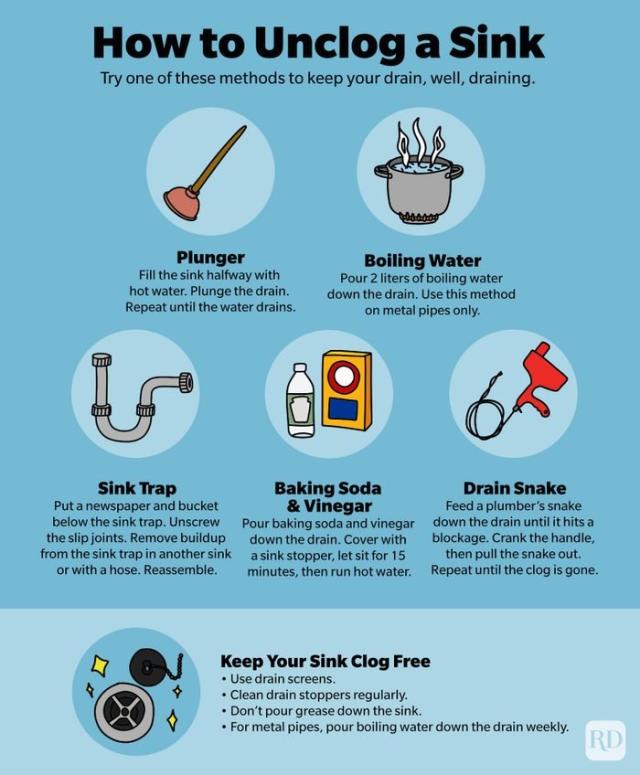
Plunger
A plunger is your first line of defense. It creates suction to dislodge the clog. Ensure the plunger covers the drain completely. Push and pull in quick motions. This action may clear the blockage.
Drain Snake
A drain snake reaches clogs further down the pipe. It’s flexible and long, perfect for deep blockages. Insert the snake into the drain. Twist and push to break up the clog.
Baking Soda And Vinegar
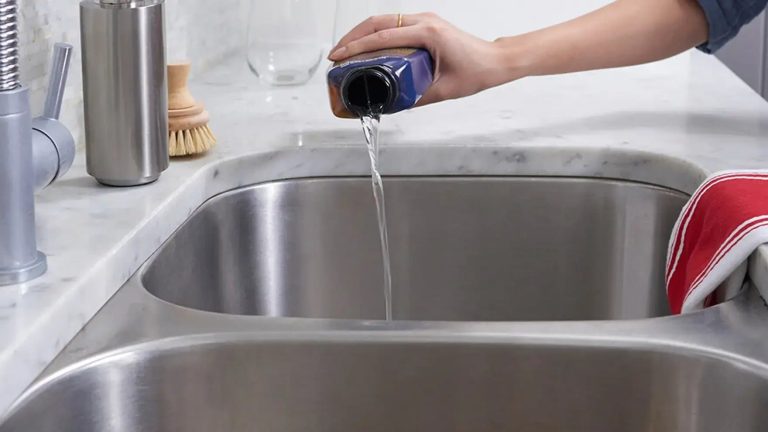
Baking soda and vinegar create a natural cleaning reaction. Pour baking soda into the drain. Follow with vinegar for a fizzing effect. Let it sit for 15 minutes. Rinse with hot water to clear residue.
Bucket And Towels
A bucket and towels prevent mess while you work. Place a bucket under the sink to catch water. Use towels to mop up spills and keep the area dry. This preparation avoids a bigger cleanup later.
Using A Plunger
Clogged kitchen sinks can be a real headache, especially when you’re left with standing water that refuses to drain. Thankfully, using a plunger can be an effective solution to clear those stubborn blockages. This tool, often seen as a bathroom staple, can be a kitchen lifesaver as well. But are you using it correctly?
Proper Plunger Technique
The key to successful plunging lies in technique. Ensure you have a plunger with a flat bottom to create a solid seal over the drain. Begin by filling the sink with enough water to cover the plunger’s head—this helps create the necessary suction.
Position the plunger directly over the drain. Press down firmly, then pull back with a quick motion. Repeat this process several times to dislodge the clog. Are you applying enough force? If not, the clog might remain stubbornly in place.
Tips For Effective Plunging
- Ensure a tight seal: Check for any gaps between the plunger and sink surface. A good seal is crucial for effective plunging.
- Cover the overflow hole: If your sink has one, use a wet cloth to cover it. This prevents air from escaping, enhancing suction power.
- Consistent rhythm: Maintain a steady rhythm while plunging. This consistency can help dislodge even the toughest clogs.
Remember, patience is key. Sometimes, it takes several attempts to clear the blockage completely. Have you ever found yourself giving up too soon? Perseverance might be the secret weapon in your unclogging arsenal.
Credit: www.aol.com
Applying Baking Soda And Vinegar
Pour half a cup of baking soda down the sink. Follow with a cup of vinegar. Wait for 15 minutes. Rinse with hot water to clear the clog.
Applying Baking Soda and Vinegar A clogged kitchen sink can halt your daily routine. Baking soda and vinegar are natural solutions. They’re eco-friendly and effective for unclogging drains. This method is simple and requires minimal effort.Mixing The Solution
Start with baking soda and vinegar. Gather these household items. Use one cup of baking soda and one cup of vinegar. Mix them in a small bowl. This creates a fizzing reaction. The fizz helps break down the clog. It’s a gentle yet powerful cleaning agent.Pouring And Waiting
Pour the mixture down the drain. The fizzing action works immediately. Let it sit for 15 minutes. The solution dissolves grime and debris. This helps clear the blockage. After waiting, rinse with hot water. The hot water flushes away the loosened particles. Your sink should drain smoothly now.Utilizing A Drain Snake
A drain snake helps unclog kitchen sinks with standing water. Insert the snake into the drain and twist it. Break up the clog to restore water flow easily.
Clogged kitchen sinks can be a real nuisance, turning your daily routine into a messy ordeal. One of the most effective tools in your arsenal is a drain snake, a flexible tool designed to navigate through pipes and remove blockages. Using a drain snake might seem intimidating at first, but with a little guidance, it can save you time and prevent unnecessary stress. Let’s dive into how you can utilize this tool to unclog your sink and restore the flow.Inserting The Snake
Begin by removing the sink strainer or stopper, as this will give you direct access to the drain. Slowly insert the tip of the drain snake into the drain opening, ensuring it goes down smoothly. If you feel resistance, don’t push too hard; instead, gently twist the snake to help it navigate through the pipe bends. Once you’ve inserted a few feet of the snake, rotate the handle in a clockwise motion. This will help the snake catch onto any debris or blockage it encounters. Remember, patience is key here—rushing might damage your pipes or the snake itself.Removing The Clog
As you continue to turn the handle, you might feel the snake latch onto something solid. This is likely your clog. Keep rotating while gently pulling the snake back towards you. The goal is to either break up the blockage or pull it out entirely. Once the snake is free, carefully extract it from the drain. Be prepared for some mess, as the debris may come up with it. Dispose of the gunk properly and rinse the snake before storing it away. To ensure the clog is completely gone, run hot water down the drain for a few minutes. This will help wash away any residual debris and confirm that your sink is back in working order. Have you ever thought about how much easier life becomes when you tackle such issues head-on with the right tools?Checking The P-trap
When standing water in your kitchen sink refuses to drain, checking the P-Trap is a crucial step. This U-shaped pipe under your sink often harbors food particles, grease, and debris, leading to blockages. Before you call a plumber, why not try tackling this yourself? You might be surprised how easy it is to clear out the gunk and restore your sink’s functionality. Let’s dive into how you can remove and inspect the P-Trap effectively.
Removing The P-trap
Start by placing a bucket beneath the P-Trap to catch any water or debris that may spill out. Use a wrench to carefully loosen the slip nuts on both ends of the trap. Once loosened, you can unscrew them by hand. Gently remove the P-Trap, letting any trapped water drain into the bucket. You might notice unpleasant odors, which is a sign you’re on the right track to clearing a blockage.
Have you ever wondered why clearing a P-Trap is often a homeowner’s first DIY plumbing fix? It’s accessible and straightforward, requiring minimal tools. With the trap detached, it’s easier to visually inspect for blockages.
Clearing Blockages
With the P-Trap removed, scrutinize its insides for any noticeable buildup. Use a flexible wire brush or a bottle brush to dislodge and remove any debris. Rinse the P-Trap with warm water to wash away remaining particles. If you find stubborn residue, soaking the trap in a mixture of vinegar and baking soda can help dissolve it.
Think about how often you use your kitchen sink. A bit of proactive cleaning can save you from frequent clogs. As you clean, ask yourself: What can I do to prevent this in the future? Simple changes like using a sink strainer can make a big difference.
Reattach the P-Trap by screwing the slip nuts back into place, ensuring a tight seal. Run the water to check if the sink drains properly. If you’ve done it right, that standing water will be a thing of the past.
Preventive Measures
Keep your kitchen sink clear by using a mesh strainer to catch food debris. Regularly pour hot water down the drain to prevent buildup.
Preventive measures can save you from the headache of a clogged sink. Simple habits can keep your kitchen sink free of standing water.Regular Cleaning
Regular cleaning helps prevent debris buildup. Wipe down the sink daily with warm water and dish soap. Use a soft brush to clean around the drain. Once a week, pour boiling water down the drain. This helps dissolve any grease or soap residue. Inspect the garbage disposal for any trapped food particles.Proper Disposal Of Grease
Grease is a major cause of clogs in kitchen sinks. Avoid pouring grease down the drain. Instead, let it cool and solidify in a container. Dispose of the container in the trash once the grease hardens. This keeps your pipes free of oily residue. Consider using paper towels to wipe greasy pans before washing.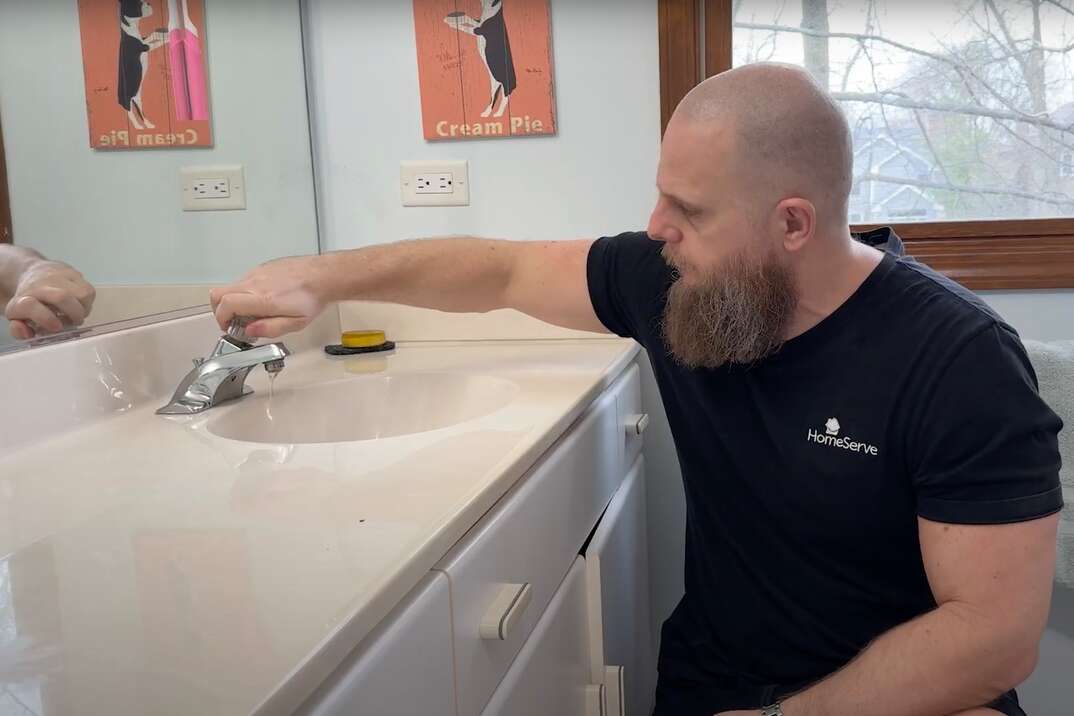
Credit: www.homeserve.com
When To Call A Professional
Persistent clogs or foul odors suggest it’s time to call a professional. DIY attempts with no success also indicate expert help is needed.
When your kitchen sink fills with standing water, it causes stress. Sometimes, DIY methods just won’t work. Recognizing the right time to call a professional is crucial. Knowing when to seek expert help can save you from bigger issues. Let’s dive into the signs and benefits of hiring a professional plumber.Signs Of A Serious Issue
– Water doesn’t drain after using a plunger. – You hear gurgling sounds from the drain. – Foul odors come from the sink. – Water backs up in other areas, like the bathtub. – Persistent clogs despite using cleaners or tools. These signs hint at deeper problems in your plumbing. Ignoring them can lead to costly repairs.Benefits Of Expert Help
– Professionals have the right tools for the job. – They can identify the root cause quickly. – Experts prevent further damage to your pipes. – They offer long-term solutions, not quick fixes. – Hiring a plumber saves you time and stress. Calling a professional ensures your sink is in good hands. Your plumbing will thank you for it.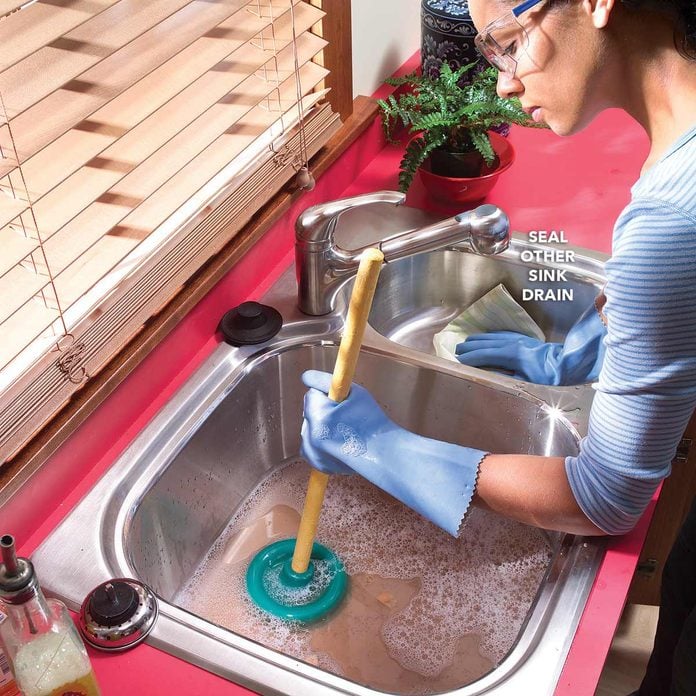
Credit: www.familyhandyman.com
Frequently Asked Questions
How Do You Unclog A Kitchen Sink With Standing Water?
Use a plunger to dislodge the clog. If needed, pour boiling water or baking soda and vinegar mixture.
How To Get Rid Of Standing Water In A Kitchen Sink?
Remove standing water by using a plunger to clear the drain. Pour baking soda and vinegar down the drain. Let it fizz for 15 minutes, then flush with hot water. If the issue persists, check the garbage disposal for clogs or call a plumber for assistance.
How To Unclog A Sink When The Water Won’t Go Down?
Use a plunger to dislodge the clog. Pour boiling water mixed with baking soda and vinegar. If needed, use a drain snake to break up blockages. Remove and clean the sink trap. Repeat steps if necessary to ensure the sink drains properly.
Is It Okay To Plunge A Kitchen Sink?
Yes, plunging a kitchen sink is safe. Use a plunger to clear minor clogs effectively. Ensure proper technique for best results. Avoid chemicals before plunging to prevent damage. Regular maintenance helps prevent future blockages. Always prioritize safety and check for any underlying plumbing issues if clogs persist.
Conclusion
Fixing a clogged kitchen sink is simple with the right tools. You can clear standing water using a plunger or baking soda and vinegar. Regular cleaning prevents future blockages. A clean sink means a happy kitchen. Always check for debris and food particles.
Keeping pipes clean ensures smooth water flow. Remember, patience is key during the process. If the clog persists, consider professional help. A plumber can provide a more permanent solution. Tackle the problem early to avoid bigger issues. Your kitchen sink will thank you for it.
Enjoy smooth, hassle-free drainage.