Is Kitchen Sink Water Safe to Drink: Uncover the Truth
Executive Chef & Lead Commercial Kitchen Specialist at Daily Kitchup Test Lab
Have you ever turned on your kitchen tap, filled a glass with water, and wondered if it’s safe to drink? You’re not alone.
Many people are curious about the safety of their tap water. It’s easy to assume that water flowing from your kitchen sink is clean and safe, but is it really? Understanding the quality of your tap water is crucial for your health and peace of mind.
We’ll dive into the factors that determine the safety of your kitchen sink water, uncover common myths, and provide practical tips to ensure you’re drinking the best quality water possible. Stick around, because the answers might surprise you and change how you view the water you drink every day.

Credit: www.waterdropfilter.com.au
Sources Of Kitchen Sink Water
When you turn on the kitchen sink tap, have you ever paused to consider where that water comes from? Understanding the sources of your kitchen sink water can help you assess its safety and quality. Let’s explore the different origins of the water that flows into your home.
Municipal Water Supply
Most urban households receive water from a municipal water supply. This system sources water from local rivers, lakes, or reservoirs.
These supplies are treated extensively to remove contaminants, ensuring water safety. Despite rigorous treatment, occasional issues like pipe leaks can affect water quality.
Have you ever received a notice about water quality in your area? Such notices highlight the importance of staying informed about your municipal water system.
Well Water Systems
If you live in a rural area, your kitchen sink might draw water from a private well. Well water is sourced directly from underground aquifers.
While it can be naturally clean, it requires regular testing and maintenance. Contamination from nearby agricultural activities can pose risks.
Imagine having fresh, untreated water at your disposal but needing to ensure it’s free from harmful microbes. Would you trust your well water without regular checks?
Bottled Vs. Tap Water
Some people prefer bottled water over tap water due to taste or perceived purity. Bottled water often undergoes filtration processes before reaching consumers.
However, tap water is frequently more regulated and tested than bottled water. The environmental impact of plastic bottles is also a concern.
Have you compared the taste of bottled water with your tap water? What factors influence your choice? Considering both options can lead to healthier and more sustainable decisions.
Common Contaminants
Understanding the quality of your kitchen sink water is crucial for your health and wellbeing. While tap water is treated to meet safety standards, it can still contain various contaminants. These contaminants can affect taste, smell, and, most importantly, your health. Let’s dive into some common contaminants that might be lurking in your kitchen sink water.
Chemical Pollutants
Chemical pollutants can find their way into your water supply from agricultural runoff, industrial waste, and even household chemicals. Pesticides from nearby farms and residues from manufacturing plants can seep into water sources. You might notice an odd taste or smell in your water. These chemicals can have long-term health impacts. Are you confident in the safety of the water coming from your tap?
Biological Contaminants
Biological contaminants include bacteria, viruses, and parasites that can make you sick. Ever had a stomach bug after drinking tap water? It might have been due to these invisible intruders. Poor sanitation and outdated plumbing systems can increase the risk of biological contamination. Does your water filtration system effectively tackle these threats?
Heavy Metals
Heavy metals like lead, arsenic, and mercury can leach into your water supply through corroded pipes or natural deposits. These metals pose serious health risks, particularly to children and pregnant women. Even small amounts can accumulate over time and lead to health issues. Have you ever considered testing your water for heavy metals?
Water Treatment Processes
Understanding the water treatment processes your kitchen sink water undergoes can provide peace of mind and ensure its safety for drinking. While many people take tap water for granted, knowing how it’s treated can empower you to make informed decisions about its consumption.
Filtration Systems
Filtration systems are the first line of defense in water treatment. They remove sediment, debris, and larger impurities from the water. Think of it as a sieve that traps unwanted particles before they reach your glass. Common filtration systems include activated carbon filters, which are excellent at removing chlorine and improving taste. However, they might not eliminate all bacteria or viruses.
Have you ever noticed how some water tastes better than others? That’s often due to effective filtration. Investing in a good filtration system can enhance the quality of your tap water significantly.
Chlorination And Its Effects
Chlorination is a standard practice in municipal water treatment. It kills harmful bacteria and pathogens, making water safe to drink. However, chlorine can affect the taste and smell of water. Have you ever wondered why some tap water smells like a swimming pool? That’s chlorine at work.
While chlorination is vital for safety, it’s worth considering how much chlorine is in your water. Excessive levels can be unpleasant and might lead you to seek alternative purification methods.
Advanced Treatment Methods
Advanced treatment methods go beyond basic filtration and chlorination. Techniques like reverse osmosis and ultraviolet light treatment can remove a broader range of contaminants. These methods are especially useful if you’re concerned about heavy metals or chemical pollutants.
Although advanced treatments can be more costly, they offer a higher level of purification. Is it worth investing in these technologies for your health and peace of mind?
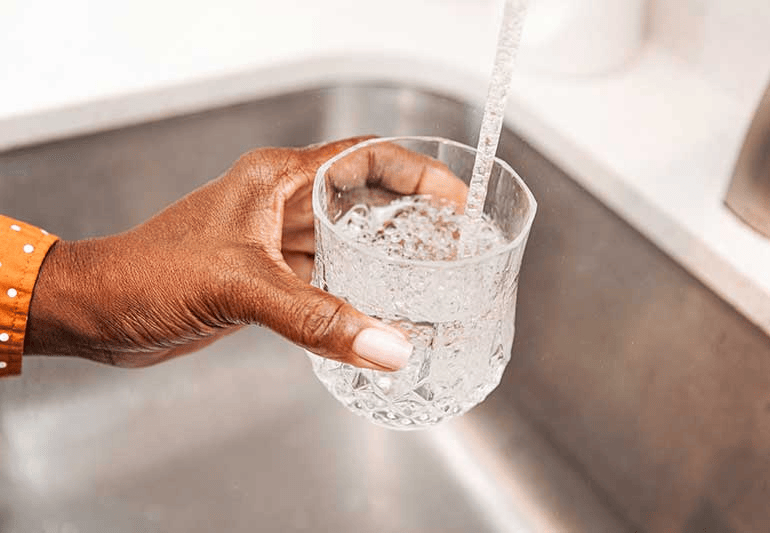
Understanding these processes can make you more confident about the water you drink. So next time you fill a glass from the tap, consider what might be lurking beneath the surface and how it was treated to ensure your safety.
Credit: health.clevelandclinic.org
Health Implications
When you turn on your kitchen sink faucet, do you ever wonder about the safety of the water you’re about to drink? Understanding the health implications of drinking tap water is crucial for making informed decisions. Let’s dive into the potential risks and how they might affect you and your loved ones.
Short-term Health Risks
Drinking water directly from the kitchen sink can sometimes lead to immediate health issues. If your area’s water supply is contaminated with bacteria or viruses, it could cause gastrointestinal problems like diarrhea and nausea. Imagine waking up one morning feeling ill, simply because of the water you drank the night before.
Additionally, chemical pollutants can occasionally slip through the treatment process. These might include chlorine or lead, which could cause headaches or skin irritation shortly after consumption. It’s worth considering whether your tap water is as pure as it should be.
Long-term Health Concerns
While short-term effects might be noticeable, long-term consumption of tainted tap water can have more serious repercussions. Continuous exposure to contaminants like lead can impact your nervous system over time. You might wonder if persistent fatigue or memory issues could be linked to your water source.
Moreover, some chemicals found in tap water have been associated with cancer risks. Think about the cumulative effect of drinking such water over years. Is it worth the gamble when your health is at stake?
Vulnerable Populations
Certain groups are more susceptible to the dangers of unsafe tap water. Infants, young children, and pregnant women need extra care. For instance, lead exposure can harm a child’s developing brain, potentially causing learning disabilities.
Older adults and those with weakened immune systems may also face greater risks. If you or someone you care for falls into these categories, ensuring the safety of your drinking water becomes even more critical.
So, next time you fill your glass at the kitchen sink, consider these health implications. Could a simple change in your water consumption habits safeguard your health in both the short and long term?
Testing Your Water Quality
Have you ever paused before filling a glass from your kitchen sink, wondering if the water is truly safe to drink? Testing your water quality is a crucial step in ensuring the safety and health of your household. By understanding the quality of your tap water, you can take informed steps to address any concerns. Let’s delve into practical ways you can test the water that flows from your kitchen faucet.
Home Testing Kits
Home testing kits are an accessible way to get a snapshot of your water quality. Available at most hardware stores, these kits can test for common contaminants like chlorine, lead, and bacteria. They often come with easy-to-follow instructions, allowing you to conduct a test within minutes right at your kitchen sink.
Using a home test kit, you can gain peace of mind without leaving your home. Simply dip the test strip into your water and compare the resulting color to a provided chart. But remember, while these kits are useful for initial assessments, they may not detect all potential issues.
Professional Water Testing
If you’re looking for a comprehensive analysis, professional water testing services might be the way to go. These services offer detailed reports on a wide range of contaminants, including heavy metals and pesticides. Hiring a professional can give you a clearer picture of what’s in your water.
Contact your local water utility or an independent laboratory to arrange for a water sample to be tested. This might be especially important if you live in an older home or in an area with known water quality issues. Professional tests can provide data that home kits might miss, offering a deeper understanding of your water’s safety.
Interpreting Test Results
Once you have your test results, it’s time to interpret them. Understanding what the numbers and charts mean is crucial to taking action. Most home kits and professional tests will provide guidelines to help you understand your results.
If your results show levels of contaminants that are higher than recommended, it might be time to consider water filtration options. Contacting a water treatment specialist can also be beneficial in addressing specific concerns. Remember, understanding your water quality is the first step to ensuring safe drinking water for you and your family.
Improving Water Safety
Improving water safety in your home is essential for ensuring the health and well-being of your family. The water that flows from your kitchen sink often carries impurities that can affect its taste and safety. By taking proactive steps, you can significantly enhance the quality of your drinking water. Let’s explore practical ways to make your kitchen sink water safer and more enjoyable.
Installing Water Filters
Water filters are a great first step in improving water safety. They remove contaminants like chlorine, lead, and bacteria, making tap water cleaner and better tasting. Choosing a filter that fits under your sink can keep it out of sight while ensuring you have access to purified water.
Consider my experience: I installed a carbon filter in my kitchen, and the difference in water quality was instantly noticeable. The taste was fresher, and I felt more confident in the safety of the water I was drinking. Have you considered the impact a simple filter could make?
Regular Maintenance Tips
Maintenance is key to ensuring your water filter performs efficiently. Regularly replacing the filter cartridge prevents it from becoming clogged with impurities and keeps your water clean. Check the manufacturer’s guidelines for how often replacements are needed.
Remember to clean the faucet aerator as part of your maintenance routine. This small component can accumulate mineral deposits, affecting water flow and quality. A quick clean can make a big difference. How often do you check your kitchen fixtures?
Choosing The Right Filter
Selecting the right water filter depends on your specific needs. Consider what contaminants you want to remove, your budget, and the filter’s lifespan. Options range from simple faucet attachments to advanced reverse osmosis systems.
Research and reviews can guide you in making an informed choice. I once opted for a high-end filter, only to find it wasn’t necessary for my water type. Sometimes simpler solutions are surprisingly effective. What type of filter suits your home best?
Regulations And Standards
Ensuring the safety of kitchen sink water involves strict regulations. These regulations are set by various authorities to protect public health. Let’s delve into these standards and understand their importance.
Epa Guidelines
The Environmental Protection Agency (EPA) sets the standards for drinking water in the U.S. They establish maximum contaminant levels for harmful substances. Public water systems must comply with these limits. The EPA also provides guidelines for water treatment processes. These processes aim to remove or reduce contaminants to safe levels.
International Standards
International bodies like the World Health Organization (WHO) set global water safety standards. These guidelines help countries establish their own regulations. They focus on ensuring the water is safe for human consumption. Many countries adopt or adapt these standards to fit their needs. This ensures a universal approach to water safety.
State And Local Regulations
State and local governments also play a role in water safety. They may impose stricter regulations than federal standards. This can be due to specific local concerns or needs. Local agencies often conduct regular water quality tests. These tests ensure compliance with both federal and local standards. They also address any emerging water quality issues promptly.

Credit: www.everydaycheapskate.com
Environmental Impact
The environmental impact of drinking kitchen sink water is significant. Choosing tap water over bottled water can lead to a healthier planet. Let’s explore how this simple choice affects the environment.
Water Usage And Conservation
Tap water requires fewer resources than bottled water. Producing bottled water uses a lot of water. In fact, it takes three liters of water to produce one liter of bottled water. By drinking tap water, you help conserve water resources. This action reduces the strain on local water supplies and supports sustainable water management.
Plastic Waste From Bottled Water
Plastic bottles contribute to environmental pollution. They take hundreds of years to decompose. Most plastic bottles end up in landfills or oceans. This waste harms wildlife and ecosystems. Choosing tap water reduces plastic waste significantly. Less plastic waste means a cleaner and healthier environment.
Sustainable Water Practices
Using tap water encourages sustainable practices. It supports local water systems and reduces the carbon footprint. Water treatment plants use energy, but the impact is lower than bottled water. By using tap water, you support eco-friendly water management. It promotes a sustainable future for the planet.
Myths And Misconceptions
The topic of drinking water from your kitchen sink often sparks debate, surrounded by myths and misconceptions. Many people wonder about its safety and quality compared to other sources of drinking water. The truth is, much of what we believe about tap water is influenced by perceptions rather than facts. Let’s dive into some common myths and misconceptions.
Bottled Water Vs. Tap Water
Is bottled water truly superior to tap water? Many people assume bottled water is safer, but that’s not always the case. Both bottled and tap water are subject to strict regulations, ensuring safety and quality. However, tap water is typically more closely monitored by local authorities. Moreover, bottled water can sometimes be just filtered tap water, sold at a higher price.
Taste And Safety Perceptions
Does tap water taste worse than bottled water? Taste can vary depending on local water sources and treatment processes. Some people prefer the taste of bottled water, but that doesn’t necessarily mean it’s safer. The perception of taste often influences our choices more than actual safety. Interestingly, blind taste tests have shown that many can’t distinguish between high-quality tap and bottled water.
Common Myths Debunked
- Myth:Tap water contains harmful chemicals.
Reality:Tap water is treated and tested regularly to remove harmful substances, making it safe to drink. - Myth:Bottled water is always purer.
Reality:Not all bottled water is pure; some brands bottle municipal tap water after minimal filtration. - Myth:Tap water tastes bad everywhere.
Reality:Taste varies based on local minerals and filtration; many find it comparable to bottled water.
Next time you reach for a drink, consider your options. Is your preference based on facts or perceptions? Understanding the reality behind these myths can empower you to make informed choices. What myths have you heard about tap water? Share your thoughts and let’s continue the conversation.
Frequently Asked Questions
Is Sink Water Different From Kitchen Water?
Sink water and kitchen water are typically the same. Both usually come from the same plumbing system. Quality depends on local water treatment. It’s safe for drinking and cooking unless otherwise advised by local authorities. Check with your water provider for specific details.
Can You Make Sink Water Drinkable?
Yes, you can make sink water drinkable. Use a water filter or purifier to remove contaminants. Boiling the water also kills harmful bacteria and viruses. Ensure pipes and plumbing are clean to avoid contamination. Regularly test water quality for safety.
Should You Drink Water From The Faucet?
Drinking tap water is generally safe in many regions. Always check local water quality reports for safety. Use a water filter if concerned about contaminants. Ensure your plumbing is maintained. In some areas, bottled or filtered water may be a safer option.
Always prioritize your health and safety first.
How Dirty Is Sink Water?
Sink water may contain impurities like bacteria, metals, and chemicals. Regular filtration improves its safety. Always ensure pipes are clean. Use water testing kits for peace of mind. Consider installing a water filter for optimal purity. Most tap water is treated but varies by location.
Conclusion
Drinking kitchen sink water involves some risks. Tap water quality varies by location. Testing your water is wise. Filters can remove impurities. Boiling water kills bacteria. Bottled water offers a safe alternative. Always check local water reports. Stay informed about possible contaminants.
Consider using a water purifier. Protect your health with clean water choices. Some prefer home filters for peace of mind. Quality matters more than convenience. Ensure your drinking water is safe. Simple steps can safeguard your health. Making informed choices is key.
Water safety is essential for a healthy life. Drink wisely.

Similar Posts