What is a Standard Size Kitchen Trash Can: Your Ultimate Guide
Executive Chef & Lead Commercial Kitchen Specialist at Daily Kitchup Test Lab
Are you tired of the constant struggle with overflowing trash and awkwardly fitting garbage bags? Choosing the right kitchen trash can is more important than you might think.
The size of your trash can impacts your kitchen’s functionality and cleanliness, and it even affects your mood. Have you ever wondered what the standard size for a kitchen trash can is? Understanding this simple detail can transform your daily kitchen routine.
Dive into this guide to discover how selecting the perfect size can make waste management easier and more efficient, leaving you with a cleaner, happier kitchen. Don’t let the wrong trash can size hold you back any longer!

Credit: www.amazon.com
Common Trash Can Dimensions
Choosing the right kitchen trash can is essential for maintaining cleanliness. Different homes have varying needs, but knowing common trash can dimensions helps. This knowledge ensures you pick the perfect fit for your space.
Standard Kitchen Trash Can Size
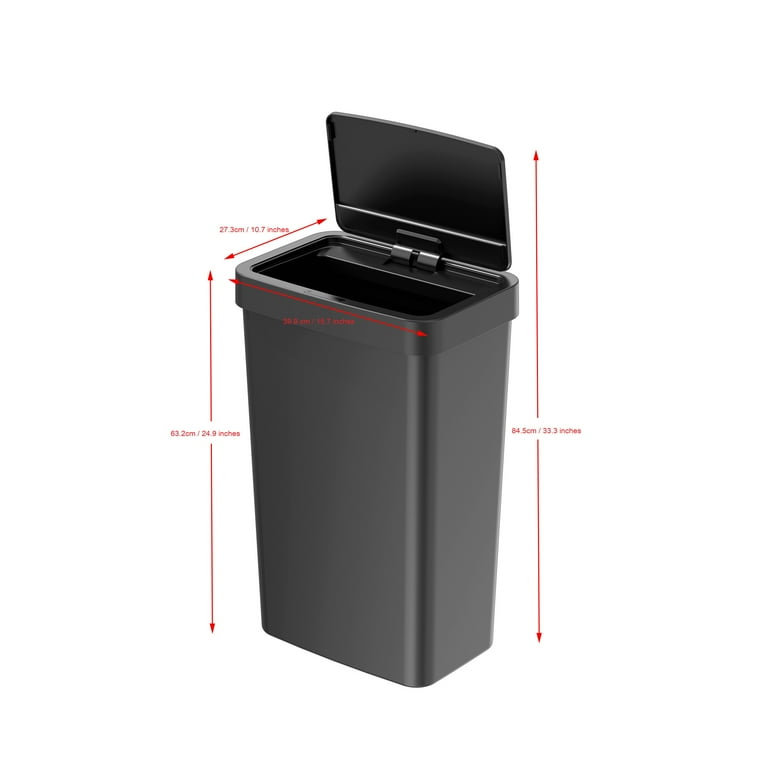
Standard kitchen trash cans typically hold 12 to 16 gallons. They are about 25 to 30 inches tall. This size suits average household waste needs.
Compact Trash Cans
Compact trash cans are ideal for small kitchens. They usually hold 5 to 10 gallons. These cans stand 20 inches or less, fitting snugly in tight spaces.
Large Trash Cans
Large trash cans accommodate bigger families. They can hold up to 20 gallons or more. These cans can be over 30 inches tall, providing ample waste capacity.
Under-sink Trash Cans
Under-sink cans are space-saving solutions. They typically hold 7 to 10 gallons. These cans fit under cabinets, keeping them hidden from view.
Step-on Trash Cans
Step-on cans offer hands-free convenience. They range from 10 to 20 gallons. These cans are often 25 to 35 inches tall, perfect for easy access.
Recycling Trash Cans
Recycling cans are essential for eco-friendly homes. They usually have dual compartments. These cans range from 12 to 20 gallons, aiding waste separation.
Factors Influencing Size Choice
Choosing the right kitchen trash can size depends on various factors. These factors help ensure convenience and efficiency in waste management. Understanding them can lead to a cleaner and more organized kitchen environment.
Household Size
The number of people in a home affects trash can size. A larger household produces more waste daily. A bigger trash can is often necessary to accommodate this. For a small family, a 7 to 10-gallon can might suffice. Larger families might need a 13-gallon can or more.
Kitchen Layout
The kitchen’s layout impacts trash can choice. Space constraints can limit size options. A compact kitchen might benefit from a slim, space-saving design. Larger kitchens can accommodate bigger cans without issue. Consider the placement of the trash can within the kitchen flow. This ensures ease of access during meal preparations.
Trash Disposal Frequency
How often you dispose of trash influences the size needed. Frequent disposal means a smaller can may work. Infrequent disposal requires a larger bin to avoid overflow. Consider your routine and trash collection schedule. This helps in selecting a suitable size for your needs.
Materials And Durability
Choosing the right kitchen trash can depends on materials and durability. Different materials offer varying levels of strength, weight, and cost. Understanding these can help you pick the perfect trash can for your kitchen.
Plastic Variants
Plastic trash cans are lightweight and affordable. They are resistant to rust and dents, making them durable. These cans are easy to clean, ideal for busy kitchens. You can find them in various colors, matching any kitchen decor. Look for high-quality plastic to ensure long-lasting use.
Metal Options
Metal trash cans add a sleek, modern touch to kitchens. Stainless steel is the most common choice, known for its durability. It resists odors and is easy to clean. Some metal cans come with a fingerprint-resistant finish. These options often feature step-on lids, adding convenience.
Hybrid Materials
Hybrid trash cans combine plastic and metal for enhanced features. They offer the durability of metal and the lightweight benefits of plastic. This mix provides a balance between cost and functionality. Hybrids often have metal lids with plastic bodies. This design can offer the best of both worlds.

Credit: www.bedbathandbeyond.com
Design And Aesthetics
A standard size kitchen trash can typically holds between 12 to 16 gallons. This size fits comfortably under most kitchen counters, providing an efficient waste solution while maintaining a tidy appearance.
Design and Aesthetics of a kitchen trash can are more significant than you might think. A well-designed trash can not only serves its functional purpose but also complements the overall look of your kitchen. It’s about blending practicality with style, making sure your trash can doesn’t stick out like a sore thumb.Color And Finish
Choosing the right color and finish for your kitchen trash can can make a world of difference. Opt for colors that blend seamlessly with your kitchen palette. Stainless steel is a popular choice for its sleek appearance and durability. Matte finishes are great for hiding fingerprints and smudges, keeping your trash can looking pristine with less effort.Shape And Style
The shape and style of your trash can can influence the entire vibe of your kitchen. Slim, rectangular designs fit snugly against walls or under counters, maximizing space efficiency. Circular styles offer a classic look but may require more room. Consider the flow of your kitchen space; does your trash can complement or disrupt it?Lid Mechanisms
Lid mechanisms can be a game changer in terms of convenience and aesthetics. Touch-top or pedal-operated lids offer hands-free access, which is great when your hands are full. Soft-close lids are a quiet option that prevent the annoying clanging noise. Think about your daily kitchen routine—what lid mechanism aligns with it?Space Optimization Tips
A standard size kitchen trash can typically holds between 12 to 16 gallons. Choose one that fits comfortably in your space. Consider the dimensions to ensure it doesn’t overcrowd the kitchen area.
Space Optimization Tips Maximizing space in your kitchen can often feel like solving a challenging puzzle. However, with the right strategies, you can effectively make room for everything, including your standard size kitchen trash can. Let’s dive into some practical tips that can help you optimize your kitchen space.Under-counter Solutions
One smart way to save space is by utilizing the area under your kitchen counter. Installing a pull-out trash can is a popular choice. It keeps the trash out of sight and frees up floor space. Consider using a dual-compartment pull-out system. This can help you separate recyclables from regular waste without sacrificing more space. If you’re short on cabinetry, explore using a narrow pull-out rack next to your sink.Compact Designs
Compact trash can designs can be a lifesaver in a small kitchen. Look for slim or rectangular models that fit snugly against a wall or cabinet. These designs often hold as much waste as traditional cans but occupy less space. Some compact cans come with lids that open vertically, preventing the need for extra room. When shopping, prioritize models with built-in odor control to maintain a fresh kitchen environment.Corner Placement
Corners are often overlooked as potential storage spots. Placing your trash can in a corner can be an efficient use of space. It keeps the can accessible but out of the central kitchen workflow. Consider using a triangular-shaped trash can designed specifically for corner placement. This shape maximizes the use of the corner without protruding into the main area. Adding a lid with a foot pedal can enhance convenience and hygiene. When optimizing your kitchen space, think about how each element fits into the bigger picture. How can you rearrange items to create a more functional and enjoyable cooking environment? By creatively utilizing under-counter space, selecting compact designs, and making use of corners, you’ll find your kitchen not only looks tidier but also works more efficiently.Eco-friendly Considerations
Consider eco-friendly materials when choosing a standard size kitchen trash can. Opt for bins made from recycled plastic or stainless steel. These materials reduce environmental impact and promote sustainability.
When choosing a kitchen trash can, eco-friendly considerations are increasingly important. Not only do these choices benefit the environment, but they also make waste management in your home more efficient. Let’s explore some practical ways to make your trash can selection more sustainable.Recycling Options
Opt for a trash can with built-in compartments for recycling. This design encourages sorting waste at the source, making it easier to recycle paper, plastics, and metals. You might find it surprising how much this simple change can reduce your landfill contributions. Consider color-coded liners or stickers to distinguish between recyclable and non-recyclable waste. This small step can help everyone in your household participate in sustainable waste management. Are you ready to transform your kitchen into a recycling powerhouse?Composting Integration
Integrate a compost bin into your kitchen setup. A small, separate compartment within your trash can is ideal for collecting organic waste. This makes it easy to manage scraps that can be composted, reducing the overall waste that goes to landfills. Using a compostable liner can further simplify the process. It ensures your compost bin remains clean while you contribute to a healthier planet. Have you thought about the impact your food scraps could have if they were composted instead of trashed?Sustainable Materials
Choose a trash can made from sustainable or recycled materials. Stainless steel is a durable, eco-friendly option that can last for years. Alternatively, look for cans made from recycled plastics that reduce the demand for new resources. When selecting materials, consider the longevity and environmental impact. A high-quality trash can might cost more upfront but can save money and resources in the long run. What material will you choose to support a greener future in your kitchen?Maintenance And Cleaning
A standard size kitchen trash can typically holds 13 gallons of waste. This size suits most households for regular use. It’s compact yet spacious enough to manage daily kitchen garbage efficiently.
Maintaining and cleaning your kitchen trash can is essential for a hygienic home environment. A clean trash can not only prevents unpleasant odors but also extends its lifespan. By adopting regular cleaning habits and being attentive to maintenance issues, you ensure that your trash can remains functional and fresh.Odor Control
Trash can odors can be surprisingly stubborn. One effective way to combat this is by using baking soda. Sprinkle a layer at the bottom of your trash can to absorb unwanted smells. Another tip is to line the can with a scented trash bag. These bags offer an extra layer of odor protection, especially useful for organic waste. Consider placing a dryer sheet at the bottom of the can. This can help neutralize odors while adding a fresh scent.Regular Cleaning Practices
Regular cleaning is crucial to prevent build-up of grime and bacteria. Begin by rinsing the trash can with hot water. This helps loosen any sticky residues. Use a mild dish soap and a scrubbing brush to clean the interior and exterior surfaces. Pay attention to the lid and rim, as these areas tend to collect the most debris. Rinse thoroughly and let it dry completely before placing a new bag inside. A dry can is less likely to harbor bacteria and odors.Common Maintenance Issues
Even with regular cleaning, you might encounter some maintenance issues. If your trash can lid isn’t closing properly, check for any obstructions or worn-out parts. Tightening loose screws can often solve this problem. Cracks or holes can develop over time, especially in plastic cans. Repair small cracks with waterproof tape to prevent leaks. If you notice persistent odors despite cleaning, it might be time to replace the trash can. Investing in a new one can save you from continuous cleaning efforts and ensure better odor control. These simple steps can keep your kitchen trash can in top shape. Is there a particular cleaning routine you swear by? Share your tips in the comments!Budget And Cost Analysis
Understanding the budget and cost of a kitchen trash can is essential. Many factors influence the price, including size, material, and brand. It’s important to find a balance between cost and value.
Price Ranges
The price of a standard kitchen trash can varies widely. Basic models start around $20. Mid-range options can cost between $30 and $60. High-end trash cans, often made of stainless steel, might exceed $100. Prices depend on features like lids, pedals, and odor control.
Value Versus Cost
Paying more doesn’t always mean better value. A cheap trash can might need replacing sooner. Consider durability and ease of use alongside price. A slightly higher cost can mean fewer replacements and better functionality.
Long-term Investment
Think of a trash can as a long-term investment. A durable trash can saves money over time. Quality materials and construction reduce the need for frequent replacements. Choose a trash can that meets your needs and lasts for years.
Credit: www.walmart.com
Frequently Asked Questions
What Is The Normal Size Of A Kitchen Trash Can?
Most kitchen trash cans range from 12 to 16 gallons. This size accommodates typical household waste effectively. Larger families might opt for a 20-gallon bin. Compact kitchens may prefer smaller, 10-gallon cans. Choose based on space and waste needs for optimal efficiency.
Is A 10 Gallon Trash Can Big Enough For A Kitchen?
A 10-gallon trash can is typically sufficient for small to medium-sized kitchens. It suits households with regular waste disposal routines. Larger families or those generating more waste might need a bigger size. Consider your kitchen’s waste output and disposal frequency to decide.
What Is The Standard Size Of A Kitchen Trash Can?
A standard kitchen trash can typically holds between 12 to 16 gallons. This size fits well in most kitchens. It provides enough capacity for daily household waste. Choosing a size depends on your kitchen space and waste disposal needs.
How Tall Is A Standard Kitchen Trash Can?
Standard kitchen trash cans usually range from 24 to 32 inches in height. This height is convenient for most kitchen spaces. It allows easy access while cooking or cleaning. Ensure it fits under your kitchen counter if needed.
Conclusion
Choosing the right kitchen trash can makes life easier. It fits the space and holds enough waste. Consider size, material, and style. These factors influence your choice. A 13-gallon can suits most kitchens. It balances size and capacity well. Smaller cans work in tight spaces.
Larger cans need more room. Think about cleaning ease and lid type. These affect convenience. Match the trash can with your kitchen look. Harmonize function and design for a tidy space. Remember, a good trash can simplifies kitchen chores. It’s not just about disposing waste, but enhancing daily tasks.

Similar Posts