What to Use to Clean Wood Kitchen Cabinets: Top Solutions
Executive Chef & Lead Commercial Kitchen Specialist at Daily Kitchup Test Lab
Are your wood kitchen cabinets looking a little dull or grimy? You might be wondering what to use to clean them without causing any damage.
You’re not alone. Many people struggle to find the right products or methods to keep their cabinets looking fresh and new. In this guide, you’ll discover the secrets to maintaining the natural beauty of your wood cabinets with ease. Imagine opening your kitchen to a warm, inviting space where every cabinet gleams, enhancing the heart of your home.
Keep reading to unlock the tips and tricks that will transform your kitchen cabinets and make them the envy of every guest. Get ready to dive into a world of simple solutions that promise to bring out the best in your kitchen.
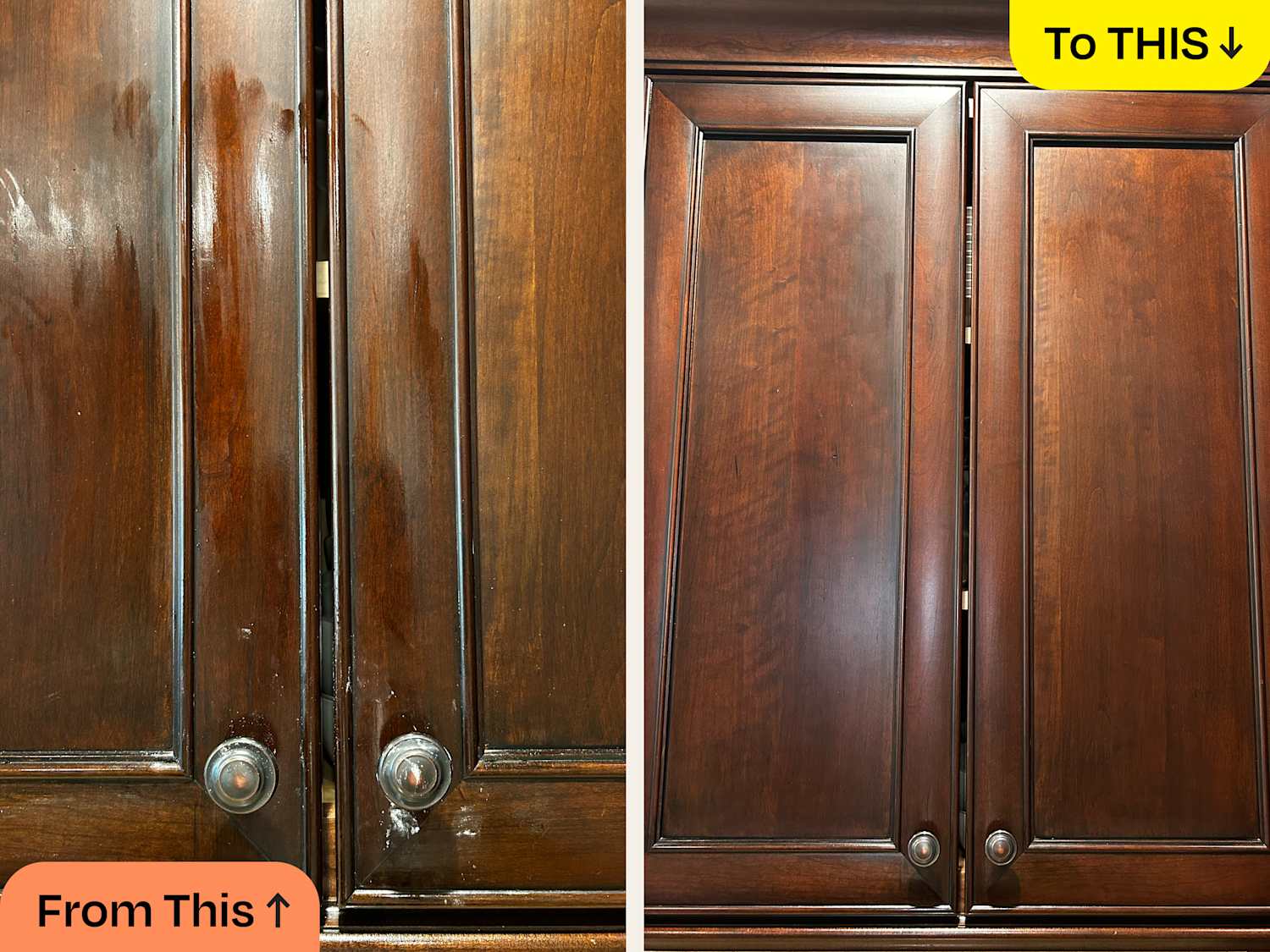
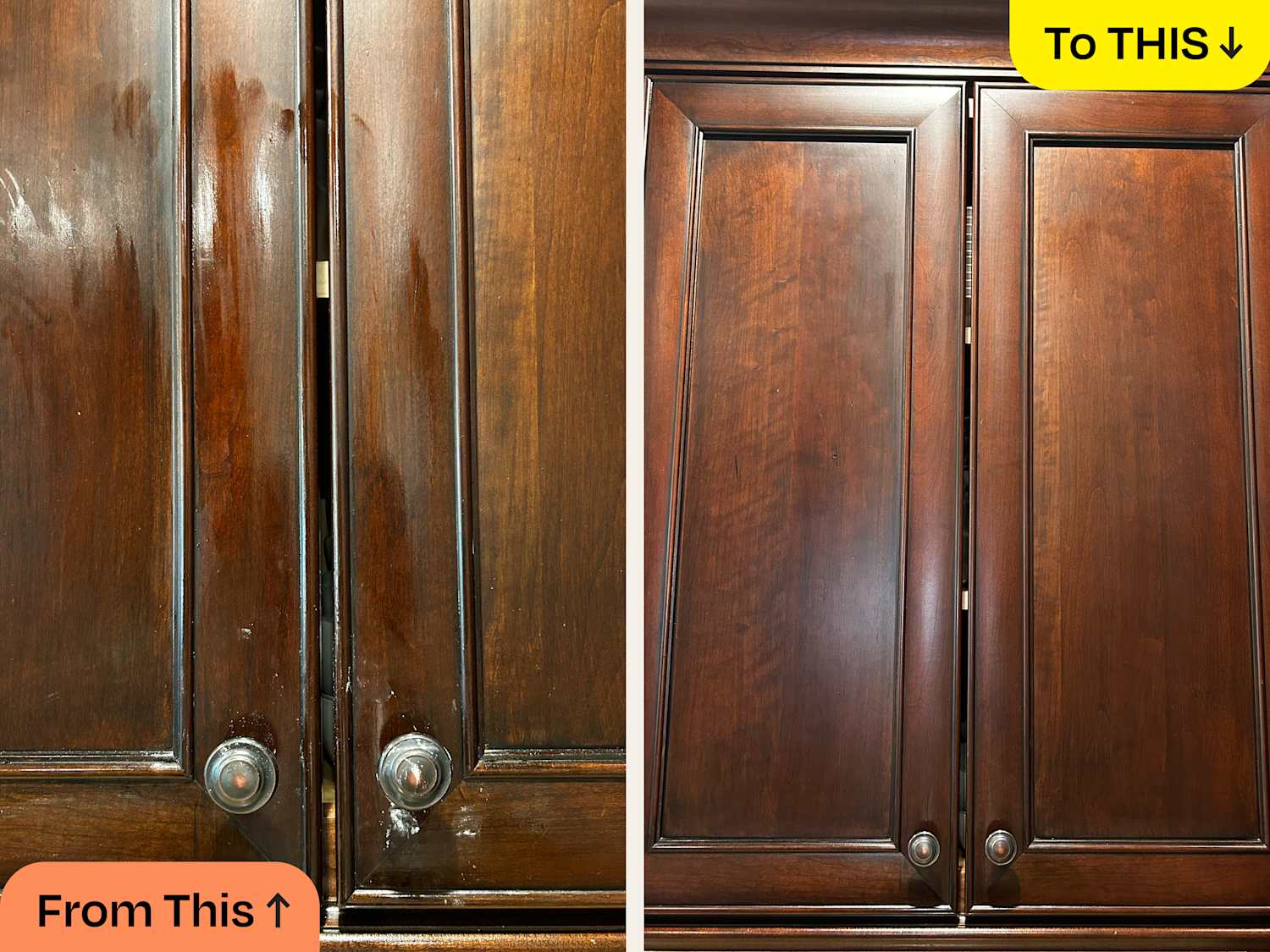
Credit: www.reddit.com
Tools And Equipment
To clean wood kitchen cabinets, use a gentle dish soap mixed with warm water and a soft cloth. Avoid harsh chemicals that could damage the finish. For stubborn stains, try baking soda paste or vinegar diluted with water. Regular cleaning keeps cabinets looking fresh and extends their lifespan.
Cleaning wood kitchen cabinets requires the right tools and equipment to ensure they look their best without causing damage. The wrong tool can scratch or dull the finish, while the right one can make the task easier and more effective. Let’s explore the essential tools you’ll need to keep your cabinets gleaming.Microfiber Cloths
Microfiber cloths are a must-have when cleaning wood cabinets. They are gentle yet effective, picking up dust and grime without leaving scratches. Unlike other fabrics, microfiber traps dirt within its fibers rather than pushing it around. Using a microfiber cloth can significantly reduce the need for chemical cleaners, which is always a plus for those conscious of minimizing chemical use in their homes. They’re also reusable, making them an eco-friendly choice. Simply wash and reuse them to keep your cabinets shining and your conscience clear.Soft Bristle Brushes
Soft bristle brushes are perfect for tackling the nooks and crannies that cloths can’t reach. They help dislodge dirt from intricate designs and corners without harming the wood’s finish. Ever notice how grime loves to settle in the cabinet grooves? A soft brush can be your secret weapon against those stubborn spots. Make sure the brush is specifically designed for delicate surfaces to avoid any unwanted scratches. When choosing a brush, consider one with a handle that offers a comfortable grip for better control.Sponge Options
Sponges can be great for cleaning larger, flat surfaces of your cabinets. However, not all sponges are created equal. Opt for a non-abrasive sponge to prevent any damage to your cabinet’s finish. Have you ever used a sponge that left annoying streaks? Choosing the right sponge can make all the difference. Look for sponges with a soft texture and avoid those with a rough, scrubbing surface. A gentle wipe can make your cabinets look as good as new. By choosing the right tools and equipment, you can maintain the beauty of your wood kitchen cabinets effortlessly. What tools do you find indispensable in your cleaning routine? Share your thoughts!Preventive Care Tips
Keeping your wood kitchen cabinets in pristine condition doesn’t just rely on powerful cleaners. Regular preventive care can make a world of difference, ensuring your cabinets maintain their luster and function for years. Let’s dive into some straightforward tips that can help you keep those cabinets looking their best.
Regular Dusting
Dust might seem harmless, but over time, it can build up and dull the finish of your cabinets. Make it a habit to dust your cabinets weekly. Use a soft, lint-free cloth to gently wipe away any dust particles.
Consider using microfiber cloths, which are excellent at trapping dust without scratching the surface. If you’ve ever noticed your cabinets looking lackluster, it might be time to grab that cloth and give them a quick dusting.
Avoiding Excess Moisture
Moisture is one of wood’s biggest enemies. When cleaning, use a damp cloth, not a wet one. Excess water can seep into the wood, causing swelling and damage.
After cleaning, ensure the surfaces are dry. This practice can prevent warping and maintain the integrity of the wood. Remember, a dry cabinet is a happy cabinet.
Using Protective Finishes
Applying a protective finish can extend the life of your cabinets. Products like furniture wax or polish add a barrier against dirt and stains. Be sure to use finishes specifically designed for wood to avoid any damage.
Applying these products every few months can make a significant difference. Have you ever tried it and noticed how your cabinets shine afterward? It’s a simple step that pays off in the long run.
By integrating these preventive care tips into your routine, you’re not just maintaining your cabinets—you’re preserving the heart of your kitchen. What small changes can you make today for a better tomorrow?
Diy Cleaning Solutions
Mix equal parts of vinegar and water for a gentle wood cabinet cleaner. Add a few drops of dish soap for tough stains. This DIY solution keeps cabinets clean without harsh chemicals.
Cleaning wood kitchen cabinets can be simple and cost-effective with DIY solutions. These natural methods bring back the shine and maintain the wood’s quality. They are easy to prepare using ingredients from your pantry or local store. With DIY cleaning solutions, you can avoid harsh chemicals while keeping your kitchen cabinets fresh and beautiful.Homemade Polish
Create a gentle polish with olive oil and white vinegar. Mix equal parts of both in a spray bottle. Shake well before use. Spray onto a soft cloth and wipe the cabinet surfaces. Olive oil nourishes the wood, while vinegar removes grime. This polish enhances the natural wood grain, leaving a pleasant finish.Essential Oil Blends
Essential oils offer a fragrant and effective cleaning option. Combine water, vinegar, and a few drops of lemon or tea tree oil. Lemon oil disinfects and adds a fresh scent. Tea tree oil fights bacteria and mold. Mix ingredients in a spray bottle. Spray onto cabinets and wipe with a clean cloth. This blend cleans and deodorizes, keeping your kitchen smelling delightful.Credit: www.housework.com
Frequently Asked Questions
What Is The Best Cleaner For Wood Kitchen Cabinets?
Use a mixture of mild dish soap and warm water for cleaning wood kitchen cabinets. Avoid harsh chemicals that can damage the finish. Wipe gently with a soft cloth and dry immediately to prevent moisture damage. Regular cleaning maintains their shine and extends their lifespan.
Always test in a small area first.
How To Clean Wood Cabinets Without Ruining The Finish?
Use a soft cloth with a mixture of mild dish soap and warm water. Gently wipe the cabinets. Dry immediately with a clean towel. Avoid abrasive cleaners and excessive water. Regular cleaning preserves the finish and beauty of wood cabinets.
Can I Use Dawn Dish Soap To Clean Wood Cabinets?
Yes, Dawn dish soap can clean wood cabinets effectively. Mix a small amount with warm water, and use a soft cloth for gentle cleaning. Avoid soaking wood and dry thoroughly to prevent damage. Always test in an inconspicuous area first to ensure compatibility with your cabinet finish.
Is Murphy’s Oil Soap Good For Kitchen Cabinets?
Murphy’s Oil Soap effectively cleans kitchen cabinets. It preserves their finish, leaving them shiny and fresh. Use it on wood surfaces for optimal results. Always follow the manufacturer’s instructions for best outcomes. Regular cleaning helps maintain the cabinets’ appearance and extends their lifespan.
Conclusion
Cleaning wood kitchen cabinets doesn’t have to be difficult. Use gentle products for the best care. Always test cleaners on a hidden spot first. This ensures safety for your wood finish. Regular cleaning prevents buildup and keeps cabinets looking new.
Soft cloths work well to avoid scratches. Avoid harsh chemicals that can damage wood. A little maintenance goes a long way in preserving beauty. Keep these tips in mind for lasting results. Your cabinets will thank you for it. Enjoy a clean, fresh kitchen space every day.

Similar Posts