What Type of Paint Do I Use for Kitchen Cabinets: Expert Tips
Are your kitchen cabinets looking a little tired and worn out? You’re not alone.
Many homeowners face the challenge of refreshing their kitchen without breaking the bank. One of the most effective and affordable ways to transform your kitchen is by giving your cabinets a fresh coat of paint. But here’s the catch: not all paints are created equal, especially when it comes to the heart of your home.
Selecting the right type of paint can make all the difference in achieving a durable, beautiful finish that stands the test of time. So, what type of paint should you use for your kitchen cabinets? Stick around as we unveil the secrets to choosing the perfect paint that will not only elevate the look of your kitchen but also boost your home’s value. Your dream kitchen makeover starts here!

Credit: pbphomerepair.com
Choosing The Right Paint
Choosing the right paint for your kitchen cabinets can make all the difference between a stunning transformation and a disappointing finish. The paint you select not only affects the final look but also its durability and ease of application. With a myriad of options available, it’s crucial to understand the distinct characteristics of each type of paint to make an informed decision. Let’s dive into some of the most popular choices for painting kitchen cabinets and see which might suit your project best.
Oil-based Vs. Water-based Paints
Oil-based paints have long been favored for their smooth, durable finish. They are particularly resistant to stains and can withstand the daily wear and tear of a busy kitchen. However, they require longer drying times and can emit strong odors. On the other hand, water-based paints, such as latex, offer faster drying times and lower VOC emissions. They are easier to clean up with just soap and water, making them a more convenient choice for a DIY project.
Acrylic Paint Considerations
Acrylic paint is another popular choice for kitchen cabinets due to its flexibility and durability. It adheres well to surfaces and provides a hard, washable finish that can handle the rigors of kitchen activity. Acrylic paints come in various finishes, from matte to glossy, allowing you to customize the look of your cabinets. Consider your kitchen’s style and your maintenance preferences when choosing the finish.
Chalk Paint For A Vintage Look
If you’re aiming for a vintage or shabby-chic aesthetic, chalk paint might be the perfect fit. Known for its matte finish and ability to create a distressed look, chalk paint can transform kitchen cabinets into charming focal points. It’s easy to apply and doesn’t require extensive prep work, saving you time and effort. However, keep in mind that chalk paint typically needs a protective topcoat for durability.

Credit: pbphomerepair.com
Prepping Your Cabinets
Choosing the right paint for kitchen cabinets is crucial for durability and finish. Opt for acrylic or latex paints as they offer a smooth finish and are easy to clean. These paints also resist moisture, making them ideal for kitchen environments.
Prepping your kitchen cabinets is crucial for a smooth painting process. Proper preparation ensures the paint adheres well and lasts longer. Follow these steps to prepare your cabinets effectively.Cleaning And Sanding
Begin by cleaning the cabinets thoroughly. Remove grease, grime, and any food residue. Use a degreaser or a mixture of warm water and dish soap. Rinse with clean water and let the surfaces dry completely. Once clean, proceed to sand the surfaces. Sanding helps the paint stick better by creating a rough texture. Use medium-grit sandpaper for this step. Sand in the direction of the wood grain for best results. After sanding, wipe the surfaces with a damp cloth to remove dust.Priming For Adhesion
Priming is essential for strong paint adhesion. Choose a primer suitable for your cabinet material. Apply a thin, even coat of primer using a brush or roller. Ensure complete coverage, reaching corners and edges. Let the primer dry as per the manufacturer’s instructions. A well-primed surface enhances paint durability and finish.Repairing Imperfections
Inspect the cabinets for any imperfections. Look for dents, scratches, or holes. Use wood filler or putty to fix these issues. Apply the filler with a putty knife, smoothing it over the damaged area. Allow the filler to dry fully before sanding it smooth. This step ensures a flawless finish, making your cabinets look new.Application Techniques
Transforming your kitchen cabinets with a fresh coat of paint can breathe new life into your space. Choosing the right application technique is crucial for achieving a professional-looking finish. Whether you opt for brushing, spraying, or using a roller, each method has its own set of benefits and challenges. Let’s dive into these techniques to help you decide the best approach for your kitchen cabinets.
Brushing Vs. Spraying
Brushing is a traditional method that allows for precise control over the paint application. It’s ideal for small spaces and detailed areas where a steady hand can make all the difference. However, the downside is that it can leave brush marks if not done carefully.
Spraying, on the other hand, offers a smooth and even finish, making it a favorite among professionals. It covers large areas quickly and is perfect for achieving a factory-like finish. The trade-off? It requires more prep work, such as masking off areas and ensuring good ventilation.
Roller Application Tips
Using a roller is a great middle ground between brushing and spraying. It provides a smooth finish without the need for extensive setup. When using a roller, opt for a high-density foam roller to minimize texture and achieve a sleek look.
Apply the paint in thin, even coats to avoid drips and ensure a uniform finish. Roll in one direction to maintain consistency and reduce the appearance of roller marks. Remember to clean your roller immediately after use to prolong its lifespan.
Avoiding Common Mistakes
One common mistake is failing to properly prepare the surface. Clean and sand your cabinets to ensure the paint adheres well. Skipping this step can lead to peeling and uneven coverage.
Another pitfall is rushing the drying time between coats. Patience is key—allow each layer to fully dry before applying the next to prevent smudging and ensure a durable finish. Lastly, avoid applying too much paint at once, which can cause unsightly drips and sagging.
What application technique resonates with you? Reflect on your skills, tools, and the finish you desire before making a choice. Remember, the right technique can transform your kitchen cabinets from mundane to magnificent.
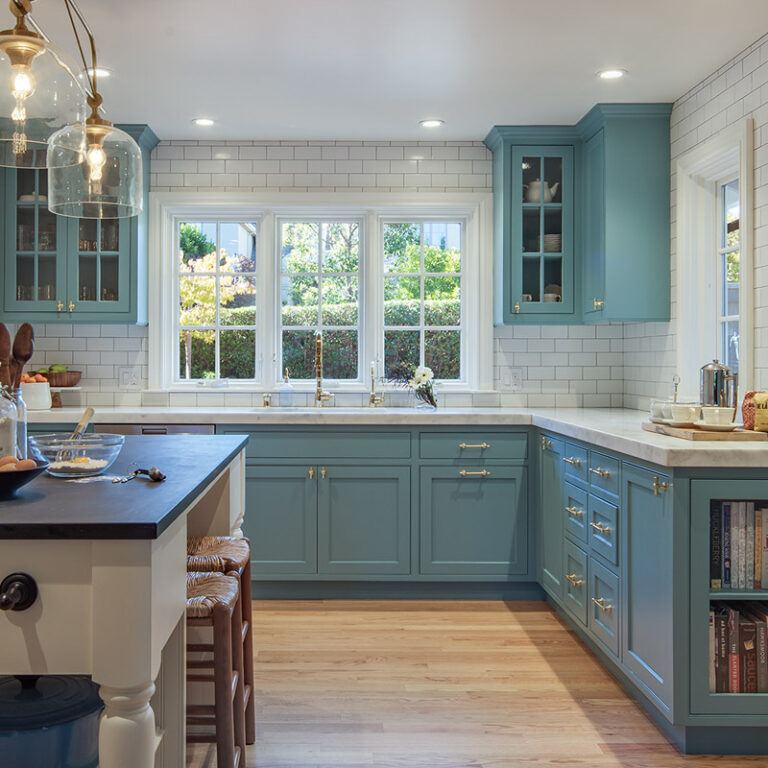
Credit: www.craftsmanpainters.com
Finishing Touches
Transforming kitchen cabinets with paint can breathe new life into your space. The finishing touches are crucial for a polished look. They enhance the overall aesthetic and ensure long-lasting results.
Choosing The Right Finish
Selecting the right finish makes a difference in appearance and durability. Glossy finishes reflect light, adding brightness to your kitchen. They are easy to clean, ideal for high-traffic areas. Matte finishes offer a modern touch but can be harder to clean. Semi-gloss strikes a balance, providing durability and a subtle sheen.
Sealing For Durability
Sealing cabinets protects the paint from moisture and wear. Use a clear polyurethane sealant for a smooth finish. Water-based sealants dry quickly and reduce odor. Oil-based sealants offer extra durability but may yellow over time. Apply the sealant evenly with a brush or spray for best results.
Adding Decorative Elements
Decorative elements add personality to your kitchen cabinets. Stencils can create unique patterns or designs. Consider adding trim or molding for a sophisticated look. Hardware like knobs and handles can make a stylish statement. Choose elements that complement your kitchen’s design theme.
Maintenance And Care
Choosing the right paint for kitchen cabinets ensures durability and easy cleaning. Opt for high-quality acrylic or alkyd paints for a smooth, long-lasting finish. These types resist stains and moisture, maintaining the look of your cabinets.
Maintaining and caring for your freshly painted kitchen cabinets is crucial to ensure they remain beautiful and functional for years. The right maintenance routine can preserve the finish and keep your cabinets looking brand new. Let’s dive into some practical tips for cleaning, touching up, and preventing wear and tear on your painted kitchen cabinets.Cleaning Painted Cabinets
Regular cleaning is essential to maintain the luster of your painted cabinets. Use a gentle cleanser, like a mixture of warm water and mild dish soap, to wipe down surfaces. Avoid abrasive cleaners or scrubbing pads that could damage the paint. A microfiber cloth is perfect for the job as it effectively picks up dust and grime without scratching. Make it a habit to clean spills immediately to prevent staining. Are there any household cleaning secrets you swear by for your cabinets?Touch-up Tips
Even with the best care, your cabinets might need a touch-up now and then. Keep a small amount of the original paint for these occasions. This ensures any touch-ups match seamlessly with the existing paint. Before applying paint, lightly sand the area to smooth out any chips or rough spots. Use a fine brush for small areas to ensure precision. Have you ever tried a touch-up and found it made your cabinets look like new again?Preventing Wear And Tear
Preventing wear and tear starts with some proactive measures. Consider installing cabinet door bumpers to soften the impact when closing doors. This simple addition can significantly reduce paint chipping. Another tip is to use handles or knobs on all your cabinets to minimize direct contact with the painted surface. This not only preserves the paint but also keeps fingerprints at bay. What other strategies have you found effective in keeping your cabinets pristine?Expert Recommendations
Choosing the right paint for kitchen cabinets is crucial. Experts recommend using high-quality acrylic or alkyd paints. These options offer durability and a smooth finish, perfect for withstanding kitchen wear and tear.
Choosing the right paint for kitchen cabinets can be confusing. Experts have shared their insights to help make this decision easier. The right paint ensures durability and a beautiful finish. This section explores popular brands, budget-friendly choices, and high-end alternatives.Popular Brands To Consider
Several brands stand out for kitchen cabinet paint. Sherwin-Williams offers a wide range of durable paints. Their Emerald Urethane Trim Enamel is a popular choice. Benjamin Moore’s Advance Interior Paint is another excellent option. It provides a smooth, furniture-like finish. Behr also has quality options, like their Premium Plus Interior Cabinet Paint. These brands are known for their reliability and quality.Budget-friendly Options
Not everyone wants to spend a lot on paint. Valspar Cabinet Enamel Semi-Gloss Latex Interior Paint is a great budget-friendly choice. It provides a smooth finish at a reasonable price. Rust-Oleum Cabinet Transformations Kit is another affordable option. It includes everything needed for a cabinet makeover. These options help achieve a stylish look without breaking the bank.High-end Alternatives
For those willing to invest more, high-end paints are available. Fine Paints of Europe offers a luxurious finish. Their Hollandlac Brilliant is known for its high gloss and durability. Farrow & Ball also provides high-quality paint with rich colors. Their Full Gloss finish offers a chic, elegant look. These premium paints ensure a stunning and long-lasting finish for kitchen cabinets.Frequently Asked Questions
What Paint Is Best For Kitchen Cabinets?
For kitchen cabinets, use acrylic or latex paint. These types are durable and resist moisture. They provide a smooth finish and are easy to clean. Choose semi-gloss or satin sheen for a stylish look. Proper preparation and primer application are crucial for a long-lasting result.
Can I Use Chalk Paint On Kitchen Cabinets?
Yes, chalk paint is an option for kitchen cabinets. It offers a matte finish and is easy to apply. However, it may require a protective topcoat for durability. Chalk paint is versatile but may not be as resistant to moisture as other options.
Should I Use Oil-based Paint For Cabinets?
Oil-based paint is durable but not commonly used for cabinets. It provides a hard finish and is moisture-resistant. However, it has a strong odor and longer drying time. Latex paint is often preferred due to easier application and cleanup.
How Do I Prepare Cabinets For Painting?
Start by cleaning the cabinets thoroughly. Remove grease and grime using soap and water. Sand the surfaces to smooth imperfections and apply a primer. Primer ensures paint adhesion and enhances durability. Proper preparation is key to achieving a professional finish.
Conclusion
Choosing the right paint for kitchen cabinets makes a big difference. Consider durability for surfaces that see frequent use. Semi-gloss or satin finishes often work well. They resist stains and are easy to clean. Don’t forget to prepare surfaces correctly before painting.
This step ensures lasting results. Use primers for better adhesion and finish. A good paint job refreshes the look of your kitchen. It adds brightness and style. Always select quality products for the best outcome. Happy painting! Enjoy your newly transformed kitchen space.
It’s worth the effort.