Where Should Knobs Be Placed on Kitchen Cabinets: Expert Tips
Are you planning a kitchen makeover or simply updating your cabinets? One small detail that can make a big difference is the placement of your cabinet knobs.
It might seem trivial, but choosing the right spot for these little fixtures is crucial for both functionality and aesthetics. Imagine reaching for a cabinet door and the knob is awkwardly placed. Annoying, right? Proper knob placement enhances your kitchen’s usability and adds to its visual appeal.
We’ll guide you through the best practices for positioning knobs on your kitchen cabinets. You’ll discover tips and tricks that can save you time, prevent future frustration, and even boost your home’s value. Ready to transform your kitchen into a more efficient and stylish space? Keep reading!
Credit: www.idealhome.co.uk
Ergonomics Of Knob Placement
When designing your kitchen, knob placement may seem like a minor detail, but it plays a crucial role in the overall functionality and ease of use. Proper ergonomics can make kitchen tasks smoother and more comfortable. If you’ve ever found yourself fumbling to open a cabinet or stretching to reach a knob, you know the importance of strategic placement.
Height Considerations
Height is a key factor in the ergonomics of knob placement. Ideally, knobs should be positioned at a height that is accessible to users of varying statures. Consider placing knobs at shoulder height for wall cabinets, which ensures they are within easy reach without excessive stretching.
For lower cabinets, aim for knobs that are waist-high. This placement reduces the need to bend excessively and can prevent strain. It’s helpful to test different heights by standing in front of the cabinet and reaching naturally.
Accessibility For All Users
Accessibility is essential, especially in a household with diverse age groups or individuals with mobility challenges. Knobs should be placed where they can be accessed without requiring awkward movements. This might mean placing knobs lower on wall cabinets for children or higher on lower cabinets for taller adults.
Consider the needs of all household members. You might even involve family members in the decision-making process to ensure everyone is comfortable with the placement. Does the current setup accommodate everyone effectively?
Aesthetic Balance
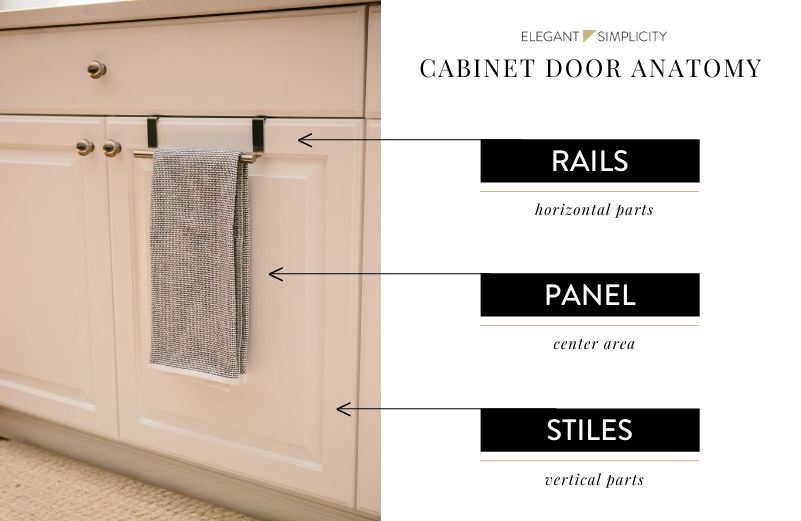
Knobs on kitchen cabinets should be centered on the door frame for a balanced look. For drawers, place them in the center of the drawer front. This ensures an aesthetic balance and easy access.
Achieving aesthetic balance in your kitchen cabinets is more than just picking the right knobs. It’s about creating a harmonious look that complements your kitchen’s overall design. A well-balanced kitchen not only looks appealing but also makes your cooking space feel more welcoming and functional.Symmetry And Proportion
Symmetry in your kitchen cabinets can enhance the overall look of the space. When knobs are evenly placed, they create a sense of order and tranquility. Imagine walking into a kitchen where everything feels aligned and in place; it’s soothing, isn’t it? Proportion plays a crucial role too. Consider the size of your cabinets and choose knobs that match their scale. Oversized knobs on small cabinets can overwhelm, while tiny knobs on large doors might seem lost.Visual Lines And Design Flow
Visual lines guide the eye through a space and can impact how you perceive a room’s flow. Placing knobs in line with other elements like countertops or shelves can create a seamless look. This alignment helps in drawing your attention naturally, making the kitchen feel cohesive. Design flow is about ensuring that every element in your kitchen complements each other. The knobs should not just function well but also add to the overall design narrative. Think about how the knobs will interact with other hardware, like handles or appliances, to maintain a consistent style. Have you ever noticed how a slight shift in knob placement can change the room’s vibe? That’s the power of thoughtful design.Functional Zones In The Kitchen
The kitchen is divided into functional zones for efficiency. Each zone serves a distinct purpose. Proper knob placement can enhance usability.
Cooking Area Needs
The cooking area is a busy spot. Knobs should be easy to reach. Place them near the stove and oven. This ensures quick access to pots and pans. It helps in managing tasks efficiently.
Storage Zone Efficiency
Storage areas house utensils and ingredients. Knobs should be conveniently located. They should aid in quick retrieval. Arrange them on frequently used cabinets. This setup boosts kitchen workflow.
Common Placement Mistakes
When designing your kitchen, the placement of knobs on cabinets may seem like a minor detail, but it can significantly impact both aesthetics and functionality. Common placement mistakes can make your kitchen feel awkward or less efficient. Let’s delve into some of these common errors and how to avoid them.
Avoiding Too High Or Too Low
One frequent mistake is placing knobs too high or too low on the cabinet doors. If knobs are too high, you may find yourself awkwardly reaching up every time you need to open a cabinet. Conversely, knobs placed too low can cause discomfort, especially if bending is required constantly.
Imagine trying to open a cabinet while juggling a pot of boiling water, only to struggle because the knobs are out of reach. Consider the height of all users in your household before finalizing their position. A general guideline is to place them around 2.5 inches from the bottom or top corners of the cabinet doors.
Steering Clear Of Obstructions
Another common oversight is not accounting for potential obstructions when placing knobs. Knobs located near walls or appliances can be difficult to use if they bump into adjacent surfaces. This can lead to frustration and even damage over time.
Before installing, open all your cabinet doors and drawers to check for any collisions. Think about how knobs interact with nearby items like the fridge or oven doors. Could a slight shift save you from constant irritation? A little foresight can ensure smooth and hassle-free operation in your kitchen space.
Expert Tips For Different Cabinet Types
Knob placement on kitchen cabinets impacts both style and function. Install knobs at the corner of the cabinet door for easy access. This placement ensures a comfortable grip and complements the overall design.
Choosing where to place knobs on kitchen cabinets can transform your kitchen from ordinary to extraordinary. The right placement not only enhances the aesthetic appeal but also improves functionality. Let’s dive into some expert tips tailored for different cabinet types.Upper Cabinets
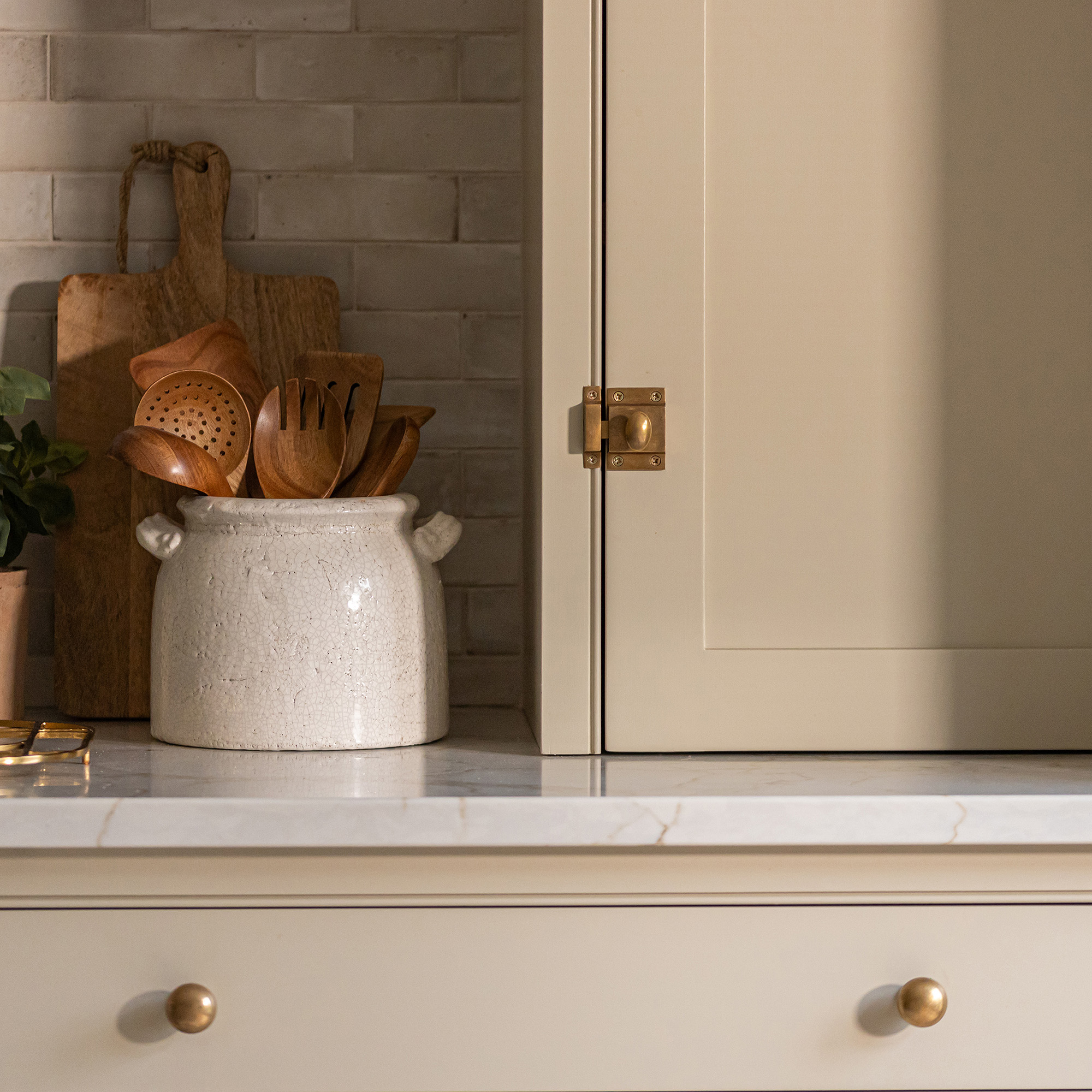
When it comes to upper cabinets, the ideal spot for knobs is often at the bottom corner. This makes it easier to reach and open the cabinet doors, especially for those who aren’t very tall. Picture this: every time you reach for a mug, your hand naturally glides to the knob without strain. A good rule of thumb is to position the knob about 2 to 2.5 inches away from the bottom corner. This placement offers a balanced look while ensuring ease of use. Try this in your kitchen and notice how accessible your spices and dishes suddenly become.Lower Cabinets
For lower cabinets, knobs should generally be placed on the top corner of the door. This placement allows you to open the cabinet effortlessly, without bending awkwardly. Think about your daily routine. You reach for pots and pans, and the knob is perfectly placed for a swift grab. Positioning knobs about 2 to 2.5 inches from the top corner provides a consistent look across your kitchen.Tall Cabinets
Tall cabinets, such as pantry doors, require a slightly different approach. Consider placing the knob at shoulder height or slightly lower, depending on the primary users of the kitchen. Imagine having a pantry where you don’t need to stretch or crouch. The knob is right where you expect it, making it easy to access everything from cereal to canned goods. Aiming for a placement around 48 to 54 inches from the floor often works well for most adults. Every kitchen is unique, and so are you. What works in one might not be ideal in another. Experiment with these tips, and soon, you’ll find the perfect balance of style and function in your kitchen. Would you place the knobs differently? Share your thoughts and experiences!
Credit: roushardware.com
Choosing The Right Knob Style
Choosing the Right Knob Style Position knobs at the corner of cabinet doors for easy access. Place them 2 to 3 inches from the bottom edge of upper cabinets. For lower cabinets, position knobs 2 to 3 inches from the top edge.
This placement enhances both functionality and aesthetics.
Choosing the right knob style for kitchen cabinets can transform your space. Knob styles range from classic to modern, offering many choices. Each style adds a unique touch to your kitchen decor. Selecting the right style ensures both functionality and aesthetic appeal.Traditional Vs. Modern
Traditional knob styles often feature intricate designs. They suit kitchens with a classic or vintage look. These knobs might have ornate patterns or antique finishes. Modern knobs, on the other hand, focus on simplicity. Sleek lines and minimal designs define them. They complement contemporary and minimalist kitchen styles. Both styles enhance different kitchen atmospheres.Material And Finish
Knob materials vary widely. Common options include metal, wood, and ceramic. Metal knobs are durable and come in finishes like chrome or brass. Wood offers a warm, natural feel. Ceramic adds a touch of color and artistry. The finish of a knob plays a crucial role too. A matte finish gives a subtle and soft look. Glossy finishes reflect light, adding brightness. Consider the overall kitchen theme when choosing material and finish. This ensures harmony in your kitchen design.Diy Installation Tips
Are you ready to give your kitchen cabinets a personal touch by installing knobs yourself? DIY installation can save you money and allow you to customize your kitchen precisely to your liking. However, it requires careful planning and execution to avoid common mistakes. Let’s explore some practical tips to ensure your knob placement is both functional and aesthetically pleasing.
Tools Required
- Tape measure
- Pencil or marker
- Drill with appropriate drill bits
- Level
- Screwdriver
- Knob template (optional)
Having the right tools is crucial for a smooth installation process. A tape measure and pencil are essential for marking precise locations. A drill will help create holes for knob screws, while a level ensures your knobs are aligned perfectly. A screwdriver will be needed to secure the knobs once drilled.
Step-by-step Guide
- Measure and mark:Use a tape measure to determine the ideal knob placement. Typically, knobs are placed 2-3 inches from the corner of the cabinet door. Mark the spot lightly with a pencil.
- Check alignment:Before drilling, use a level to ensure your marks are aligned vertically or horizontally with other knobs. This prevents any uneven placement that can be visually jarring.
- Drill holes:Choose a drill bit slightly smaller than the knob screw diameter. Gently drill at the marked spots. Be cautious with the pressure to avoid damaging the cabinet surface.
- Install knobs:Insert screws through the drilled holes and attach the knobs using a screwdriver. Ensure they are tightly secured but not overly tightened to avoid stripping the screws.
- Final adjustments:Check all knobs to ensure they are even and securely fixed. Make any necessary adjustments for uniformity.
As you embark on this DIY journey, consider the ease of use and accessibility of your cabinet knobs. Are they within comfortable reach for all family members? Personal anecdotes often highlight the satisfaction of completing a project yourself, but they also remind us of the importance of planning. Reflect on the functionality of your knob placement and ask yourself if it meets your daily kitchen needs. The beauty of DIY lies in the freedom to tailor every detail to your lifestyle.
Credit: medium.com
Frequently Asked Questions
What Are The Rules For Cabinet Pulls And Knobs?
Choose pulls or knobs based on cabinet style. Align them with cabinet edges and ensure even spacing. Use pulls for drawers over 24 inches. Opt for knobs or pulls for smaller drawers. Select finishes that complement the cabinet color.
What Is The 1/3 Rule For Cabinet Hardware?
The 1/3 rule for cabinet hardware suggests selecting pulls or knobs that are about one-third the width of the cabinet or drawer. This ensures a balanced and aesthetically pleasing look. Consider both function and style when choosing hardware to complement your cabinetry.
Are Knobs On Cabinets In Style?
Yes, cabinet knobs remain in style. They offer a classic touch and come in various designs to suit trends. Knobs can enhance the aesthetic appeal of cabinets while providing functionality. Many homeowners and designers prefer them for their versatility and timeless charm.
Should You Put Knobs Or Pulls On Upper Cabinets?
Choose knobs for a classic look and pulls for a modern touch on upper cabinets. Consider functionality and style. Ensure easy accessibility and complement existing decor. Knobs offer simplicity, while pulls provide better grip, especially for heavy doors. Mixing both can enhance aesthetic appeal.
Conclusion
Finding the right spot for knobs enhances your kitchen’s look. It makes access to cabinets easier. Consider the design and height for comfort. Balance aesthetics with functionality. Knobs at the right place keep things organized. They also add to the overall decor.
So, take your time and choose wisely. A little planning goes a long way. Simple changes can make a big difference. Enjoy your new kitchen style.