Why are My Kitchen Cabinets Sticky After Cleaning: Solved!
Have you ever spent time scrubbing your kitchen cabinets only to find them still feeling sticky afterward? It’s frustrating, isn’t it?
You’re not alone in this sticky situation. Many homeowners face the same issue, and it can leave you wondering if you’re missing a step or using the wrong products. If you’re nodding your head right now, you’ve come to the right place.
In this blog post, we’ll dive into the reasons why your kitchen cabinets might still feel sticky after cleaning. We’ll unravel the mystery behind this common problem and provide you with practical solutions to ensure your cabinets are not only clean but also smooth to the touch. Stick with us, and you’ll discover the secrets to achieving truly clean cabinets that leave no sticky residue behind.
Credit: www.housework.com
Common Causes Of Sticky Cabinets
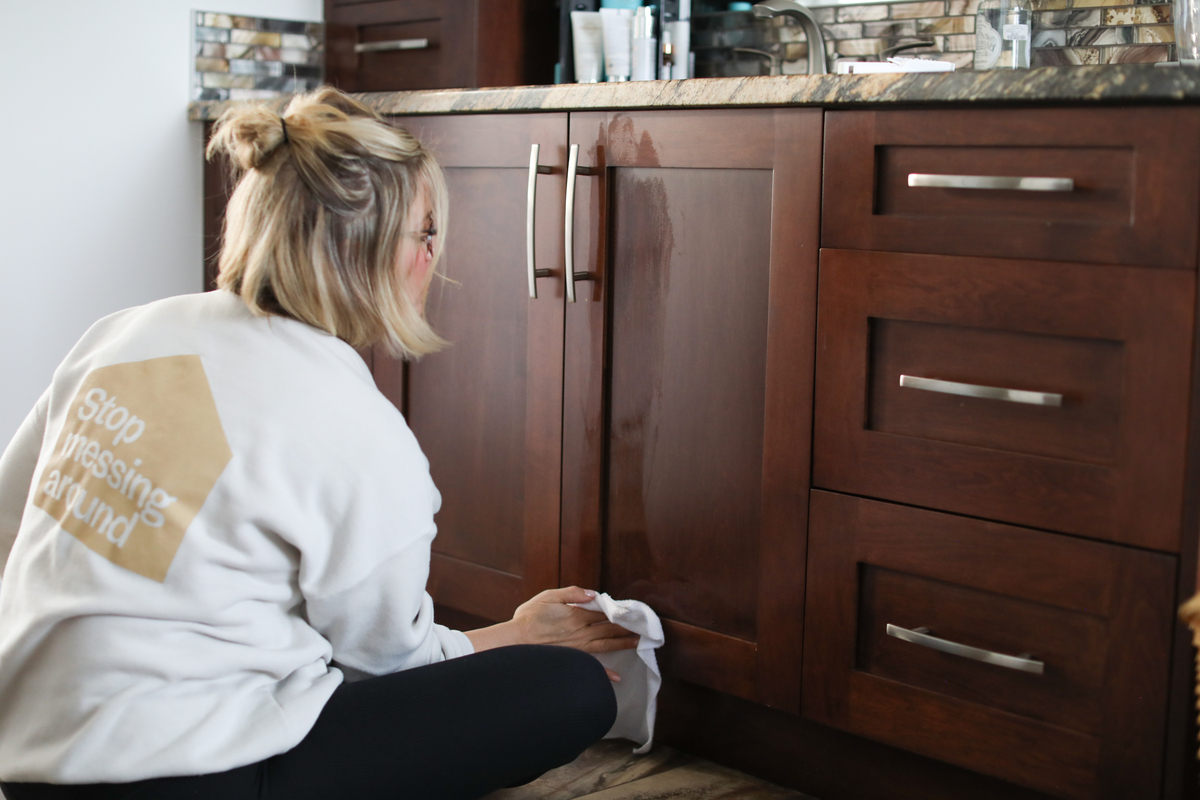
Grease and food residues often cling to cabinets, causing stickiness even after cleaning. Inadequate cleaning products might leave behind a sticky film. Humidity can also contribute to the tacky texture of cabinet surfaces.
Cleaning your kitchen cabinets should leave them feeling fresh and smooth, but sometimes, they end up sticky instead. This can be frustrating, especially after you’ve put in the effort to clean them. Understanding the common causes of sticky cabinets can help you tackle this issue effectively and prevent it from happening again. Let’s dive into some typical reasons your cabinets might be sticky after cleaning.Residue From Cleaning Products
Certain cleaning products can leave a film or residue behind on your cabinets. This is often the case if the cleaner is not suitable for the cabinet material or if it hasn’t been rinsed off properly. You might notice this if your cabinets feel tacky after using certain sprays or wipes. Consider using a cleaner specifically designed for your cabinet type and always follow up with a rinse or wipe down with clean water. Have you ever noticed a sticky film after using a multi-purpose cleaner? It might be time to switch to a gentler option.Grease And Oil Build-up
Kitchens are notorious for grease and oil build-up due to cooking activities. Even if you clean regularly, oils can accumulate over time, making your cabinets feel sticky. Frying, sautéing, or even boiling can disperse tiny oil particles that settle on surfaces. Regular cleaning might remove the surface layer, but deeper oil build-up requires more intensive cleaning. Consider using a degreaser for stubborn grease spots. Have you checked the areas around the stove for a subtle sheen? It might be time for a thorough degreasing session.Moisture Retention Issues
Moisture can play a surprising role in cabinet stickiness. If your cleaning process involves excessive water or if your kitchen is humid, moisture can linger on surfaces and contribute to stickiness. This is particularly true for wood cabinets, which can absorb moisture and feel tacky. Ensure your cleaning routine involves drying cabinets thoroughly, and consider using a dehumidifier if your kitchen tends to be humid. Have you ever felt a dampness in your kitchen after cleaning? It could be affecting your cabinets more than you realize. By understanding these causes, you can adjust your cleaning practices and products to keep your cabinets clean and smooth.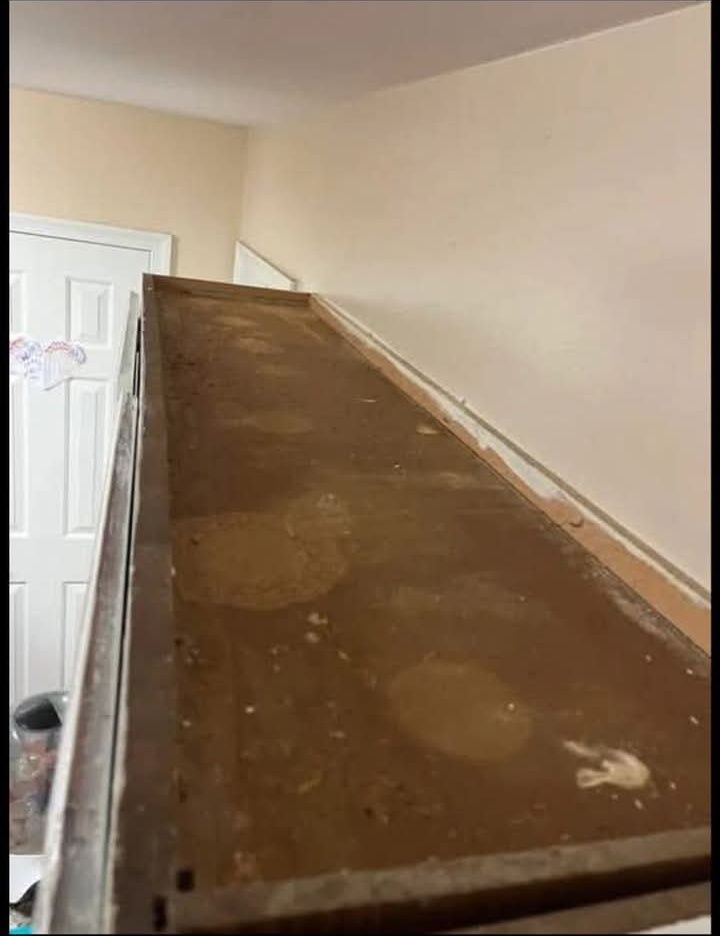
Credit: www.facebook.com
Choosing The Right Cleaning Products
Sticky kitchen cabinets may result from using improper cleaning products. Some cleaners leave residues that attract dust. Opt for gentle, residue-free cleaners to maintain clean surfaces.
Choosing the right cleaning products for kitchen cabinets is essential. The wrong product can leave sticky residues. It can also damage the cabinet surface. Not all cleaners are created equal. Selecting the best one requires knowledge. Below, we’ll discuss various types of cleaners.Natural Cleaners Vs. Chemical Cleaners
Natural cleaners are gentle. They use ingredients like vinegar and baking soda. These are safe for both your cabinets and the environment. Chemical cleaners are stronger. They contain harsh substances that remove tough stains quickly. But, they can damage surfaces if not used carefully.Ingredients To Avoid
Some ingredients are harmful to cabinets. Here are a few to watch out for:- Bleach: Can discolor wooden surfaces.
- Ammonia: May strip the finish off cabinets.
- Abrasive particles: Can scratch and damage surfaces.
Recommended Cleaning Solutions
Choose solutions that clean without harming surfaces. Here are some suggestions:- White vinegar mixed with water: Effective and gentle.
- Mild dish soap with warm water: Safe for most finishes.
- Commercial wood cleaners: Designed for specific cabinet types.
Effective Cleaning Techniques
Sticky kitchen cabinets can be frustrating. Effective cleaning techniques can help. These methods ensure cabinets remain clean and residue-free. Often, improper cleaning leaves unwanted stickiness. Exploring different approaches can make a significant difference.
Proper Wiping And Rinsing Methods
Use a soft cloth for wiping. Avoid scrubbing harshly. It can damage the surface. Gently wipe the cabinet in a circular motion. Rinse the cloth frequently. This prevents spreading dirt. After wiping, rinse with clean water. Remove any cleaning residue. Dry the surface thoroughly. This prevents water spots.
Using Vinegar And Baking Soda
Vinegar is a natural cleaner. Mix it with water for better results. Spray the solution on cabinets. Let it sit for a few minutes. Wipe it off with a clean cloth. Baking soda is effective for tough stains. Make a paste with water. Apply it to the sticky areas. Gently scrub and rinse well.
Steam Cleaning Advantages
Steam cleaning is chemical-free. It uses hot steam to clean surfaces. This method is eco-friendly. It effectively breaks down grease. Steam cleaning reaches into small crevices. This removes hidden dirt and grime. Ensure cabinets are suitable for steam. Some finishes may get damaged.
Credit: www.facebook.com
Preventing Sticky Build-up
Grease and dust can create a sticky film on kitchen cabinets after cleaning. Use warm, soapy water to remove residue effectively. Regular maintenance prevents build-up and keeps cabinets looking fresh.
Preventing sticky build-up in your kitchen cabinets can feel like a daunting task, but with the right approach, it’s entirely manageable. By understanding the root causes of stickiness and implementing proactive measures, you can maintain pristine cabinets that enhance your kitchen’s appeal. Consider these strategies to keep that unwanted stickiness at bay.Regular Cleaning Schedule
Establishing a regular cleaning schedule is crucial for preventing sticky residue. Aim to clean your cabinets at least once a week using a mild detergent and warm water. Quick wipe-downs can prevent grease and grime from accumulating over time. Have you considered setting a reminder on your phone? It can be a game-changer to ensure you never miss a cleaning session.Protective Coatings And Sealants
Applying protective coatings or sealants can create a barrier against grease and moisture. Products like polyurethane or wax polish can be applied periodically to safeguard your cabinet surfaces. Think of it as a shield for your cabinets, making them less prone to absorbing sticky residues. Wouldn’t it be amazing to have surfaces that repel dirt and grime?Ventilation And Humidity Control
Proper ventilation and humidity control play a significant role in reducing stickiness. Ensure your kitchen is well-ventilated, especially when cooking, to minimize moisture build-up. Use exhaust fans or open windows to allow air to circulate, keeping your kitchen dry and fresh. Have you noticed how quickly steam can transform a kitchen into a sticky mess? Managing humidity levels can make a noticeable difference.Troubleshooting Persistent Stickiness
Sticky kitchen cabinets can result from residue buildup left by cleaning products or cooking oils. Ensuring thorough rinsing and using proper cleaners can help prevent this persistent stickiness. Regular maintenance and choosing the right methods can keep surfaces smooth and clean.
Having sticky kitchen cabinets after a thorough cleaning can be frustrating. You might wonder if you missed a spot or used the wrong product. Understanding the root cause of this stickiness is essential to restoring your cabinets to their pristine condition. Let’s explore some common troubleshooting tips to help you tackle this issue.Checking For Product Residue
The cleaning products you use might leave behind residue, leading to a sticky surface. After cleaning, wipe down your cabinets with a damp cloth followed by a dry one. This simple step can help remove any leftover product that might cause stickiness. Sometimes, mixing cleaning products can result in a residue build-up. If you’ve recently switched products or used multiple cleaners, consider rinsing your cabinets with warm water.Identifying Hidden Grease Spots
Grease is notorious for hiding in plain sight, especially in kitchens. Even after cleaning, some spots might remain, contributing to the sticky feeling. Run your fingers over the cabinet surfaces to detect any greasy areas you might have missed. Consider using a degreasing solution specifically designed for kitchen use. These products can effectively break down stubborn grease, ensuring a smoother finish on your cabinets.Evaluating Cabinet Surface Materials
Different materials react differently to cleaning agents. Wooden cabinets, for example, may absorb moisture and become sticky if cleaned with too much water or the wrong product. Always check the manufacturer’s recommendations for cleaning your specific cabinet material. If your cabinets have a laminate or high-gloss finish, ensure you’re using a cleaner that won’t damage the surface. Gentle, non-abrasive cleaners are often the best choice for these materials.When To Seek Professional Help
Cleaning your kitchen cabinets and finding them sticky afterward can be a frustrating experience. There are times when DIY methods just don’t cut it, and you might need to seek professional help. Knowing when to call in the experts can save you time, effort, and even prevent further damage to your cabinets. But how do you know when it’s time to bring in the pros?
Signs Of Severe Build-up
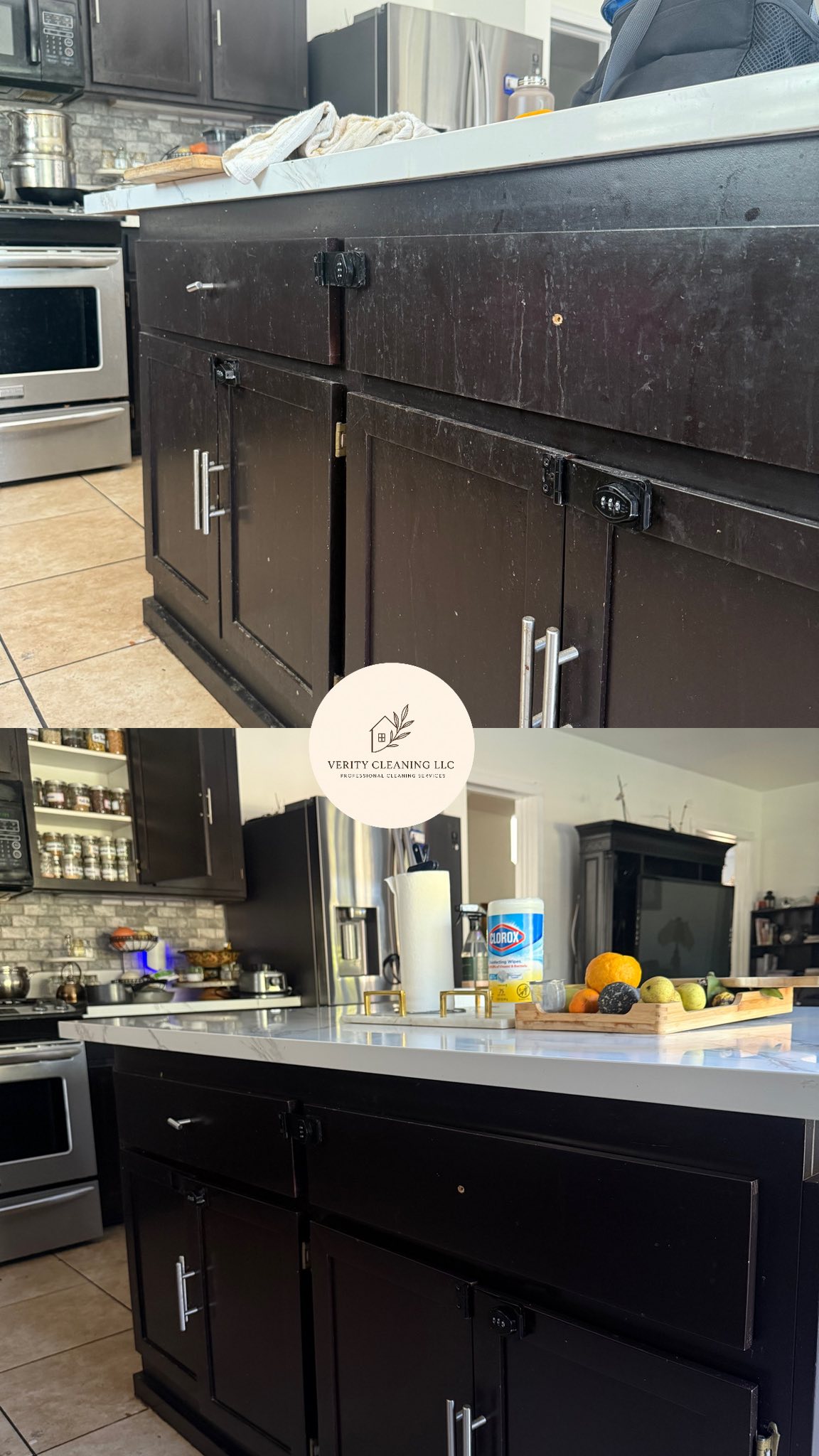
If you notice a thick layer of grease or grime that seems impervious to your cleaning efforts, this is a strong indicator that professional help is needed. A sticky residue might persist despite using different cleaning agents and techniques. Also, if your cabinets emit a persistent musty or unpleasant odor, it could be a sign of underlying issues that require professional attention.
Professional Cleaning Services
Professional cleaning services offer specialized solutions that are often more effective than household cleaning products. These experts use industrial-grade cleaners and tools that can tackle the toughest of build-ups without damaging the cabinet surfaces. Additionally, they can assess and treat any underlying issues, like moisture build-up or hidden mold, ensuring your cabinets are not just clean but also healthy.
Cabinet Refinishing Options
In cases where cleaning isn’t enough to restore the cabinets’ appearance, refinishing may be the best option. Refinishing provides a fresh look and can extend the life of your cabinets significantly. Professionals can strip off old finishes, address any structural issues, and apply a new finish that matches or updates your kitchen’s style.
So, when do you decide it’s time to call in the professionals? Consider the state of your cabinets, your past cleaning efforts, and whether the problem persists. Sometimes, a little expert help is all you need to turn your sticky kitchen nightmare into a sparkling success story.
Frequently Asked Questions
How To Make Cabinets Not Sticky?
Clean cabinets with warm water and mild dish soap. Use a soft cloth to scrub gently. Dry with a clean towel. For tough spots, mix vinegar and water, then wipe. Ensure cabinets are dry to prevent stickiness. Regular cleaning keeps cabinets fresh and non-sticky.
How Do You Get Sticky Residue Off Kitchen Cabinets?
Use a mixture of vinegar and water to clean sticky residue. Apply it with a cloth, then wipe. For stubborn residue, add baking soda to the mix for extra scrubbing power. Regular cleaning prevents buildup, keeping cabinets fresh and clean.
Remember to dry thoroughly to avoid moisture damage.
Why Are My Kitchen Cabinets Still Sticky After Cleaning?
Residue from cleaning products or grease buildup can cause stickiness. Use a vinegar solution to remove residue.
Why Are Surfaces Sticky After Cleaning?
Surfaces can feel sticky after cleaning due to residue from cleaning products. Rinse thoroughly to avoid leftover film. Use the right amount of cleaner and a clean cloth to prevent residue buildup. Natural cleaners can reduce stickiness, offering a safer and more effective cleaning solution.
Conclusion
Sticky cabinets can frustrate anyone. Regular cleaning helps but isn’t enough. Sometimes, residue builds up from cleaning products. This makes surfaces sticky. Choose gentle cleaners for better results. Wipe cabinets with warm water after cleaning. Dry them well. This removes leftover cleaner.
Keep your kitchen ventilated. It prevents moisture buildup. Regular dusting also helps. Try these tips for cleaner, non-sticky cabinets. Enjoy a fresh kitchen feel. Your efforts will pay off. A little care goes a long way. Happy cleaning!