Why Does My Kitchen Drain Smell? Find Solutions Fast!
Executive Chef & Lead Commercial Kitchen Specialist at Daily Kitchup Test Lab
Have you ever walked into your kitchen only to be greeted by an unpleasant odor coming from the drain? It’s frustrating, isn’t it?
A smelly kitchen drain can turn the heart of your home into a place you’d rather avoid. You’re not alone in this struggle. Many homeowners face this issue and wonder why it happens. Understanding the root cause can help you tackle it head-on and restore your kitchen to its fresh-smelling glory.
So, why does your kitchen drain smell? Let’s dive into the common culprits behind this pesky problem and discover how you can fix it once and for all. Don’t let a stinky drain ruin your kitchen vibes—read on to find out how you can reclaim your space and peace of mind.
Common Causes Of Kitchen Drain Odors
Food particles can often get trapped in kitchen drains, leading to unpleasant odors. Grease buildup is another common cause, as it can decay and emit foul smells. Bacteria growth in pipes also contributes to kitchen drain odor problems.
If you’ve ever walked into your kitchen and been greeted by an unpleasant odor wafting up from the sink, you’re not alone. Kitchen drain smells are more common than you might think, often leaving homeowners puzzled and searching for answers. Understanding the typical culprits behind these odors can help you tackle the problem more effectively and prevent it from reoccurring. Let’s dive into some common causes that might be contributing to that unwelcome scent.Food Residue Build-up
When you rinse your dishes, small bits of food inevitably find their way down the drain. Over time, these particles can accumulate and begin to rot, producing a foul smell. Have you ever noticed that the smell intensifies after washing a particularly big meal? This is a sign that food residue might be building up. To address this, consider using a drain strainer to catch debris. Regularly flushing your drain with hot water can also help break down and wash away any lingering particles.Grease And Oil Accumulation
Pouring grease or oil down the drain might seem harmless at the moment, but it can lead to significant problems. As grease cools, it solidifies, creating a sticky layer inside your pipes. This not only traps food particles but also gives bacteria a perfect environment to thrive. You might recall a time when your sink drained slowly after frying food. That sluggishness can be a sign of grease build-up. Instead of pouring grease down the drain, collect it in a container and dispose of it in the trash.Bacterial Growth
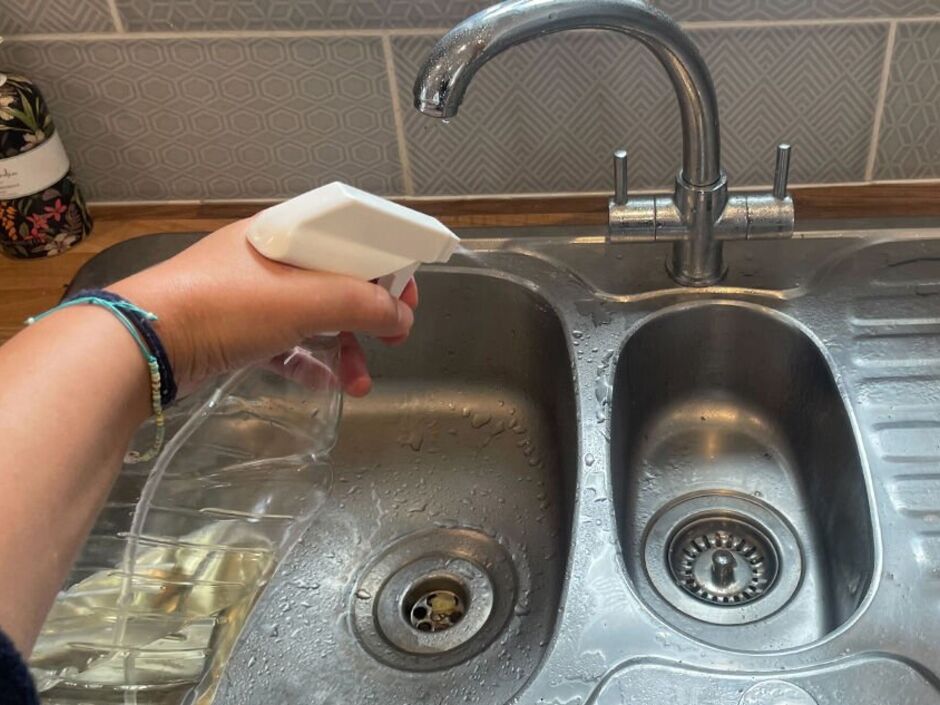
Bacteria love the dark, damp environment of your kitchen pipes, especially when there’s a steady food supply. These microorganisms break down the trapped organic matter, releasing gases that contribute to that rotten egg smell. If you’ve ever wondered why your kitchen drain smells like a swamp, bacteria could be the culprit. Regularly cleaning your drain with a natural solution of baking soda and vinegar can help keep bacterial growth in check.Clogged Or Slow Drains
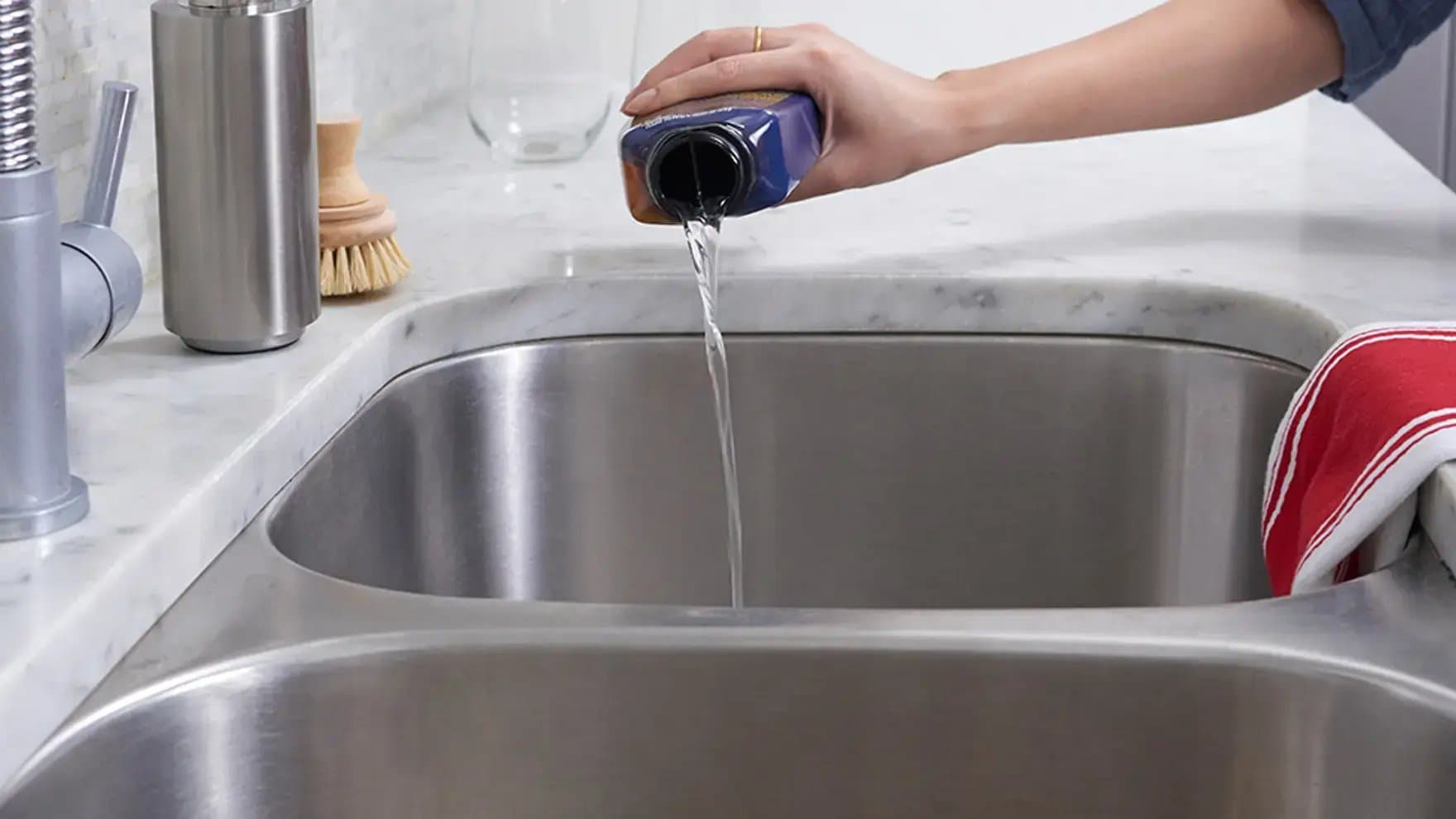
A slow-draining sink is a major red flag. Clogs can form when food particles, grease, and other debris accumulate, leading to stagnant water that becomes a breeding ground for bacteria and mold. When was the last time you checked the speed of your drain? If it’s not draining quickly, it might be time to tackle a potential clog. Using a plunger or a plumbing snake can help clear minor blockages, restoring the flow and reducing odors. By identifying and addressing these common causes, you can keep your kitchen smelling fresh and clean. Keep an eye out for these signs and take proactive steps to maintain your drains. Your nose will thank you!Credit: www.drano.com
Commercial Products For Persistent Odors
Persistent kitchen drain odors can disrupt your daily life. Commercial products offer effective solutions to tackle these smells. They are designed to neutralize odors and keep your kitchen fresh. Let’s explore two popular types of commercial products: enzyme-based cleaners and chemical drain deodorizers.
Enzyme-based Cleaners
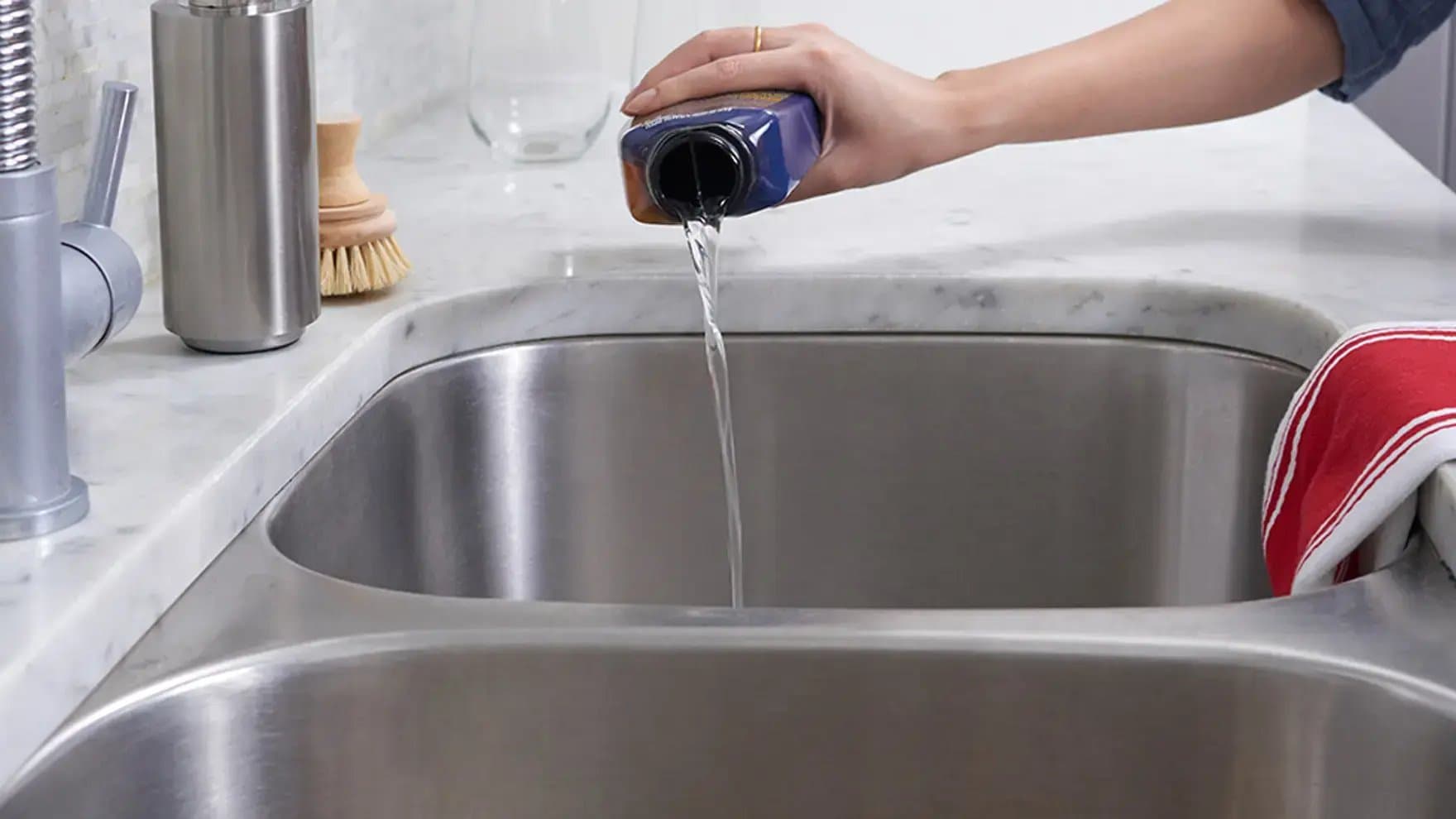
Enzyme-based cleaners use natural enzymes to break down organic matter. They are safe for the environment and your plumbing. These cleaners eat away at the debris causing the smell. They work well with regular use, maintaining a clean drain. To use, pour the cleaner down the drain and let it sit. This allows the enzymes to work effectively. Enzyme cleaners are often odorless or mildly scented. They provide a fresh and natural solution for smelly drains.
Chemical Drain Deodorizers
Chemical drain deodorizers target odor-causing bacteria. They often contain strong chemicals. These products can offer immediate results for stubborn odors. Use them with caution. Follow the instructions on the label carefully. They can be very effective in keeping drains odor-free. Ensure your kitchen is well-ventilated when using them. Chemical deodorizers can be a powerful tool for persistent drain smells.
Preventive Measures For Odor-free Drains
Keeping your kitchen drain odor-free requires consistent preventive measures. These measures not only help in maintaining a fresh-smelling environment but also in ensuring that your plumbing remains in good condition. Adopting a regular cleaning routine, disposing of waste properly, and installing a drain trap are key practices. Implementing these strategies will significantly reduce unpleasant odors emanating from your kitchen drain.
Regular Cleaning Routine
Establish a weekly cleaning schedule for your drains. Use natural cleaners like vinegar and baking soda. Pour half a cup of baking soda into the drain. Follow it with a cup of vinegar. Allow it to fizz for 10 minutes. Flush with hot water. This method dissolves grease and eliminates odors effectively.
Proper Waste Disposal
Dispose of kitchen waste correctly to prevent clogs. Avoid pouring fats or oils down the drain. They solidify and cause blockages. Instead, collect them in a container and throw them in the trash. Compost food scraps when possible. This reduces the burden on your drain system.
Installing A Drain Trap
Consider installing a drain trap if your sink lacks one. A drain trap prevents sewer gases from entering your home. It creates a water seal that blocks foul odors. Ensure it is installed properly for optimal performance. Regularly check the trap for debris buildup. Clean it to maintain its effectiveness.
When To Call A Professional Plumber
A smelly kitchen drain can be more than just a nuisance—it can signal underlying issues that need attention. While some drain odors can be tackled with DIY methods, there are times when calling a professional plumber is the smart move. But how do you know when it’s time to pick up the phone and make that call?
Signs Of Serious Drain Issues
Sometimes, a foul smell isn’t just about leftover food scraps stuck in the pipes. Here are signs that your problem might be more serious:
- Persistent Odor:If the smell lingers despite cleaning efforts, it might indicate a deeper blockage.
- Slow Drainage:Water draining slowly can be a sign of a clog that requires professional tools to clear.
- Backflow:When water or waste begins to flow back up, it’s time to consider expert help.
- Strange Noises:Gurgling or bubbling sounds can mean there’s trapped air in your pipes, often caused by blockages.
Benefits Of Professional Assistance
Why should you call in the pros? Here are some compelling reasons:
- Expertise:Professionals have the know-how to diagnose and solve complex plumbing issues quickly.
- Advanced Tools:Plumbers use specialized equipment that can thoroughly clean and clear your pipes.
- Long-term Solutions:DIY fixes might be temporary, but professionals provide lasting solutions.
- Peace of Mind:Knowing the problem is properly addressed means you can say goodbye to recurring smells.
Have you ever tackled a plumbing issue on your own, only to find it reappearing weeks later? That’s a common scenario when deeper problems are left unresolved. Consider whether the short-term fix is worth the hassle, or if a professional’s thorough approach might be the better option.
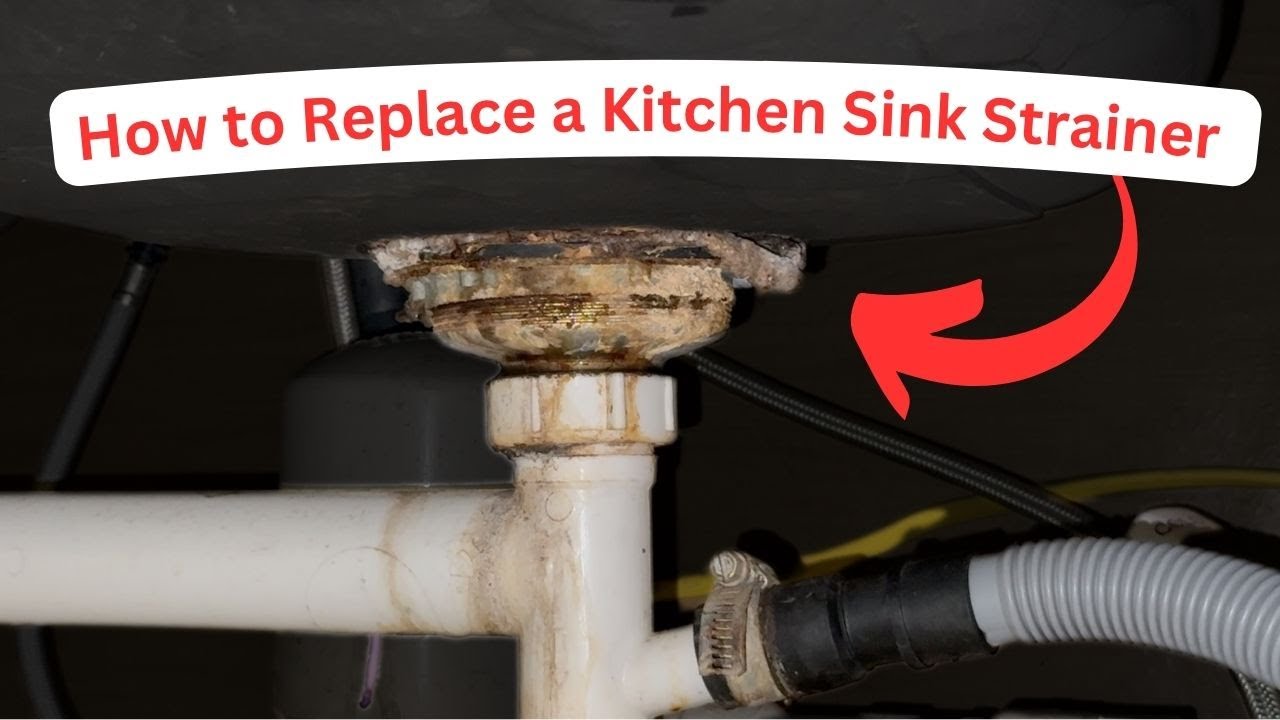
Credit: www.smithsplumbingservice.com
Frequently Asked Questions
How Do You Fix A Smelly Kitchen Drain?
Clean the kitchen drain using baking soda and vinegar. Pour half a cup of baking soda, then a cup of vinegar. Let it fizz for 15 minutes. Rinse with hot water to clear residue and odor. Use lemon or citrus peels for a fresh scent.
Repeat weekly for maintenance.
Why Does My Drain Smell But Not Clogged?
A smelly drain without a clog might indicate bacteria growth or trapped debris. Clean the drain using baking soda, vinegar, or commercial cleaners to eliminate odors. Regular maintenance prevents smells and keeps drains fresh. Ensure proper ventilation to help dissipate any lingering smells.
Does Pouring Vinegar Down The Drain Make It Smell Better?
Yes, pouring vinegar down the drain can help eliminate odors. Vinegar neutralizes smells by breaking down bacteria and residues. Use it regularly for best results.
What Do You Pour Down The Drain To Get Rid Of Smell?
Pour baking soda and vinegar down the drain to eliminate odors. Start with half a cup of baking soda, followed by one cup of vinegar. Wait for ten minutes, then flush with hot water. This method is effective, eco-friendly, and safe for pipes.
Repeat if necessary for persistent smells.
Conclusion
Solving kitchen drain smells requires simple steps. Clean the drain regularly. Use baking soda and vinegar to clear odors. Keep food scraps out of the sink. Check pipes for leaks or blockages. These habits prevent bad smells from returning. A fresh kitchen is just a routine away.
Enjoy a clean, welcoming space for cooking and gathering. Small actions lead to big changes in kitchen comfort. Don’t let odors disrupt your home. Maintain cleanliness for a pleasant environment. Your kitchen deserves care and attention. Keep it smelling fresh and inviting every day.

Similar Posts