Why is Kitchen Sink Not Draining: Quick Fixes & Tips
Imagine this: you’re in the middle of preparing a delicious meal, and suddenly, your kitchen sink refuses to drain. Water starts pooling, dishes pile up, and frustration levels rise.
Sound familiar? You’re not alone. A clogged kitchen sink is a common household headache, but the good news is, understanding the reasons behind it can help you fix the problem swiftly and effectively. We’re diving into the reasons why your kitchen sink might not be draining.
We’ll explore the usual suspects and offer practical solutions to get your sink back in working order. Whether it’s a minor blockage or something more complex, you’ll gain the insights needed to tackle the issue with confidence. So, if you’re tired of standing water and want to reclaim your kitchen’s functionality, keep reading. Your kitchen sink’s smooth operation is just a few steps away.

Credit: www.reddit.com
Common Causes Of A Clogged Sink
Grease buildup, leftover food particles, and soap residue often lead to kitchen sink blockages. These materials accumulate over time, obstructing water flow and causing frustrating drainage issues. Regular cleaning and mindful disposal of waste can help prevent these common clogs.
The frustration of a kitchen sink that refuses to drain can be all too familiar. You might find yourself standing over a sink full of murky water, wondering what could possibly be causing the blockage. Understanding the common causes of a clogged sink can be the first step toward resolving this pesky problem. Let’s explore some of the frequent culprits behind a sink that just won’t cooperate.Food Debris Buildup
Food particles are notorious for causing sink blockages. If you frequently dispose of leftovers or scraps down the drain, you’re likely contributing to a gradual buildup. Small bits can cling to the sides of pipes, eventually creating an obstacle. It’s similar to how hair clogs a shower drain; those tiny pieces add up over time.Grease And Fat Accumulation
Pouring cooking grease or fat down the sink might seem harmless, but it’s a slippery slope. These substances solidify as they cool, sticking to the inner walls of your plumbing. Picture a waxy layer building up, narrowing the passage for water flow. Consider using a separate container for grease disposal to keep your pipes clear.Foreign Objects In The Drain
Ever accidentally drop a spoon or a bottle cap into the sink? You’re not alone. Such foreign objects can become lodged in the drain, obstructing water flow. It’s not just the obvious items; small things like bits of plastic wrap or twist ties can also cause issues. Be mindful of what falls into your sink, as even the tiniest things can create a significant blockage.Soap Residue And Mineral Deposits
Soap might clean your dishes, but it can also contribute to clogs. Over time, soap residue combines with minerals present in water, forming a stubborn layer. This buildup can restrict water passage, leading to slow drainage. Using less soap or opting for a liquid variety can help minimize this issue. Have you ever considered how these everyday actions impact your kitchen plumbing? Being aware of these common causes can empower you to make small changes, preventing future clogs. What steps can you take today to ensure your sink remains free-flowing?
Credit: www.tapsuk.com
Initial Assessment Steps
Facing a clogged kitchen sink can be frustrating, especially when your daily routine is interrupted. Whether it’s leftover food scraps or grease buildup, diagnosing the issue is the first step to getting your sink back to functioning smoothly. Let’s dive into some initial assessment steps that can help you pinpoint the problem.
Check For Visible Blockages
Start by examining the sink for any obvious obstructions. Often, food debris or utensils might accidentally get stuck in the drain. If you spot any foreign objects, use your hands or a pair of pliers to remove them. You’d be surprised how often a simple blockage is the culprit.
Assess Water Drainage Speed
Is the water draining slowly or not at all? Fill your sink with water and observe the speed at which it drains. A slow drainage usually indicates a buildup within the pipes. This can be caused by grease, soap residue, or food particles. Knowing the drainage speed can help you decide whether a simple cleaning might suffice or if a more thorough examination is needed.
Listen For Unusual Sounds
Pay attention to the noises your sink makes. Do you hear gurgling or bubbling sounds when water drains? These sounds can be a sign of air trapped in the pipes, often caused by blockages. Listening carefully can give you clues about the underlying issues and guide your next steps in clearing the drain.
By taking these initial assessment steps, you can quickly determine the cause of your kitchen sink woes. What’s your experience been like with clogged sinks? Have you noticed any patterns or recurring issues? Share your thoughts in the comments below!
Quick Fixes For A Slow Drain
Experiencing a slow kitchen drain can be frustrating. Luckily, quick fixes can often solve the problem. These simple techniques may help you restore your sink to its normal draining speed.
Using Boiling Water
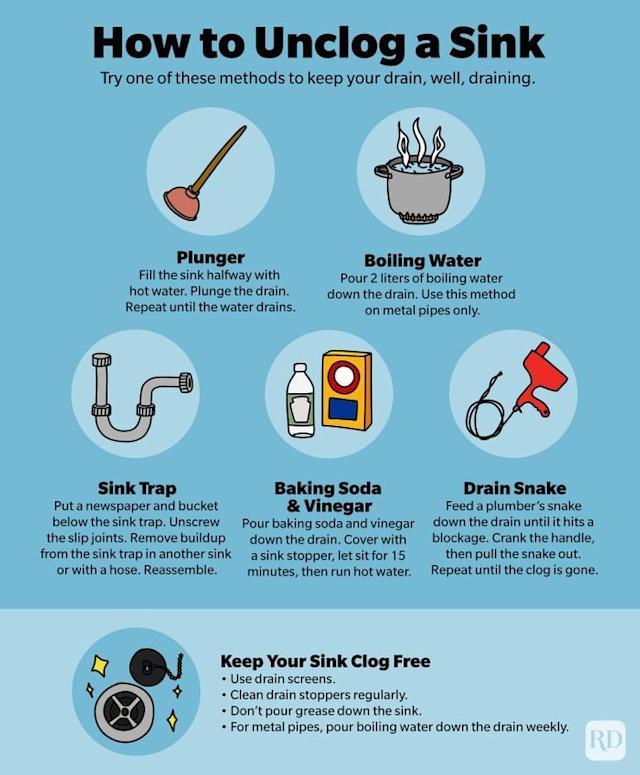
Boiling water is an easy method to clear minor clogs. Heat a pot of water to a rolling boil. Carefully pour the boiling water down the drain. The hot water can dissolve grease and loosen debris. Repeat if necessary until the water drains smoothly.
Baking Soda And Vinegar Solution
Baking soda and vinegar create a powerful cleaning solution. Pour half a cup of baking soda down the drain. Follow it with half a cup of vinegar. Cover the drain and let it fizz for about 15 minutes. Rinse with hot water to clear any remaining residue. This natural solution can break down buildup effectively.
Plunger Technique
A plunger can be useful for stubborn clogs. Place the plunger cup over the drain opening. Ensure a tight seal around the edges. Use quick, forceful pushes to create suction. This action can dislodge blockages and allow water to flow freely. Repeat as needed for best results.
Removing And Cleaning The P-trap
The P-trap is a pipe section under the sink that may hold debris. Place a bucket beneath the P-trap to catch water. Carefully loosen the nuts holding the trap in place. Remove the trap and clean it thoroughly. Reassemble the trap and check for improved drainage. This method helps clear deeper blockages in the system.
Preventive Maintenance Tips
Clogged sink drains can disrupt daily routines. Regularly clean the drain with hot water to prevent buildup. Avoid pouring grease and food scraps to maintain smooth drainage.
Preventive maintenance can save you from a clogged kitchen sink. Consistent care ensures smooth drainage and reduces repair costs. Here are some simple tips to keep your kitchen sink in top shape.Regular Cleaning Routine
Maintain a clean sink to prevent clogs. Rinse the sink with hot water daily. This helps clear out minor blockages. Use a natural cleaner weekly. Mix baking soda and vinegar. Pour it down the drain. Let it sit for 15 minutes. Rinse with hot water.Proper Disposal Of Cooking Grease
Never pour grease down the sink. It solidifies and clogs pipes. Instead, let it cool and harden. Scrape it into the trash. Use a container to collect liquid grease. Dispose of it in the garbage when full. This simple habit can prevent blockages.Avoiding Disposal Of Non-food Items
Your sink is for water and food waste only. Avoid throwing non-food items down the drain. These can cause serious blockages. Use a sink strainer to catch debris. Empty it into the trash regularly. Educate everyone in the household about this practice. It keeps your sink running smoothly.When To Call A Professional
When your kitchen sink refuses to drain, it can feel like a minor disaster. You’ve tried the plunger, baking soda, and vinegar, but nothing seems to work. This is when you might need to consider calling in a professional. They can diagnose and fix the issue effectively, saving you time and frustration. But how do you know when to make that call? Here are some situations where a professional’s expertise is essential.
Persistent Clogs
If your sink clogs repeatedly, it might indicate a deeper issue. A professional plumber can identify and resolve underlying problems, such as a blockage further down the line. This can prevent future clogs and protect your plumbing system from further damage.
Sometimes, DIY solutions only provide temporary relief. You might notice water backing up again within days or weeks. In such cases, a plumber can offer a long-term solution that saves you from ongoing hassle.
Pipe Damage Concerns
Old or damaged pipes can lead to serious plumbing issues. If you suspect that your pipes are damaged, it’s best to call a professional. They have the tools and expertise to assess and repair pipe damage safely.
Ignoring damaged pipes can result in leaks or bursts, causing water damage to your home. A timely professional intervention can prevent costly repairs and preserve your home’s infrastructure.
Unusual Smells Or Noises
Strange smells or noises coming from your sink can indicate a problem beyond a simple clog. You might notice a foul odor, suggesting a buildup of waste or bacteria. This is a clear sign to bring in a professional.
Noises like gurgling or bubbling might indicate air trapped in the pipes. A plumber can determine the cause and remedy it, ensuring your sink functions smoothly again.
So, the next time your sink acts up, ask yourself: Is it time to call in the experts? Taking prompt action can save you from bigger issues down the line.

Credit: www3.drano.com
Frequently Asked Questions
How Do You Fix A Kitchen Sink That Is Not Draining?
Clear the sink trap using a wrench. Use a plunger to dislodge any blockages. Pour baking soda and vinegar down the drain. Flush with hot water after a few minutes. If still clogged, try a drain snake or contact a plumber.
How To Unblock A Kitchen Sink With Standing Water?
Use a plunger to create suction and dislodge the blockage. Pour boiling water mixed with baking soda and vinegar. Let it sit, then flush with more boiling water. If needed, use a plumber’s snake for stubborn clogs. Always wear gloves for safety.
How To Get Rid Of Standing Water In A Kitchen Sink?
Use a plunger to clear blockages. Pour baking soda and vinegar down the drain. Flush with hot water. Check for clogs in the pipes. If unresolved, consider professional plumbing assistance.
Why Should You Never Use Baking Soda And Vinegar To Unclog A Drain?
Baking soda and vinegar can worsen clogs. They create a foamy reaction that may not clear blockages. This mixture might damage pipes and isn’t effective for stubborn clogs. Instead, use a plunger or a drain snake for better results. Professional help is recommended for severe blockages.
Conclusion
Fixing a clogged kitchen sink can seem daunting. Yet, simple solutions often work best. Regular maintenance prevents future issues. Avoid pouring grease down the drain. Use a plunger for minor clogs. Baking soda and vinegar can clear blockages naturally. If the problem persists, consider calling a plumber.
Professional help ensures thorough inspection. Keeping your sink clean saves time and money. Remember, a clear sink improves kitchen efficiency. Ensures water flows freely during cooking and cleaning. Healthy habits lead to a healthy kitchen environment. Prioritize care to avoid inconvenience later.
Your sink deserves attention and care.