Why is My Kitchen Sink Draining Slow? Uncover Solutions
Executive Chef & Lead Commercial Kitchen Specialist at Daily Kitchup Test Lab
Is your kitchen sink draining slower than usual? You’re not alone.
This common household issue can be more than just a minor inconvenience. It often hints at underlying problems that could worsen if ignored. You might find yourself standing over a sink full of murky water, wondering what went wrong. But fear not—understanding the reasons behind a sluggish drain can empower you to take action before it turns into a larger plumbing problem.
Imagine the relief of restoring your kitchen sink to its full, functional glory. We’ll dive into the common causes and simple solutions that will have your sink draining smoothly in no time. Ready to reclaim your kitchen’s efficiency? Let’s get started.
Common Causes Of Slow Draining
Food particles, grease buildup, and soap residue often cause slow draining in kitchen sinks. Blockages in pipes or trap can also slow down water flow. Regular cleaning can help prevent these common issues.
Slow draining in kitchen sinks can be a common nuisance that disrupts your daily routines. Understanding the underlying causes can help you tackle the issue effectively. By pinpointing the specific reason behind the sluggish drainage, you can prevent future problems and maintain a functional kitchen environment. Let’s dive into the common causes of slow draining and explore practical solutions.Food Debris Accumulation
Food particles often get trapped in the sink drain, leading to gradual build-up. You might notice leftover crumbs from plates or remnants from dishwashing piling up over time. This accumulation narrows the passage, making water flow increasingly sluggish. Regularly cleaning the drain with a suitable tool can prevent this problem.Grease Build-up
Grease from cooking oils and fats can solidify in the pipes, creating a sticky barrier. Imagine pouring leftover bacon grease down the drain—over time, it congeals, restricting water movement. Consider disposing of grease in a separate container instead of the sink. This simple shift can save you from a lot of hassle.Soap Scum And Mineral Deposits
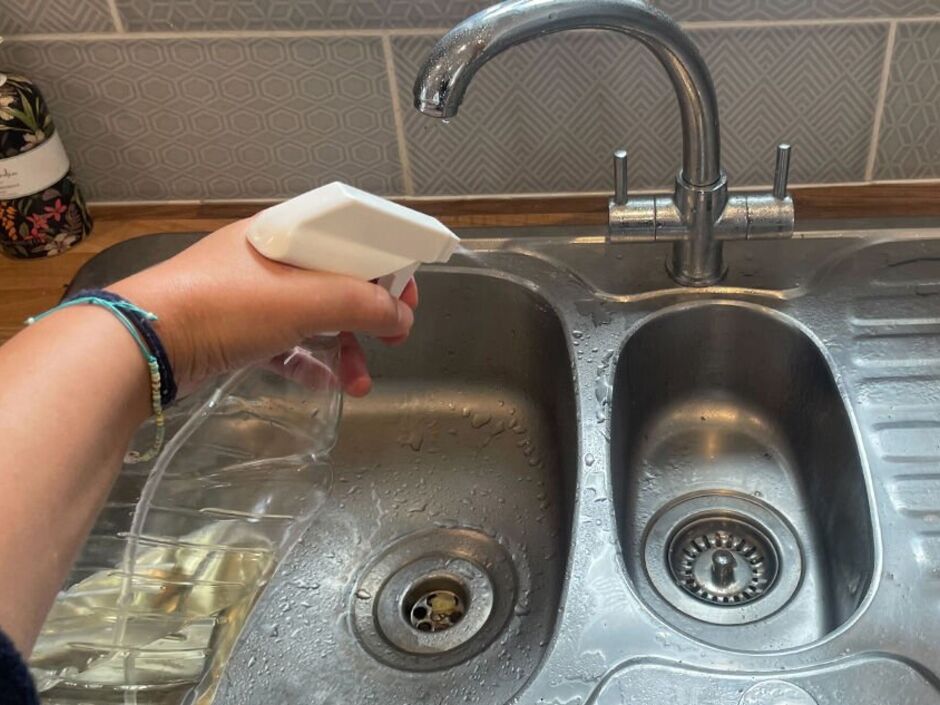
Soap scum, mixed with minerals from hard water, forms stubborn residues in your pipes. Have you ever noticed a chalky white layer on your dishes? That same residue can clog up your sink’s drainage system. Using soft water or regularly flushing your pipes with vinegar can help dissolve these deposits.Clogged P-trap
The P-trap, a curved section of pipe beneath your sink, often collects debris. Its design is meant to prevent sewer gases from entering your kitchen, but it can also trap food particles and other waste. If you frequently encounter slow drainage, checking and cleaning the P-trap might be the solution. A simple cleaning could restore normal flow.Ventilation Issues
Ventilation problems can disrupt the pressure balance in your plumbing system, affecting drainage speed. Have you noticed gurgling sounds when water drains? This might indicate a ventilation issue. Ensuring your vent is clear and functional can resolve these odd noises and improve drainage efficiency. Do these problems sound familiar? Addressing the root causes can transform your kitchen sink from a frustrating bottleneck into a smoothly running hub. What’s the biggest challenge you’ve faced with your kitchen sink? Solving these issues can make your kitchen experience more enjoyable and hassle-free.Identifying The Problem
Experiencing a slow draining kitchen sink can be frustrating. To fix the issue, first identify the problem. Common causes include partial blockages and plumbing problems. Spotting these signs early can prevent bigger issues later. Let’s explore how to identify a slow draining sink.
Signs Of A Partial Blockage
Partial blockages often cause sinks to drain slowly. Look for water pooling in the sink. Check if the water drains slower than usual. Food particles and grease can clog pipes, leading to blockages. Regularly clean the sink to avoid buildup.
Listening For Unusual Noises
Strange noises can indicate drainage issues. Listen for gurgling sounds when water drains. These sounds suggest air trapped in the pipes. Air bubbles can form due to blockages. Pay attention to frequent or loud noises.
Performing A Visual Inspection
A visual inspection helps spot obvious problems. Check the sink and surrounding area. Look under the sink for leaks or damage. Inspect the drain for visible clogs or debris. Use a flashlight for better visibility.
Diy Solutions
Slow drainage in the kitchen sink often points to clogs. Food particles and grease can accumulate, reducing water flow. Simple DIY solutions like using a plunger or baking soda with vinegar can help clear the blockage. Regular maintenance prevents future problems, keeping your sink functioning smoothly.
Have you ever stood over your kitchen sink, perplexed by the slow draining water? You’re not alone. A sluggish sink is a common household issue, often caused by everyday debris like food particles and grease. But before you call a plumber, why not try a few DIY solutions that can get your sink back to its speedy self? These methods are simple, cost-effective, and can save you the hassle of waiting for professional help. Let’s dive into some hands-on techniques that you can apply today.Using A Plunger
A plunger isn’t just for your toilet. It’s a surprisingly effective tool for kitchen sinks too. Start by filling the sink halfway with water. This creates a seal and helps the plunger work efficiently. Place the plunger over the drain, ensuring there’s a tight seal. Then, give it several firm pushes up and down. The pressure can dislodge clogs lurking beneath the surface. After plunging, check if the water drains faster. If it does, you’ve probably cleared the blockage. If not, don’t worry—there’s more you can try.Applying Baking Soda And Vinegar
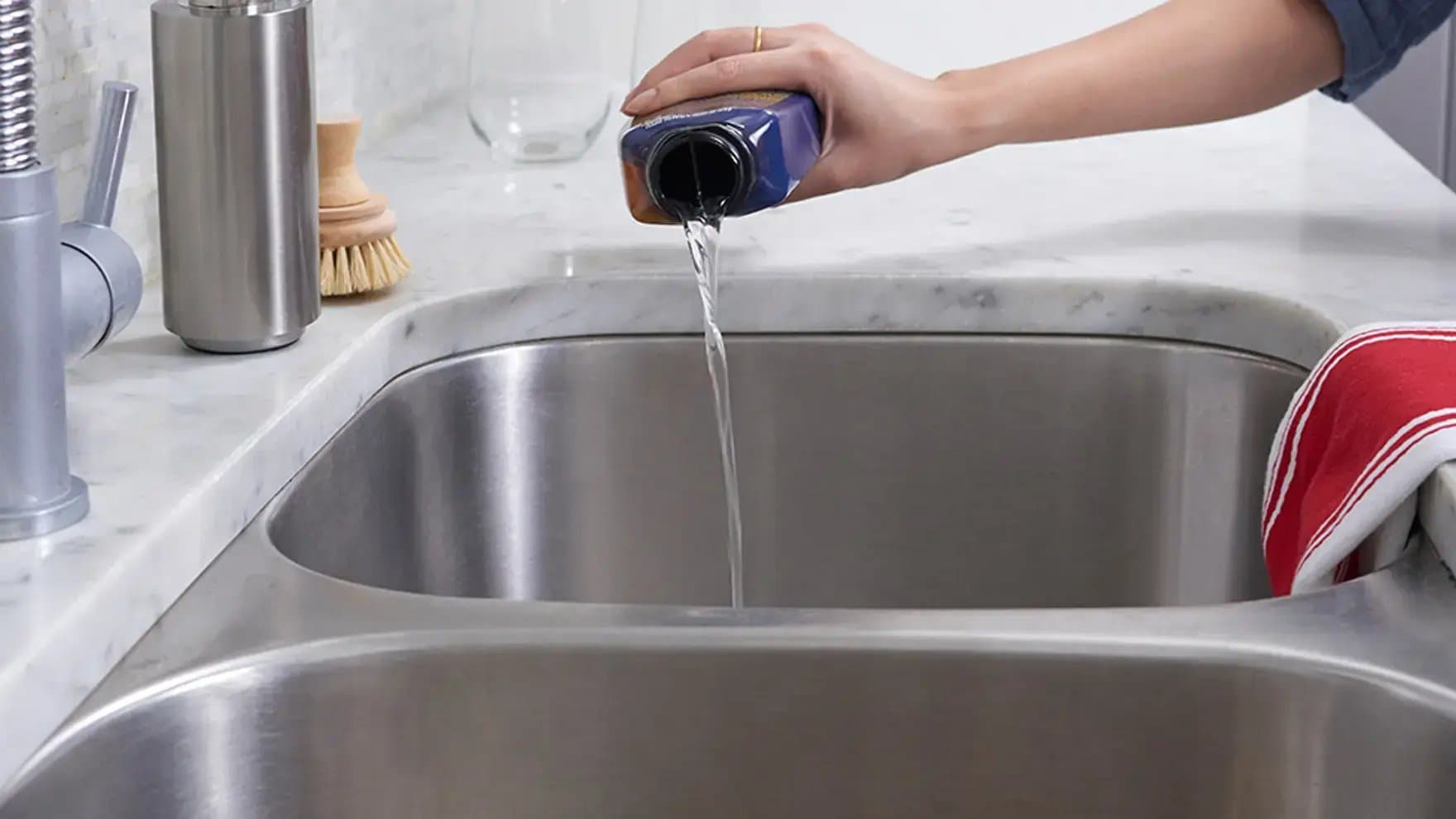
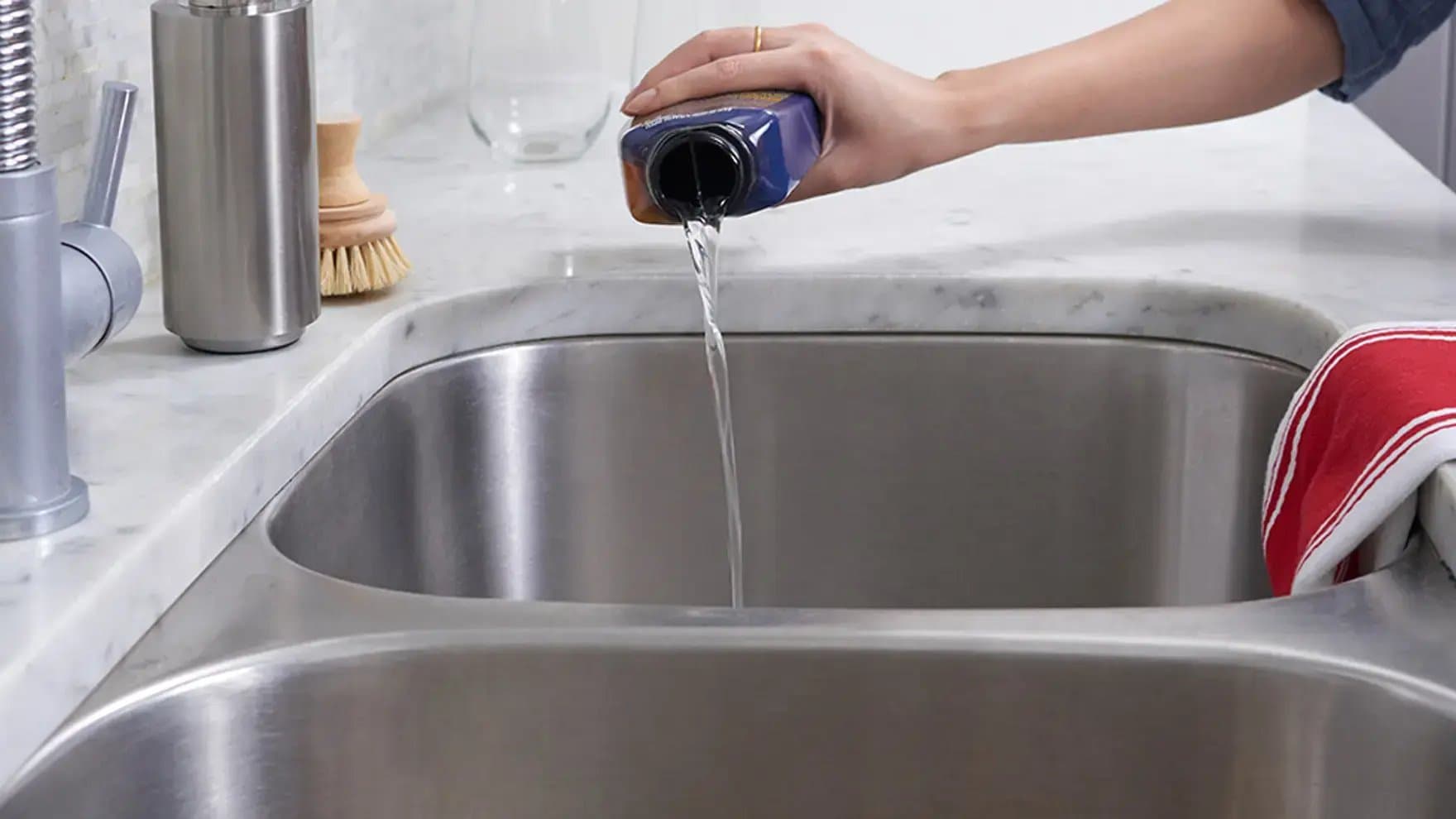
Baking soda and vinegar make a powerful duo against clogs. Begin by pouring boiling water down the drain to soften any grease buildup. Then, add half a cup of baking soda. Let the baking soda sit for a few minutes. Follow up with a cup of vinegar. You’ll hear fizzing as they react, breaking down the residue. After about ten minutes, flush the drain with more boiling water. This final step washes away the loosened debris. Notice any improvement? This eco-friendly method is often surprisingly effective.Trying A Drain Snake
For stubborn clogs, a drain snake can be your best friend. It’s designed to reach deep into the pipes, tackling blockages that other methods can’t. Insert the snake into the drain and turn the handle. This helps the snake grab onto the clog. Once you feel resistance, pull the snake out slowly. You might be surprised at what you retrieve—sometimes, it’s a forgotten piece of food or a chunk of soap. Repeat the process if necessary. Is your sink draining better now? This handy tool is worth keeping around for future clogs. Remember, tackling a slow drain doesn’t always need professional intervention. With a bit of effort and these DIY solutions, you can restore your kitchen sink’s flow in no time.Credit: www.instagram.com
Preventive Measures
Regular cleaning can prevent slow draining in your kitchen sink. Avoid pouring grease down the drain. Use a strainer to catch food particles and other debris.
When your kitchen sink starts draining slowly, it can be a real hassle. It’s not just an inconvenience; it can lead to unpleasant odors and even more significant plumbing issues if not addressed. Fortunately, there are preventive measures you can take to keep your sink running smoothly. By adopting a few simple habits, you can save yourself time and stress down the line.Regular Cleaning Routine
Make it a habit to clean your sink regularly. You might be surprised how quickly food particles and soap scum can accumulate. A simple mix of baking soda and vinegar can work wonders. Pour a cup of baking soda followed by a cup of vinegar down the drain, and let it fizz for about 15 minutes before rinsing with hot water. This not only helps with slow drainage but keeps your pipes fresh.Installing A Drain Strainer
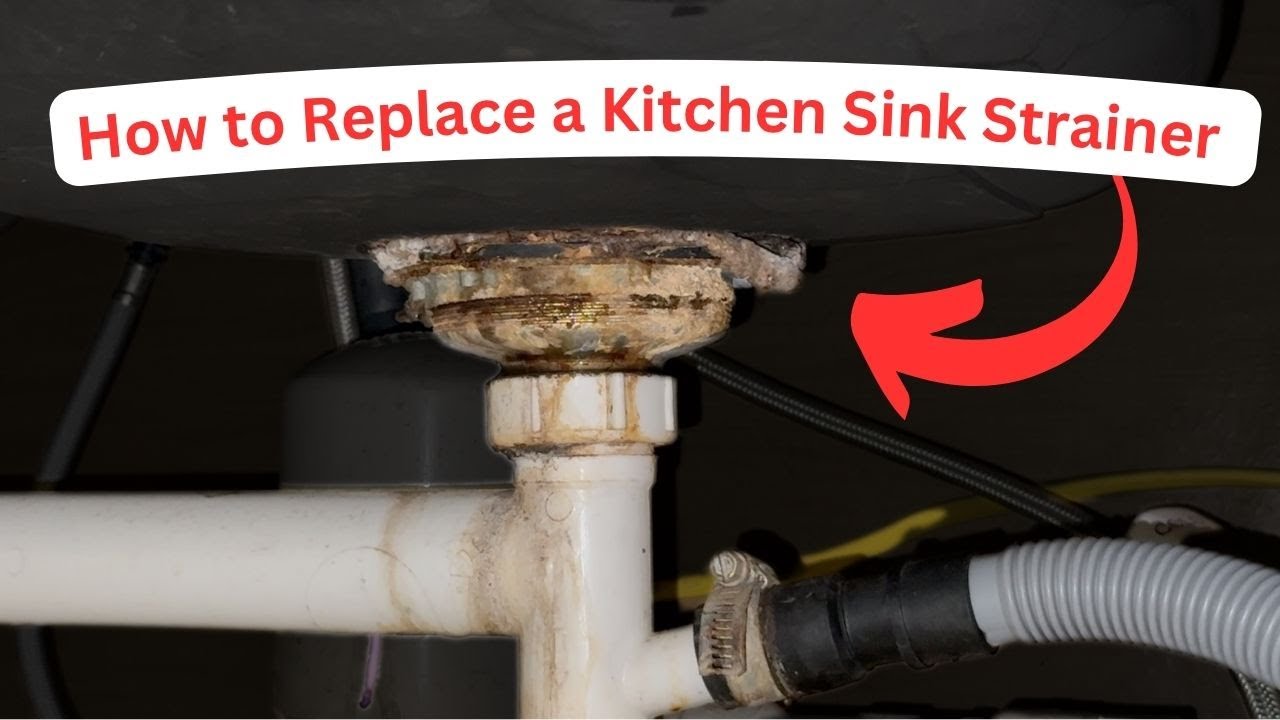
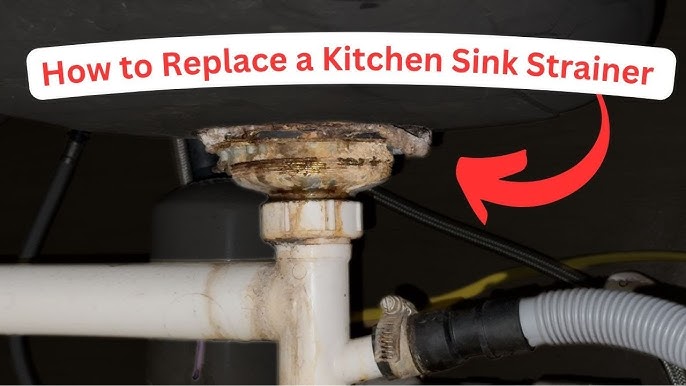
A drain strainer is your sink’s best friend. It acts as a barrier, catching food particles and preventing them from going down the drain. You can find strainers in various sizes and designs to fit your sink perfectly. Installing one takes just a minute and can significantly reduce the risk of clogs. Think about it: would you rather spend a few dollars now or deal with a costly plumber visit later?Avoiding Grease Disposal In Sink
It might seem convenient to pour leftover cooking grease down the sink, but this is a major culprit in causing slow drainage. Grease solidifies as it cools, leading to stubborn blockages. Instead, let the grease cool in a container and dispose of it in the trash. Over time, this small change can make a big difference in maintaining a healthy drainage system. Have you ever had a sink clog on a busy morning? It’s not a pleasant start to the day. Taking these preventive steps can help ensure your sink stays clog-free, saving you from unexpected hassles and keeping your kitchen running smoothly.When To Call A Professional
We’ve all been there: standing at the sink, watching water slowly swirl and stubbornly refuse to disappear. While some clogs can be tackled with basic home remedies, others demand the expertise of a professional. But how do you know when it’s time to call in the experts? Let’s break it down.
Persistent Clogs
If your sink consistently drains slowly despite your best efforts, it’s time to consider professional help. Home solutions like plungers or chemical drain cleaners might offer temporary relief, but if clogs keep returning, something more serious might be at play. A professional plumber can accurately diagnose and fix the issue, potentially saving you time and frustration.
Complex Plumbing Issues
Have you ever peeked under your sink and been overwhelmed by the maze of pipes? Some plumbing setups are intricate, and a wrong move can worsen the situation. Professionals have the tools and expertise to navigate these complexities safely and efficiently. It’s worth considering if your plumbing system seems more like a puzzle than a straightforward fix.
Potential Pipe Damage
Slow draining could signal more than just a clog—it might indicate damage to your pipes. Over time, pipes can corrode, crack, or become misaligned, leading to drainage issues. A plumber can assess and repair any damage, ensuring your plumbing remains in top shape. Wouldn’t you rather address these issues before they escalate into a bigger problem?
Sometimes, calling a professional isn’t just the best option; it’s the only option. Recognizing the signs early can save you from a kitchen catastrophe. So, next time your sink plays hard to get, consider if it’s time to dial a plumber. Your future self will thank you!
Credit: wattersplumbing.com
Long-term Maintenance Tips
Slow kitchen sink drainage often results from debris buildup. Regularly clean pipes and use strainers to prevent clogs. Periodic use of baking soda and vinegar can help maintain smooth flow.
If your kitchen sink drains slowly, it can be more than just a minor annoyance. It often hints at deeper issues that might escalate if not addressed promptly. The good news is that you can prevent these frustrating situations with long-term maintenance tips. These strategies ensure your sink remains in top working condition, saving you both time and money.Scheduled Pipe Inspections
Regular pipe inspections can catch potential problems before they become major headaches. Consider scheduling annual checks with a professional plumber to assess your plumbing system. They can identify any blockages or corrosion that could cause slow drainage. You might think of it like a health check-up for your home. It’s a small investment that can prevent costly repairs down the line. Keep a record of these inspections to track any recurring issues.Eco-friendly Cleaning Solutions
Harsh chemical cleaners can damage your pipes over time. Instead, opt for eco-friendly alternatives that are gentler on your plumbing system. A mixture of baking soda and vinegar can work wonders for clearing minor clogs and keeping your pipes fresh. Pour half a cup of baking soda followed by a cup of vinegar down the drain. Let it fizz for a few minutes, then rinse with hot water. This simple solution is not only effective but also safe for the environment and your family.Water Softener Benefits
Hard water can contribute to mineral buildup in your pipes, leading to slow drainage. Installing a water softener can help mitigate this issue. It reduces the concentration of minerals like calcium and magnesium in your water. Not only does this prevent pipe clogs, but it also extends the lifespan of your appliances. You’ll notice cleaner dishes and softer laundry as additional perks. Is investing in a water softener worth the upfront cost? Many homeowners find the long-term savings and convenience to be invaluable. By adopting these maintenance tips, you take proactive steps to ensure your kitchen sink drains efficiently. What small change can you start implementing today to avoid the frustration of a slow-draining sink tomorrow?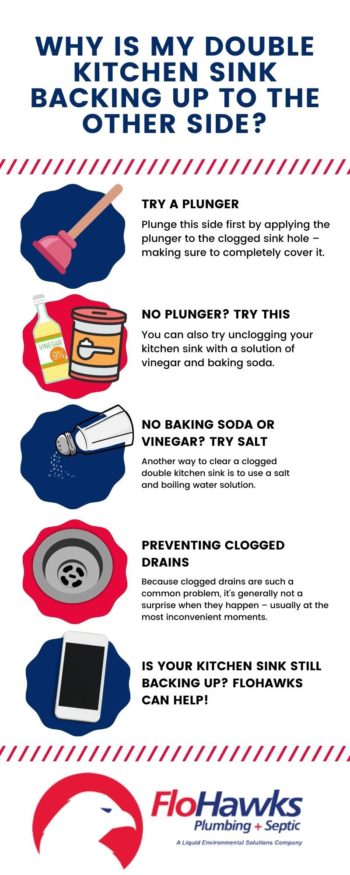
Credit: flohawks.com
Frequently Asked Questions
How Do You Fix A Slow Draining Kitchen Sink?
Clear the sink trap by removing and cleaning it. Use a plunger to dislodge debris. Pour baking soda and vinegar down the drain, then rinse with hot water. If needed, use a plumber’s snake to break up clogs. Regular maintenance prevents future issues.
What Do Plumbers Recommend For Slow Drains?
Plumbers often recommend using a mixture of baking soda and vinegar. Pour boiling water down the drain first. Add baking soda, then vinegar. Let it fizz for a few minutes, then flush with hot water. Regular maintenance prevents slow drains and keeps pipes clean.
Consider a drain snake for stubborn clogs.
Why Should You Never Use Baking Soda And Vinegar To Unclog A Drain?
Baking soda and vinegar can create blockages instead of clearing them. The fizzing reaction forms clumps that worsen clogs. This mixture doesn’t dissolve tough build-up or grease effectively. Professional methods or commercial drain cleaners offer better results for stubborn clogs.
Avoid DIY fixes that may damage pipes.
How To Clean A P-trap Kitchen Sink?
Turn off the water supply and place a bucket under the sink. Unscrew the p-trap and remove debris. Clean the trap with warm soapy water. Reassemble the trap securely. Ensure there are no leaks before turning the water back on.
Regular cleaning prevents clogs and maintains a smooth flow.
Conclusion
Fixing a slow kitchen sink drain is crucial. It prevents bigger plumbing issues. Regular maintenance keeps your sink flowing smoothly. Check for clogs often. Use simple tools like a plunger or snake. Baking soda and vinegar can help too. Keep an eye on what goes down the drain.
Avoid putting grease or food scraps in it. These can cause blockages. A well-maintained sink saves time and money. It also reduces stress. Enjoy a hassle-free kitchen experience with these tips. Always keep your sink clean and clear.

Similar Posts