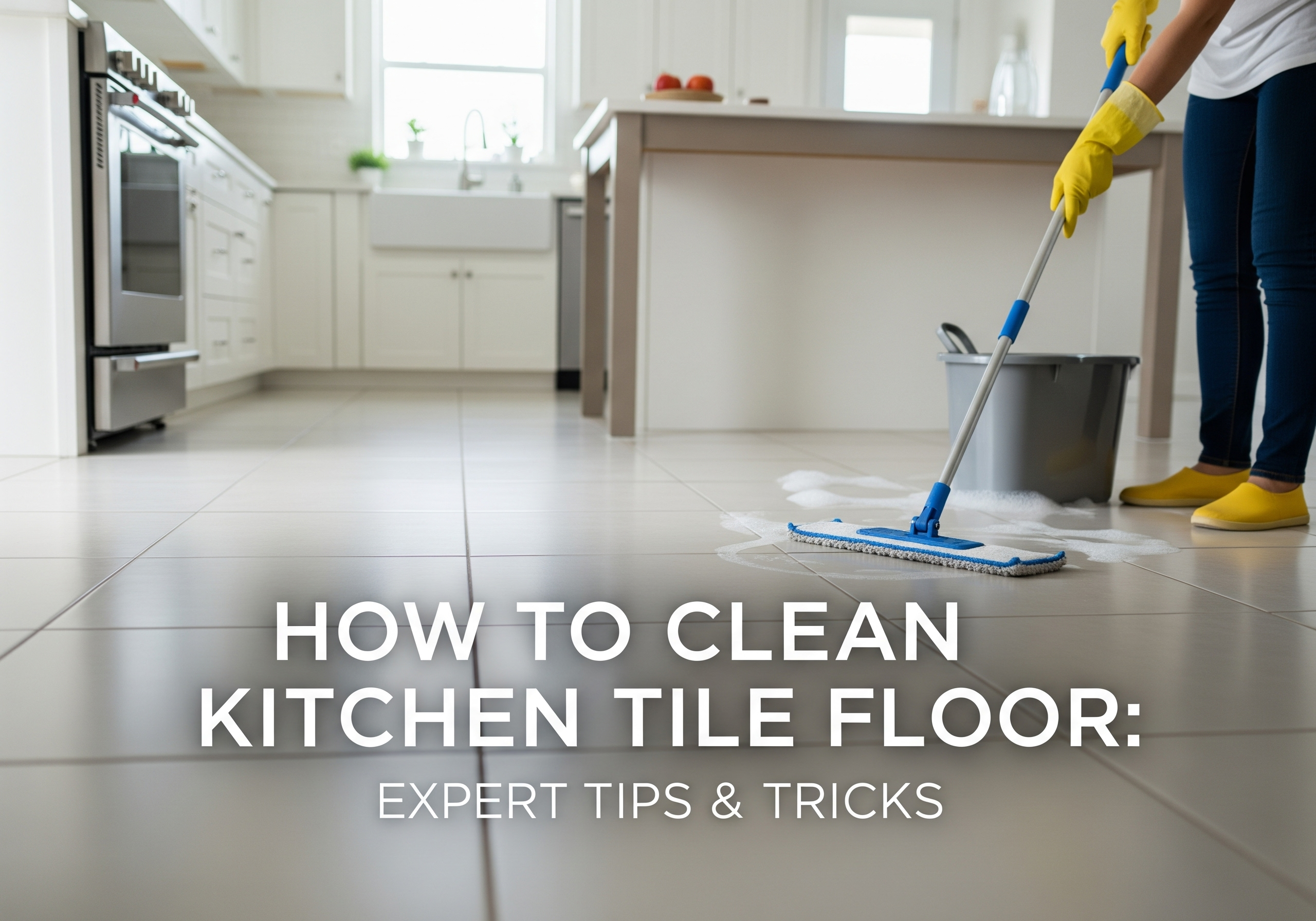
How to Clean Kitchen Tile Floor: Expert Tips & Tricks
Are you tired of looking at your kitchen tile floor and seeing stubborn stains, unsightly grime, or dull surfaces? You’re not alone.
Many people struggle to keep their kitchen floors looking fresh and spotless. But what if we told you that achieving a sparkling clean tile floor is simpler than you think? Imagine walking into your kitchen and being greeted by gleaming tiles that elevate the entire room’s appearance.
This is not just a dream; it’s entirely possible with the right techniques. In this guide, we’ll reveal the secrets to effectively cleaning your kitchen tile floor, making it a task you might even look forward to. Get ready to transform your kitchen into the pristine space you’ve always wanted, without the hassle or stress.
Choosing The Right Cleaning Tools
Selecting the proper cleaning tools makes tile floor maintenance easier. Use a soft-bristle broom to sweep away dirt. A mop with microfiber pads works well for scrubbing.
Cleaning your kitchen tile floor requires the right tools. Selecting the appropriate cleaning supplies is key. It ensures your tiles remain pristine. You avoid damage and achieve a sparkling finish. Let’s explore the essential cleaning tools and agents for this task.Essential Cleaning Supplies
Start with a sturdy broom or dust mop. It helps remove loose dirt and debris. Choose a mop with soft fibers for gentle cleaning. Microfiber mops are excellent for tiles. They trap dirt effectively. A bucket is necessary for mixing cleaning solutions. Look for one that’s easy to carry. A scrub brush can tackle stubborn stains. Choose one with firm bristles. This ensures deep cleaning without scratching. Don’t forget gloves to protect your hands. Safety is important during cleaning.Choosing Effective Cleaning Agents
Opt for pH-neutral cleaners for tile floors. They protect the tile surface. Avoid harsh chemicals. They can damage grout and tiles. Vinegar is a popular choice. It cleans and disinfects naturally. Mix it with water for best results. Baking soda is effective for tough stains. Make a paste with water. Apply directly to stains. Let it sit, then scrub gently. Commercial tile cleaners are available. Check labels for tile compatibility. Always follow instructions for safe use.
Credit: limestone.tilecleaning.co.uk
Preparing The Tile Surface
Preparing the Tile Surface Begin by sweeping or vacuuming the kitchen floor to remove dust and debris. Next, mop with warm soapy water to tackle stubborn stains and grime. Dry the tiles thoroughly with a clean towel to prevent slips and ensure a spotless finish.
Preparing the Tile Surface Before diving into the nitty-gritty of scrubbing and polishing, it’s crucial to set the stage for a thorough cleaning. Proper preparation of your kitchen tile floor ensures that your efforts lead to sparkling results. Think of it as laying a solid foundation for a new painting; the cleaner your canvas, the more stunning the final picture.Clearing The Floor Area
Begin by removing any obstacles that might hinder your cleaning process. Shift chairs, rugs, and small appliances out of the way to give yourself a clear working space. This not only makes the task easier but also ensures you don’t miss any spots. Have you ever cleaned around a dining table only to find hidden crumbs later? Moving these items can reveal dirt and debris you might have otherwise missed. Plus, it’s an opportunity to tidy up those nooks and crannies that often go unnoticed.Removing Surface Debris
Once the area is cleared, it’s time to tackle the surface debris. Use a broom or a vacuum to sweep up dust, crumbs, and other loose particles. This initial step prevents these tiny bits from turning into a gritty paste when you add water. Consider using a microfiber cloth or mop to catch finer particles that a broom might miss. Have you noticed how a thorough sweep can already make a room feel cleaner? It’s a small action that sets the stage for deeper cleaning. By ensuring a debris-free floor, you’re not just cleaning—you’re protecting your tiles from scratches. Are you ready to see your tile floor shine like new? Let’s move forward with a clean slate.Step-by-step Cleaning Process
Cleaning kitchen tile floors involves gathering supplies like a mop, bucket, and cleaning solution. Sweep or vacuum debris, then mix the cleaner with water. Mop the floor in sections, rinse with clean water, and dry with a towel for a sparkling finish.
Cleaning your kitchen tile floor can transform the entire space. A sparkling floor not only adds to the aesthetic appeal but also ensures hygiene. Follow this step-by-step process to achieve a spotless finish. Keep your kitchen looking fresh and inviting with these easy methods.Sweeping Or Vacuuming The Floor
Start by removing loose dirt and debris. Use a broom for quick results. Make sure to sweep in all directions. For deeper cleaning, opt for a vacuum cleaner. Ensure it’s set to the hard floor mode. This helps in picking up hidden dust particles. Pay attention to corners and under appliances. These areas often collect more grime.Mopping Techniques For Tile Floors
Choose a mop that suits your tile type. A microfiber mop works well on most tiles. Prepare a cleaning solution using warm water and mild detergent. Avoid using harsh chemicals. Begin mopping from one end of the kitchen. Move towards the exit to prevent stepping on wet areas. Rinse the mop regularly to avoid spreading dirt. Make sure the floor dries completely to prevent slips.Spot Cleaning Stubborn Stains
Identify areas with tough stains. Prepare a paste using baking soda and water. Apply it directly on stains. Let it sit for a few minutes. Scrub gently with a soft brush. For stubborn stains, use vinegar instead. It’s effective on grease and food spills. Wipe the area clean with a damp cloth. Repeat if necessary until the stain fades.Maintaining Clean Tile Floors
How to Clean Kitchen Tile Floor Ensure spotless tiles by sweeping away dirt regularly. Use a gentle cleanser mixed with warm water for mopping. Dry with a soft cloth to prevent streaks and maintain shine.
Maintaining clean tile floors in your kitchen is essential for both hygiene and aesthetics. A sparkling tile floor can make your kitchen feel more inviting and enjoyable to work in. But how do you keep it looking pristine without spending hours scrubbing? The key lies in regular care and smart prevention strategies. Here’s how you can keep your kitchen tile floors spotless and stunning.Regular Cleaning Schedule
Establishing a regular cleaning routine is crucial. Aim to sweep or vacuum your kitchen floors daily to remove dirt and debris that can scratch the tiles. A weekly mop with warm water and a mild detergent will help maintain the shine. Use a microfiber mop for effective cleaning without leaving streaks. This tool is gentle on tiles and can easily reach into grout lines. You’ll find that sticking to a schedule not only keeps your floors looking good but also saves time in the long run.Preventing Future Stains
The best way to keep tiles clean is to prevent stains from setting in. Wipe up spills as soon as they happen—whether it’s sauce splatters or juice drips, acting quickly can stop stains from becoming permanent. Consider placing mats or rugs in high-traffic areas and near the sink. These can catch spills and dirt before they hit the tiles. Think of them as your first line of defense in maintaining clean floors. Ask yourself: Are you using the right products for your floor type? Some cleaners can leave residues that attract more dirt. Always choose a cleaner specifically designed for tile floors to ensure a lasting clean.Dealing With Grout Lines
Cleaning kitchen tile floors involves tackling grout lines. Use a brush with baking soda paste for stubborn stains. Regular maintenance with mild detergent and warm water keeps the tiles and grout fresh.
Dealing with grout lines can be challenging but essential. Grout often traps dirt, grease, and stains over time. Cleaning them not only improves appearance but also extends floor life. Let’s explore effective strategies for maintaining grout lines.Grout Cleaning Solutions
Different solutions can help clean grout effectively. Baking soda and vinegar are natural and effective. Mix baking soda with water to form a paste. Apply it along the grout lines. After 15 minutes, spray vinegar over the paste. The mixture will fizz and break down the grime. Scrub gently with a brush and rinse with water. Hydrogen peroxide can also be used for stubborn stains. Mix it with baking soda for a potent cleaner. Apply the paste to the grout lines and let it sit for 10 minutes. Scrub and rinse thoroughly for best results.Sealing Grout For Longevity
Sealing grout helps keep it clean and stain-free. After cleaning, ensure grout is dry before sealing. Use a high-quality grout sealer to protect it. Apply the sealer using a small brush or applicator. Make sure to cover all grout lines evenly. Allow the sealer to dry completely. This process creates a protective barrier against moisture and stains. Reapply sealer every few years to maintain protection. Regular sealing extends the life of your grout and keeps it looking fresh.
Credit: www.instagram.com
Natural Cleaning Alternatives
Discover natural ways to clean kitchen tile floors with vinegar and baking soda. These simple ingredients remove stains and grime effectively. Mix with warm water for a sparkling clean surface.
Cleaning your kitchen tile floor doesn’t have to mean reaching for harsh chemicals. Natural cleaning alternatives offer effective solutions that are kind to both your home and the environment. These methods harness the power of everyday household items, making them accessible and budget-friendly. Plus, they can leave your kitchen smelling fresh and inviting. Are you ready to dive into these eco-friendly options? Let’s explore them below!Using Vinegar And Baking Soda
White vinegar and baking soda are a dynamic duo in the world of natural cleaning. Vinegar is a fantastic disinfectant that can dissolve dirt and grime, while baking soda acts as a gentle abrasive to scrub away stubborn stains. To clean your tile floors, start by mixing equal parts of vinegar and water in a spray bottle. Lightly spray the solution onto your tiles, then sprinkle baking soda over the area. Use a soft-bristled brush to scrub the floor in a circular motion. Finally, wipe it clean with a damp cloth. Have you ever noticed the sparkling effect after using this method? It’s like giving your tiles a mini facial!Benefits Of Lemon Juice And Essential Oils
Lemon juice is not just for lemonade; it’s a powerful cleaning agent too. Its natural acidity helps break down grease and stains, making it perfect for kitchen floors. Plus, the fresh scent is an added bonus. Combine lemon juice with a few drops of essential oils like tea tree or lavender for an enhanced cleaning experience. These oils not only boost the cleaning power but also add antibacterial properties. Mix the juice of one lemon with water in a spray bottle, add your chosen essential oil, and shake well. Spray generously over your tiles and wipe with a clean cloth. The result? A beautifully clean floor with a refreshing aroma. How does the idea of cleaning your floors while enjoying the scent of a garden in bloom sound?Expert Tips For A Sparkling Finish
Achieving a sparkling kitchen tile floor is a task that often seems more challenging than it should be. It’s not just about removing dirt; it’s about ensuring a polished finish that makes your kitchen feel fresh and inviting. Whether you’re preparing for a dinner party or just maintaining your home, these expert tips will help you attain that pristine shine.
Polishing Techniques
To ensure your tiles are gleaming, consider using a microfiber mop. Its fine fibers can pick up more dust and dirt compared to traditional mops. For stubborn stains, mix a little baking soda with water to create a paste and gently scrub with a soft brush. This will not only clean but polish the tiles effectively.
Another tip is to dry the floor after mopping. This prevents water spots and streaks. Use a soft, dry cloth or towel to buff the tiles. It may seem like an extra step, but it makes a significant difference in the shine.
Avoiding Common Cleaning Mistakes
It’s easy to make mistakes when cleaning kitchen tiles, but awareness is key. Avoid using harsh chemicals that can damage the finish of your tiles. Stick to gentle, tile-specific cleaners that preserve their natural sheen.
Skipping regular cleaning is another common mistake. Dirt and grime can build up quickly in a kitchen environment. Consider setting a cleaning schedule to keep your floors sparkling consistently. Additionally, be mindful of the grout lines—they often require special attention as they can harbor dirt.
Have you ever wondered why your tiles never seem to shine despite vigorous cleaning? Sometimes, it’s about technique rather than effort. By focusing on these tips, you’ll find your kitchen floor looking spectacular with less hassle.
:max_bytes(150000):strip_icc()/GettyImages-1543972551-262a8d8a3129466c9c1a98e6cda506c7.jpg)
Credit: www.marthastewart.com
Frequently Asked Questions
What Is The Best Solution To Clean Kitchen Floor Tiles?
Use a mixture of warm water and vinegar to clean kitchen floor tiles. Scrub with a soft brush for stains. Rinse thoroughly and dry with a clean cloth. For tough grime, a baking soda paste can be applied before scrubbing.
Avoid harsh chemicals to maintain tile quality.
Is Dawn Dish Soap Good For Tile Floors?
Yes, Dawn dish soap is safe for cleaning tile floors. Use a few drops in warm water. Mop gently to remove dirt and grime. Avoid using too much soap to prevent residue. Always rinse with clean water afterward for a shiny finish.
How To Deep Clean A Tiled Kitchen Floor?
Sweep the floor to remove loose dirt. Mix warm water with a few drops of dish soap. Scrub tiles with a soft-bristle brush. Rinse with clean water to remove soap residue. Dry thoroughly with a clean towel to prevent streaks.
Repeat weekly for optimal cleanliness.
What Should You Not Clean Tile With?
Avoid using acidic cleaners, bleach, or ammonia on tile surfaces. These can damage the grout and tile finish. Opt for pH-neutral cleaners to maintain tile integrity and appearance. Always check labels to ensure compatibility with your tile type for safe cleaning.
Conclusion
Keeping your kitchen tile floor clean is simple with the right steps. Regular cleaning prevents stains and maintains shine. Use a mild detergent for daily cleaning. For stubborn spots, try vinegar or baking soda. A soft mop or cloth works best.
Avoid harsh chemicals to protect your tiles. Consistent care preserves the floor’s beauty. Clean spills immediately to avoid damage. A clean kitchen floor enhances the entire space. Enjoy a tidy, welcoming kitchen every day. Remember, the effort pays off. Happy cleaning!