How Much to Tile a Kitchen Floor: Cost Breakdown
Are you planning to give your kitchen a fresh, new look? Tiling the floor might be the perfect solution.
But before you dive into this exciting project, one question is likely on your mind: How much will it actually cost to tile your kitchen floor? Understanding the costs involved can make a big difference in your planning. You want to make sure you’re getting the best value without any surprises down the line.
Imagine the peace of mind you’ll have when you know exactly what to expect, financially and creatively. We’ll break down the costs so you can make an informed decision. From the type of tiles to installation expenses, you’ll discover everything you need to consider. So, if you’re ready to transform your kitchen and manage your budget wisely, keep reading. This guide is designed just for you.
Factors Influencing Cost
Kitchen floor tiling costs depend on factors like tile type, size, and installation complexity. Labor charges also vary by location and contractor expertise.
Embarking on the journey to tile your kitchen floor is both exciting and daunting. There are several factors that can significantly influence the cost. Understanding these elements can save you from unexpected expenses and help you make informed choices that align with your budget.
Type Of Tile Material
The type of tile you choose plays a crucial role in the overall cost. Ceramic and porcelain tiles are popular for their durability and affordability. However, opting for natural stone tiles like marble or granite can significantly increase your expenses due to their luxurious appeal and higher price points. Each material has its own set of benefits and drawbacks. Consider the kitchen’s usage and your lifestyle when selecting a material. Are you ready to invest in premium tiles, or do you prefer a cost-effective yet stylish option?
Tile Size And Shape
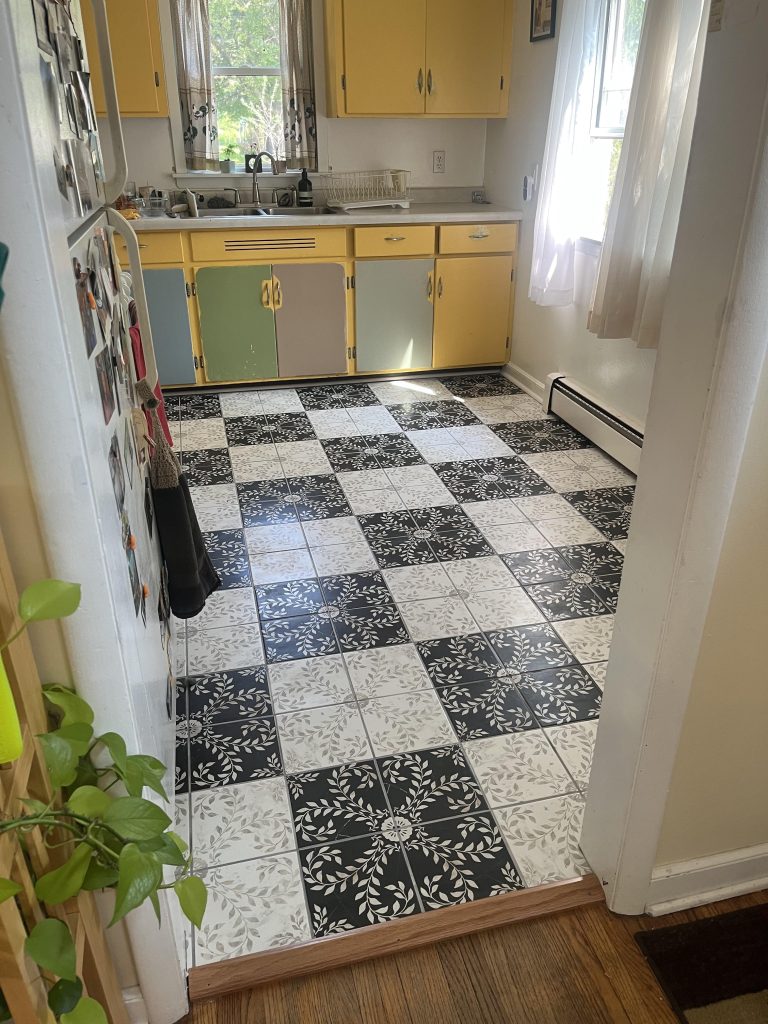
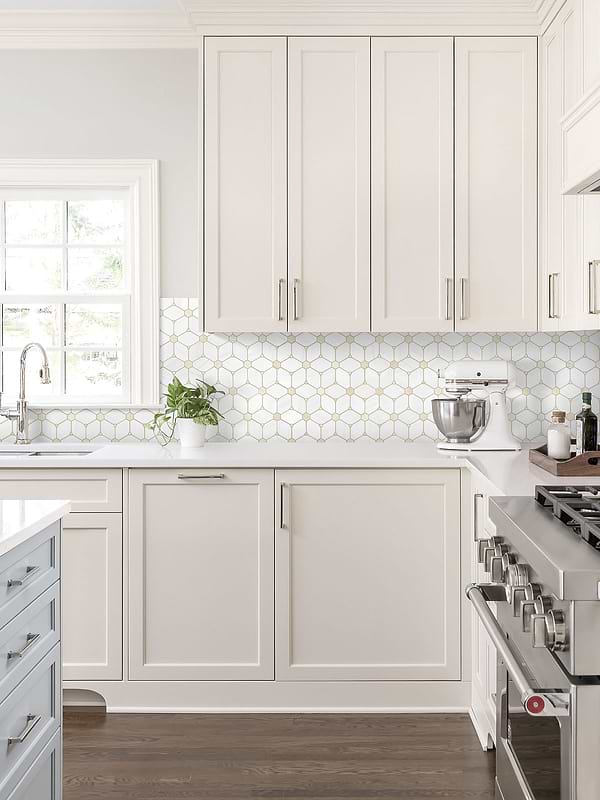
Tile size and shape can dramatically affect the price of your project. Larger tiles may reduce the number of tiles needed, potentially lowering labor costs. However, they require precise installation, which can increase labor fees. Smaller tiles or uniquely shaped tiles, like hexagonal ones, can add a unique flair but may be more labor-intensive to install. Think about the visual impact you want to achieve and how much you’re willing to spend on labor.
Labor Costs
Labor is one of the most significant components of tiling costs. Rates can vary based on your location and the complexity of the job. A straightforward installation in a small kitchen might cost less than a larger, more intricate layout. Consider getting multiple quotes from contractors to ensure you’re getting a fair deal. Also, ask about any additional costs that might come up during the installation process.
Preparation And Installation
Preparation is key to a successful tiling job and can impact costs. If your kitchen floor requires leveling or the removal of old tiles, these tasks will add to your total expense. Installation costs can also vary depending on the complexity of your tile pattern. Simple layouts are generally more affordable, while intricate designs demand more time and skill. Are you prepared to pay extra for a custom pattern, or do you prefer a more straightforward approach to save money? By understanding these factors, you can better plan your tiling project and ensure it fits within your budget. Your kitchen floor not only sets the tone for your home but also affects your daily life. Choose wisely, and you’ll enjoy a beautiful, functional space for years to come.
Material Costs
Choosing the right tiles for your kitchen floor is crucial. It affects the look, feel, and cost of your renovation. Material costs vary based on the type of tile selected. Different tiles have different price points, and each brings its own charm and durability.
Ceramic Tiles
Ceramic tiles are popular for kitchen floors. They are affordable and versatile. Prices range from $0.50 to $15 per square foot. The cost depends on the design and quality. Ceramic tiles are easy to clean and maintain. They offer various colors and patterns.
Porcelain Tiles
Porcelain tiles are stronger and denser than ceramic. They resist water and stains well. Prices typically range from $3 to $30 per square foot. These tiles are ideal for high-traffic areas. Porcelain offers a sleek and elegant finish.
Natural Stone Options
Natural stone tiles add luxury to your kitchen. Options include granite, marble, and slate. Prices vary widely, from $5 to $50 per square foot. Stone tiles require more maintenance. They are durable and unique in appearance.
Glass And Mosaic Tiles
Glass and mosaic tiles create stunning visual effects. They are often used for accents. Costs can range from $7 to $30 per square foot. These tiles are perfect for adding flair to your kitchen. Their reflective nature enhances light and space.
Labor And Installation Expenses
Labor and installation expenses are crucial when tiling a kitchen floor. They can significantly affect your budget. Understanding these costs helps you make informed decisions. Whether hiring a professional or doing it yourself, each option has unique benefits and challenges. Let’s explore how labor impacts the overall expense of tiling your kitchen floor.
Professional Installation Rates
Professional tile installers charge based on several factors. The size of your kitchen matters. Larger spaces often mean higher costs. The complexity of the tile layout affects rates too. Intricate patterns may require skilled labor, increasing expenses. The type of tile influences charges. Natural stone tiles often cost more to install. Labor rates vary by region. Urban areas might have higher costs due to demand.
Professional installers offer expertise. They ensure tiles are properly laid. Their work minimizes future issues. Paying for quality labor can save money in the long run. Some professionals offer warranties. This adds value to your investment. Always get multiple quotes. Compare prices and services before hiring.
Diy Installation Savings
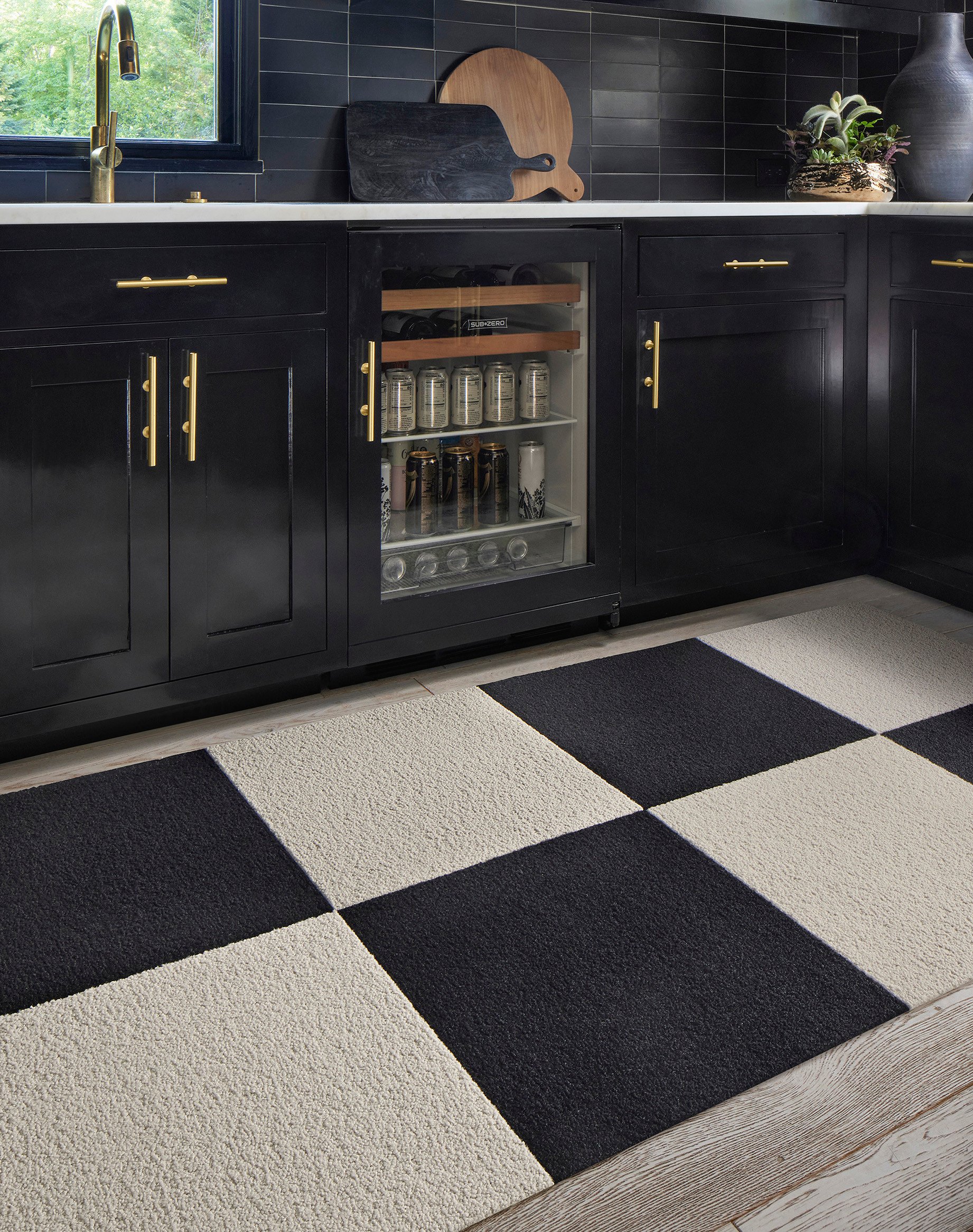
DIY installation can save you money. You avoid labor costs. This is often a significant portion of the budget. With the right tools, you can achieve a good finish. Many resources are available to guide you. Online tutorials and guides help with each step.
Consider the time it takes. DIY projects can be time-consuming. Assess your skills honestly. Mistakes can lead to additional expenses. Buying the correct tools is essential. This might be an upfront cost. Calculate savings versus potential risks. DIY projects offer flexibility. You can work at your own pace. This might suit your schedule better.
Credit: www.flor.com
Additional Expenses
Hidden costs can increase the total price of tiling a kitchen floor. Consider expenses like underlayment materials and grout. Labor fees for removal of old flooring may also apply.
Additional expenses can often catch you off guard when budgeting for a kitchen floor tiling project. It’s easy to overlook these costs, but being aware of them can save you from unpleasant surprises down the road. From preparing the subfloor to sealing and finishing, understanding these components will help you plan effectively and avoid unnecessary stress.
Subfloor Preparation
Preparing the subfloor is crucial for ensuring a long-lasting tile installation. You might need to fix any uneven areas or replace damaged sections, which can add to your expenses. Consider renting specialized tools for leveling the floor, or hiring a professional if the task seems daunting. Imagine the frustration of having to redo a section because the subfloor wasn’t properly prepared.
Grout And Adhesive
Grout and adhesive are essential for keeping your tiles in place and maintaining their appearance. While they might seem minor, the costs can add up, especially if you opt for higher-quality materials. Think about the long-term benefits of investing in durable grout and adhesive. Would you rather spend a bit more now or face costly repairs later?
Sealing And Finishing
Sealing and finishing are the final touches that protect your tiles and enhance their look. High-quality sealants can prevent moisture damage and staining, but they come at a price. Reflect on your kitchen usage: frequent cooking and spills might necessitate a stronger sealant. Could this be the key to maintaining your floor’s pristine condition?
Cost-saving Tips
Tiling a kitchen floor doesn’t need to break the bank. Many homeowners seek ways to cut costs without sacrificing style. Here are some effective cost-saving tips to consider for your kitchen tiling project.
Choosing Budget-friendly Materials
Opt for ceramic tiles instead of porcelain. Ceramic tiles are often cheaper and come in many styles. Consider vinyl tiles for an even lower cost. They’re easy to install and maintain. Look for tiles that mimic more expensive materials. This can give you a high-end look for less.
Opting For Simple Designs
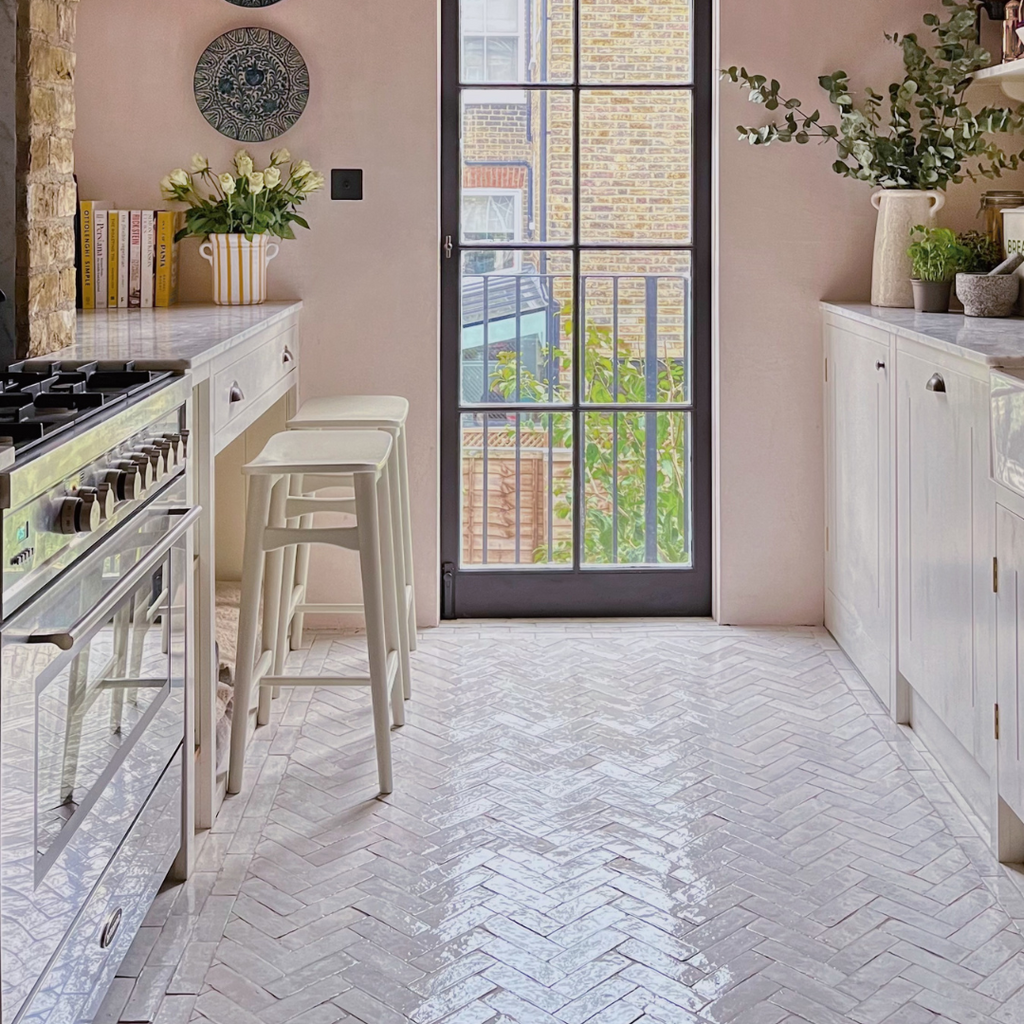
Avoid complex patterns that require precise cuts. These can increase labor costs. Simple, straight-line layouts are easier and faster to install. Choose larger tiles to cover more area with fewer pieces. This reduces both material and labor costs.
Utilizing Sales And Discounts
Watch for sales at local home improvement stores. End-of-season sales can offer significant savings. Sign up for newsletters to receive exclusive discounts. Buy in bulk if possible. This often reduces the price per tile.
Credit: www.bertandmay.com
Estimating Total Cost
Estimating the total cost to tile a kitchen floor involves considering tile price, labor, and preparation expenses. Tile type and square footage significantly impact the budget. Proper planning ensures an accurate cost estimate.
Estimating the total cost of tiling a kitchen floor involves several key steps. Understanding these steps helps ensure you stay within budget and avoid surprises. This section breaks down the process into manageable parts, guiding you through each phase of calculation and planning.
Calculating Square Footage
To start, measure the kitchen floor area. Use a tape measure for accuracy. Multiply the length by the width to get the square footage. This number determines how many tiles you’ll need. Remember to add a bit more for cuts and mistakes. This ensures you have enough tiles without running short.
Comparing Quotes
Get quotes from multiple tile suppliers. Compare prices and quality. Look for deals or discounts. Some suppliers offer installation services. This might affect the total cost. Check online reviews for reliability. This helps in choosing the best option within budget.
Budgeting For Unexpected Costs
Unexpected costs can arise. Set aside extra funds for unforeseen issues. Consider costs like delivery fees or tile wastage. This financial cushion can save stress. A well-planned budget includes these potential expenses. Being prepared helps avoid budget overruns.
Credit: www.tiktok.com
Frequently Asked Questions
How Much Should It Cost To Tile A Kitchen Floor?
Tiling a kitchen floor typically costs $7 to $25 per square foot. Prices vary based on tile material and installation complexity. Ceramic tiles are more affordable, while natural stones are pricier. Labor charges differ by region. Always compare quotes from multiple contractors for accurate estimates.
How Much Does It Cost To Get A Kitchen Floor Tiled?
Tiling a kitchen floor costs $10 to $30 per square foot. Prices vary based on tile type and installation complexity. Budget-friendly options include ceramic, while natural stones are pricier. Labor costs also affect the total price. Always get multiple quotes for accurate pricing.
How Much Do Tilers Charge To Tile A Floor?
Tilers typically charge $5 to $15 per square foot to tile a floor. Prices vary by location and tile type. Labor costs may differ based on the complexity of the job. Always compare quotes and verify credentials before hiring. Consider quality and experience for the best results.
Is Tile A Good Idea For A Kitchen Floor?
Tile is an excellent choice for kitchen floors. It’s durable, water-resistant, and easy to clean. Tiles come in various styles and colors, offering design flexibility. They can withstand heavy foot traffic, making them ideal for busy kitchens. Consider slip-resistant options for added safety.
Conclusion
Budgeting for kitchen floor tiles requires careful planning. Consider tile costs, installation fees, and maintenance. Compare different materials to find the best fit for your space. Get quotes from various contractors to ensure competitive pricing. Remember, quality matters for long-term savings.
Choose durable tiles that withstand daily kitchen activities. Seek expert advice if unsure about tile choices. Proper installation ensures lasting beauty and functionality. Your kitchen floor can enhance your home’s value and aesthetic appeal. Enjoy a stylish and functional floor that meets your budget needs.