How to Clear a Kitchen Sink Drain: Step-by-Step Guide
Executive Chef & Lead Commercial Kitchen Specialist at Daily Kitchup Test Lab
Is your kitchen sink drain clogged again? It’s one of those pesky problems that can turn cooking into a frustrating ordeal.
But here’s the good news: you don’t need to be a plumbing expert to tackle this issue. Clearing a kitchen sink drain is easier than you might think. Imagine the satisfaction of watching the water swirl down effortlessly, knowing you fixed it yourself.
In this guide, we’re going to show you simple, step-by-step techniques to make your sink drain like a charm. Stick around, because by the end of this article, you’ll have the confidence and know-how to handle any clog that comes your way. Ready to reclaim your kitchen and say goodbye to stubborn drains? Let’s dive in!
Identify The Problem
Start by identifying the issue causing the blockage. Check if food particles or grease are accumulating. Listen for unusual sounds or slow drainage to pinpoint the problem.
Identifying the problem with your kitchen sink drain is crucial. It helps you decide on the best solution. A clogged drain can interrupt daily activities and cause frustration. Knowing the signs and causes can save time and effort. Below, explore the telltale signs and common reasons for blockages.Signs Of A Clogged Drain
A slow-draining sink is a clear indicator. Water takes longer to disappear. You might notice standing water that refuses to drain. A gurgling sound as the water drains is another hint. It signals trapped air in the pipes. Unpleasant odors coming from the drain are a warning. They suggest decomposing food or other debris. If you see bubbles when the water drains, there’s a problem. It means air is struggling to move through the pipes.Common Causes Of Blockage
Food particles often block kitchen drains. Small bits can accumulate over time. Grease is a frequent offender. It solidifies and narrows the pipes. Soap residue can contribute to the problem too. It combines with other debris to form clogs. Hair might also make its way into the drain. It tangles and traps other materials. Sometimes foreign objects accidentally fall into the sink. They become lodged and obstruct the flow.Gather Necessary Tools
Before you dive into clearing your kitchen sink drain, it’s crucial to gather the necessary tools to make the process smooth and efficient. Having the right equipment at hand not only saves time but also prevents frustration. Let’s look at what you’ll need to tackle this common household task.
Essential Tools And Materials
- Plunger:A trusty plunger can often be the first line of defense against a clogged drain. Make sure it’s a cup plunger, ideal for flat surfaces like a sink.
- Drain Snake:For stubborn clogs, a drain snake can reach deep into your pipes and dislodge debris. It’s a simple tool that can make a big difference.
- Baking Soda and Vinegar:This natural solution can help break down grease and grime without harsh chemicals. It’s always good to have these in your kitchen.
- Bucket:Keep a bucket handy to catch any water or debris that might spill when you’re working on the drain.
- Gloves:Protect your hands with a good pair of rubber gloves, especially if you need to handle any dirty or sharp objects.
Safety Precautions
Safety should be your priority. Ensure your workspace is clean and dry to avoid slipping.
- Turn off water supply:Before starting, always turn off the water supply to prevent accidental flooding.
- Use proper lighting:Good lighting helps you see clearly, especially when dealing with small parts or intricate spaces.
- Be mindful of sharp tools:If you’re using tools like a drain snake, handle them carefully to avoid injury.
Have you ever started a task only to realize you’re missing a crucial tool? Avoid that stress by preparing in advance. What other tools do you keep handy for household repairs?
Remove Visible Debris
Clearing a kitchen sink drain can be simple with a few steps. Start by removing visible debris to prevent clogs and keep the sink clean. This initial step helps improve drainage and maintain hygiene.
Clearing The Sink Area
Begin by clearing the surrounding area. Remove all items like dishes and utensils. Wipe down the sink to remove any food particles. This ensures better access to the drain.
Use a damp cloth to clean the edges. Pay attention to the corners where grime can collect. This quick wipe-down prepares the sink for the next step.
Using A Drain Basket
A drain basket is useful for catching debris. Place it over the drain to collect large particles. It can prevent them from entering the pipes.
Choose a basket that fits your sink size. Regularly empty it to maintain its effectiveness. This simple tool can save you from frequent clogs.
Consider using a basket with small holes. It can catch even tiny bits of food. This prevents blockage and keeps the drain clear.
Credit: www3.drano.com
Frequently Asked Questions
What’s The Best Way To Unclog A Kitchen Sink Drain?
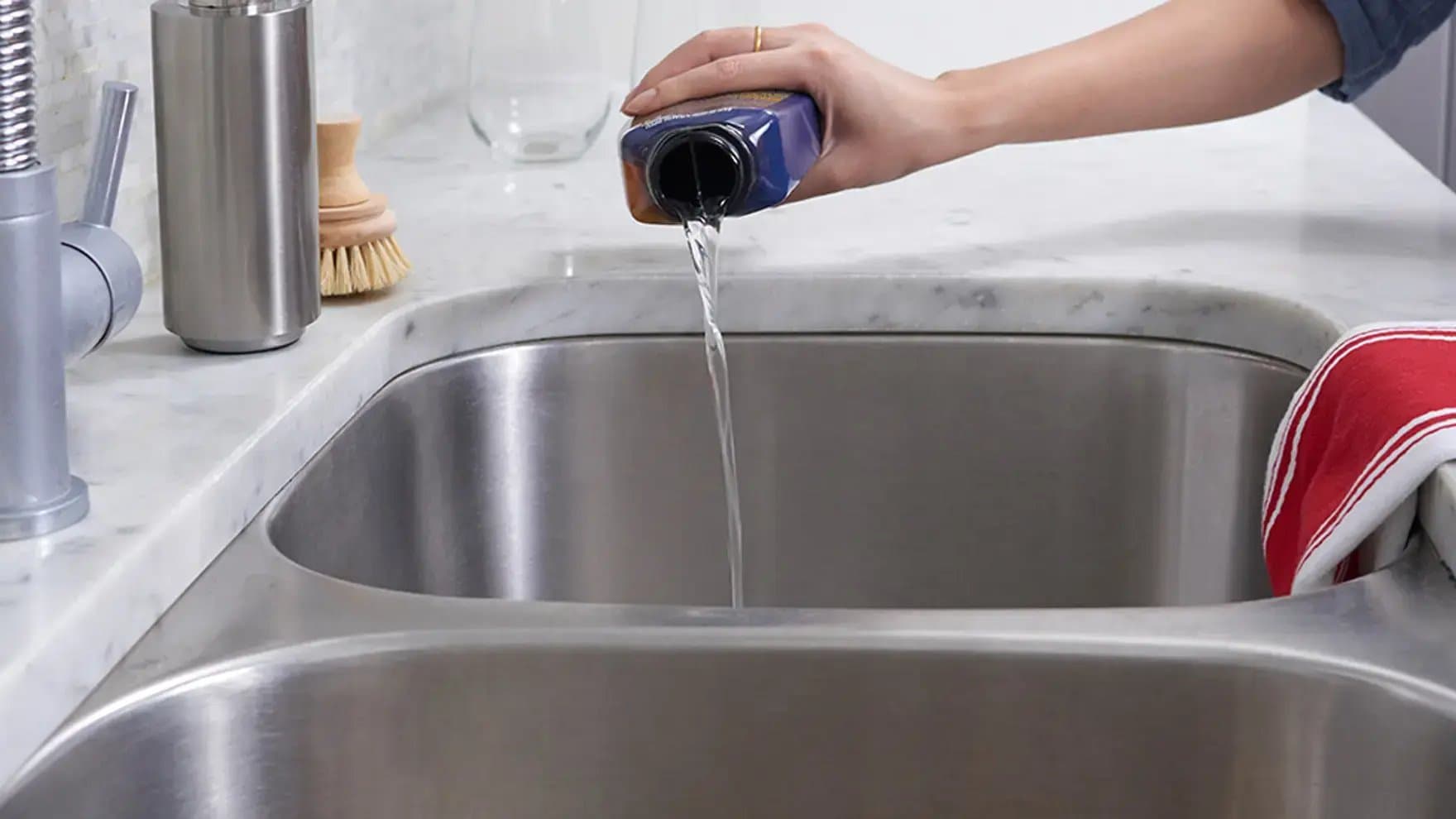
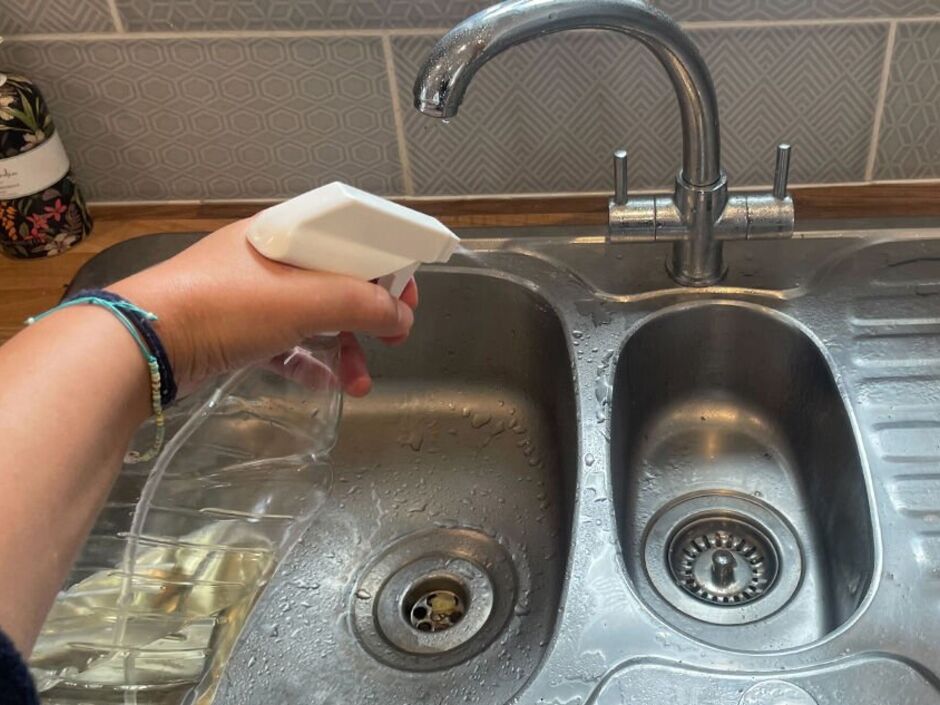
Use baking soda and vinegar to unclog a kitchen sink drain. Pour half a cup of baking soda, then a cup of vinegar. Let it sit for 15 minutes. Rinse with hot water. This natural method is effective and eco-friendly.
Repeat if necessary for stubborn clogs.
What Will Dissolve Food Stuck In The Drain?
Use baking soda and vinegar to dissolve food stuck in the drain. Pour half a cup of baking soda, then add half a cup of vinegar. Let it fizz for 15 minutes, then flush with hot water. This natural method effectively clears the blockage and is eco-friendly.
What Will Dissolve Hair In A Drain?
Use baking soda and vinegar to dissolve hair in a drain. Pour baking soda, then vinegar. Wait for 15 minutes. Flush with hot water. Commercial drain cleaners can also help. Always follow safety instructions. Regular maintenance prevents clogs. Keep drains clean for optimal flow.
What Liquid Do Plumbers Use To Unclog Drains?
Plumbers often use enzyme-based drain cleaners or chemical solutions like sulfuric acid or sodium hydroxide. These effectively dissolve clogs.
Conclusion
Clearing a kitchen sink drain is simple with the right steps. Start by removing visible debris. Then, use a plunger to loosen any blockages. Don’t forget to mix baking soda and vinegar for a natural solution. This combination often works wonders.
If the clog persists, try a plumber’s snake. Keep your drain clear by avoiding grease and large food scraps. Regular maintenance prevents future clogs. Follow these tips to ensure your sink drains smoothly. A clean drain means less hassle and more time for cooking.
Enjoy a fresh and functional kitchen!

Similar Posts