How to Clear Kitchen Drain: Quick & Easy Solutions
Executive Chef & Lead Commercial Kitchen Specialist at Daily Kitchup Test Lab
Imagine this: you’re cooking a delicious meal, and suddenly, your kitchen sink starts filling up with water. You’ve got a clogged drain, and it’s not just frustrating—it can completely derail your culinary plans.
But don’t worry. Understanding how to clear a kitchen drain is simpler than you might think, and it can save you both time and money. In this guide, you’ll discover easy-to-follow steps to tackle this common household issue. You’ll learn why kitchen drains get clogged, and more importantly, how you can fix the problem without calling in a professional.
This means you can focus more on what you love—cooking and enjoying your meals—without the stress of a blocked sink. Dive in to find out how to keep your kitchen running smoothly and your worries at bay.
Common Causes Of Kitchen Drain Clogs
Kitchen drain clogs can be frustrating. Understanding their causes helps prevent them. Common clogs are often due to food particles, grease, and foreign objects.
Food Particles
Food leftovers frequently slip into the drain. These tiny bits gather and block pipes over time. Pasta and rice are major culprits. They swell with water and cling to drain walls. Coffee grounds also cause issues. They mix with oils and create stubborn clogs.
Grease And Oil Buildup
Grease from cooking sticks to pipes easily. It hardens as it cools. This solid layer traps other debris and restricts water flow. Oils like those from salad dressings or fried foods are problematic. They mix with soap and form sludge.
Foreign Objects
Items not meant for sinks are problematic. Small utensils or bottle caps sometimes fall in accidentally. These objects obstruct water flow. Scraps of paper or bits of plastic can also lead to clogs. Pay attention to what goes down the drain.
Credit: www3.drano.com
Frequently Asked Questions
What Is The Best Way To Unclog A Kitchen Drain?
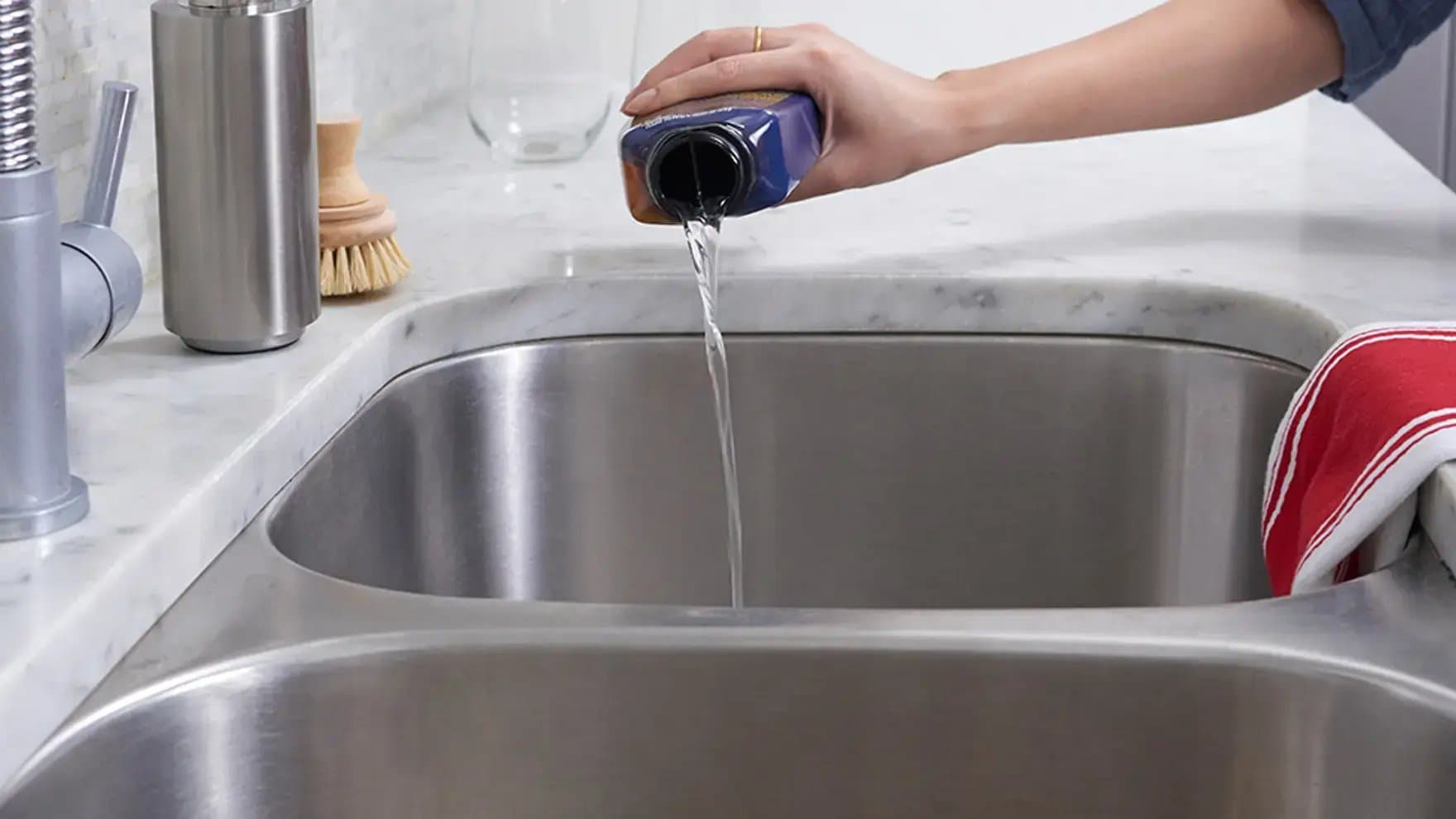
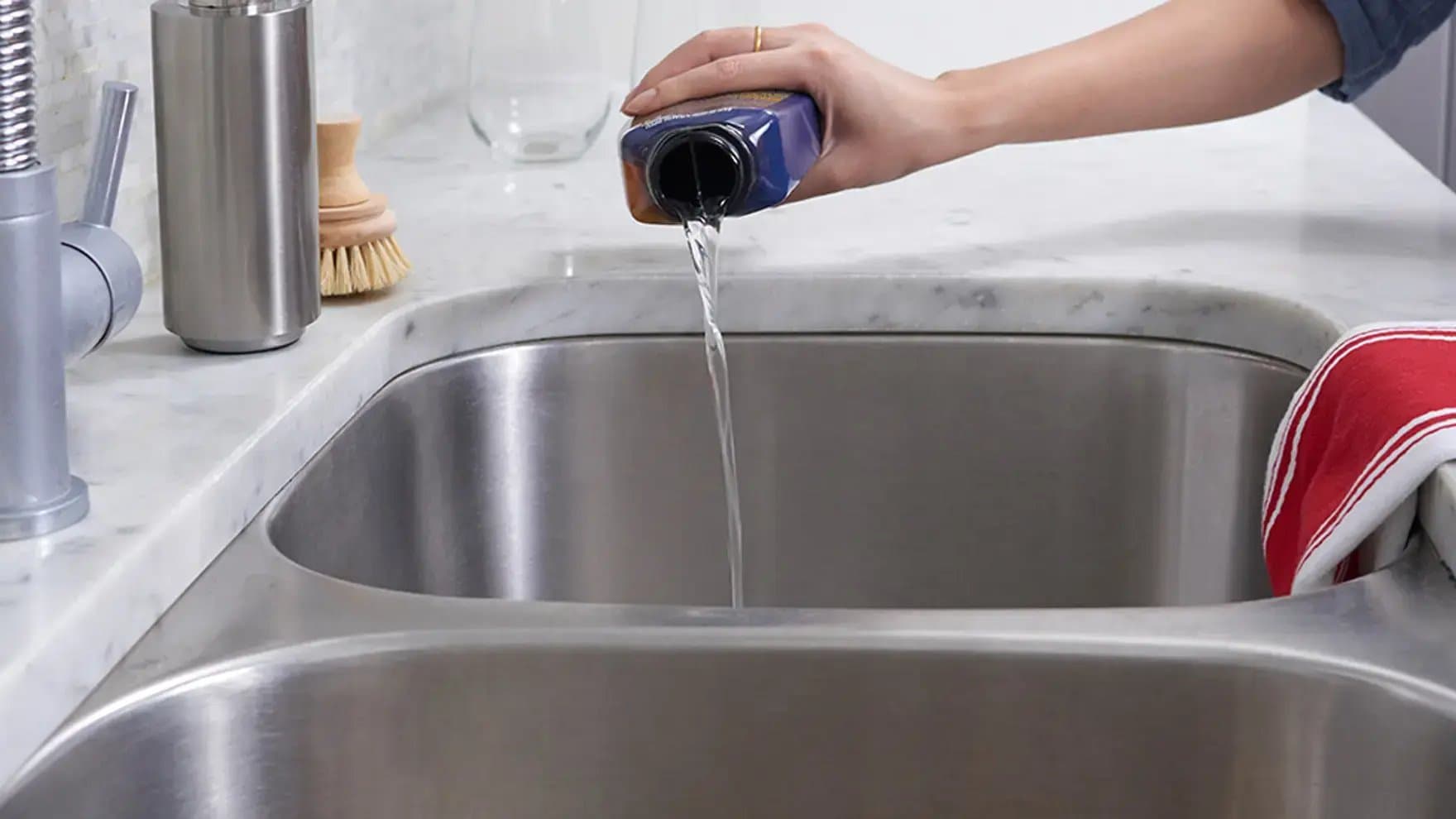
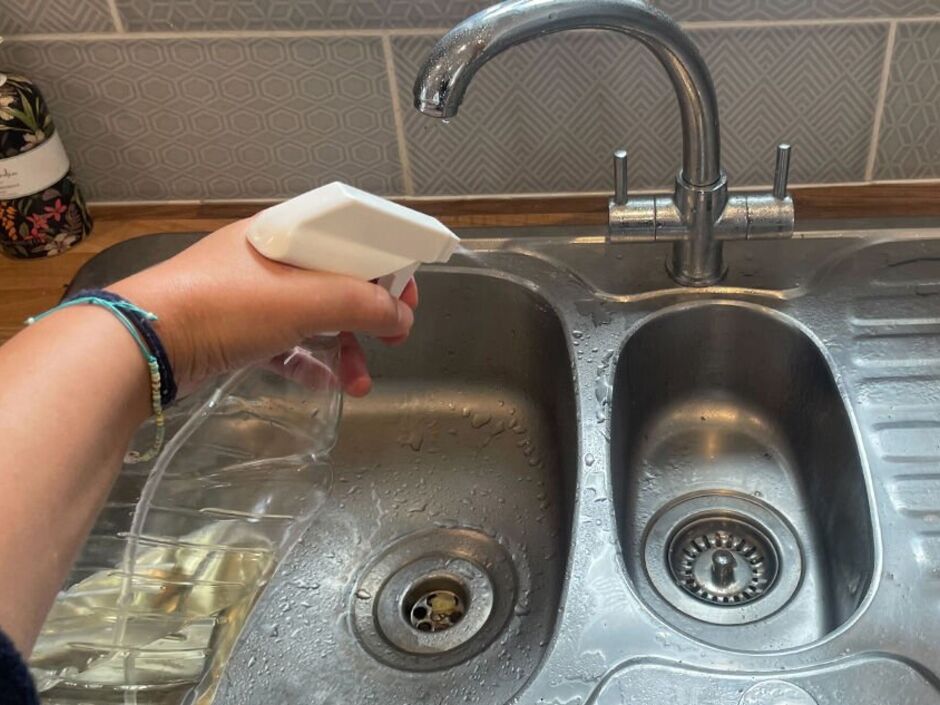
Use a mixture of baking soda and vinegar. Pour half a cup of baking soda, then half a cup of vinegar into the drain. Let it sit for 15 minutes. Rinse with boiling water to clear the clog. Repeat if necessary for stubborn clogs.
What Will Dissolve Food Stuck In The Drain?
Use baking soda and vinegar to dissolve food stuck in the drain. Pour baking soda first, then vinegar. Let it fizz, wait 10 minutes, and flush with hot water. This method effectively clears blockages while being eco-friendly and non-toxic. Repeat if necessary for stubborn clogs.
What Will Dissolve Hair In A Drain?
Baking soda and vinegar can effectively dissolve hair in drains. Pour baking soda, then vinegar, and let it fizz. After 15 minutes, flush with hot water. Enzyme-based drain cleaners also dissolve hair naturally. Avoid harsh chemicals to prevent pipe damage.
Regular maintenance helps keep drains clear.
What Liquid Do Plumbers Use To Unclog Drains?
Plumbers often use liquid drain cleaners containing sulfuric acid or sodium hydroxide to unclog drains. These chemicals dissolve grease, hair, and other blockages effectively. Always use caution and protective gear when handling these substances. For stubborn clogs, professional plumbers may opt for mechanical methods like snaking or hydro-jetting.
Conclusion
Clearing your kitchen drain doesn’t have to be hard. Use simple tools. Keep basic supplies handy. Regular maintenance prevents clogs. Avoid pouring grease down the sink. Baking soda and vinegar work wonders. Hot water can help too. These steps make your drain flow smoothly.
A clean drain means a happier kitchen. Say goodbye to unpleasant smells. Your kitchen stays fresh. Remember, small actions lead to big results. Enjoy cooking without worry. Keep your kitchen efficient and clean. Follow these tips for a hassle-free experience.

Similar Posts