How to Drain Kitchen Sink: Quick & Easy Guide
Is your kitchen sink refusing to drain? You’re not alone.
A clogged kitchen sink can turn meal prep and cleanup into a frustrating ordeal. But don’t worry—help is at hand. This guide will show you how to drain your kitchen sink quickly and efficiently. With just a few simple steps, you can restore your sink to its full, free-flowing glory.
Imagine the relief of watching water swirl down the drain instead of pooling up to your elbows. You don’t need a plumber or a toolbox full of fancy gadgets. All you need is a little know-how and some common household items. Ready to take control and restore order to your kitchen? Let’s dive in!

Credit: aslanplumbing.ca
Essential Tools
Essential tools for draining a kitchen sink include a plunger, a bucket, and a wrench. These simple items can effectively clear blockages and ensure smooth water flow. Regular maintenance with these tools can prevent plumbing issues.
Draining a kitchen sink can seem daunting. With the right tools, it becomes much simpler. Having essential tools on hand not only eases the process but also saves time.Pipe Wrench
A pipe wrench is vital for loosening stubborn nuts. It’s adjustable and grips tightly, making it perfect for plumbing tasks. Ensure you have a sturdy one for effective results.Plunger
Plungers are crucial for dislodging blockages. They create suction, clearing clogs efficiently. Opt for a heavy-duty plunger for best outcomes.Bucket
A bucket is necessary to catch water and debris. Place it under the sink to avoid mess. Choose a large bucket for ample space.Flashlight
A flashlight helps in dark or hard-to-reach areas. It illuminates the workspace, ensuring you don’t miss any detail. Keep a bright flashlight handy.Gloves
Gloves protect your hands from dirt and sharp objects. Use durable gloves for safety and comfort. They also provide a better grip.Pliers
Pliers assist in gripping and turning small parts. They are versatile and essential for tightening and loosening. Choose a strong pair for reliability. These tools form the backbone of a successful sink draining process. With them, you can tackle any challenge your kitchen sink presents.Safety Precautions
Ensure the kitchen sink area is well-lit before draining. Wear rubber gloves to protect your hands from debris. Keep a bucket handy to catch any water spills.
Draining a kitchen sink may seem straightforward. Yet, safety should always come first. Taking proper precautions ensures a hassle-free process. This also prevents potential accidents or damage.Wear Protective Gloves
Use gloves to protect your hands. Chemicals and debris can be harmful. Gloves also offer a better grip on tools.Turn Off Water Supply
Before starting, ensure the water supply is off. This prevents unexpected leaks or spills. It makes the task easier and safer.Unplug Electrical Devices
Remove any electrical appliances near the sink. Water and electricity don’t mix well. Keeping devices away avoids risk of shock.Ensure Proper Ventilation
Open windows or use a fan for fresh air. This is essential if using chemical cleaners. Proper ventilation protects against harmful fumes.Use Safety Goggles
Wear goggles to shield your eyes. Splashes or debris can cause injury. Goggles add an extra layer of protection.Keep Children And Pets Away
Ensure kids and pets are not around. They could accidentally interfere or get hurt. This keeps the area secure for everyone.Identify The Cause
Understanding why your kitchen sink is not draining is essential. Before attempting any fixes, identify the cause. This approach ensures effective and lasting solutions.
Check For Clogs
Clogs are the most common reason for slow drainage. Use a flashlight to examine the sink drain. Look for visible blockages like food particles or grease buildup. A plunger can often help dislodge these clogs. If that doesn’t work, try a plumbing snake. Insert it into the drain to break up stubborn debris.
Inspect The P-trap
The P-trap is the U-shaped pipe under your sink. It can collect debris over time, causing blockages. Place a bucket beneath it to catch any water. Unscrew the slip nuts and remove the trap. Clean it thoroughly to ensure water flows freely.
Assess The Garbage Disposal
Sometimes, the garbage disposal can cause drainage issues. Ensure it is switched off before inspecting. Check for any blockages inside. Use a flashlight to look for jammed objects. If it’s not spinning, use the reset button underneath. A hex key can help manually rotate the blades and clear jams.
Unclogging Methods
Unclog a kitchen sink by using a plunger to create suction. Boiling water can help dissolve grease buildup. Baking soda and vinegar offer a natural solution, breaking down blockages. For persistent clogs, a plumbing snake can reach deeper areas. Regular maintenance prevents future issues.
Unclogging a kitchen sink can be a daunting task. But with the right methods, it becomes much easier. Here are some simple yet effective ways to tackle a clogged sink. These techniques use common household items and tools, making them accessible for everyone.Plunger Technique
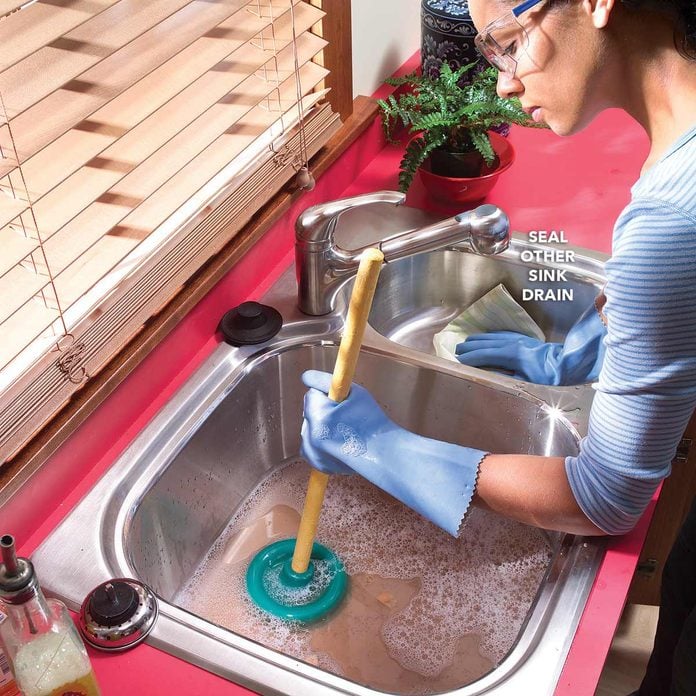
A plunger is a handy tool for unclogging sinks. First, fill the sink with some water. This helps create a seal around the plunger. Place the plunger cup over the drain. Ensure it covers the hole completely. Push down and then pull up with force. Repeat this several times. The suction can dislodge the clog. Test the drain to see if water flows freely. If not, try again.Baking Soda And Vinegar
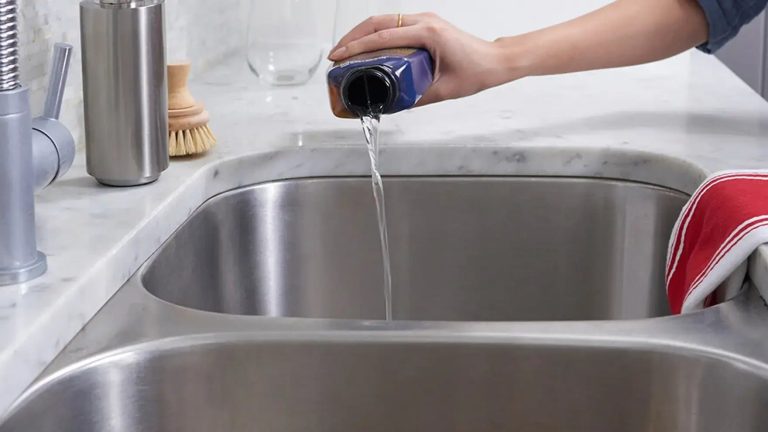
This method uses natural ingredients. Pour half a cup of baking soda into the drain. Follow it with a cup of vinegar. The mixture will fizz and bubble. Let it sit for 15 minutes. This reaction helps break down the clog. After waiting, pour hot water down the drain. This clears any remaining debris. Repeat if necessary for stubborn clogs.Using A Drain Snake
A drain snake is a flexible tool. It reaches deep into the pipes. Insert the snake into the drain. Turn the handle to push it further. When you feel resistance, you’ve hit the clog. Rotate the snake to break it apart. Slowly pull the snake out. Clean any debris from the tool. Run water to check if the clog is gone. This method is effective for tough blockages.Cleaning The P-trap
Cleaning the P-Trap is crucial for a clear kitchen sink. A clogged P-Trap often causes slow draining or foul odors. Regular maintenance can prevent these issues. It’s simpler than it seems. You can handle it easily with some basic tools. Let’s explore the steps for cleaning your P-Trap efficiently.
Removing The P-trap
First, gather your tools. You’ll need a bucket, wrench, and gloves. Place the bucket under the P-Trap. This catches any water or debris. Now, use the wrench to loosen the nuts on both ends. Carefully remove the trap. Keep an eye out for any trapped gunk. Often, this is the source of blockages.
Cleaning And Reassembly
Once removed, clean the P-Trap thoroughly. Use warm water and a brush. Make sure to remove all debris inside. Inspect the trap for any damage or wear. If damaged, replacement might be necessary. After cleaning, reassemble the P-Trap. Tighten the nuts securely. Ensure no leaks are present. Run water to test the connection. Your sink should now drain smoothly.
Credit: www.familyhandyman.com
Maintaining A Clear Drain
Ensuring a clear kitchen sink involves regular maintenance and unclogging. Begin by removing visible debris and use a plunger to dislodge blockages. Pour a mix of baking soda and vinegar down the drain, then flush with hot water to clear any remaining buildup.
Maintaining a clear drain is essential for a functional kitchen. Regular attention prevents clogs and unpleasant odors. By adopting some simple habits, you can keep your kitchen sink in optimal condition.Regular Cleaning Tips
Routine cleaning ensures a smooth flow of water. Use baking soda and vinegar. Pour half a cup of baking soda down the drain. Follow with half a cup of vinegar. Let it fizz for 15 minutes. Rinse with hot water. This method clears minor blockages. Avoid using harsh chemicals frequently. They may damage pipes over time. Instead, opt for natural solutions. Keep your sink free from food particles. Dispose of waste in the trash, not the drain.Preventive Measures
Preventive steps protect your kitchen sink from future clogs. Use a drain strainer. It catches food scraps and debris. Empty the strainer regularly. This simple tool prevents blockages. Avoid pouring grease down the sink. It solidifies and clogs pipes. Collect grease in a container and dispose of it properly. Run hot water through the drain weekly. This helps dissolve any build-up. Teach family members these habits. A little care goes a long way in maintaining a clear drain.When To Call A Professional
Persistent clogs require expert intervention. Unusual odors or leaks signal it’s time for professional help. Avoid DIY disasters; call a plumber.
When faced with a stubborn kitchen sink drain, you might wonder if it’s time to call a professional. While many drain issues can be resolved with simple tools and techniques, some situations demand expert intervention. Knowing when to seek professional help can save time and prevent further damage. Here are key scenarios indicating it’s time to consult a plumber.Persistent Blockages
If the sink remains clogged despite your best efforts, call a professional. Persistent blockages often signal deeper issues within the plumbing system.Foul Odors
Unpleasant smells coming from the drain can point to serious problems. A professional can diagnose and fix the source of the odor.Frequent Leaks
Leaks that keep returning may indicate worn-out pipes or seals. Professionals have the tools to identify and repair leaks effectively.Unusual Noises
Gurgling or banging sounds from the sink are signs of trouble. A plumber can pinpoint the problem and ensure your system operates smoothly.Slow Drainage
If water drains slowly despite cleaning efforts, there may be a blockage deeper in the pipes. Professionals can address these hard-to-reach clogs.Visible Pipe Damage
Cracks or corrosion in pipes require immediate attention. Experts can assess the damage and prevent further complications.
Credit: www.youtube.com
Frequently Asked Questions
How Do I Get My Kitchen Sink To Drain?
Use a plunger to clear minor clogs. Pour baking soda and vinegar, then flush with hot water. Check the sink trap for blockages and clean if necessary. Use a plumber’s snake for stubborn clogs. If problems persist, contact a professional plumber for assistance.
How To Drain A Kitchen Sink With Standing Water?
Remove debris from the sink drain. Use a plunger to create suction and dislodge blockage. Pour boiling water to clear remaining clogs. If needed, use a drain snake for stubborn obstructions. Repeat until water drains. Regular maintenance prevents future blockages.
How To Take A Drain Off A Kitchen Sink?
To remove a kitchen sink drain, first, place a bucket under the sink. Loosen the slip nuts with a wrench. Detach the P-trap and remove the drain flange. Clean any residue and old plumber’s putty. Install a new drain if necessary.
How Do I Turn The Water Off To My Kitchen Sink?
Locate the shut-off valves under the sink. Turn the valve handles clockwise to stop water flow. Ensure both hot and cold water valves are closed. This prevents any leaks and allows you to work on the sink. Test the faucet to confirm the water is off.
Conclusion
Draining a kitchen sink is simple with the right steps. Check for clogs first. Clear debris using a plunger or plumber’s snake. Always have towels handy to catch spills. Regular maintenance prevents future issues. Clean pipes with vinegar and baking soda monthly.
This reduces clogs and keeps drains fresh. If problems persist, consider professional help. Professionals ensure proper drainage and prevent damage. A well-drained sink keeps your kitchen running smoothly. Enjoy a hassle-free cooking space. Remember, small actions make a big difference.
Keep your kitchen sink clear and functional. A clean drain means a happy kitchen.