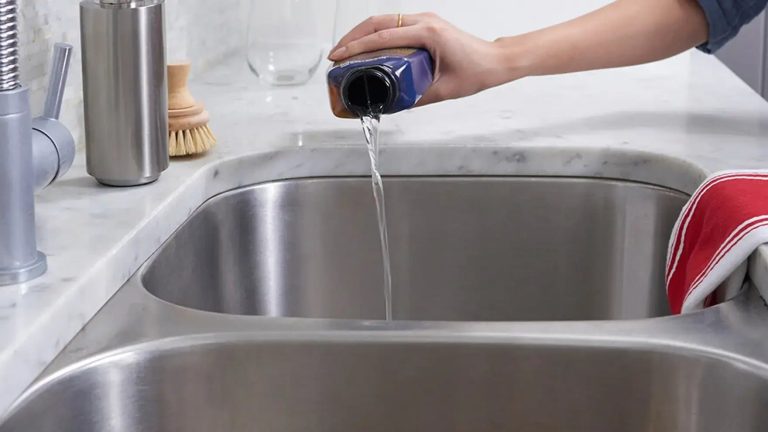
How to Get Smell Out of Kitchen Sink Drain: Expert Tips
Is a foul odor emanating from your kitchen sink drain making your cooking haven less inviting? You’re not alone.
Many homeowners face this common yet frustrating issue. That unpleasant smell can quickly turn your kitchen from a place of joy into a source of stress. But don’t worry; there’s a solution that’s simpler than you might think. Imagine a fresh, clean aroma greeting you every time you step into your kitchen.
It’s time to reclaim your space! In this guide, you’ll discover easy, effective methods to banish those stubborn odors for good. With just a few simple steps, your kitchen can smell as good as it looks. Keep reading to learn how you can transform your kitchen sink drain from a source of irritation to a breath of fresh air.
Common Causes Of Drain Odors
Kitchen sink drains can develop unpleasant odors over time. Understanding these common causes can help you address the issue effectively. Knowing what contributes to the smell can also prevent it from recurring. Let’s explore the main culprits behind those unwelcome drain odors.
Food Residue And Grease
Bits of food often get washed down the drain. Over time, they can stick to the pipe walls. Grease from dishes or cooking can build up as well. This sticky residue can rot and produce foul odors. Regular cleaning helps reduce this buildup. Consider using a strainer to catch food particles.
Bacterial Growth
Drains provide a moist environment. Bacteria thrive in these conditions. As they grow, they produce gases. These gases often have a bad smell. Cleaning the drain with hot water and vinegar can help. Disinfectants can also kill bacteria and keep odors away.
Stagnant Water
Sometimes water doesn’t drain properly. It can sit in the pipes for too long. This stagnant water can start to smell. It may contain soap scum and other residues. Ensure your drain system is clear and flows well. Flushing the drain regularly can help avoid stagnant water issues.
Basic Cleaning Techniques
Sometimes, kitchen sink drains develop unpleasant smells. Regular cleaning can help eliminate these odors. Simple, basic techniques can keep your kitchen smelling fresh. Let’s explore some effective methods.
Hot Water And Dish Soap
Hot water helps dissolve grease and food particles. Pour boiling water down the sink. Then, add dish soap. The soap breaks down residue. Rinse with more hot water. Repeat weekly to maintain freshness.
Vinegar And Baking Soda
This combination is powerful for cleaning. Start by pouring baking soda down the drain. Follow with vinegar. A fizzing reaction occurs. It loosens grime and odors. Let it sit for 15 minutes. Flush with hot water.
Salt And Ice Cubes
Salt and ice cubes clean and sharpen garbage disposals. Place a handful of ice cubes in the disposal. Add a cup of salt. Run cold water and turn on the disposal. This scrubs the blades and removes smells.
Advanced Cleaning Solutions
Kitchen sink drains often harbor unwanted smells. Advanced cleaning solutions can effectively banish these odors. These methods are perfect for those dealing with stubborn smells. Let’s dive into some powerful solutions.
Commercial Drain Cleaners
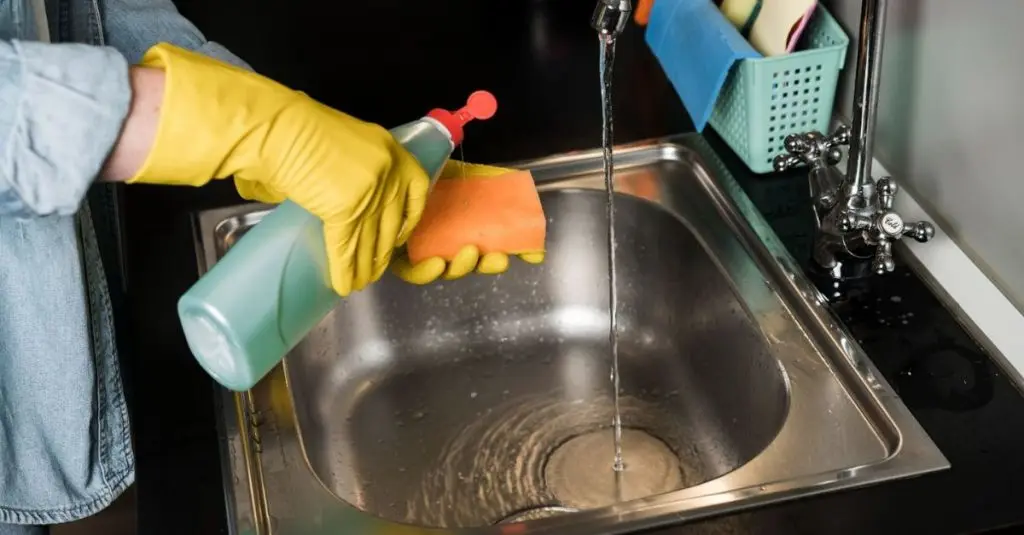
Commercial drain cleaners can swiftly tackle bad smells. They contain strong chemicals to dissolve buildup. Always follow instructions on the label. Use gloves to protect your skin. Ensure proper ventilation in the kitchen. These cleaners are ideal for deep cleaning.
Enzyme-based Cleaners
Enzyme-based cleaners are natural and effective. They break down organic matter causing odors. Simply pour them down the drain. Let the enzymes work overnight. They are safer for pipes and the environment. Suitable for regular maintenance and odor prevention.
Homemade Citrus Cleaners
Homemade citrus cleaners add freshness to your kitchen. Mix citrus peels and vinegar in a jar. Let it sit for a week. Strain and pour down the drain. The citrus scent eliminates bad odors. It’s a cost-effective and natural solution.

Credit: www.drano.com
Preventive Measures
Regularly clean the sink drain to prevent odors. Use baking soda and vinegar to keep it fresh. Rinse with hot water to wash away debris and maintain a pleasant kitchen environment.
Preventive measures can save you from the unpleasant surprise of foul odors wafting from your kitchen sink drain. These proactive steps not only maintain freshness but also extend the life of your plumbing. Let’s dive into some simple yet effective practices that can help you keep your kitchen smelling clean and inviting.Regular Maintenance Routine
A consistent maintenance routine is key to preventing odors. Regularly pour hot water down the drain to help break down any grease or food particles stuck in the pipes. You can also use a mixture of baking soda and vinegar once a month. This natural cleaning duo not only freshens but also clears minor blockages.Proper Waste Disposal
Correct disposal of kitchen waste is crucial. Avoid pouring oil, grease, or coffee grounds down the drain, as they can cause build-up and bad smells. Instead, dispose of them in the trash. Consider composting vegetable scraps to reduce waste and benefit your garden. Have you ever noticed how often small careless actions lead to big problems?Use Of Sink Strainers
Sink strainers are a simple yet effective tool to prevent unwanted debris from entering the drain. They catch food particles and other solids, making it easier to dispose of them properly. Choose a strainer that fits snugly and is easy to clean. This small investment can save you time and hassle in the long run.When To Call A Professional
Dealing with a smelly kitchen sink drain can be a frustrating experience. While many odors can be tackled with DIY methods, there are times when the expertise of a professional plumber is indispensable. Knowing when to call for help can save you from more serious plumbing issues and keep your kitchen smelling fresh.
Persistent Odors
If you’ve tried every home remedy under the sun and that foul smell just won’t budge, it’s time to bring in the professionals. Persistent odors could indicate a deeper problem that DIY solutions can’t reach. A plumber can assess whether there’s a buildup or blockage beyond your reach.
Persistent smells might also hint at mold growth, which requires professional attention. Ignoring these signs can worsen the problem, potentially leading to more expensive repairs. Would you rather endure the smell or find a lasting solution?
Slow Draining Issues
Does your sink take forever to drain? This isn’t just an inconvenience—it could be a symptom of a major clog. While minor blockages can often be cleared with a plunger or baking soda, stubborn clogs might need professional tools.
Slow drainage can lead to stagnant water, which breeds bacteria and contributes to unpleasant odors. A plumber can quickly identify and fix the root cause, restoring your sink’s functionality and freshness.
Suspected Pipe Damage
Sometimes, the problem lies deeper than you think. If you suspect pipe damage, it’s crucial to call a professional immediately. Damaged pipes can lead to leaks, water damage, and even structural issues in your home.
Signs of pipe damage include recurring clogs, unusual noises, and water discoloration. A professional can inspect your plumbing system to determine if repairs or replacements are necessary. Why take the risk when a simple call could prevent a disaster?

Credit: www.youtube.com
Credit: www.vevor.com
Frequently Asked Questions
How To Deodorize Your Kitchen Sink Drain?
Pour baking soda down the drain, followed by vinegar. Wait 15 minutes, then rinse with hot water.
How Can I Naturally Deodorize My Kitchen Sink?
To naturally deodorize your sink, use baking soda and vinegar. First, sprinkle baking soda down the drain. Then, pour white vinegar over it. Let the mixture fizz for a few minutes. Finally, flush with hot water. This method removes odors and cleans your pipes without harsh chemicals.
Why Does My Kitchen Sink Drain Smell Bad?
A smelly sink drain often results from food particles and grease buildup. Over time, these residues decompose, causing unpleasant odors. Regular cleaning and flushing with hot water can prevent this. Sometimes, trapped water in the P-trap can also cause smells.
Ensure it’s not dry and water is present.
How Often Should I Clean My Kitchen Sink Drain?
Clean your kitchen sink drain at least once a week. Regular cleaning prevents odor-causing buildup of food particles and grease. Use a combination of baking soda and vinegar or a mild dish soap. Regular maintenance ensures a fresh-smelling and clog-free sink.
Conclusion
Eliminating kitchen sink odors is easy with regular care. Clean the drain weekly. Use baking soda and vinegar for natural cleaning. Rinse with boiling water to kill germs. Check for clogs often. Keep the sink smelling fresh with lemon slices.
These simple steps keep your kitchen inviting. Remember, a clean sink means a happy kitchen. Follow these tips and enjoy a pleasant cooking space. No more unpleasant smells. Say goodbye to kitchen drain odors forever. Clean regularly and enjoy a fresh kitchen atmosphere.