How to Paint Kitchen Cabinets Without Brush Marks: Expert Tips
Executive Chef & Lead Commercial Kitchen Specialist at Daily Kitchup Test Lab
Are you tired of staring at your worn-out kitchen cabinets? You might be thinking about giving them a fresh coat of paint.
But the thought of unsightly brush marks might be holding you back. Imagine transforming your kitchen into a sleek and modern space, without the frustration of visible brush strokes. Sounds like a dream, right? Well, it’s time to make that dream a reality.
In this guide, you’ll discover easy-to-follow techniques that will help you paint your kitchen cabinets flawlessly. Say goodbye to those pesky brush marks and hello to smooth, professional-looking finishes. Keep reading, because your kitchen makeover is about to get a whole lot easier.
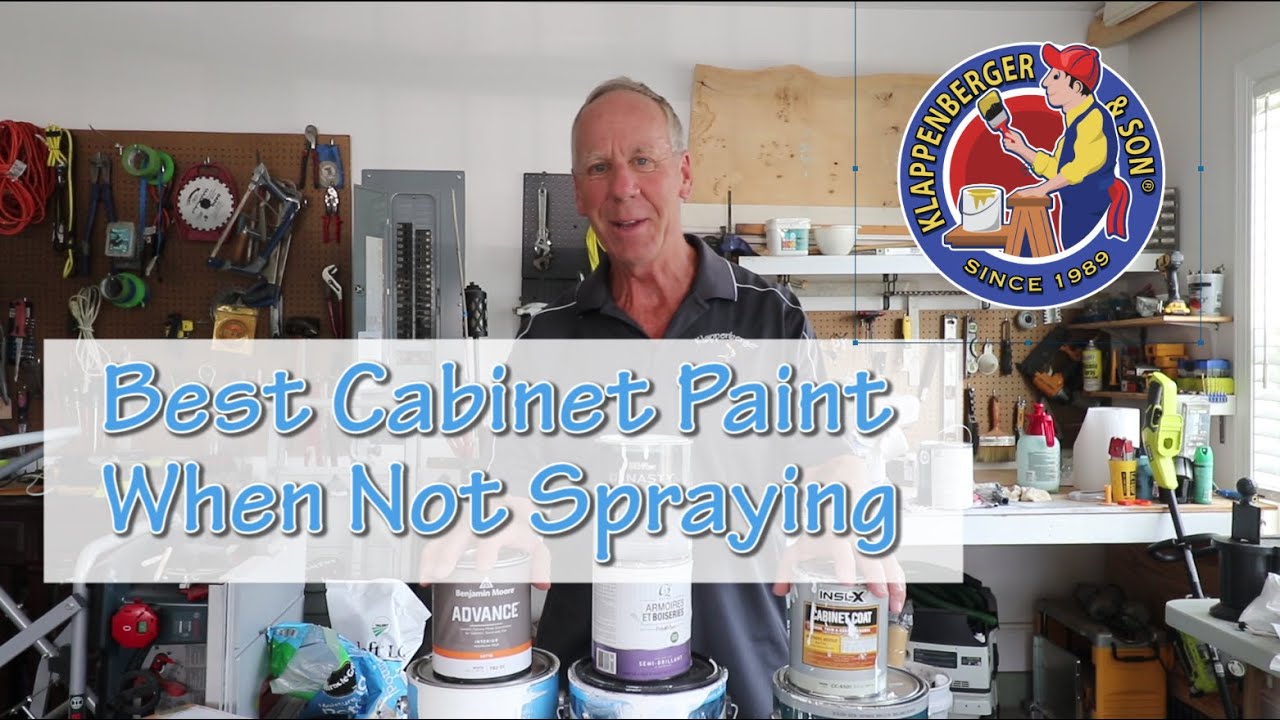
Credit: www.youtube.com
Choosing The Right Tools
Painting kitchen cabinets can be a transformative home project. Yet, achieving a flawless finish without brush marks requires the right tools. The tools you choose can make or break your painting experience and the final result. Let’s explore the best options available.
Best Paint Brushes
Brushes with synthetic bristles are ideal for water-based paints. They provide a smooth application and minimize streaks. Look for a brush with a tapered edge; it allows you to reach corners and edges with precision.
Invest in a high-quality brush even if it costs a bit more. It can save you from the frustration of bristle loss and uneven coverage. A good brush is worth its weight in gold when it comes to painting cabinets.
Ideal Paint Rollers
For larger surfaces, a roller can speed up the process. Opt for a foam roller to achieve a fine finish without texture. Foam rollers distribute paint evenly, reducing the chance of lines or streaks.
Consider the roller size based on your cabinets. Smaller rollers work well for narrow spaces and detailed areas. Always test the roller on a small area first to ensure it meets your expectations.
Spray Painting Options
Spray painting offers a professional-looking finish. It’s perfect for those seeking a seamless and sleek appearance. Make sure to practice on a scrap piece to perfect your technique.
Ensure your workspace is well-ventilated when using spray paint. Consider using a paint sprayer for even coverage without the typical hassle. You’ll need to protect surrounding areas with drop cloths to prevent overspray.
Choosing the right tools for your painting project can dramatically impact the outcome. Have you tried any of these tools before? What results did you achieve? Share your thoughts and experiences in the comments below!

Credit: certapro.com
Selecting The Perfect Paint
Selecting the Perfect Paint Achieve a smooth finish on kitchen cabinets by choosing high-quality paint. Use a foam roller or spray for even application. Sand lightly between coats for a flawless surface without brush marks.
Selecting the perfect paint is crucial for achieving smooth cabinets. The right choice helps avoid brush marks and enhances durability. It also contributes to a stunning finish that transforms your kitchen space.Types Of Paint For Cabinets
Choosing the right type of paint makes all the difference. Oil-based paints offer a smooth finish and great durability. They resist moisture and stand up to frequent cleaning. Latex paint is another option, known for its ease of use and quick drying time. It’s environmentally friendly and less likely to yellow over time. Chalk paint adds a vintage touch, ideal for rustic styles. It requires less prep work and provides a matte finish.Choosing Paint Finishes
The finish affects the look and longevity of your cabinets. Glossy finishes reflect light and are easy to clean. They are perfect for modern kitchens. Semi-gloss finishes are also popular, offering a balance between shine and subtlety. Satin finishes have a soft sheen, suitable for traditional designs. They hide imperfections well and are good for high-traffic areas. Matte finishes offer a smooth, non-reflective surface. They are best for cabinets needing frequent touch-ups.Color Selection Tips
Color sets the mood of your kitchen. Light colors make small spaces feel larger. They bring brightness and a sense of cleanliness. Neutral colors like white, beige, or gray are timeless choices. They blend well with any decor style. Bold colors add personality and a vibrant touch. They can make your kitchen the focal point of your home. Consider your countertop and backsplash colors. Ensure they complement your cabinet choice for a cohesive look.Preparing Your Cabinets
Preparing Your Cabinets Clean and sand the cabinets to ensure a smooth surface for painting. Use a primer to help paint adhere better. Remove all dust before applying paint to avoid marks.
Preparing your cabinets properly is the cornerstone of achieving a flawless finish when painting kitchen cabinets. This crucial step ensures that the paint adheres well and results in a smooth, brush-mark-free surface. Whether you’re giving your kitchen a facelift or embarking on a full renovation, a little preparation goes a long way.Cleaning And Degreasing
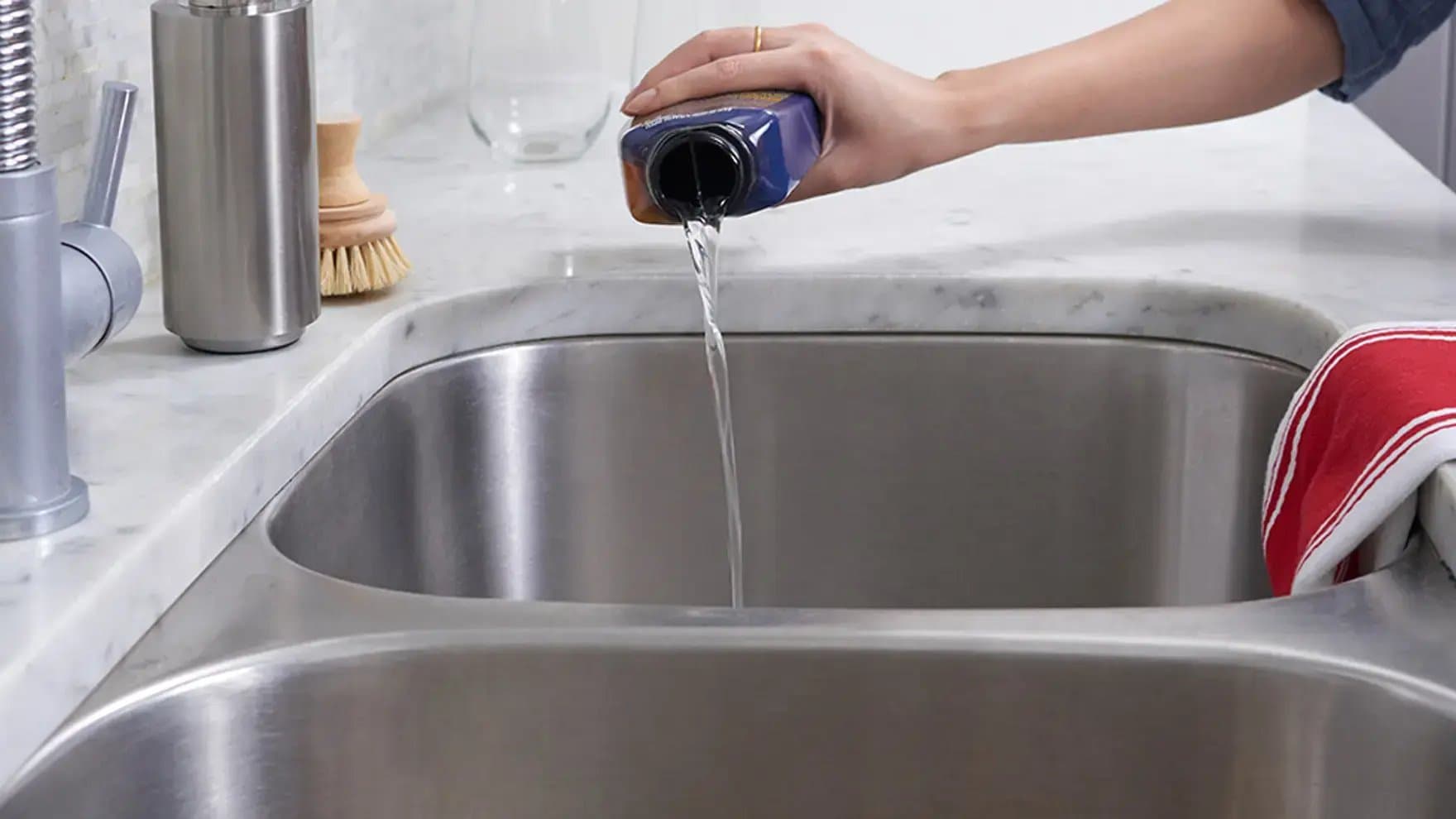
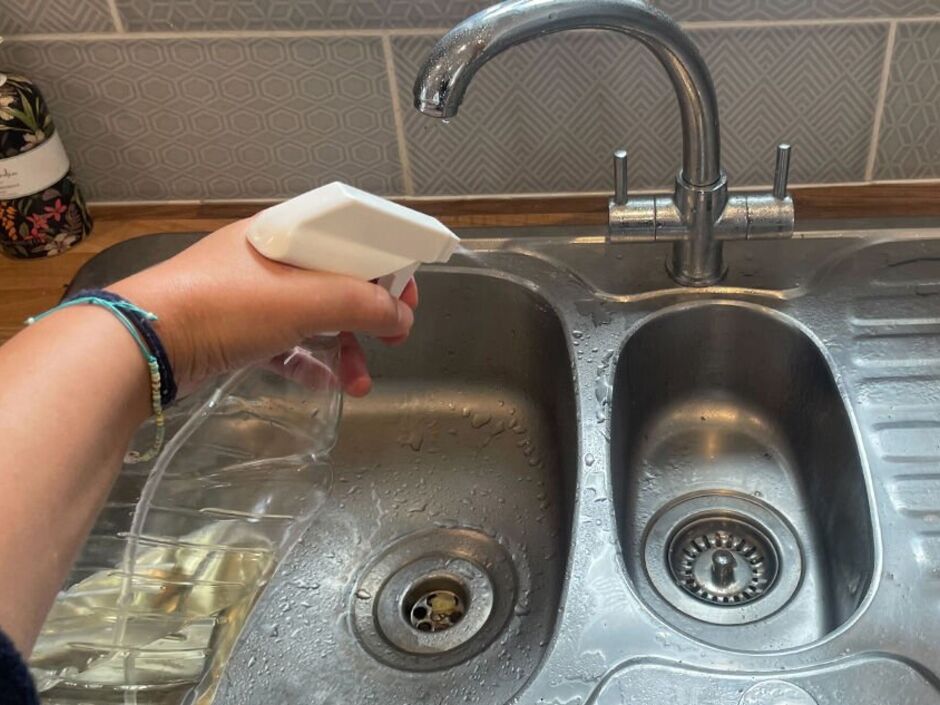
Start by thoroughly cleaning your cabinets. Use a gentle dish soap mixed with warm water to remove surface dirt. For stubborn grease spots, apply a degreaser or vinegar solution. Wipe down all surfaces, including corners and edges. A clean surface ensures that the paint adheres properly. Neglecting this step can lead to peeling or uneven paint later.Sanding Techniques
Sanding is essential for creating a smooth surface. Use a medium-grit sandpaper, like 120-grit, to sand down the cabinet doors and frames. Focus on removing the sheen from the existing finish. This helps the primer stick better. For a truly smooth surface, follow up with a finer grit sandpaper, such as 220-grit. Don’t forget to clean up the dust. A damp cloth works wonders here, ensuring no particles are left behind to mar your finish.Priming For A Smooth Finish
Priming is your next step to avoid brush marks. Choose a high-quality primer that’s suited for your cabinet material. Apply the primer in thin, even coats. Consider using a foam roller for large areas to minimize brush marks. Let the primer dry completely before applying paint. This sets the stage for a flawless finish and ensures your hard work pays off. Taking the time to prepare your cabinets can make all the difference in your painting project. Have you ever skipped a step in DIY and regretted it later? Remember, patience now saves you time and frustration later.Painting Techniques
Achieving a smooth finish on kitchen cabinets involves careful preparation and technique. Sand surfaces thoroughly to ensure an even base. Use a high-quality paint sprayer for a flawless application, minimizing brush marks.
Painting kitchen cabinets can refresh your kitchen’s look. It’s important to use the right techniques. This ensures a smooth, professional finish. Let’s explore key techniques for painting cabinets.Achieving Even Coverage
Start by preparing the surface. Clean the cabinets to remove grease and dust. Sand lightly for a smooth base. Choose a high-quality primer to help the paint stick. Apply the primer in thin, even layers. Allow it to dry completely before painting. Use a fine-tip brush for edges and corners. This ensures no spots are missed. For the main surface, a small roller works best. It helps distribute paint evenly.Avoiding Brush Strokes
Choose the right brush for your paint type. A good brush leaves fewer marks. Use a synthetic brush for water-based paints. Apply paint in thin layers. Thick layers can leave brush marks. Use long, smooth strokes in one direction. Avoid over-brushing, which causes streaks. Let each layer dry before adding another. Lightly sand between coats to smooth any lines.Using A Roller Effectively
Select a roller with a fine nap. It creates a smooth finish. Pour paint into a tray and load the roller evenly. Roll off excess paint to prevent drips. Start from one edge and work towards the other. Use light pressure to avoid lines. Roll in the same direction for consistency. Check for missed spots and touch them up. Let each coat dry before applying the next.Finishing Touches
Achieve a smooth finish on kitchen cabinets by sanding thoroughly before painting. Use a high-quality paint sprayer for even coats. Ensure the paint is thin enough to avoid brush marks, and always work in a dust-free environment for best results.
Transforming your kitchen cabinets with a fresh coat of paint is just the beginning. The real magic happens in the final steps, where you ensure a smooth, lasting finish. The finishing touches can make or break your project, so it’s important to get them right.Drying And Curing
After applying the last coat of paint, patience is key. Allow the paint to dry completely. This usually takes about 24 hours, but it’s best to check the paint can for specific drying times. Once dry, the curing process begins. Curing can take up to two weeks. During this period, avoid heavy use of the cabinets to ensure the paint hardens properly.Applying A Topcoat
A topcoat is the secret to a durable, scratch-resistant finish. Select a clear, non-yellowing polyurethane for the best results. Apply the topcoat with a high-quality foam roller or spray for a smooth finish. Ensure even coverage and let it dry completely before adding a second coat if needed.Reassembling Cabinets
Once everything is dry and cured, it’s time to reassemble your kitchen. Carefully attach hinges and knobs to avoid scratching the fresh paint. Double-check that each door and drawer aligns perfectly. This is also a good time to replace any old hardware with new, stylish options to complete your kitchen’s transformation. Remember, taking your time with these finishing touches will ensure a flawless, professional look. What small detail will you focus on to elevate your kitchen’s transformation?Troubleshooting Common Issues
Smooth surfaces come from proper preparation and technique. Sand cabinets to remove old paint and imperfections. Use a high-quality brush or roller for even application, avoiding thick layers to prevent marks.
Painting kitchen cabinets is a fantastic way to breathe new life into your space, but it’s not without its challenges. Many DIY enthusiasts find themselves facing common issues that can detract from the finished look. With the right troubleshooting tips, you can ensure your cabinets look professional and polished.Dealing With Drips
Drips can be the bane of any painting project. They often occur when too much paint is applied at once. To combat this, try using thinner coats and allowing each layer to dry fully before adding more. If drips do happen, act quickly. A small brush or a cloth can be used to gently smooth them out before they dry. Always keep an eye on your work to catch them early.Correcting Uneven Surfaces
Uneven surfaces are another common problem. They usually arise from inadequate sanding or uneven application of paint. Before painting, ensure your cabinets are thoroughly sanded and primed. This creates a smooth base for the paint to adhere to. If you notice uneven areas after painting, lightly sand the surface and repaint the affected section. This approach helps blend the flaw into the rest of the surface seamlessly.Fixing Flaws After Painting
Sometimes, flaws only become apparent after the paint dries. Whether it’s a scratch or a small bubble, these imperfections can be frustrating. To fix them, gently sand the area with fine-grit sandpaper and apply a thin coat of paint. Patience is key here. Allowing each layer to dry completely ensures you avoid further issues. Have you ever tried a quick fix only to make matters worse? Take it slow to achieve the best results.Maintenance Tips
Painting kitchen cabinets can transform the look of your kitchen. Keeping them pristine requires regular maintenance. With proper care, your painted cabinets will stay beautiful and free of brush marks.
Cleaning Painted Cabinets
Cleaning cabinets regularly is crucial. Use a soft cloth or sponge for wiping. Avoid harsh cleaners that can damage the paint. Use mild soap mixed with warm water. Gently scrub away dirt and grease. Dry the cabinets with a clean towel to prevent water spots.
Touch-up Techniques
Touch-ups keep cabinets looking fresh. Keep a small amount of leftover paint. Use a fine brush for small areas. Sand the surface lightly before applying paint. This helps the new paint adhere properly. Allow the touch-up to dry completely.
Ensuring Long-lasting Finish
Protecting the finish is important for longevity. Apply a clear top coat for added durability. Avoid slamming cabinet doors and drawers. Use cabinet liners to prevent scratches. Regularly inspect for chips or scratches. Address issues promptly to maintain the finish.
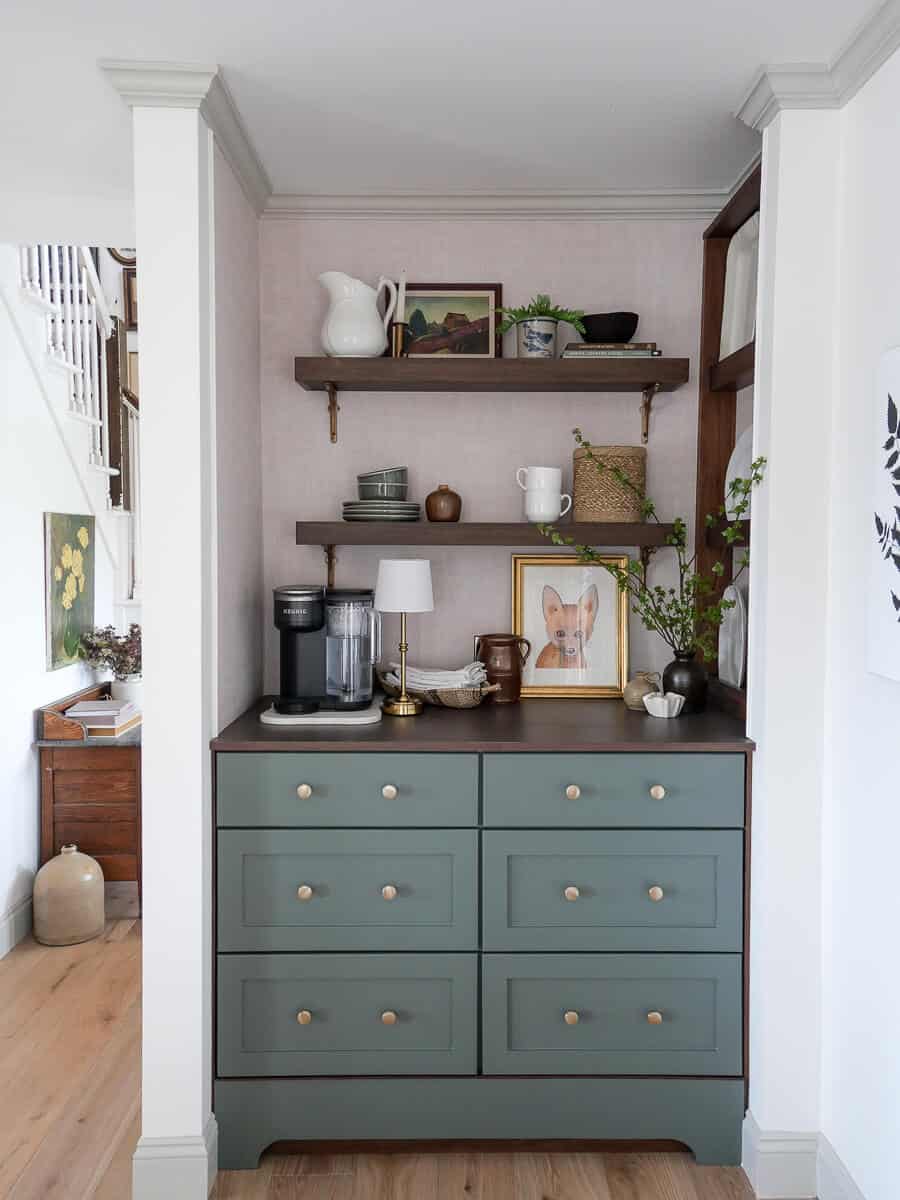
Credit: graceinmyspace.com
Frequently Asked Questions
How To Avoid Brush Marks When Painting Kitchen Cabinets?
Use a high-quality brush or roller for smooth application. Sand cabinets before painting to eliminate rough surfaces. Apply thin, even coats and let each dry completely. Use paint conditioner to improve flow and reduce brush marks. Choose the right paint for cabinets to ensure a smooth finish.
Is It Better To Roll Or Brush Paint Cabinets?
Rolling paint on cabinets provides a smoother finish and faster application. Brushes offer better control for detailed areas. Use both for optimal results. Clean and prep surfaces well for the best outcome.
How Do You Get The Smoothest Finish When Painting Cabinets?
To achieve a smooth finish, sand cabinets thoroughly and clean the surface. Apply a primer, then use high-quality paint. Opt for a brush or spray for even application. Sand lightly between coats for smoothness. Finish with a clear topcoat for protection and enhanced shine.
What Paint Doesn T Show Brush Strokes On Cabinets?
Use acrylic or self-leveling enamel paint for cabinets. These options minimize brush strokes effectively. Opt for high-quality brushes or rollers for a smoother finish. Proper surface preparation, including sanding and priming, enhances results. Consider a satin or semi-gloss finish for easy cleaning and durability.
Conclusion
Painting kitchen cabinets smoothly is easier than you think. Start by choosing quality paint and tools. Clean and sand surfaces well. Apply primer evenly. Use a spray gun for smooth finishes. It reduces brush marks. Take your time. Don’t rush.
Practice makes perfect. Follow these steps. Enjoy a fresh, new look in your kitchen. Remember, patience is key. You can achieve professional results at home. With careful planning, your cabinets will look stunning. Transform your kitchen with confidence. Happy painting!

Similar Posts