How to Release Kitchen Drawers: Easy DIY Guide
Are your kitchen drawers stuck and refusing to budge? You’re not alone.
Many people face this frustrating issue, often at the most inconvenient times. Imagine trying to grab a spoon in the middle of cooking, only to find the drawer jammed tight. But don’t worry; you’re about to discover how to release kitchen drawers with ease.
This guide is tailored just for you, offering simple steps that anyone can follow. Uncover the secrets to a smoothly functioning kitchen without the hassle. By the end of this article, you’ll have the confidence to tackle any stubborn drawer. Ready to transform your kitchen experience? Let’s dive in and make those sticky drawers a thing of the past!

Credit: www.familyhandyman.com
Tools And Materials Needed
Gather a screwdriver and a flashlight for a closer look. Remove any items from the drawer. Check for screws or clips holding the drawer.
Releasing kitchen drawers may seem straightforward, but having the right tools and materials can make the process smoother and more efficient. Whether you’re dealing with a stubborn drawer or a modern soft-close system, being prepared with the essentials can save you time and frustration. Let’s dive into what you’ll need to ensure your kitchen drawer release goes off without a hitch.Basic Tools
You’ll need a few basic tools to start. A Phillips and flathead screwdriver are often necessary for removing screws or adjusting tracks. A small flashlight can help illuminate those hard-to-see areas, especially under the cabinet.Advanced Tools
If your drawers are newer or have more complex mechanisms, consider having a drill with a screwdriver bit. This can speed up the removal process significantly. Also, a pair of pliers can be helpful for gripping and pulling parts that are stuck.Replacement Parts
Sometimes, releasing a drawer means you’ll need to replace a part. Keep some extra screws, drawer slides, and brackets on hand. Having these available can prevent a trip to the store mid-project.Cleaning Supplies
Once the drawer is out, it’s a perfect time to clean those hard-to-reach spots. Have a cloth and some mild cleaner ready to wipe away any dust or grime. This will not only improve the look but also ensure smooth functionality when you reassemble.Protective Gear
Safety should always be a priority. Wearing gloves can protect your hands from sharp edges or splinters. Safety goggles are also wise if you’re using power tools to avoid any debris in your eyes. Are you ready to tackle that drawer? With these tools and materials, you can approach the task confidently, knowing you have everything you need at your fingertips. Remember, preparation is key to a hassle-free experience.Identifying Drawer Types
Releasing kitchen drawers can seem tricky if you’re not familiar with the different types. Understanding the specific drawer mechanism you’re working with is key to ensuring a smooth process. Let’s explore some common drawer types you might encounter in your kitchen.
Side-mounted Drawers
Side-mounted drawers are a popular choice in many kitchens. They feature slides attached on both sides of the drawer, making them easy to identify. You might recognize them by their visible metal slides when you pull the drawer out. These drawers often provide full extension, allowing you complete access to everything inside.
To release side-mounted drawers, look for a release lever or tab on the slides. A simple push or lift of this lever will unlock the drawer, allowing you to pull it out completely. If you’ve ever wondered why your drawers sometimes jam, it could be due to misaligned slides. Ensure they’re properly aligned before reattaching.
Undermount Drawers
Undermount drawers offer a sleek and seamless look since the slides are hidden beneath the drawer. This type is often preferred in modern kitchens for its aesthetic appeal. If you can’t see any visible slides, you’re likely dealing with an undermount drawer.
Releasing these drawers usually involves pressing on the release mechanism located underneath. It might require a bit of maneuvering to reach, but once you press the right spot, the drawer will glide out effortlessly. Consider checking for any debris that might obstruct the mechanism for a smoother operation.
Ball Bearing Drawers
Ball bearing drawers are known for their smooth and quiet operation. They employ a series of tiny ball bearings within the slides, ensuring a gentle glide each time you open or close the drawer. These drawers are often used for heavier items due to their robust construction.
To release a ball bearing drawer, look for a small lever or latch on the slides. This type might require a bit more force, so don’t be afraid to give it a firm push. Curious about why these drawers glide so smoothly? It’s the precision of those ball bearings working tirelessly each time you use them.
Understanding your drawer type is crucial to maintaining your kitchen’s functionality. Have you ever had an unexpected drawer mishap? Knowing these mechanisms can save you a lot of time and frustration.
Preparing For Drawer Removal
Preparing to remove kitchen drawers involves identifying the type of sliding mechanism. Gently pull the drawer outward until resistance is felt. Look for levers or tabs on the sides and press them to release the drawer. Carefully lift and remove the drawer from the cabinet.
Preparing your kitchen drawers for removal requires attention to detail. Proper preparation ensures a smooth process without damage. This section guides you on how to get ready.Clearing Out Contents
First, empty the drawer completely. Take out all utensils, gadgets, and other items. Use a small box to gather loose items. This helps in organizing later. Check for any hidden items in corners. Removing contents reduces weight. Easier to handle the drawer.Ensuring Safety
Safety is crucial during drawer removal. Wear gloves to protect your hands. Check the drawer for loose screws or nails. Tighten them if necessary. Make sure the area around you is clear. This prevents accidents or tripping. Keep small children away during this task. Always handle tools carefully.Removing Side-mounted Drawers
Releasing kitchen drawers with side-mounted slides involves locating the release mechanism. Check for levers or tabs on the sides. Press or lift them gently to free the drawer from the slide tracks.
Removing side-mounted drawers can be straightforward if you follow the correct steps. This type of drawer slides on metal rails attached to the cabinet sides. The system is designed to hold the drawer securely while allowing smooth movement. Learning how to remove these drawers can help with cleaning, repair, or replacement tasks.Locating Release Levers
First, identify the release levers on the drawer slides. These levers are usually found on both sides of the drawer. They are small and may be colored differently to stand out. Look closely at the slides near the back end of the drawer. You might need a flashlight to see them clearly.Executing The Removal
Once you find the levers, gently push them. Hold the drawer firmly while doing this. Then, pull the drawer towards you using steady pressure. If the drawer resists, double-check the levers’ position. Ensure they are fully pressed to release the drawer. Slowly slide the drawer out of the cabinet. Keep the drawer level to avoid jamming the slides. After removal, inspect the slides for any damage or debris. Clean the slides if necessary to maintain smooth operation.Handling Undermount Drawers
Releasing kitchen drawers is simple. Pull the drawer out until it stops. Look for levers or tabs on the sides. Press them to release the drawer from its tracks.
Handling undermount drawers can initially seem like a daunting task, but with a little patience and the right approach, it becomes quite straightforward. Unlike traditional side-mount drawers, undermount varieties are sleek, providing a seamless look to your kitchen cabinetry. They rely on a mechanism hidden beneath the drawer, which might be unfamiliar to some but offers a smooth and quiet operation. If you’ve ever struggled to release these drawers, you’re not alone. Many people find themselves tugging and pulling without success. But fear not—it’s all about knowing where to look and how to handle them gently.Finding The Release Tabs
Undermount drawers typically have release tabs located underneath the drawer itself. These tabs are often small levers or clips that need to be pressed or pulled to disengage the drawer from the sliding mechanism. Carefully slide your hand beneath the drawer and feel for these tabs. It might take a moment to locate them, especially if you’re not familiar with the design. Once found, you’ll feel a sense of accomplishment as you realize you’re just a step away from success.Gently Pulling Out
After you’ve located the release tabs, the next step is to gently pull the drawer out. Hold the drawer with both hands to ensure even pressure and prevent any potential damage. Press or pull the tabs and simultaneously pull the drawer towards you. It should glide out smoothly, like a well-oiled machine. If it doesn’t, double-check that both tabs are fully engaged, as sometimes one might slip back into place. Have you ever noticed how much easier tasks become when you understand the mechanics? This simple knowledge can transform a frustrating chore into a satisfying accomplishment. Remember, handling undermount drawers is more about finesse than force.
Credit: www.youtube.com
Detaching Ball Bearing Drawers
Releasing kitchen drawers with ball bearings involves locating the drawer’s release mechanism. Gently pull the drawer forward while pressing the release tabs on the sides. Carefully lift the drawer out, ensuring smooth detachment from the slides.
Detaching ball bearing drawers can seem daunting, but it’s quite simple. These drawers glide smoothly thanks to ball bearing slides. Releasing them involves a few straightforward steps.Accessing The Release Mechanism
First, locate the release mechanism on the drawer. Open the drawer fully to find the ball bearing slides. Look for a small lever or tab on each slide. This is the release mechanism. It might be on the side or bottom of the slide. Ensure you have a clear view of both slides.Sliding Out The Drawer
Press the release levers simultaneously on both sides. This disengages the drawer from the slides. While pressing, gently pull the drawer towards you. Use a steady motion to avoid jamming. If the drawer resists, check the levers again. Ensure they are fully pressed. Once the drawer is free, slide it out completely. Place it on a stable surface to avoid damage. Now, you have access to the drawer and can proceed with any maintenance or cleaning.Troubleshooting Common Issues
Releasing kitchen drawers can be tricky. Check for latches or levers on the sides. Gently pull while holding these mechanisms to slide the drawer out smoothly.
Troubleshooting Common Issues Kitchen drawers can sometimes become challenging to operate. If a drawer feels stuck or misaligned, it can be frustrating. Understanding how to troubleshoot these common issues can save time and effort. Often, these problems have simple solutions that can be executed with basic tools.Drawer Stuck Solutions
A stuck drawer can halt kitchen activities. First, check for any visible obstructions. Items inside might be blocking smooth movement. Remove any clutter or debris. Sometimes, dirt accumulates in the tracks. Clean the tracks with a damp cloth to ensure smooth sliding. Lubricating the tracks can enhance movement. Use a light oil or wax for best results.Realigning Misaligned Drawers
Misalignment can cause trouble in drawer operation. Inspect the drawer’s position in the cabinet. If it’s tilted, it may need realignment. Tighten any loose screws securing the drawer. This often corrects minor misalignments. For persistent issues, adjust the position of the slides. Ensure each slide is parallel to the drawer sides. Align them carefully for smooth functioning. Fixing these common problems can improve kitchen efficiency. Simple adjustments often restore drawer functionality without needing professional help.Maintenance Tips
Releasing kitchen drawers can be simple with the right steps. First, remove any visible screws. Then, gently lift the drawer to detach it from the glides. Ensure to check for any clips or latches before pulling the drawer out completely.
Maintaining your kitchen drawers is crucial for ensuring they glide smoothly and stand the test of time. Regular upkeep can save you from the frustration of stuck or noisy drawers. Plus, it can extend the life of your cabinetry, keeping your kitchen looking pristine and functional. But what exactly should you do to maintain them?Lubricating Drawer Slides
One simple yet effective way to keep your drawers moving smoothly is by lubricating the slides. A little lubrication can make a big difference. Choose a silicone-based spray or a dry lubricant, as they won’t attract dust. Apply a light coat along the metal or plastic slides. Open and close the drawer a few times to ensure even distribution. Avoid using heavy oils or greases—they can cause dirt buildup, making the problem worse over time.Regular Inspection
Regularly checking your kitchen drawers can prevent small issues from becoming big headaches. Every few months, give your drawers a quick inspection. Look for any signs of wear and tear on the slides or rollers. Are there any loose screws or other hardware that needs tightening? Check the alignment of the drawers. Misaligned drawers can lead to uneven wear and are often the cause of that irritating screeching sound. Ask yourself: Is everything moving as smoothly as it should? If not, it might be time for some maintenance. Taking these small steps can keep your kitchen functioning at its best, saving you time and effort in the long run.Reinstalling Kitchen Drawers
Releasing kitchen drawers involves identifying the type of drawer mechanism. Look for levers or screws on the sides. Carefully press or unscrew to detach the drawer.
Reinstalling kitchen drawers can seem like a daunting task, but with a few straightforward steps, you can have them gliding smoothly in no time. Whether you’ve just deep-cleaned your kitchen or reorganized your space, putting back those drawers is a satisfying finish to your efforts. Getting it right not only affects functionality but also maintains the aesthetic appeal of your kitchen. Let’s explore how to ensure your kitchen drawers are perfectly reinstalled.Aligning With Tracks
First, make sure your drawer slides align with the tracks inside the cabinet. This step is crucial for smooth operation. Misalignment can lead to drawers sticking or falling off their tracks. Double-check that the slides are parallel to each other. You might find it helpful to use a ruler or level to ensure precision. Visualize each track as a railway and your drawer as the train; both need to run smoothly along the same path. Consider the last time your drawers were perfectly installed. What made them work so well? Understanding this can help you replicate the success and avoid common pitfalls.Securing In Place
Once aligned, securing the drawer in place is your next priority. Use the screws or clips provided to firmly attach the slides. This step prevents wobbling and ensures longevity. Take a moment to test the drawer’s movement. Open and close it a few times to confirm that it’s secure. Adjust as needed to eliminate any looseness or rattling. Remember how satisfying it is to have drawers that glide effortlessly? This is your chance to achieve that smooth motion. Investing a little time now saves frustration later. Reinstalling kitchen drawers doesn’t have to be a chore. With attention to alignment and security, you can enjoy a functional and beautiful kitchen space. Are your drawers ready to serve you well?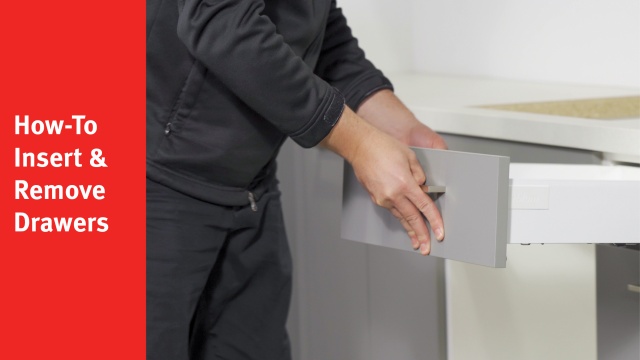
Credit: u-install-itkitchens.com.au
Frequently Asked Questions
How Do I Remove Kitchen Drawer Slides?
To remove kitchen drawer slides, first, fully extend the drawer. Locate the release levers or tabs on each slide. Press or lift these levers to disengage the drawer from the slides. Carefully pull the drawer out. Ensure to support the drawer to prevent dropping or damage during removal.
What Tools Do I Need To Release Drawers?
To release kitchen drawers, you typically need minimal tools. A screwdriver may be required if screws hold the drawer slides. Some drawers have levers or tabs that can be released manually. It’s advisable to check the drawer design to determine the required tools for safe removal.
Can I Release Soft-close Drawers Easily?
Yes, releasing soft-close drawers is usually straightforward. Locate the release tabs on the slides. Press or lift these tabs to disengage the drawer. Soft-close mechanisms require gentle handling to avoid damage. Ensure the drawer is supported and carefully pull it out once disengaged.
Are All Kitchen Drawers Released The Same Way?
Not all kitchen drawers are released the same way. Drawer release mechanisms vary by design and manufacturer. Common methods include release levers, tabs, or screws. It’s crucial to identify the drawer type and release method for safe and efficient removal without causing damage.
Conclusion
Releasing kitchen drawers is a straightforward task. Follow basic steps to ensure success. Start by removing any obstacles. Next, examine the drawer’s tracks for any damage. Check for loose screws and tighten them. Clean tracks for smooth movement. Regular maintenance prevents future issues.
Keep your kitchen functional and organized. Enjoy easy access to all your kitchen essentials. Don’t let stuck drawers cause frustration. With these tips, your kitchen drawers will work efficiently. Simple solutions make life easier. Now, go ahead and make your kitchen a pleasant space.