How to Repair Kitchen Sink Drain: Easy DIY Tips
Executive Chef & Lead Commercial Kitchen Specialist at Daily Kitchup Test Lab
Is your kitchen sink drain acting up, causing frustration and a mess you don’t want to deal with? You’re not alone.
Many homeowners face the dreaded clogged or leaking sink, and it often happens at the worst possible time. But before you reach for the phone to call a plumber, did you know you can often fix the problem yourself? Yes, you can! Imagine the satisfaction of resolving the issue with your own hands while saving money in the process.
This guide is designed specifically for you, breaking down the repair process into simple, manageable steps. By the end of this article, you’ll not only have a fully functional sink but also the confidence of a home repair expert. Ready to dive in and tackle that drain problem once and for all? Let’s get started!
Credit: www.tiktok.com
Common Drain Problems
Kitchen sink drains often become the silent victims of daily wear and tear, leading to a range of common problems that can disrupt your culinary adventures. Whether it’s a slow drain or an unpleasant smell wafting up from the depths, understanding these issues is the first step towards fixing them. Addressing these everyday nuisances effectively can save you from unnecessary stress and expense. Let’s dive into the most common drain problems and how you can tackle them with confidence.
Clogs And Blockages
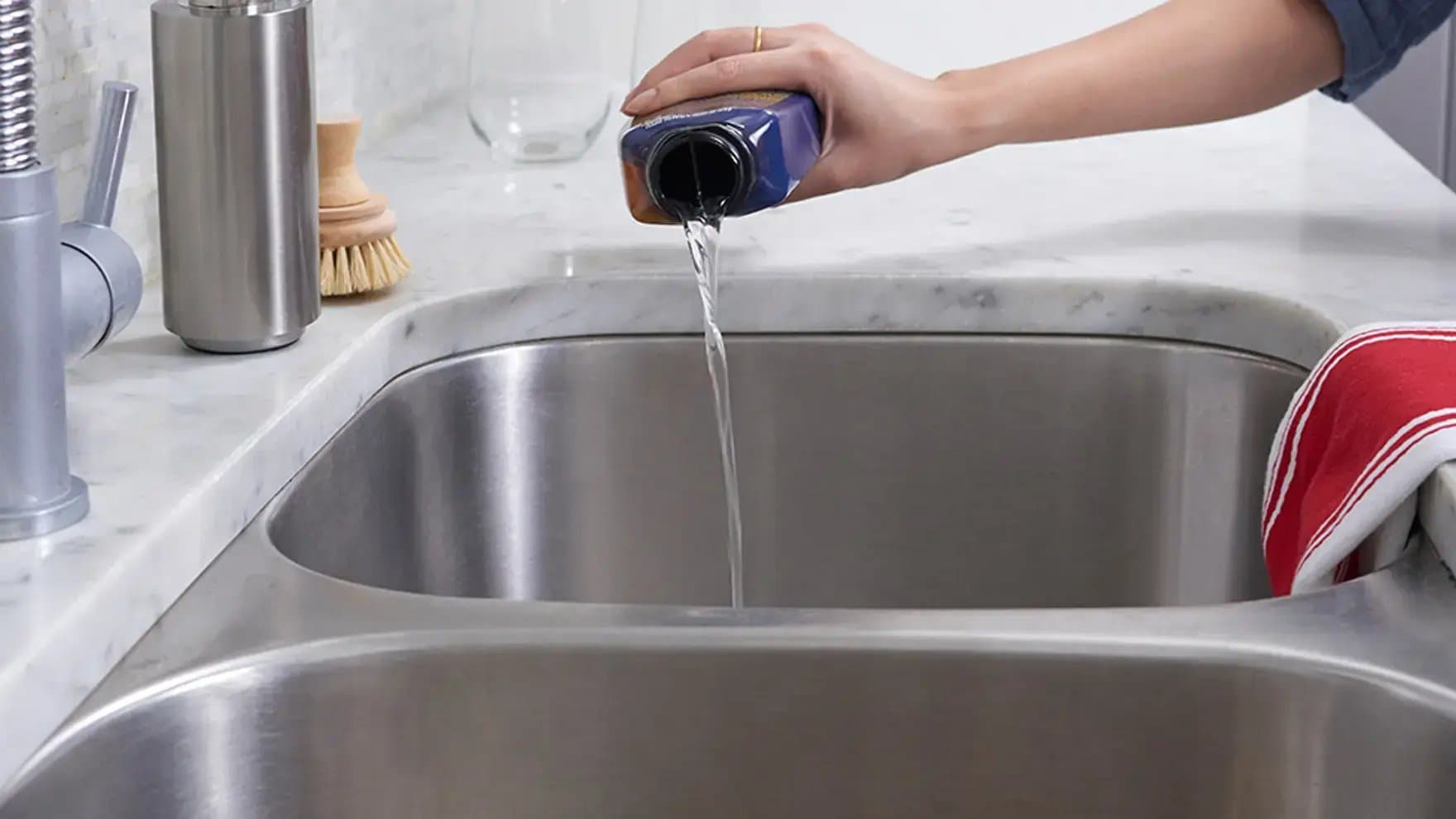
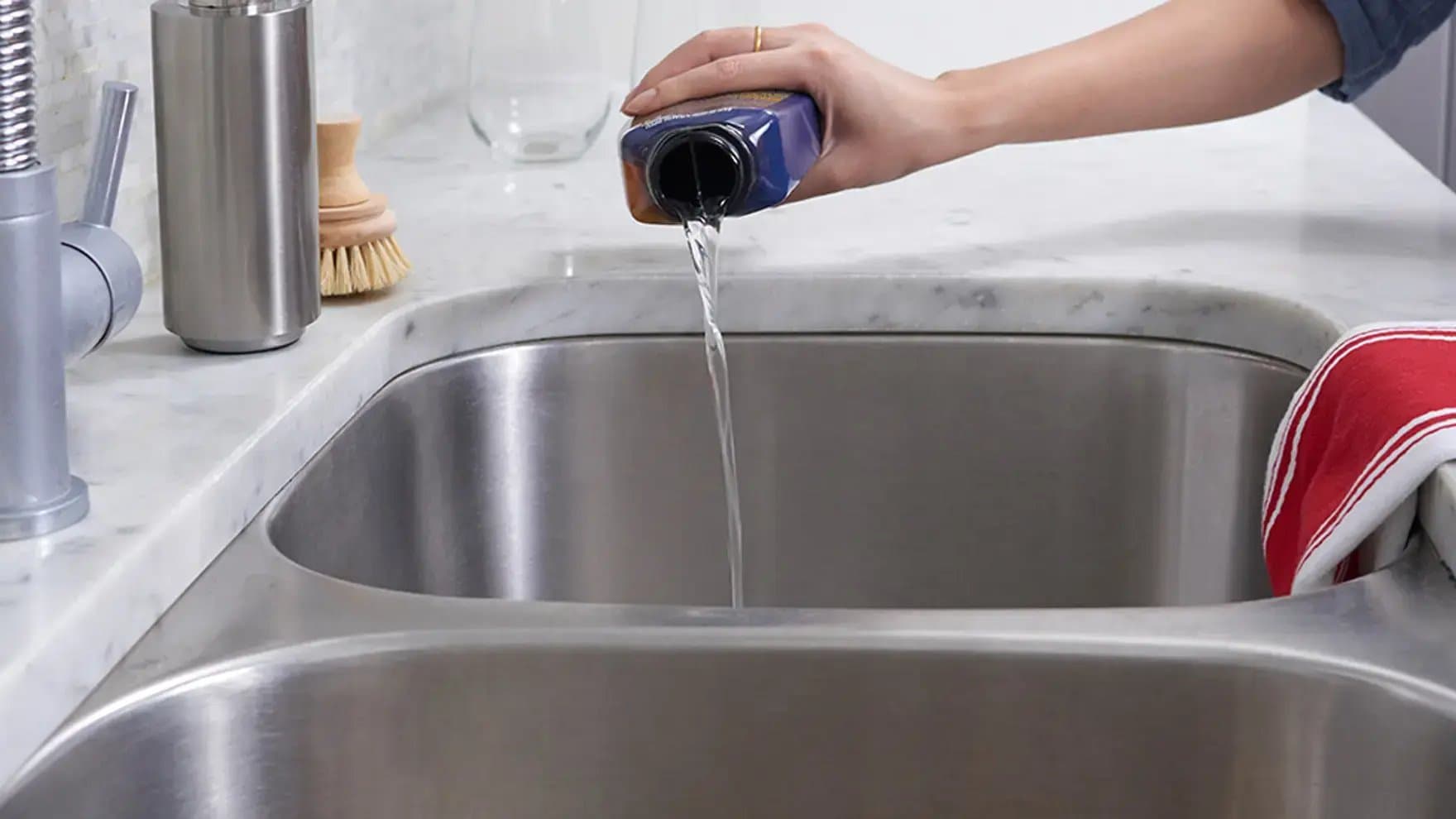
Clogs are the most frequent culprits behind sluggish drains. You might notice water pooling or draining slowly after washing dishes. This is usually caused by food particles, grease, or soap residue building up over time. Imagine you’re preparing a hearty meal, and suddenly, the sink refuses to cooperate. That’s the moment you realize how much you rely on a clear drain. A quick fix often involves using a plunger or a homemade solution of baking soda and vinegar to break down the blockage.
Leaks And Drips
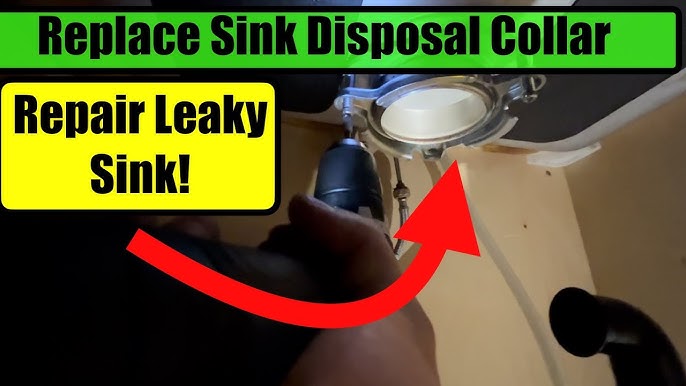
Leaks can manifest as a persistent drip or a noticeable puddle under the sink. They might seem harmless at first, but ignoring them can lead to water damage and mold. Often, a loose pipe connection or a worn-out washer is the cause. Picture this: you’re reaching for a pan under the sink, only to find your storage area unexpectedly damp. Tightening fittings or replacing faulty washers can usually resolve these issues without professional help.
Odors And Smells
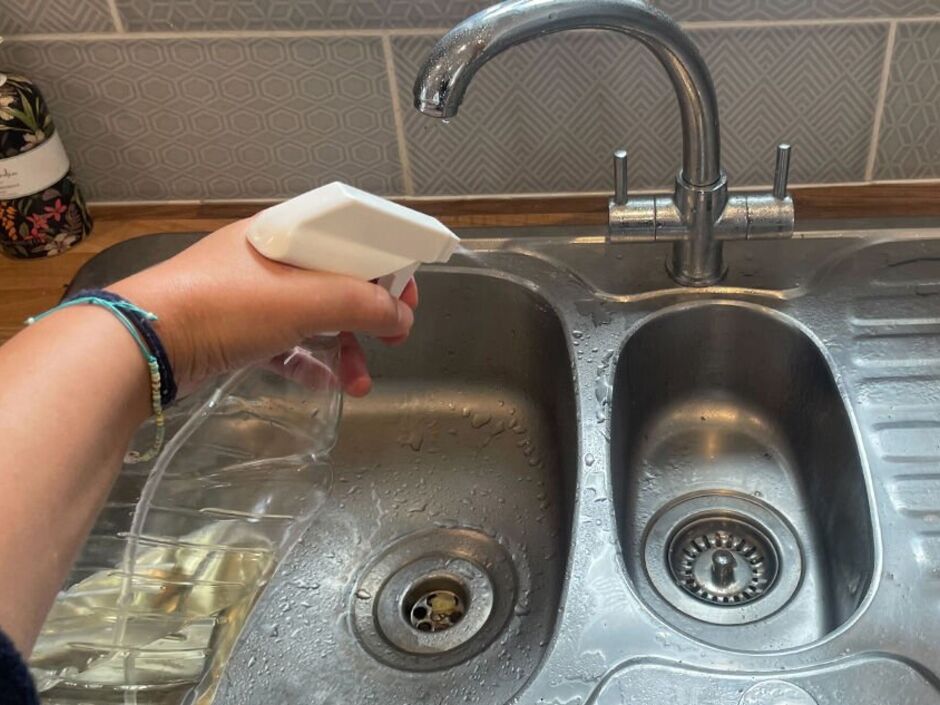
Lingering odors are another common problem that can turn your kitchen into an unpleasant place. These smells are often due to trapped food particles or stagnant water. Ever walk into your kitchen and wonder where that mysterious smell is coming from? Cleaning the drain with lemon juice or vinegar not only helps eliminate the odor but also leaves your kitchen smelling fresh. Regular maintenance and cleaning can prevent these smells from becoming a recurring issue.
Credit: www.youtube.com
Essential Tools And Materials
Repairing a kitchen sink drain requires the right tools and materials. These essentials make the job easier and more efficient. Having them on hand can prevent frustration and ensure a smoother repair process. Below are the key items you need.
Wrenches And Pliers
Wrenches are vital for tightening and loosening nuts. Adjustable wrenches offer flexibility for different sizes. Pliers are useful for gripping and twisting components. Slip-joint pliers can handle various tasks around the sink.
Pipe Cleaners And Brushes
Pipe cleaners help remove debris from the drain. Brushes scrub away stubborn residue. A small brush can reach tight spaces. These tools keep the pipes clean and free-flowing.
Sealants And Tapes
Sealants prevent leaks by sealing connections. Plumber’s tape is another effective sealant. It wraps around threads to secure fittings. These materials ensure a watertight seal and protect against future leaks.
Safety Precautions
Ensure safety by turning off the water supply before starting repairs. Wear gloves to protect your hands. Use appropriate tools carefully to avoid injury.
Repairing a kitchen sink drain can be straightforward. Safety is vital to avoid injuries and damage. Following simple precautions ensures a smooth repair process. Taking these measures protects you and your kitchen environment.Turning Off Water Supply
Always start by shutting off the water supply. Locate the valves under the sink. Turn them clockwise to stop water flow. This prevents unwanted leaks and accidents. Water can cause damage if not controlled.Wearing Protective Gear
Protective gear is essential during repairs. Wear gloves to shield your hands from sharp objects. Use goggles to protect eyes from splashes or debris. These items keep you safe while working. Safety ensures a hassle-free experience.Unclogging The Drain
Unclogging a kitchen sink drain is a common household task. A clogged drain can disrupt daily routines. But don’t worry; you can tackle this issue easily. With a few tools and supplies, your sink will be clear in no time.
Using A Plunger
A plunger is a simple tool for unclogging drains. First, fill the sink with enough water to cover the plunger’s cup. Place the plunger over the drain. Push down firmly and then pull up quickly. Repeat this several times to create suction. This motion can dislodge the clog. Check if the water drains properly.
Applying Baking Soda And Vinegar
Baking soda and vinegar are natural cleaning agents. Start by removing any standing water from the sink. Pour one cup of baking soda into the drain. Follow with one cup of vinegar. The mixture will fizz and bubble. Let it sit for about 15 minutes. Afterward, flush the drain with hot water. This can dissolve stubborn clogs.
Employing A Drain Snake
A drain snake is effective for deep clogs. Insert the snake into the drain slowly. Turn the handle to break up the blockage. Continue pushing until you feel resistance. Twist the snake to catch debris. Pull the snake out carefully, bringing the clog with it. Rinse the drain with water to clear any residue.
Fixing Leaks
Fixing leaks in your kitchen sink drain ensures a well-functioning kitchen. Leaks can cause water damage and increase your water bill. Addressing them promptly saves time and money. Follow these steps to fix leaks effectively.
Inspecting Pipe Connections
Begin by checking all pipe connections under the sink. Use a flashlight to see clearly. Look for water drips or moisture around joints. Tighten loose connections using a wrench. Ensure each connection is secure but not overly tight. Over-tightening can damage the pipes.
Replacing Worn-out Washers
Worn-out washers often cause leaks. Turn off the water supply before starting. Unscrew the pipe joint and remove the old washer. Check the washer for cracks or wear. Replace it with a new washer of the same size. Reassemble the joint and tighten it firmly.
Applying Pipe Sealants
Pipe sealants help seal minor leaks effectively. Clean the pipe surface before application. Apply a thin layer of sealant around leaky joints. Let it dry as per instructions on the sealant package. Ensure the area is dry and free from moisture for the best results.
Eliminating Odors
Fixing a kitchen sink drain can help eliminate unpleasant odors. Begin by clearing any clogs with a plunger or drain snake. Afterward, clean the pipes with a mixture of baking soda and vinegar to remove lingering smells.
Eliminating odors from your kitchen sink drain is crucial for a fresh-smelling kitchen. Over time, food particles and grease can build up and create unpleasant smells. Tackling these odors involves a few straightforward steps that can ensure your kitchen remains a welcoming space.Cleaning The Trap
The trap is the U-shaped pipe beneath your sink that holds water and prevents sewer gases from entering your home. To clean it, place a bucket underneath to catch any water or debris, then unscrew the trap. Once removed, scrub it with warm soapy water. You might be surprised by the gunk that accumulates. Regular cleaning can prevent odors from developing in the first place.Using Natural Deodorizers
Natural deodorizers can be an effective way to keep your kitchen sink smelling fresh. Baking soda and vinegar make a powerful combination. Sprinkle baking soda into the drain, followed by vinegar. Let it fizz for a few minutes before rinsing with hot water. Another option is lemon juice. Its acidic nature can cut through grease and leave a pleasant scent. Who doesn’t enjoy the smell of fresh lemons in the kitchen?Regular Maintenance Tips
Consistency is key to preventing odors. Regularly flush your drain with hot water to dislodge any lingering debris. Try using a drain brush every few weeks to remove buildup. Consider setting a monthly reminder to clean the trap and use natural deodorizers. This proactive approach keeps your kitchen smelling fresh and inviting. How often do you think about your kitchen sink’s health? By taking small steps, you can ensure it never becomes a problem.When To Call A Professional
Persistent clogs or leaks in a kitchen sink drain may require professional help. Strange noises or foul odors also indicate it’s time to call an expert. Avoid further damage by seeking assistance when DIY fixes fail.
Deciding when to call a professional for kitchen sink drain repairs can save you time and prevent further damage. While some issues are manageable with DIY efforts, certain situations require expertise. Understanding these scenarios helps you make informed decisions and protect your kitchen from future headaches.Persistent Issues
If you find yourself repeatedly facing the same drain issues despite your best efforts, it might be time to seek professional help. Constant clogs, slow draining, or frequent backups are signs of underlying problems that may not be visible. A professional can diagnose the root cause and offer solutions that prevent recurrence. Consider the costs of temporary fixes. Are you spending more on repeated DIY attempts than you would on a one-time professional repair? Sometimes, the expertise of a plumber provides a long-term fix that saves money in the long run.Complex Repairs
Some repairs can be too complicated for DIY approaches. If your sink drain involves intricate pipework or requires special tools, it’s wise to call in a professional. Issues like leaks in hard-to-reach places or damaged pipes might need expert intervention. Reflect on your skill level. Are you comfortable handling complex plumbing tasks? A professional ensures the job is done correctly, preventing potential missteps that could lead to bigger issues. Asking for help isn’t a sign of defeat; it’s a smart way to ensure your kitchen remains functional and safe. So, when should you call a professional? When the problems persist and the repairs seem daunting, a professional’s touch might be just what you need.
Credit: www.familyhandyman.com
Frequently Asked Questions
How Do You Take Apart A Kitchen Sink Drain?
First, turn off the water supply. Use pliers to unscrew the slip nuts on the drain pipes. Remove the P-trap carefully. Detach the tailpiece from the sink drain. Clean any residue before reassembling. Always ensure to wear gloves for safety.
How To Fix A Drain That Won’t Pop Back Up?
Check for debris blocking the mechanism. Clean the drain, removing any hair or residue. Adjust the stopper’s alignment if misaligned. Lubricate the pivot rod and spring with silicone grease. Reassemble the components and test the drain. If issues persist, consult a plumber for professional assistance.
How To Fix The Seal On A Kitchen Sink Drain?
To fix the seal on a kitchen sink drain, first remove the drain cover. Clean the area thoroughly. Apply plumber’s putty around the drain edge. Secure the drain cover tightly. Check for leaks and adjust if necessary. Ensure the seal is tight and even for optimal performance.
Can Kitchen Sink Drains Be Replaced?
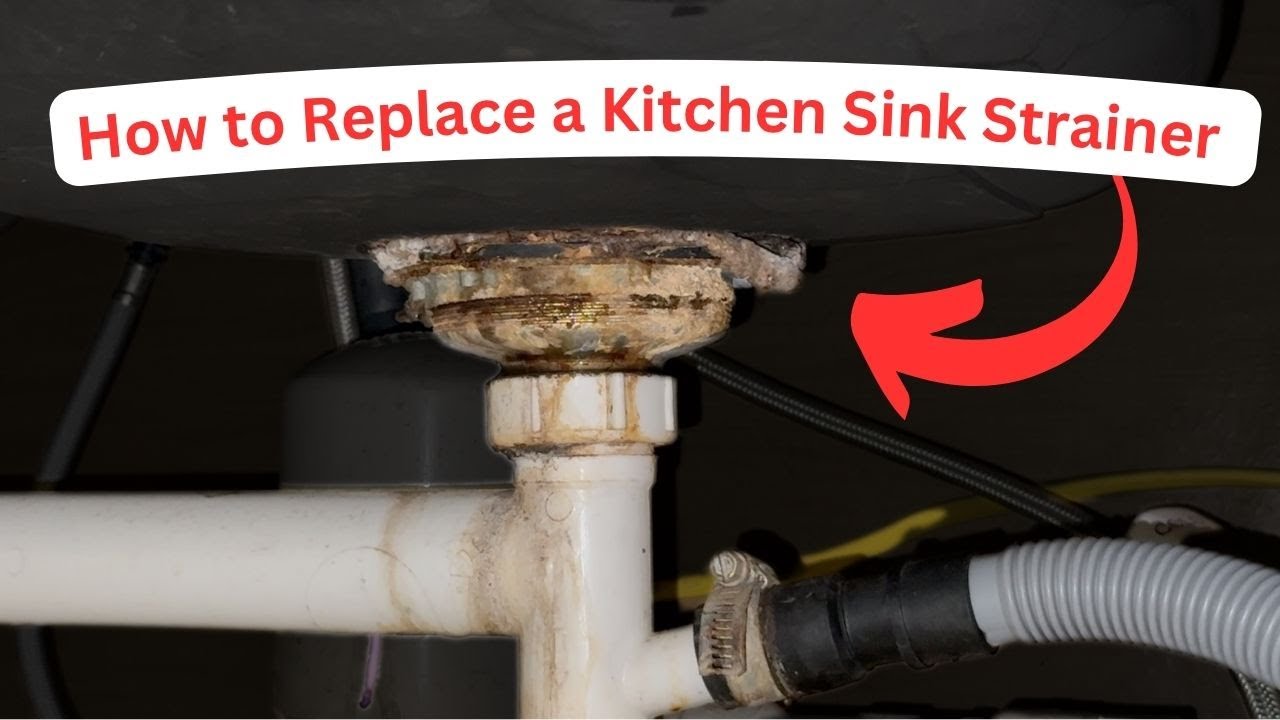
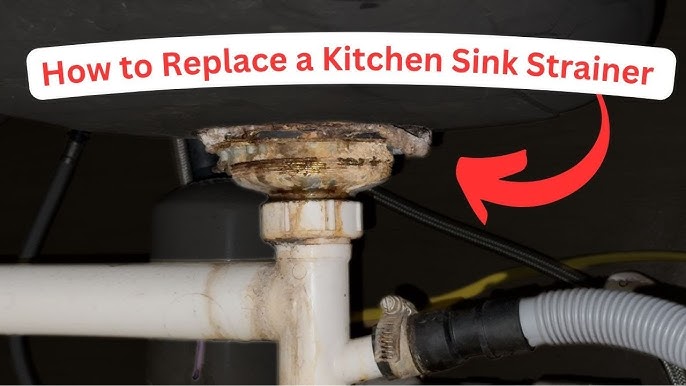
Yes, kitchen sink drains can be replaced. Ensure proper fitting and sealing for effective drainage. Consider hiring a professional plumber for complex installations or if unsure. Regular maintenance prolongs the lifespan of your drain. Replacement may be necessary due to wear, damage, or leaks.
Conclusion
Repairing your kitchen sink drain can be simple. Start by identifying the problem. Common issues include clogs and leaks. Gather the necessary tools. Basic tools like pliers and wrenches are essential. Follow step-by-step instructions carefully. This ensures safety and efficiency.
Regular maintenance prevents future problems. Clean drains weekly to keep them clear. Always check connections for leaks. A well-maintained sink saves money and time. You won’t need to call a plumber often. Feel confident about doing repairs yourself. Your kitchen sink will work smoothly.
Enjoy a hassle-free cooking experience.

Similar Posts