How to Unclog a Kitchen Sink With Garbage Disposal: Quick Fix
Your kitchen sink is a vital hub of activity in your home. From washing dishes to prepping meals, it’s a space you rely on daily.
But when your sink suddenly clogs, especially with a garbage disposal involved, it can throw a wrench in your routine. The good news? You don’t need to be a plumbing expert to tackle this common issue. With just a few simple steps, you can have your sink running smoothly again.
Imagine the relief of hearing that satisfying gurgle as water flows freely down the drain. You’ll discover practical tips and tricks to unclog your kitchen sink with a garbage disposal, ensuring you can get back to your daily activities without a hitch. Are you ready to tackle this problem head-on and restore order to your kitchen? Let’s dive in!

Credit: www.youtube.com
Assess The Situation
When faced with a clogged kitchen sink equipped with a garbage disposal, the first step towards resolving the issue is to thoroughly assess the situation. Understanding the root of the problem can save you time and effort, and help you avoid unnecessary repairs. This process involves identifying the symptoms and checking for any power issues that might be contributing to the clog.
Identify The Symptoms
Start by observing the behavior of your sink. Is the water draining slowly, or is there a complete blockage? Listen for unusual noises from the disposal unit, such as grinding or humming. These sounds can indicate an obstruction or malfunction within the unit.
Check if there are any foul smells emanating from the sink. This can be a sign of decomposing food particles stuck in the disposal. These symptoms are your clues, helping you pinpoint whether the issue is with the disposal or the plumbing.
Check For Power Issues
Once you’ve identified the symptoms, it’s crucial to ensure that the garbage disposal is receiving power. Look for the reset button located on the bottom or side of the unit. Pressing this button can sometimes resolve power-related problems.
If the reset doesn’t work, inspect the power source. Verify that the unit is plugged in properly and check the circuit breaker to ensure it hasn’t tripped. A lack of power can halt the disposal’s operation, contributing to a clogged sink.
Ask yourself: could a simple power issue be the cause of your kitchen chaos? By addressing power problems, you may find a quick and easy solution to your clogged sink woes.

Credit: www3.drano.com
Safety Precautions
Ensure the power to the disposal is off before working. Use gloves to protect your hands from sharp objects. Keep tools like pliers and a flashlight handy to safely remove blockages.
When dealing with a clogged kitchen sink equipped with a garbage disposal, safety should always be your top priority. It’s tempting to dive right in and solve the problem, but taking a few moments to ensure you’re safe can prevent injuries and further damage. Let’s look at some key safety precautions that you should consider before you start the unclogging process.Disconnect Power
Before you even think about reaching into the disposal unit, make sure to disconnect the power. This is a crucial step that many overlook. Simply unplug the disposal from the outlet under your sink. If it’s hardwired, locate the circuit breaker and turn it off. This step ensures that the disposal won’t accidentally turn on while you’re working on it. Electricity and water are a dangerous mix, and this precaution is non-negotiable. You wouldn’t want any unexpected surprises, right?Wear Protective Gear
Once the power is off, it’s time to suit up with the right protective gear. Wearing gloves is essential to protect your hands from sharp objects or debris that might be lurking down the drain. Rubber gloves not only keep your hands clean but also offer a better grip when you’re trying to clear the clog. Consider wearing safety goggles to shield your eyes from any splashes or flying particles. It might sound excessive, but you’ll appreciate it if things get messy. Taking these precautions is a small effort compared to the peace of mind it provides. So, are you ready to tackle that clog safely?Basic Cleaning Methods
Dealing with a clogged kitchen sink can be frustrating. Fortunately, there are simple ways to unclog it, especially if you have a garbage disposal. Basic cleaning methods are often effective and easy to perform.
Use A Plunger
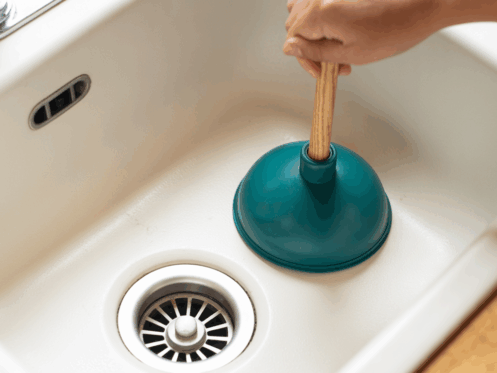
A plunger is a handy tool for unclogging sinks. Ensure the sink is partially filled with water. This creates a seal over the drain. Place the plunger over the drain opening. Push down and pull up with force. Repeat several times until the clog dislodges.
Boiling Water Technique
Boiling water can break down minor clogs. First, remove any standing water from the sink. Boil a pot of water. Carefully pour it down the drain in small amounts. The heat helps dissolve grease and debris. Repeat if necessary until the clog clears.
Credit: qualitycool.com
Using Baking Soda And Vinegar
Clogged kitchen sinks can be a real nuisance, especially with garbage disposals. A simple, eco-friendly method exists to tackle this. Using baking soda and vinegar is not only effective but also safe for your pipes. This natural solution creates a fizzing action that helps break down stubborn clogs. It’s an easy process that requires minimal ingredients and effort. Let’s dive into the steps needed to unclog your kitchen sink using this method.
Measure Ingredients
First, gather half a cup of baking soda and one cup of vinegar. These measurements ensure the right balance for a strong reaction. Having these ready will make the process smooth and efficient.
Pour And Wait
Pour the baking soda down the sink drain. Ensure it goes directly into the opening. Next, slowly add the vinegar. The mixture will start to fizz and bubble. This reaction helps to dislodge the clog. Let it sit for about 15 minutes. This gives the solution time to work effectively. After waiting, flush the drain with hot water. Repeat if necessary for stubborn clogs.
Manual Removal Of Blockages
Removing blockages manually involves turning off the garbage disposal and using pliers to extract debris. Carefully inspect the disposal chamber and remove visible obstructions using a flashlight. Ensure the disposal is unplugged to avoid accidents during the process.
Manually removing blockages from your kitchen sink with a garbage disposal can seem daunting, but it’s a straightforward process with the right approach. Often, the issue isn’t as complicated as it appears. Before calling a professional, try these simple steps to clear the blockage and restore your sink’s efficiency.Inspect Disposal Unit
Begin by turning off the power to the garbage disposal. This crucial safety step ensures you won’t accidentally turn it on while inspecting it. You can usually find the switch under the sink or at the circuit breaker. Once the power is off, use a flashlight to look inside the disposal unit. Check for visible objects or debris that might be causing the clog. Items like small utensils, bones, or food particles can become lodged, obstructing water flow.Use A Wrench Or Pliers
If your inspection reveals a blockage, a wrench or pliers can be your best friend. Many garbage disposals come with a hex-shaped hole on the bottom. Insert an Allen wrench into this hole and turn it clockwise to manually rotate the blades and dislodge the obstruction. If the blockage is visible, use pliers to carefully remove the item. Be patient and gentle to avoid damaging the disposal blades. Tip: Use rubber gloves to protect your hands from sharp objects and keep a bucket nearby to catch any dislodged debris. Ever found a stray silver spoon in your disposal? It’s amazing what can accidentally end up there! With careful inspection and a few simple tools, you can tackle most kitchen sink blockages yourself. Isn’t it empowering to know you can solve such problems without outside help? Give these methods a try before reaching for the phone. You’ll save time and perhaps discover a new DIY skill.Resetting The Garbage Disposal
Resetting the garbage disposal can help unclog a kitchen sink. First, turn off the disposal and unplug it. Press the reset button located underneath the disposal unit, then plug it back in and test its function.
Resetting the Garbage Disposal is a simple yet crucial task. It can solve many common kitchen sink problems. A reset can often fix minor clogs and jams. It refreshes the system, allowing it to work efficiently. This process requires locating the reset button and testing the disposal. Let’s dive into the details of each step.Locate The Reset Button
Find the reset button under the disposal unit. It’s usually red and located at the bottom. You might need to crouch down or use a flashlight. Press the button firmly until you hear a click. This action resets the motor.Test The Disposal
After resetting, run cold water into the sink. Turn on the disposal switch and listen. A humming sound indicates it’s working properly. If there’s no sound, check the circuit breaker. Ensure it’s not tripped and try again. Testing confirms the reset was successful.Preventive Maintenance Tips
Unclogging a kitchen sink with a garbage disposal requires simple preventive maintenance. Regularly clean the disposal using ice cubes and vinegar to remove build-up. Avoid disposing of fibrous foods like celery and potato peels to prevent clogs.
Preventive maintenance is key to keeping your kitchen sink with garbage disposal running smoothly. By adopting a few simple habits, you can avoid the hassle of clogs and costly repairs. These tips will help you maintain a clean and efficient garbage disposal system.Regular Cleaning Routine
Establish a cleaning routine to keep your garbage disposal fresh. Use a mix of baking soda and vinegar once a week to eliminate odors and break down residues. Grinding ice cubes can help dislodge any buildup inside the disposal. It’s a simple yet effective way to keep the blades sharp and free from debris. Consider using lemon or orange peels occasionally. They leave a pleasant scent and help clean the disposal naturally.Avoid Problematic Foods
Be mindful of what you put down the disposal. Starchy foods like potatoes and pasta can expand and clog pipes. Fibrous vegetables, such as celery or corn husks, can wrap around the blades, causing jams. Would you expect eggshells to be problematic? Surprisingly, they can create sediment that builds up over time. Grease and oil are notorious for solidifying and causing blockages. Dispose of them separately to prevent future issues. By integrating these preventive maintenance tips into your routine, you’ll keep your kitchen sink with garbage disposal working efficiently. Making small changes today can save you from bigger headaches tomorrow.When To Call A Professional
Persistent clogs in kitchen sinks with garbage disposals might require professional help. If plunging or cleaning the trap doesn’t work, it’s time to call an expert. A plumber can diagnose and fix complex issues, ensuring your disposal runs smoothly.
When you’re dealing with a clogged kitchen sink with a garbage disposal, it can be tempting to tackle the issue yourself. However, there are times when calling a professional is the smartest choice. Knowing when to seek expert help can save you time, money, and prevent further damage to your plumbing system.Persistent Clogs
If your sink remains clogged after multiple attempts to clear it, it might be time to call a professional. Persistent clogs can indicate a more serious blockage deeper in your plumbing. A professional plumber has the tools and expertise to identify and resolve these stubborn issues efficiently. Have you ever spent hours trying to fix a clog only to find it returns the next day? This can be a sign that the problem is beyond a simple DIY fix. A plumber can provide a long-term solution that prevents recurring issues.Strange Noises Or Smells
Unusual noises or foul smells coming from your garbage disposal are red flags. These can indicate a mechanical problem or trapped debris that’s not accessible with typical cleaning methods. Imagine turning on your disposal and hearing a grinding noise that wasn’t there before. Or noticing a persistent odor that won’t go away despite thorough cleaning. These situations often require a professional’s touch to diagnose and fix the underlying problem. Consider calling in a plumber if you’re dealing with these unpleasant symptoms. They can quickly pinpoint the issue and get your disposal running smoothly again, restoring peace to your kitchen. When faced with persistent clogs or strange noises and smells, don’t hesitate to reach out for professional help. It’s a wise investment in the longevity and efficiency of your kitchen’s plumbing.Frequently Asked Questions
How Do You Unclog A Sink That Has A Garbage Disposal?
Turn off the garbage disposal. Use a plunger to unclog the sink. Avoid using chemical drain cleaners. Remove blockages manually if necessary. Flush with hot water and baking soda for maintenance.
Why Is Water Backing Up In My Kitchen Sink With A Garbage Disposal?
Water backs up in your kitchen sink due to clogged pipes or a jammed garbage disposal. Food scraps, grease, and debris can block drainage. Regularly clean the disposal and avoid dumping non-disposable items. Use a plunger or natural cleaners to clear minor clogs and maintain smooth water flow.
How To Unclog A Severely Blocked Sink?
Use a plunger to dislodge debris. Pour boiling water, then baking soda and vinegar. Wait 15 minutes. Flush again.
Is It Okay To Put Baking Soda And Vinegar In The Garbage Disposal?
Yes, using baking soda and vinegar in the garbage disposal is safe. They effectively clean and deodorize it.
Conclusion
Unclogging a kitchen sink with a garbage disposal is simple. Start by turning off the power. Remove any visible debris with tongs or pliers. Check the disposal blades for jams. Use a plunger to clear stubborn clogs. Baking soda and vinegar can help dissolve build-up.
Rinse with hot water for thorough cleaning. Regular maintenance prevents future blockages. A clean sink means no bad smells. Save money by handling minor clogs yourself. Enjoy a smoothly running kitchen sink again. Remember, safety first—always ensure the disposal is off before starting.
Keep these tips handy for future use.