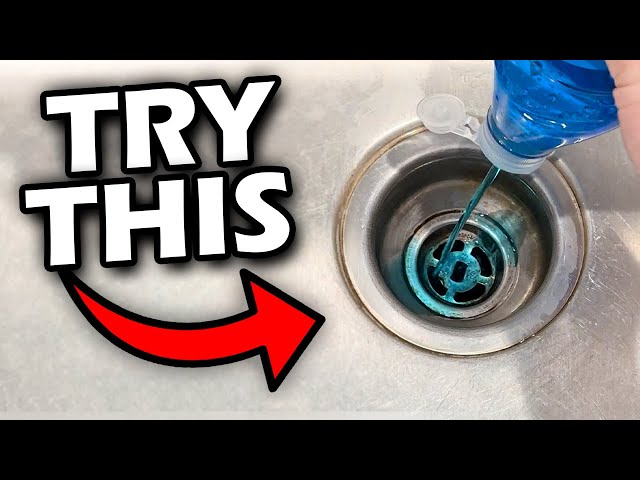
How to Unclog Kitchen Sink With Vinegar And Baking Soda: Easy DIY Steps
Are you tired of standing over your kitchen sink, watching the water swirl around stubbornly as it refuses to drain? If you’re facing a clogged kitchen sink, you’re not alone.
The good news is, you don’t need to call a plumber or reach for harsh chemicals. With just two simple ingredients found in most kitchens—vinegar and baking soda—you can tackle that stubborn clog yourself. Not only is this method effective, but it’s also eco-friendly and gentle on your pipes.
Imagine the satisfaction of solving this household problem with a few pantry staples. Dive into our step-by-step guide and discover how you can restore your sink to its free-flowing glory in no time. Ready to roll up your sleeves and unleash the power of these natural cleaning wonders? Let’s get started!
Materials Needed
Gather essential items: vinegar, baking soda, boiling water, and a sink stopper or cloth. These simple materials effectively unclog kitchen sinks.
Unclogging your kitchen sink with vinegar and baking soda is simple. You need a few materials to get started. These items are usually found in most kitchens. Preparing them in advance ensures a smooth process.Vinegar
Vinegar is a key ingredient in this method. White vinegar works best for cleaning. It helps break down grease and grime. Its acidic nature dissolves buildup in pipes.Baking Soda
Baking soda is another essential material. It reacts with vinegar to create foam. This foam helps push debris out of the pipes. Baking soda also deodorizes, leaving your sink fresh.Hot Water
Hot water is crucial for rinsing the sink. It helps clear remaining residue. Use boiling water for the best results. Ensure it’s hot enough to aid the cleaning process.Sink Stopper Or Rag
You’ll need a sink stopper or rag to cover the drain. This helps keep the reaction contained. It ensures the foam reaches all parts of the clog.Measuring Cups
Measuring cups help with accurate portions. Use them to measure vinegar and baking soda. This ensures the right balance for effective cleaning.Timer
A timer helps track the process duration. Timing ensures each step is completed properly. It helps manage waiting periods between actions.Safety Precautions
Ensure proper ventilation by opening windows to let in fresh air. Wear gloves to protect your hands from the mixture. Keep children and pets away from the sink area during the process.
Unclogging a kitchen sink with vinegar and baking soda is effective. Yet, following safety precautions ensures a hassle-free process. These natural ingredients are safe. But, proper handling is vital to prevent mishaps. Here’s how to stay safe while unclogging your sink.Protective Gear
Wear gloves to protect your hands from irritation. They also keep your hands clean while handling the mixture. Use goggles to shield your eyes from splashes.Ventilation
Ensure the kitchen is well-ventilated. Open windows or doors to allow fresh air. This prevents inhalation of any fumes during the process.Correct Measurements
Use proper amounts of vinegar and baking soda. Using too much can cause excessive bubbling. This may lead to spills or minor accidents.Safe Disposal
Dispose of the mixture safely after use. Pour it down the sink slowly. This prevents overflow or splashing.Children And Pets
Keep children and pets away during the process. They might ingest or spill the ingredients accidentally.Emergency Plan
Have an emergency plan ready. Know what to do in case of irritation or accidental ingestion. Keep a first aid kit handy.Preparing The Sink
Begin by clearing the sink area. Remove any dishes and debris. Ensure the drain is accessible for cleaning.
Preparing the Sink Unclogging a kitchen sink using vinegar and baking soda is a straightforward process, but preparation is key to success. Taking the time to ready your sink will ensure the remedy works efficiently. Let’s dive into the essential steps you need to take before adding the vinegar and baking soda.Remove Stagnant Water
Before you can treat your clogged sink, it’s crucial to remove any stagnant water. Use a cup or a small container to scoop out the water, transferring it to a bucket or another sink. This step not only clears the area but also prevents the mixture from being diluted. Stagnant water can mask the severity of the clog. Once it’s gone, you’ll have a clearer view of the situation. Have you ever tried clearing a sink only to find water remains? Removing it first helps you focus on the real problem.Clear The Drain Area
Next, you’ll want to clear the drain area of any visible debris. Food scraps or small items can block the solution from reaching the heart of the clog. Use gloves to remove any debris and ensure there’s a clear path for the mixture. A clear drain area sets the stage for the vinegar and baking soda to work their magic. It’s like prepping a canvas before you start painting. Think about the times you’ve struggled with a stubborn clog; often, small obstructions are the culprits. Clearing them away is a simple yet powerful step. Ready to unclog that sink? The preparation is just as important as the solution itself.
Credit: www.instagram.com
Mixing Vinegar And Baking Soda
Mix vinegar and baking soda to create a powerful fizz that helps unclog kitchen sinks. Pour vinegar and baking soda down the drain to break down grease and debris. This natural method is eco-friendly and cost-effective, perfect for keeping your kitchen sink flowing smoothly.
Mixing vinegar and baking soda is a simple yet effective way to tackle a clogged kitchen sink. This dynamic duo not only unclogs but also cleans your pipes, leaving them fresh and odor-free. But, how do you mix these two household staples to achieve the best results?Proper Ratios
Getting the right ratio of vinegar to baking soda is key. Too much of one can either make the mixture ineffective or cause a mess. – Start with: – 1/2 cup of baking soda – 1 cup of vinegar This combination creates a fizzing reaction that helps dislodge the blockage.Mixing Process
Pour the baking soda directly into the drain. It’s crucial to ensure it goes down the pipe and not just sitting on the surface. Follow up by slowly adding the vinegar. You might notice a fizzing sound, which is a sign that the reaction is working. Allow the mixture to sit and work its magic for about 15 minutes. During this time, you can reflect on the simplicity of this natural cleaning method. Finally, flush the sink with hot water. This helps clear away any remaining debris. Have you ever wondered why such a simple mixture can be so powerful? It’s the combination of an acid (vinegar) and a base (baking soda) that creates a natural cleansing action. Try it out next time your sink slows down, and you might just find yourself amazed by the results!Applying The Mixture
Applying the Mixture Pour a cup of baking soda down the sink, followed by a cup of vinegar. Let it fizz and sit for 15 minutes. Flush with hot water to clear the clog.
Unclogging a kitchen sink with vinegar and baking soda is simple. This natural method avoids harsh chemicals. The process involves a few easy steps. It’s safe, eco-friendly, and effective. Let’s dive into applying the mixture.Pouring Baking Soda
Start by pouring baking soda down the sink. Use about half a cup. Ensure it goes directly into the drain. This powder breaks down grime and debris. It also helps deodorize the drain.Adding Vinegar
Next, add vinegar to the baking soda. Use about one cup. White vinegar works best. Pour it slowly into the drain. The mixture will fizz and bubble. This reaction helps loosen the clog.Letting It Sit
Allow the mixture to sit in the drain. Leave it for at least 30 minutes. This time lets the mixture work effectively. The fizzing action helps clear the blockage. After waiting, flush the drain with hot water. This final step removes any remaining debris. Your sink should now drain smoothly.
Credit: www.aol.com
Flushing The Drain
Unclog kitchen sinks naturally using vinegar and baking soda. First, pour baking soda down the drain. Follow with vinegar. Wait for 15 minutes, then rinse with hot water.
Flushing the drain is an essential step in ensuring your efforts to unclog the kitchen sink with vinegar and baking soda are successful. Once the mixture has had time to work its magic, it’s crucial to clear out any remaining debris. This process not only helps in clearing the clog but also ensures the drain is left clean and fresh.Using Hot Water
After the vinegar and baking soda have sat in the drain for about 30 minutes, it’s time to use hot water. Boil a kettle or pot of water, as hot water is more effective in dissolving any remaining particles in the drain. Carefully pour the hot water down the drain in a steady stream. This step is crucial as it helps to flush out the remnants of the clog. You might be surprised at how much of a difference hot water can make. It’s a simple yet powerful way to ensure your drain is clear.Repeat If Necessary
Sometimes, one cycle of vinegar and baking soda might not completely clear a stubborn clog. If the water still drains slowly, don’t be discouraged. Simply repeat the process. Patience is key here. Try running the vinegar and baking soda through your sink once more, followed by another flush with hot water. Have you ever wondered why simple solutions often work best? This method is not only cost-effective but also avoids harsh chemicals, making it a safer choice for you and your pipes. If your sink is still not draining properly, it might be time to explore other options or seek professional help.Alternative Methods
Unclogging a kitchen sink can be a hassle. Vinegar and baking soda work wonders, but there are other methods too. Here, we explore alternative ways to tackle the stubborn clog.
Using Salt And Boiling Water
Salt is a natural abrasive. It can help break down grease. Pour half a cup of salt into the drain. Follow it with boiling water. The hot water dissolves the salt. Together, they help flush the debris away. Repeat if necessary for tougher clogs.
Plunger Technique
A plunger can be your best friend. It creates suction, which loosens the blockage. Fill the sink halfway with water. Place the plunger over the drain. Push and pull rapidly. This action can dislodge the clog. Be persistent for stubborn blockages. Use a sink-specific plunger for best results.
Preventing Future Clogs
Unclogging a kitchen sink is simple with vinegar and baking soda. Pour half a cup of baking soda, followed by a cup of vinegar. Let it fizz and sit for 15 minutes, then rinse with hot water. This natural method helps keep pipes clear and prevents future clogs.
Preventing clogs is key to maintaining a smooth-running kitchen sink. Regular maintenance and smart habits can keep your drains clear. Avoid the hassle of dealing with clogs by implementing effective strategies.Regular Maintenance Tips
Regular maintenance helps prevent kitchen sink clogs. Clean your sink weekly using vinegar and baking soda. Pour half a cup of baking soda down the drain. Follow it with a cup of vinegar. Let it fizz for 10 minutes. Then, rinse with hot water. Check your pipes for leaks or corrosion monthly. This ensures they function properly. Small issues can lead to bigger problems. Fix them early to avoid clogs.Avoiding Common Culprits
Certain items often cause clogs. Avoid pouring grease down the drain. It solidifies and blocks pipes. Instead, dispose of it in the trash. Coffee grounds also contribute to clogs. Throw them in the compost instead. Use a strainer to catch food particles. This keeps them from entering the drain. Regularly empty the strainer to maintain water flow. Keep these tips in mind to prevent future clogs.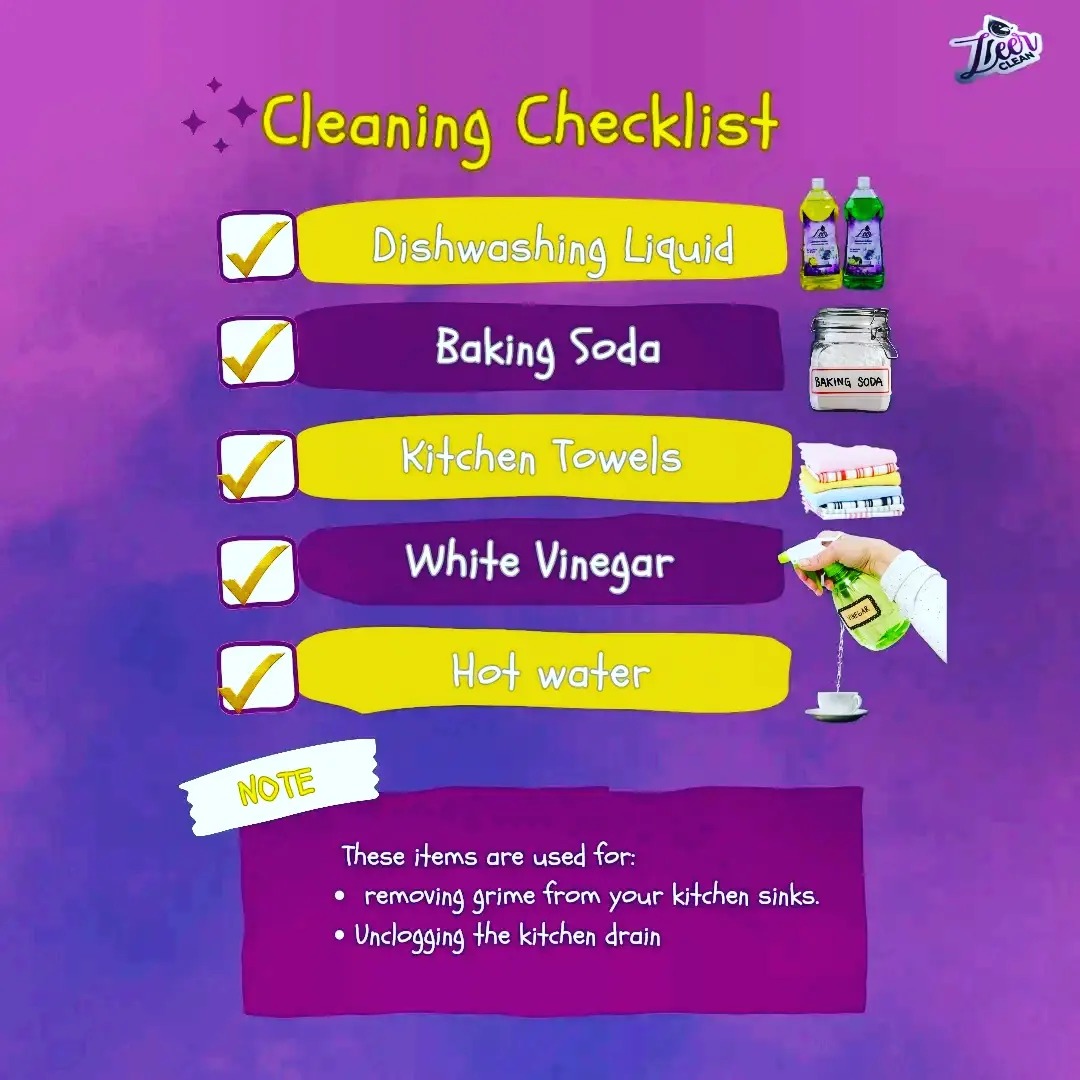
Credit: www.facebook.com
Frequently Asked Questions
How Long Does It Take Vinegar And Baking Soda To Unclog A Sink?
Vinegar and baking soda can unclog a sink in about 30 minutes. Pour baking soda down the drain, followed by vinegar. Wait for the fizzing reaction to stop, then rinse with hot water. For tough clogs, repeat the process. This method is eco-friendly and effective for minor blockages.
Why Does A Plumber Expert Warn Against Using Vinegar And Baking Soda On Drains?
Plumbers warn against vinegar and baking soda as they can damage pipes and don’t effectively clear clogs. These substances may create pressure buildup, leading to pipe leaks or bursts. Using them may also corrode certain pipe materials, worsening the issue.
It’s best to use professional drain cleaning methods.
Should I Clean My Kitchen Sink With Baking Soda And Vinegar?
Yes, cleaning your kitchen sink with baking soda and vinegar is effective. This natural method removes stains, odors, and bacteria. Sprinkle baking soda, then pour vinegar. Let it fizz, scrub, and rinse. It’s eco-friendly, safe, and budget-friendly for maintaining a clean sink.
How To Unblock A Kitchen Sink With Standing Water?
To unblock a kitchen sink, remove standing water using a bucket or cup. Use a plunger vigorously on the drain. Pour a mixture of baking soda and vinegar down the drain, wait, then flush with hot water. Repeat if necessary for stubborn clogs.
Conclusion
Vinegar and baking soda make sink cleaning simple. These common items work together. Bubbles form and help clear clogs. No harsh chemicals needed. Save money and avoid plumber calls. Easy steps anyone can follow. Feel confident tackling this task. Keep drains free-flowing.
Regular upkeep prevents future issues. Enjoy a clean kitchen sink. Safe for the environment. No need for special tools. Always have these items ready. Goodbye stubborn clogs. Your sink deserves care. Maintain it with natural solutions. Simplify your routine. Try it today.
Experience the difference!