Is Laminate Flooring Suitable for a Kitchen? Discover the Truth
Have you ever found yourself standing in the kitchen, contemplating a flooring makeover, only to be overwhelmed by the sheer number of options available? You’re not alone.
Choosing the right flooring for your kitchen can feel like a daunting task, especially when you want it to blend style, durability, and affordability. You’ve likely heard of laminate flooring as a popular choice, but is it really suitable for a kitchen?
This question might be the key to transforming your cooking space into a cozy, yet practical hub of your home. We’ll unravel the truths and myths surrounding laminate flooring in the kitchen, helping you make an informed decision that your future self will thank you for. Stay with us as we explore the benefits, potential drawbacks, and expert tips to ensure your kitchen not only looks stunning but stands the test of time.
Pros Of Laminate Flooring In Kitchens
Choosing the right flooring for a kitchen can be challenging. Laminate flooring offers various advantages that make it a strong contender. Its benefits make it an appealing option for homeowners seeking style and functionality.
Durability And Scratch Resistance
Laminate flooring is known for its durability. It withstands heavy foot traffic. This makes it perfect for busy kitchens. Scratch resistance is another key feature. It handles dropped utensils and moving furniture well. The protective layer keeps it looking new longer.
Affordability And Cost-effectiveness
Laminate flooring is budget-friendly. It offers an excellent balance between cost and quality. Installation is easy, saving on labor costs. Maintenance is simple, reducing long-term expenses. This makes laminate a wise financial choice.
Variety Of Designs And Styles
Laminate offers diverse designs. It mimics wood, stone, and tile. Homeowners can match their kitchen’s decor easily. It comes in various colors and patterns. This variety provides flexibility in achieving desired aesthetics.
Cons Of Laminate Flooring In Kitchens
When considering flooring options for your kitchen, laminate flooring is often a popular choice due to its affordability and aesthetic appeal. However, it’s essential to weigh the downsides before making a decision. While laminate flooring can mimic the look of wood or stone, it comes with its own set of challenges, particularly in a kitchen environment.
Susceptibility To Water Damage
One major drawback of laminate flooring in the kitchen is its vulnerability to water damage. Unlike tiles or vinyl, laminate isn’t entirely waterproof. A spill that isn’t cleaned up promptly can seep into the seams, causing the planks to warp or swell. Imagine a bustling kitchen where spills are part of the daily routine—laminate might not be the most forgiving choice. Have you ever stepped into a kitchen with a floor that seemed uneven or bubbled in certain spots? That’s often the result of water exposure.
Limited Lifespan Compared To Alternatives
While laminate can be a budget-friendly option upfront, it often has a shorter lifespan compared to alternatives like hardwood or tile. This means you might find yourself replacing it sooner than you’d like. If you’re planning on staying in your home for the long haul, this could result in higher costs over time. Would you prefer to invest in a floor once or face the hassle of replacement every few years?
Noise And Underfoot Feel
Another point to consider is the noise level and feel underfoot. Laminate flooring can sometimes produce a hollow sound when walked on, which can be quite noticeable in a quiet home. Additionally, it might not offer the warmth or comfort you might desire in a kitchen space where you spend a lot of time standing. Have you noticed how different it feels to stand on a soft, cushioned floor versus a hard, echoey one?
Choosing the right flooring for your kitchen is a significant decision that impacts both functionality and comfort. By understanding the potential downsides of laminate flooring, you can make a more informed choice that suits your lifestyle and long-term plans.
Waterproof Options And Solutions
Laminate flooring in the kitchen offers style and practicality. With advancements, it now includes waterproof options. These solutions guard against spills and moisture, making laminate a viable choice for busy kitchens.
Water-resistant Laminate Choices
Water-resistant laminate is designed to handle moisture better. It features a tight locking system that prevents water from seeping through. This type of laminate is ideal for kitchens where spills happen often. The surface repels water, keeping the core safe from damage.
Protective Sealing Techniques
Applying a sealant can enhance a laminate floor’s water resistance. Sealants form a protective layer on the surface, blocking moisture. Regular sealing maintains the floor’s durability and appearance. It ensures longevity even in high-moisture environments like kitchens.
Maintenance Tips For Kitchen Laminate
Is Laminate Flooring Suitable for a Kitchen Laminate flooring works well in kitchens due to its durability and easy cleaning. Regular sweeping and occasional damp mopping keep it looking fresh. Avoid excessive water to prevent damage.
Maintaining laminate flooring in your kitchen can be straightforward with the right approach. While laminate is a popular choice for its affordability and appealing designs, it requires specific care to keep it looking fresh and long-lasting. Understanding how to clean and protect your laminate flooring can make all the difference.Cleaning And Care Recommendations
Regular cleaning is crucial for keeping your kitchen laminate in top condition. Use a soft-bristle broom or a vacuum cleaner designed for hard floors to remove dust and debris. A damp microfiber mop can be your best friend—just ensure it’s not too wet to avoid water damage. Avoid harsh chemicals and opt for laminate-friendly cleaning solutions. You can even make a DIY cleaner with equal parts of water and vinegar. Always wipe up spills immediately to prevent staining and swelling.Preventative Measures Against Damage
Think about the small changes you can make to protect your flooring. Place mats near the sink and stove to catch spills and splatters. Felt pads under furniture legs can prevent unsightly scratches. Be mindful of high heels or sharp objects that could dent or scratch the surface. If you have a furry friend, keep their nails trimmed to minimize wear and tear. Consider how often your kitchen sees foot traffic. If it’s the heart of your home, these preventative steps will go a long way in preserving your laminate’s beauty. What other strategies have you found effective in maintaining your laminate flooring? Share your experiences and tips below!Comparing Laminate To Other Flooring Types
When choosing flooring for your kitchen, laminate often emerges as a popular contender due to its affordability and versatility. However, it’s essential to weigh laminate against other flooring options to see how it stacks up in terms of durability, aesthetics, and maintenance. Let’s dive into a comparison of laminate with hardwood, vinyl, and tile to help you make an informed decision.
Laminate Vs. Hardwood
Hardwood floors exude a classic charm and warmth that many homeowners adore. They add significant value to your home and can last for decades with proper care. However, hardwood isn’t the best fit for kitchens due to its susceptibility to water damage.
In contrast, laminate flooring is more resistant to moisture, making it a practical choice for kitchens. While laminate may not offer the same timeless appeal as hardwood, advancements in design have made it look impressively similar. If you’re considering a cost-effective and low-maintenance option, laminate could be your answer.
Laminate Vs. Vinyl
Vinyl flooring is another strong contender for kitchens, known for its waterproof qualities and durability. It’s often softer underfoot compared to laminate, providing a more comfortable cooking experience. However, vinyl can sometimes lack the visual depth and texture that laminate offers.
Laminate is ideal if you’re aiming for a more natural look without compromising on ease of installation. Both materials are budget-friendly, but the choice may ultimately depend on which aesthetic and tactile qualities you prefer in your kitchen space.
Laminate Vs. Tile
Tile flooring is a go-to for kitchens thanks to its durability and ease of cleaning. It can withstand spills and heavy foot traffic without a hitch. Yet, tile can be cold and hard underfoot, which might not be everyone’s cup of tea.
Laminate, on the other hand, offers a warmer and softer surface, making it comfortable to stand on for long periods. It’s also easier to install and replace if needed. If you value a cozy kitchen atmosphere, laminate could be the better option.
What are your priorities when it comes to kitchen flooring? Do you lean towards style, practicality, or a mix of both? Your choice could transform your kitchen experience in unexpected ways.

Credit: www.instagram.com
Expert Opinions And User Experiences
Expert opinions suggest laminate flooring can be a practical choice for kitchens. Users often praise its durability and ease of cleaning.
Laminate flooring in kitchens is a popular choice. Its versatility and affordability attract many homeowners. But is it really suitable for such a high-traffic area? Exploring expert opinions and user experiences can provide valuable insights. This will help you decide if laminate flooring is the right fit for your kitchen.Feedback From Interior Designers
Interior designers often recommend laminate flooring for kitchens. They praise its durability and ease of maintenance. Laminate floors resist stains and scratches. Designers highlight the variety of designs available. From wood-like textures to stone appearances, options abound. They note its budget-friendly nature as a key advantage. Many designers agree that laminate can match any kitchen style.Homeowner Reviews And Testimonials
Homeowners share positive experiences with laminate flooring. They appreciate its easy installation process. Many find it simple to clean and maintain. Some mention its comfort underfoot compared to tile or stone. Users often compliment its look, stating it mimics real wood beautifully. Concerns about water damage arise, but many say it’s manageable with care. Overall, laminate receives favorable reviews from kitchen users.Making The Right Choice For Your Kitchen
Laminate flooring offers a practical choice for kitchens. It’s affordable, easy to clean, and mimics the look of wood. However, moisture resistance is essential, so ensure proper installation to prevent damage.
Making the Right Choice for Your Kitchen Choosing the right flooring for your kitchen matters. Laminate flooring is a popular option. It offers durability and style at a reasonable price. Understanding your needs helps in making a good choice.Assessing Your Kitchen Needs
Consider how much traffic your kitchen gets. High traffic areas need durable flooring. Laminate flooring handles wear and tear well. Check if your kitchen is prone to spills. Laminate resists stains but can be damaged by water. Evaluate how often you cook. Frequent cooking may affect flooring durability.Budget Considerations
Laminate flooring is cost-effective. It provides good value for money. Compare costs with other flooring options. Factor in installation expenses. Laminate is usually cheaper to install. Consider long-term costs, like maintenance. Laminate requires less upkeep than some materials.Aesthetic Preferences
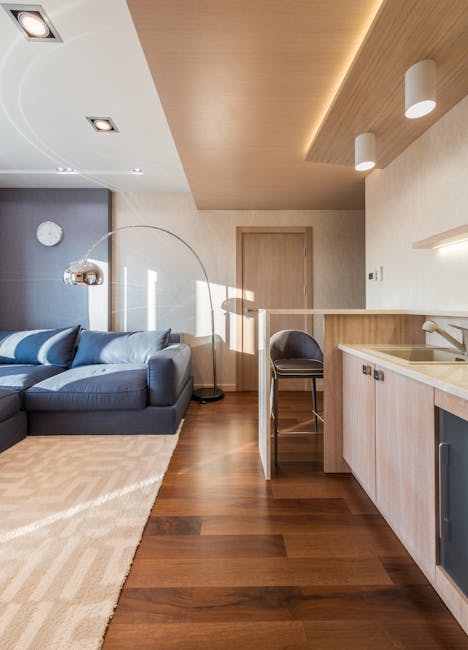
Laminate offers a variety of styles. It can mimic wood, stone, or tile. Choose a style that complements your kitchen design. Consider the color scheme. Light colors can make a space feel larger. Dark tones add warmth and elegance. Decide on the finish, glossy or matte. Each brings a different look to your kitchen.
Credit: www.youtube.com

Credit: www.reddit.com
Frequently Asked Questions
Is It A Good Idea To Have Laminate Flooring In The Kitchen?
Laminate flooring is suitable for kitchens due to its durability and affordability. It resists scratches and stains effectively. However, it’s crucial to address moisture issues promptly to prevent damage. Choose water-resistant options for better performance. Regular maintenance ensures longevity and appearance.
Consider kitchen traffic and lifestyle when selecting laminate flooring.
What Are The Disadvantages Of Laminate In Kitchen?
Laminate can be prone to scratches and chips, affecting durability. It’s not heat-resistant, risking damage from hot pans. Moisture can cause swelling or warping, leading to maintenance issues. Limited design options may not suit all aesthetic preferences. Over time, laminate might fade or discolor, impacting kitchen appearance.
Where Should You Not Use Laminate Flooring?
Avoid using laminate flooring in high-moisture areas like bathrooms and laundry rooms. Water can damage the surface. Basements with potential flooding are also unsuitable. Laminate isn’t ideal for outdoor spaces due to weather exposure. High-humidity environments can cause warping and buckling, reducing the floor’s lifespan.
What Type Of Laminate Floor Is Best For A Kitchen?
Choose waterproof laminate flooring for kitchens. It resists spills and moisture, ensuring durability. Opt for textured finishes for better grip and safety. High-pressure laminate offers superior resistance to scratches and stains. Select a style that complements your kitchen decor for a cohesive look.
Conclusion
Laminate flooring can be a smart choice for kitchens. It offers durability and style. Easy to clean. Resistant to stains and scratches. It fits well with modern kitchen designs. Costs less than hardwood. Installation is usually simple. Moisture resistance is important.
Choose quality laminate for kitchens. Consider underlayment for extra protection. Feel confident with laminate in your kitchen. It’s a practical and attractive option. Make sure to maintain it properly. Enjoy a beautiful kitchen floor for years. Laminate flooring balances form and function.
Perfect for busy kitchens.