Why is My Kitchen Sink Leaking? Quick Fixes Revealed
Executive Chef & Lead Commercial Kitchen Specialist at Daily Kitchup Test Lab
Your kitchen sink is leaking, and you’re probably feeling frustrated and maybe a bit overwhelmed. It’s a common problem that sneaks up on many homeowners.
You might be wondering why it’s happening and how to fix it without calling a plumber. Here’s the good news: understanding the reasons behind a leaky sink can save you time, money, and a lot of stress. You’ll discover the hidden culprits behind your sink’s drip and learn simple solutions to tackle the issue head-on.
By the end, you’ll have the confidence to handle the leak or know exactly what to tell a professional to get the best results. Let’s dive into the details and put your mind at ease.
Common Causes Of Kitchen Sink Leaks
Worn-out washers or loose connections often cause kitchen sink leaks. Cracked pipes and clogged drains can also lead to leaks. Regular maintenance helps prevent these common issues.
A leaking kitchen sink can quickly turn from a minor inconvenience into a major headache. Discovering the root cause is the first step in addressing the problem effectively. Understanding the common causes of kitchen sink leaks will not only help you in fixing the issue but also prevent future occurrences. Let’s dive into some typical culprits behind those annoying drips and puddles in your kitchen.Worn Out Faucet Seals
Faucet seals are the unsung heroes of your kitchen sink, preventing water from leaking out when the tap is turned off. Over time, these seals can wear out or become damaged due to constant use. If you notice water dripping even when the faucet is off, it might be time to replace these seals. Regular maintenance checks can save you from unexpected leaks.Loose Water Supply Connections
Have you ever noticed water pooling under your sink? Loose water supply connections are often the culprits. These connections can loosen over time due to vibrations or improper installation. Simply tightening them can often resolve the issue. However, if the problem persists, consider checking for worn-out washers or damaged threads.Clogged Or Damaged Pipes
Clogs in the pipes can cause water to back up and leak from your sink. This is especially common if you frequently dispose of grease or large food particles. Regularly cleaning and inspecting your pipes can prevent clogging. If pipes are damaged or corroded, replacing them might be the only solution to prevent further leaks.Faulty Drainage System
A faulty drainage system might be the reason behind water leaking from the sink area. This can happen due to incorrect installation or damage to the drainage components. Inspecting the drain for cracks or misalignment is essential. Sometimes, resealing the area or replacing damaged parts can fix the issue. Have you checked your kitchen sink for these common issues lately? Identifying the source of the leak early can save you time and money. Remember, regular maintenance is key to keeping your kitchen sink in top shape.Identifying The Leak Source
Discovering a leak in your kitchen sink can be frustrating, but identifying the source is the first step to fixing it. Understanding where the leak originates can save you time and money, and keep your kitchen functioning smoothly. Let’s dive into the most common places to check when you’re facing a pesky sink leak.
Inspecting Faucet And Handles
Start by taking a close look at your faucet and handles. Tighten any loose connections, as these can often be the culprits behind leaks. If you notice water pooling around the handles, it might be time to replace worn-out washers or O-rings.
Pay attention to any drips or water stains under the sink, which can indicate a faucet issue. A small drip can lead to a significant water bill over time. Don’t forget to check if the faucet is securely attached to the sink, as a loose connection can also cause leaks.
Checking Pipes And Hoses
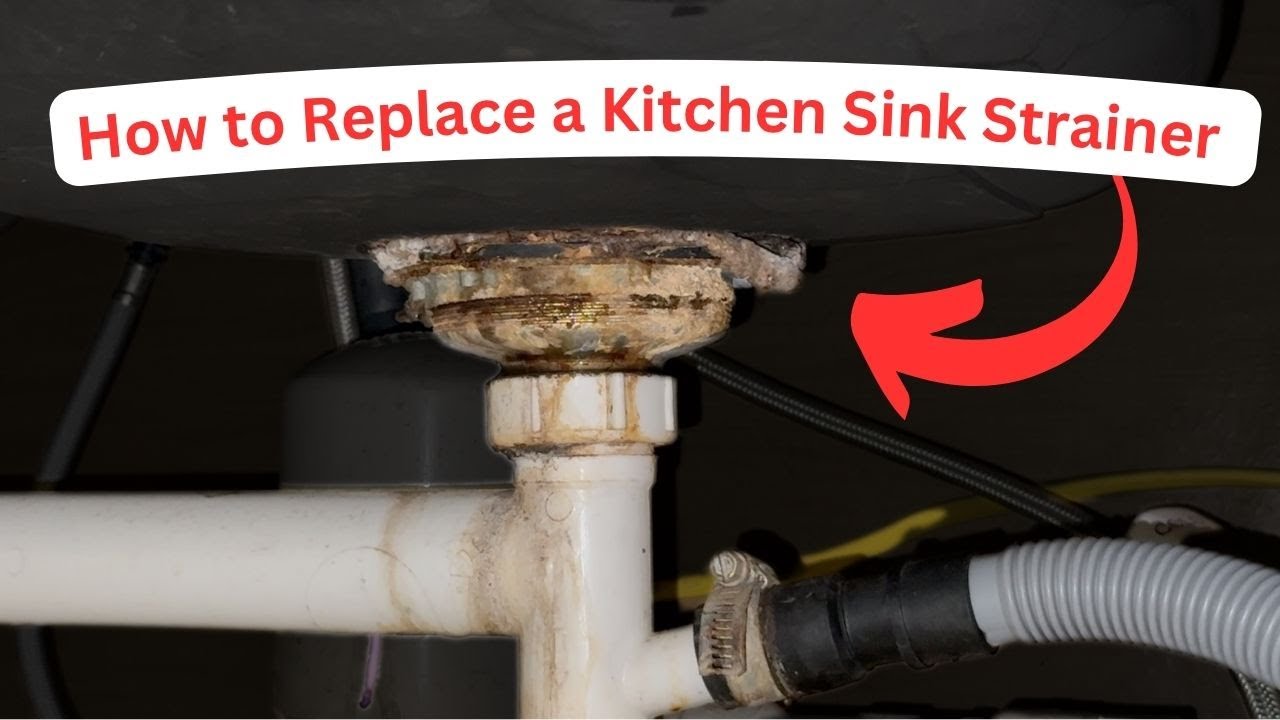
Next, move under the sink to inspect the pipes and hoses. Look for any visible cracks or signs of corrosion. Even a tiny crack can allow water to seep through, creating a mess beneath your sink.
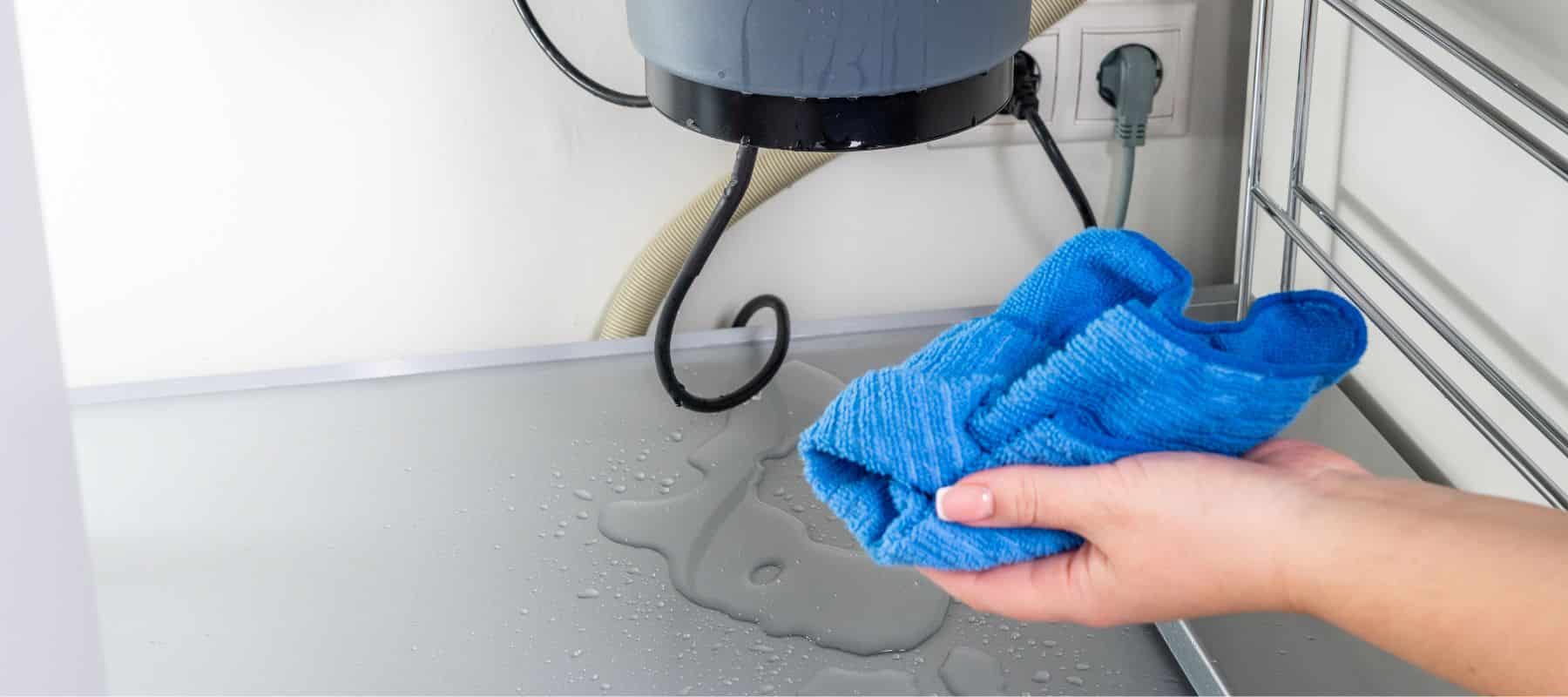
Gently run your hand along the pipes and hoses to feel for dampness. If you find a leak, tightening the connections might solve the problem. However, if the damage is extensive, you may need to replace the affected parts.
Examining The Sink Basin
Finally, check the sink basin itself. Over time, wear and tear can cause cracks or chips in the basin, leading to leaks. Examine the sealant around the edges of the sink, as degraded sealant can allow water to escape.
If you notice any gaps or damage, reapplying a waterproof sealant can prevent further leakage. A thorough inspection of your sink basin can reveal issues that might not be immediately obvious. Do you see any signs of mold or mildew? This can be a telltale sign of a hidden leak.
Quick Fixes For Leaky Faucets
Dealing with a leaky kitchen faucet can be frustrating. But don’t worry, there are simple fixes that can save your day. Understanding these quick solutions can help maintain your sink and avoid costly repairs. Let’s dive into some practical fixes you can try.
Replacing Worn-out Seals
Old seals often cause leaks. Over time, seals can wear out and crack. Replace them to stop leaks. Turn off the water first. Then, remove the faucet handle using a screwdriver. You will find the worn-out seal inside. Take it out and replace it with a new one. Ensure it fits snugly in place. This simple fix can often stop leaks.
Tightening Loose Connections
Loose connections can lead to water drips. Check under the sink and around the faucet. Use a wrench to tighten any loose nuts. Focus on the areas where pipes connect. Even a small adjustment can stop a leak. Be careful not to over-tighten. It can damage the pipes or connections.
Applying Sealant To Cracks
Cracks can appear in older faucets. Inspect your faucet for visible cracks. Apply a sealant to stop leaks. Use a waterproof sealant for best results. Clean the area first. Then, apply the sealant smoothly over the crack. Allow it to dry completely before using the faucet again. This can effectively seal off the leak.
Credit: www.facebook.com
Credit: www.garvinssewerservice.com
Frequently Asked Questions
How Do I Stop My Kitchen Sink From Leaking?
Tighten loose connections under the sink. Replace worn-out washers or seals on faucets. Ensure the drainpipe is securely connected. Clean and reseal around sink edges. Check for cracks or damages in pipes and repair them.
How Do You Figure Out What Is Leaking Under A Sink?
Check connections and seals on pipes, faucet, and drain. Identify wet areas or water stains for source. Inspect for cracks or corrosion.
Why Is My Sink Dripping When It’s Off?
A dripping sink often results from a worn-out washer, faulty faucet cartridge, or loose valve. Replace these components to stop the leak. Regular maintenance can prevent future drips and save water. If the problem persists, consult a professional plumber for further inspection and repair.
Is A Kitchen Sink Leak An Emergency?
A kitchen sink leak can be an emergency if it causes severe water damage. Prompt repairs prevent mold and structural issues. Address the leak quickly to avoid costly repairs and maintain a safe kitchen environment. Regular maintenance helps identify leaks early and ensures efficient water usage.
Conclusion
A leaking kitchen sink can cause stress. It’s important to find the cause quickly. Check the pipes and seals regularly. Simple fixes might solve the issue. Sometimes, professional help is needed. Don’t ignore small leaks. They can lead to bigger problems.
Protect your home from water damage. Regular maintenance is key. Keep your kitchen running smoothly. Your sink should work without leaks. Save time and money by acting early. A well-maintained sink lasts longer. Enjoy a hassle-free kitchen experience. Remember, prevention is better than repair.
Stay proactive and keep your sink leak-free.

Similar Posts