How to Plan an Outdoor Kitchen: Expert Tips Revealed
Imagine stepping into your backyard and being greeted by the inviting aroma of sizzling food on the grill. An outdoor kitchen can transform your space into a culinary oasis, offering the perfect setting for family gatherings and entertaining friends.
But how do you get started on creating this dream setup? Planning an outdoor kitchen can feel overwhelming, yet it doesn’t have to be. You can design a space that suits your lifestyle and cooking preferences with a few strategic steps.
In this guide, you’ll discover the key elements to consider, ensuring your outdoor kitchen is not just functional, but also a stunning extension of your home. Ready to turn your backyard into the ultimate cooking and dining destination? Let’s dive into the essentials you need to know to make it happen.
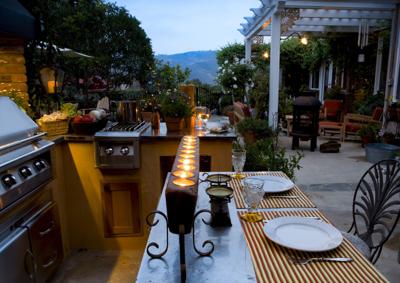
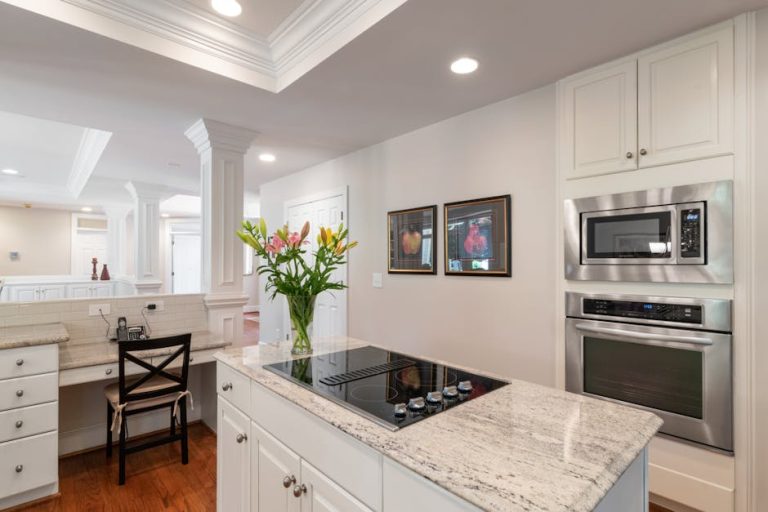
Credit: www.unionleader.com
Choosing The Right Location
Choosing the right location for your outdoor kitchen is crucial. It affects functionality, comfort, and aesthetics. An ideal spot balances sunlight, proximity, views, and privacy.
Assessing Sunlight And Shade
Consider how sunlight impacts your cooking space. Too much sun can make cooking uncomfortable. Look for areas with natural shade from trees or structures. Shade provides relief during hot weather.
Think about the time of day you’ll use the kitchen. Morning sun is gentle, while afternoon sun can be intense. A mix of sun and shade ensures comfort.
Proximity To Indoor Kitchen
Positioning your outdoor kitchen close to the indoor kitchen is practical. Short distances make food preparation easier. You can easily transfer ingredients and utensils.
Consider the flow of movement between spaces. A nearby outdoor kitchen reduces trips back and forth. It creates a seamless cooking experience.
Considering Views And Privacy
Views enhance the cooking experience. Choose a location with pleasing scenery. It adds enjoyment to cooking and dining.
Privacy is equally important. Ensure your space is secluded from neighbors. Use fences or plants to create a private oasis.
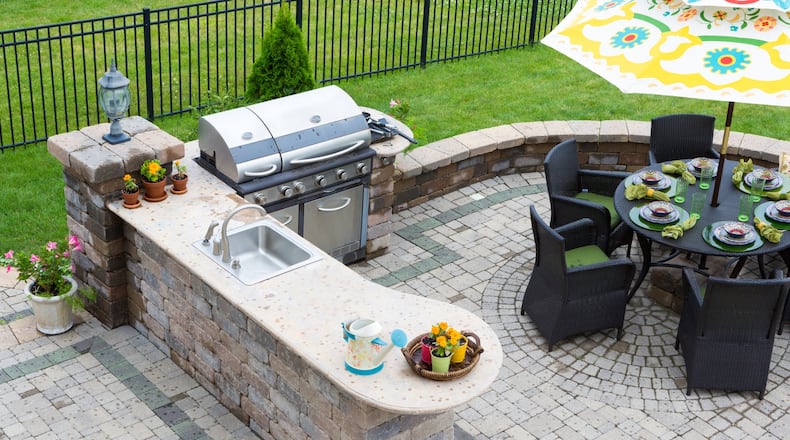
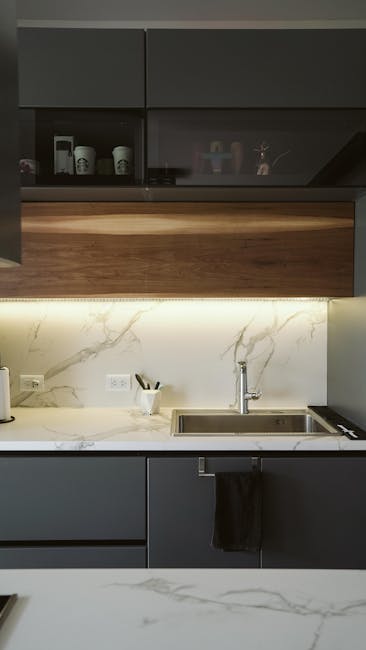
Credit: www.daytondailynews.com
Designing The Layout
Designing the layout for your outdoor kitchen is a crucial step in crafting a space that is both functional and stylish. This process involves more than just placing appliances and countertops; it requires thoughtful consideration of how each element will interact. A well-designed layout can transform your backyard into a culinary paradise that enhances your cooking experience and entertaining capabilities.
Determining The Kitchen Zones
Start by identifying the main zones of your outdoor kitchen: prep, cook, and serve. Each zone should be strategically positioned to facilitate smooth transitions between tasks.
- Prep Zone:Allocate space for chopping and assembling ingredients with enough counter space to keep things organized.
- Cook Zone:Place your grill or stove centrally, ensuring easy access to the prep area and serving station.
- Serve Zone:Include a serving counter nearby where friends can gather and chat while you cook.
Think about your cooking style. If you love grilling, make the grill the focal point. If you enjoy baking, a dedicated space for a pizza oven might be ideal.
Space For Dining And Seating
Your outdoor kitchen is not just for cooking; it’s a place to socialize. Consider how much seating you need. Do you host large parties or intimate dinners?
- Dining Area:Choose a location with a pleasant view or near the garden to create a relaxing ambiance.
- Seating Arrangement:Opt for flexible seating options like benches or stools that can be easily moved around.
Think about the flow of conversation. Arrange seating in a way that encourages interaction, perhaps around a central table or fire pit.
Incorporating Pathways And Access
Pathways are crucial for ensuring easy movement around your outdoor kitchen. Design routes that connect different zones seamlessly.
- Clear Access:Ensure pathways are wide enough for easy access, especially if you often carry trays or dishes.
- Material Choice:Use durable, non-slip materials for safety and longevity.
Consider lighting along pathways for evening use. Well-lit paths not only enhance safety but also add ambiance.
Now, imagine stepping into your completed outdoor kitchen. How does the layout influence your experience? Would you change anything?
Selecting Durable Materials
Planning an outdoor kitchen requires choosing materials that withstand the elements. Durable materials ensure longevity and reduce maintenance. They should resist weather changes and frequent use. Here’s how to select the right materials for your outdoor space.
Weather-resistant Countertops
Select countertops that endure sun, rain, and wind. Granite and concrete are popular choices. Granite resists heat and scratches. Concrete offers customization in color and shape. Both materials handle outdoor conditions well. Seal them to prevent stains and water damage.
Choosing Outdoor-friendly Cabinets
Outdoor cabinets need to handle moisture and temperature changes. Stainless steel is a top pick. It resists rust and is easy to clean. Marine-grade polymer is another option. It withstands water and sun exposure. Choose materials that do not warp or fade.
Flooring Options For Outdoors
Outdoor flooring should be slip-resistant and durable. Pavers and stone tiles are excellent choices. They offer a natural look and withstand weather changes. Concrete flooring is versatile and cost-effective. Ensure the surface provides good traction, especially when wet.
Essential Appliances And Features
Planning an outdoor kitchen involves selecting essential appliances and features. Choose weather-resistant grills, refrigerators, and storage units. Incorporate durable countertops and ample lighting to enhance functionality and ambiance.
Planning an outdoor kitchen involves more than just picking the right spot in your backyard. It’s about creating a space that combines functionality with style, making it a perfect fit for your cooking needs. To achieve this, you’ll want to focus on essential appliances and features that will elevate your outdoor culinary experience. Think about what you’ll cook, how you’ll keep ingredients fresh, and the convenience of having running water at hand. Let’s dive into some key aspects you should consider.Grills And Cooking Equipment
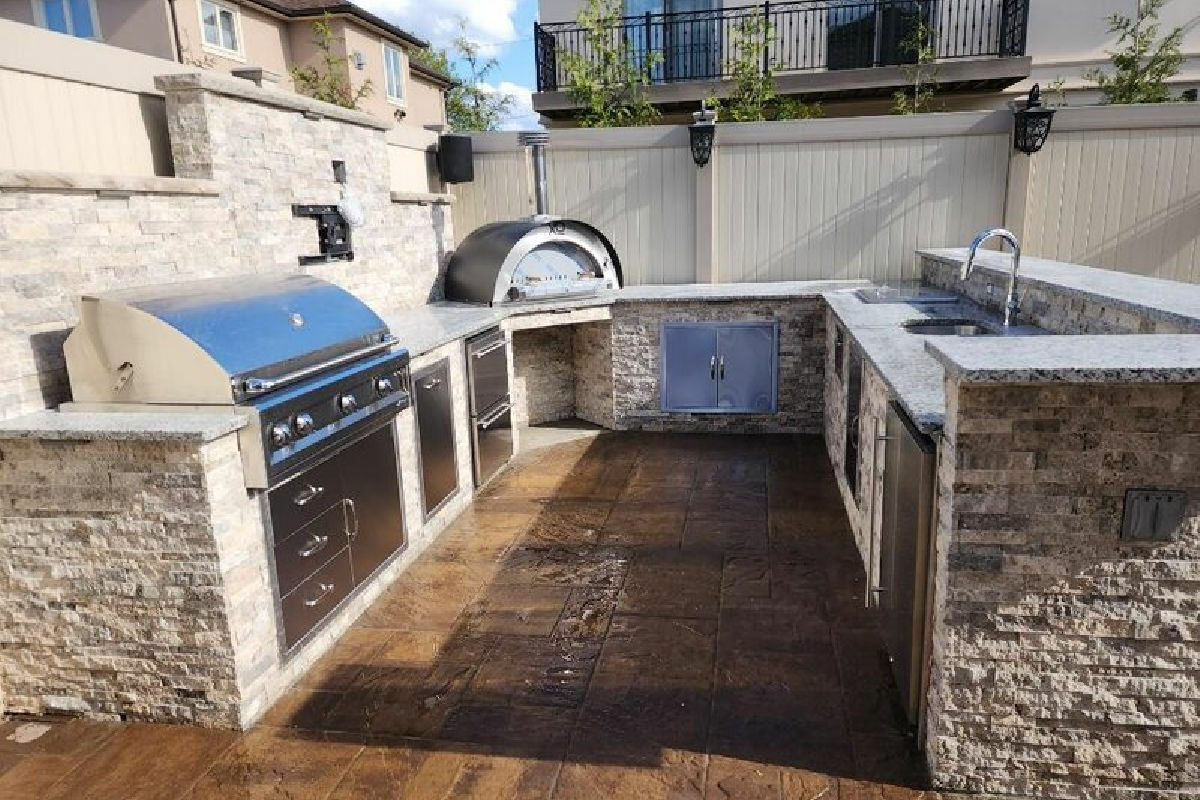
The grill is often the centerpiece of any outdoor kitchen. Choose a grill that suits your cooking style—be it gas, charcoal, or electric. You might also want to add a smoker or a pizza oven for versatility. Some people swear by side burners for preparing sauces and sides without having to rush inside. Don’t forget to consider the size; a larger grill means you can entertain more guests.Refrigeration Needs
Keeping food and drinks cool is crucial. An outdoor-rated refrigerator can be a game-changer, saving you multiple trips inside. Consider a beverage cooler for easy access to drinks during gatherings. If you’re a fan of chilled wine, a wine cooler might be worth the investment. Think about how much storage space you need and the types of items you’ll store.Incorporating Sinks And Plumbing
A sink in your outdoor kitchen adds immense convenience. It’s perfect for washing hands, rinsing vegetables, and cleaning up after meals. Make sure your plumbing is up to the task—consult with a professional to avoid any issues. A deep sink can be particularly helpful for large pots and pans. Imagine the ease of having water right where you cook and clean!Lighting And Ambiance
Create a warm and inviting outdoor kitchen by carefully selecting lighting fixtures. Use soft lights to enhance ambiance, and ensure functional lighting for cooking areas, balancing atmosphere with practicality.
Lighting plays a crucial role in any outdoor kitchen. It sets the mood, enhances safety, and ensures functionality. Thoughtful lighting transforms your space from merely practical to truly inviting. Let’s explore how to effectively plan lighting and ambiance.Task And Ambient Lighting
Task lighting focuses on specific areas. It helps with precise tasks, like chopping vegetables or grilling. Place task lights under cabinets or above the grill. Use LED strips or spotlights for clear visibility. Ambient lighting creates a warm, inviting atmosphere. It fills the area with a soft glow. Hang string lights or lanterns around seating areas. This makes the space cozy and welcoming.Creating A Cozy Atmosphere
A cozy atmosphere invites guests to relax and enjoy. Use dimmable lights to adjust brightness. Place candles on tables for a soft touch. Choose warm light bulbs for a gentle glow. Install lights at different heights. This adds depth and interest to your space. Add decorative elements like lanterns or fairy lights. They enhance charm and appeal.Lighting For Safety And Security
Safety should never be overlooked. Install pathway lights to guide guests safely. Use motion sensor lights around the perimeter. They alert you to movement and deter intruders. Ensure steps and edges are well-lit to prevent falls. Opt for solar lights for eco-friendly security. They are energy-efficient and cost-effective.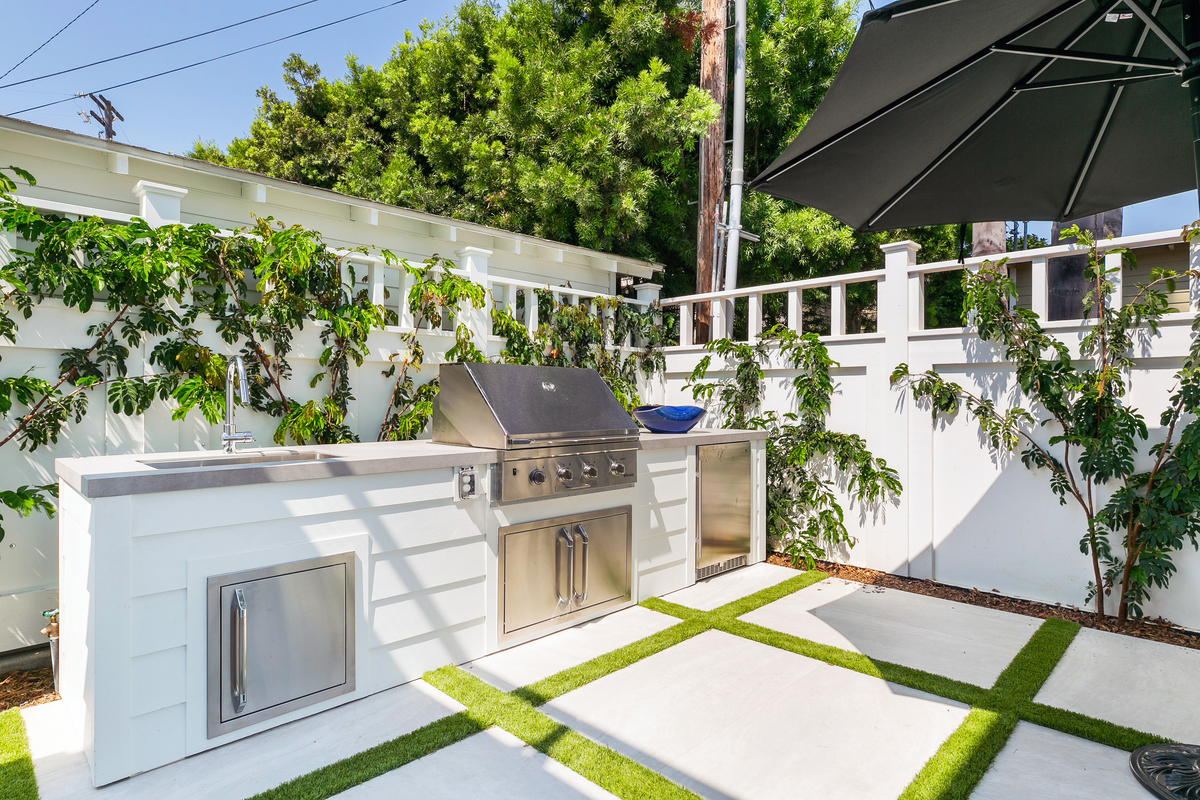
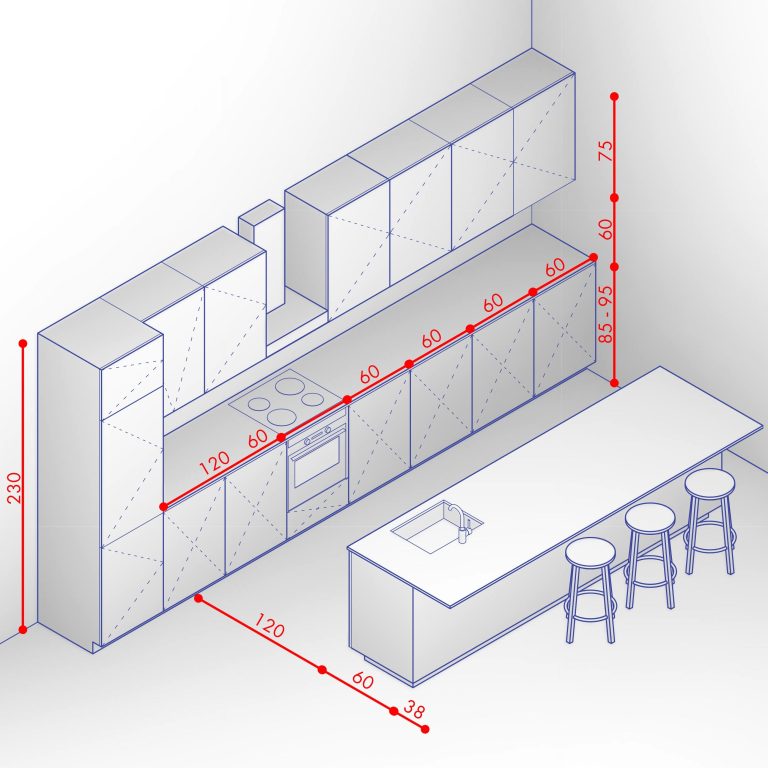
Credit: kerncodesigns.com
Weather Considerations
Consider local climate when designing your outdoor kitchen. Protect appliances with covers during rain or harsh weather. Ensure proper ventilation for heat management.
Planning an outdoor kitchen involves more than just choosing the perfect grill or countertop. One of the key elements to consider is how weather impacts your outdoor space. You want to ensure that your kitchen remains functional and comfortable throughout the year, regardless of rain, shine, or seasonal changes. Let’s dive into some practical tips for weather considerations.Dealing With Rain And Sun
Rain can be a spoiler if not properly planned for. Consider adding a durable roof or pergola to shield your kitchen from unexpected showers. Opt for waterproof materials like stainless steel for your appliances to prevent rust. Sunny days are perfect for outdoor cooking, but excess heat can turn cooking into a chore. Install retractable awnings or umbrellas to provide shade when needed. You can even plant trees nearby for natural shade and cooler surroundings.Outdoor Heating And Cooling
Cold evenings shouldn’t deter you from enjoying your outdoor kitchen. Adding a fire pit or outdoor heaters can make your space warm and inviting. Ensure heaters are placed safely and away from flammable materials. For hot summer days, fans or misting systems can keep your kitchen cool. Consider strategically placing fans to ensure maximum airflow. Would you enjoy cooking more in a kitchen that adapts to the seasons?Seasonal Maintenance Tips
Regular maintenance is essential to keep your outdoor kitchen in top shape. Clean stainless steel surfaces to prevent discoloration. Check for any signs of wear or damage in furniture and fixtures. Prepare your kitchen for winter by covering appliances and storing away delicate items. In spring, clean surfaces thoroughly and inspect for any repairs. These small efforts can extend the life of your outdoor kitchen and make it a joy to use year-round.Budgeting And Cost Management
Careful budgeting ensures a successful outdoor kitchen project. First, decide on essential features and materials. Next, compare prices and set a realistic budget. Plan for unexpected costs to stay on track.
Planning an outdoor kitchen is an exciting venture, but understanding budgeting and cost management is crucial to turning your dream into reality. It’s easy to get carried away with the endless options available, but setting a realistic budget is key. Let’s dive into some practical tips to help you manage your costs effectively.Estimating Costs Accurately
Start by listing all the components you want in your outdoor kitchen. This includes appliances, countertops, cabinets, and any special features like a pizza oven or a smoker. Research prices from different vendors to get a good sense of the market. Consider labor costs if you’re hiring professionals. Get multiple quotes to ensure you’re not overpaying. Don’t forget to account for permits and any unexpected expenses that might crop up.Prioritizing Features And Upgrades
Determine what’s essential versus what’s nice to have. An outdoor grill might be non-negotiable, but do you really need that built-in beer tap? Make a list of must-haves and nice-to-haves. By prioritizing, you can allocate your budget more effectively. This way, if you need to make cuts, you know where to start without compromising on your essentials.Saving Money On Materials
Consider using cost-effective materials that still offer great durability. Concrete countertops, for instance, are a budget-friendly alternative to granite. Explore recycled or repurposed materials for a unique look that doesn’t break the bank. Look out for sales or discounts at your local home improvement stores. Sometimes, buying in bulk can also save you money. Always compare prices online to ensure you’re getting the best deal. Remember, a well-planned outdoor kitchen doesn’t have to drain your finances. With careful budgeting and cost management, you can create a space that’s both functional and stylish. What’s your top priority when planning your outdoor kitchen?Hiring Professionals
Outdoor kitchen planning requires professional expertise for seamless integration with your home. Professionals ensure design, functionality, and compliance with building codes. Their experience helps choose materials, layouts, and appliances that suit your space and needs.
Planning an outdoor kitchen is an exciting venture that transforms your backyard into a functional extension of your home. However, to make this dream a reality, hiring the right professionals is crucial. Their expertise ensures that your outdoor kitchen is not only beautiful but also practical and durable.When To Consult An Architect
Engaging an architect can be a game-changer when your vision is complex or if your property has unique challenges. An architect helps in creating a layout that maximizes space and functionality while complementing your home’s style. Consider consulting one if your outdoor kitchen design involves extensive structural work or if you want a customized setup that stands out.Choosing Contractors Wisely
Finding the right contractor is like choosing a partner for your project. Look for contractors with experience in outdoor kitchens, as they understand the nuances of working with weather-resistant materials. Ask for references, check past projects, and ensure they are licensed and insured. This due diligence can save you time and headaches later.Coordinating With Landscapers
A cohesive outdoor space often requires the expertise of landscapers who can blend your kitchen with the natural surroundings. Collaborate with them early in the process to ensure your kitchen flows seamlessly with your garden or patio. They can suggest plantings that frame the space beautifully and provide privacy, enhancing both aesthetics and functionality. Hiring professionals might seem daunting, but it’s an investment in your peace of mind and the quality of your outdoor kitchen. Can you imagine spending your weekends troubleshooting construction issues rather than enjoying a barbecue with friends? By surrounding yourself with the right experts, you’ll be savoring those moments instead.Sustainability And Eco-friendly Options
Planning an outdoor kitchen with sustainability in mind involves choosing eco-friendly materials and energy-efficient appliances. Consider reclaimed wood for cabinets and solar lighting to reduce environmental impact. Opt for locally sourced stone or brick for countertops and use natural gas grills to minimize carbon footprints.
Planning an outdoor kitchen with sustainability in mind not only helps the environment but also enhances your living space with eco-friendly charm. Imagine savoring a meal in your backyard while knowing your kitchen choices contribute to a healthier planet. This section focuses on practical ways to build a sustainable outdoor kitchen by using energy-efficient appliances, sustainable materials, and water conservation strategies.Energy-efficient Appliances
Choosing energy-efficient appliances for your outdoor kitchen can significantly reduce energy consumption. Look for appliances with the ENERGY STAR label, which indicates they meet energy efficiency guidelines. Consider solar-powered options, which harness the sun’s energy to operate, reducing reliance on traditional electricity sources. Have you ever wondered how much energy a conventional grill consumes? Switching to a solar-powered grill can be a game-changer for both your utility bill and the environment.Using Sustainable Materials
When selecting materials for your outdoor kitchen, opt for sustainable options. Bamboo, recycled steel, and reclaimed wood are excellent choices that are both durable and eco-friendly. These materials not only reduce environmental impact but also add a unique aesthetic to your space. Imagine countertops made from recycled glass adding a touch of elegance and sustainability. Choosing sustainable materials can make your outdoor kitchen a true reflection of your commitment to the planet.Water Conservation Strategies
Implementing water conservation strategies in your outdoor kitchen can make a big difference. Install a rainwater collection system to use for cleaning or watering plants. Consider low-flow faucets and fixtures to minimize water usage without sacrificing performance. You might be surprised at how much water is wasted in traditional kitchens. By incorporating water-saving techniques, you contribute to preserving this precious resource while enhancing your outdoor kitchen experience. As you plan your outdoor kitchen, think about how each choice can impact the environment. What sustainable elements can you incorporate that reflect your values? Embracing eco-friendly options can transform your outdoor space into a haven of sustainability.Frequently Asked Questions
How Do I Plan My Outdoor Kitchen?
Choose a suitable location with shelter. Plan for appliances, storage, and seating. Ensure utilities like gas, water, and electricity are accessible. Consider weather-resistant materials for durability. Keep the design functional and stylish.
What Is The Average Cost To Build An Outdoor Kitchen?
The average cost to build an outdoor kitchen ranges from $5,000 to $15,000. Prices vary based on materials, size, and features. Custom designs and high-end appliances can increase costs significantly. Budgeting for quality materials ensures durability and longevity. Consider hiring professionals for installation to ensure proper functionality.
How Far Should An Outdoor Kitchen Be From The House?
Outdoor kitchens should be at least 10-15 feet from the house. This ensures safety from heat and smoke. Maintain this distance to prevent fire hazards and allow proper ventilation. Consult local building codes for specific requirements in your area.
Can I Build An Outdoor Kitchen Without Planning Permission?
You can often build an outdoor kitchen without planning permission. Check local regulations for specific requirements. Structures must comply with zoning laws and building codes. Consult your local planning authority to ensure compliance. Always verify utility connections and safety standards before construction to avoid future issues.
Conclusion
Planning an outdoor kitchen can be simple and rewarding. Start with a clear vision. Consider your space and needs. Choose materials that withstand weather. Safety comes first. Pick appliances that match your cooking style. Think about seating and comfort. Add lighting for evening use.
Plants can enhance the atmosphere. Budget wisely to avoid surprises. Consult a professional if needed. Enjoy the process and create a space for lasting memories. Your outdoor kitchen will be a place to gather and enjoy. Happy cooking!